Every first Monday in May, New York starts acting like it knows something. Everyone wants to know what the Met Gala is, but the real fascination is bigger than one staircase.
The night begins with pre-parties, hotel-suite panic, designer politics, red-carpet theatre, private dinners, hidden performances, and after-parties where second looks do their own talking.
What happens at the Met Gala stays partly hidden, which makes the whole thing more irresistible. It is fashion, fame, money, art, access, and gossip stitched into one evening. Naturally, everyone pretends to be above the drama while watching every step.
The Met Gala Basics Before the Doors Close
The Met Gala is officially called the Costume Institute Benefit. It is held at the Metropolitan Museum of Art in New York and raises money for the museum’s Costume Institute.
The event also opens the Costume Institute’s spring exhibition, which inspires the yearly theme and dress code. That is the polite version.
The sharper version is that the Met Gala turns fashion into a public power test. There are no trophies, no winners announced, and no acceptance speeches.
The prize is being remembered. A guest arrives, but the outfit, designer, timing, styling, and reaction decide whether the moment survives past breakfast.
Why the Met Gala Feels So Exclusive
The Met Gala feels exclusive because it isn’t structured like a typical celebrity event. Fame helps, but fame alone does not open the door. That is why the guest list becomes gossip before the carpet even starts.
A guest may matter because they bring:
- fashion credibility
- cultural heat that year
- a strong designer or brand relationship
This is why two celebrities can be equally famous, but only one appears on the steps. One may fit the theme better. Another may be tied to a major fashion house. Someone else may be having the exact career moment the industry wants to claim.
The room is not asking, “Who is famous?” It is asking, “Who makes this night more powerful?”
The Met Gala Virtual Tour: What Actually Happens?
The public sees the staircase and thinks that it is the event. Sweet thought, wrong building. The Met Gala starts before the carpet and keeps moving long after the museum doors close.
The night works in three layers:
- Before the carpet: parties, fittings, glam, arrivals
- Inside the gala: exhibition, cocktails, dinner, performance
- After the museum: second looks, after-parties, late-night sightings
That structure is why the event feels so addictive. Everyone sees enough to feel included, then gets shut out exactly when things become interesting.
Stop 1: The Hotel Glam Room
The hotel glam room (The Mark Hotel, the unofficial headquarters) is where the fantasy still looks like work. Hair, makeup, nails, fittings, jewelry, steaming, stitching, and publicist timing all happen at once. The final photo may look effortless, but the room behind it is pure controlled panic.
- Gowns are adjusted
- Jewels are secured
- Emergency fixes happen fast
Somewhere upstairs, a stylist is holding a zipper, a breath, and possibly a career together.
Stop 2: The Famous Met Steps
The staircase is where the Met Gala becomes a global theatre. Guests step out, pose, turn, explain the theme, and deliver the image that will travel everywhere. The stairs reward drama, which is why volume, trains, veils, armor, and sculpture often win attention.
- The designer’s choice speaks
- The arrival time matters
- The pose becomes the headline
A gown is never just a gown here. Sometimes it is a comeback with beadwork.
Stop 3: The Exhibition Walkthrough
The exhibition is the reason the night exists. Guests view the Costume Institute show connected to that year’s theme, so the red-carpet looks are not floating without context. The smartest outfits usually make more sense once the exhibition’s mood is understood.
- References become clearer
- Weak interpretations show
- Strong styling gains depth
This is where we learn who studied the assignment and who only borrowed a pretty sentence.
Stop 4: Cocktail Hour
Source: @ny times
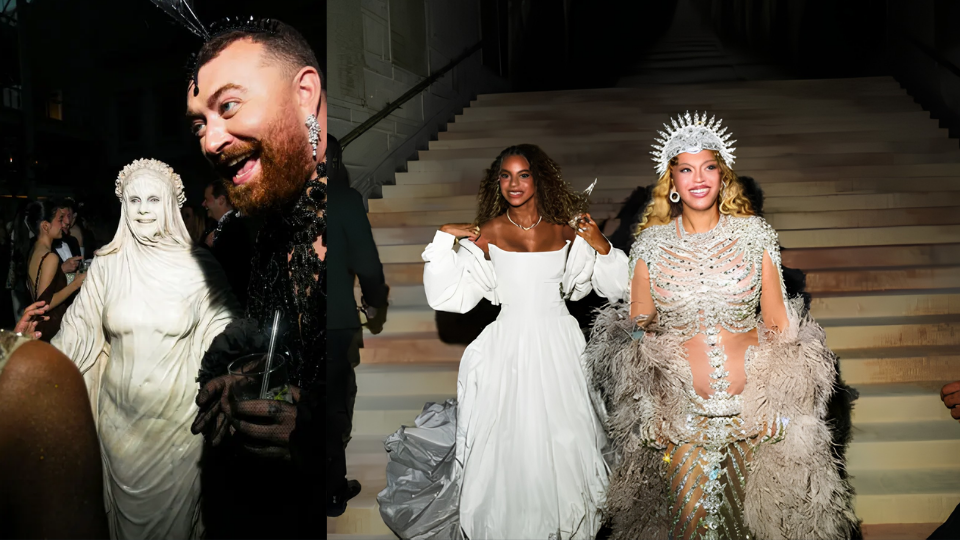
Cocktail hour is where the room starts moving. Designers, actors, musicians, editors, models, donors, and brand people mingle under museum lights. Everyone looks relaxed, but the room is doing business in smiles, glances, and polite introductions.
- Future campaigns begin
- Alliances get softened
- Awkward encounters are managed
It is networking in couture, which means the champagne is cold and the memory is long.
Stop 5: The Dinner
Source: @Vogue
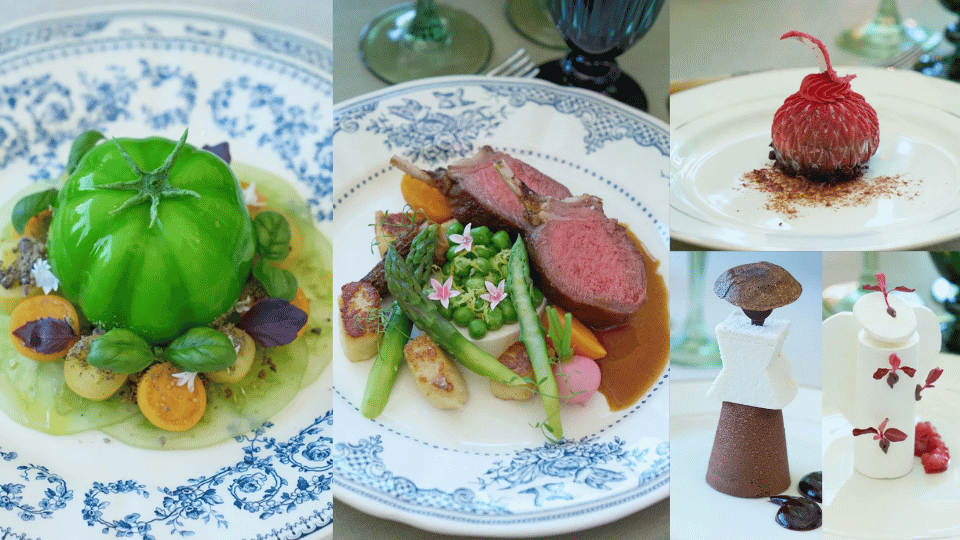
Dinner is formal, seated, and far more strategic than it looks. The flowers may be beautiful, but the seating chart is the real document. Every placement can suggest friendship, influence, repair, tension, or a brand plan already in motion.
- Tables signal status
- Neighbours create headlines
- Distance can say plenty
The food may be excellent, but nobody gossips about the salad.
Stop 6: The Private Performance
Source: @Vogue, @TheHollywoodReporter
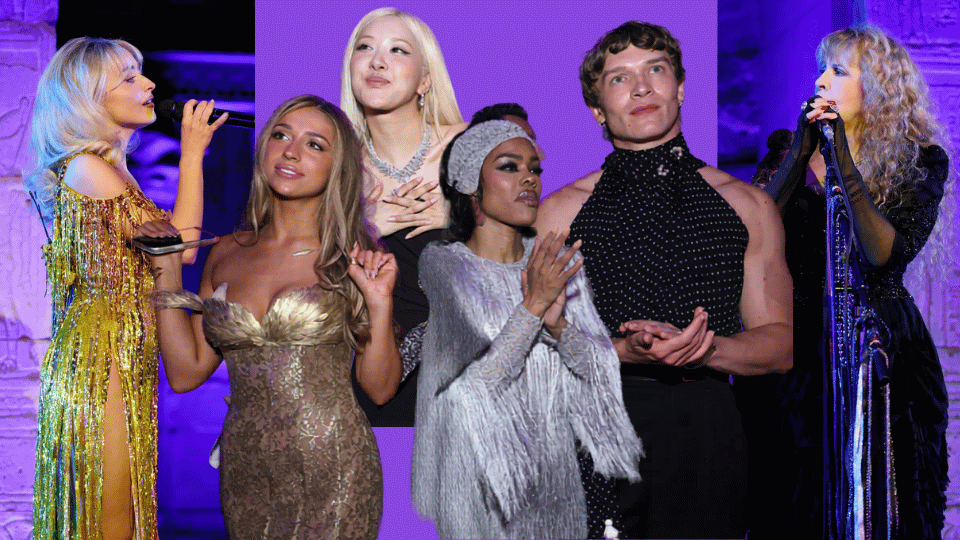
At some point, a major artist usually performs for the room. This part is rarely shown in full, which makes it feel even more unreal. Outside, people refresh feeds for scraps. Inside, celebrities watch another celebrity perform inside a museum on a Monday.
- Access feels sharper
- Clips stay limited
- The room becomes mythic
Luxury is not always what people see. Sometimes it is what they know happened without them.
Stop 7: The Bathroom Selfie Moment

Source: @PageSix
The bathroom selfie has become the gala’s naughty little side plot. The event is polished, private, and controlled, then suddenly a mirror photo appears with half the celebrity world squeezed together like a school trip in diamonds.
- Rules feel bent
- Stars look human
- The internet gets evidence
Even rebellion at the Met Gala somehow has perfect lighting.
Why the Theme Can Make or Break the Night
The Met Gala theme is not a costume-party suggestion. It connects the celebrity spectacle to the Costume Institute exhibition and gives designers a creative assignment. That is why ignoring it feels so obvious.
A strong look usually does three things: It connects to the theme and the exhibition’s mood, to create a memorable image.
This is why the best outfit is not always the prettiest one. A beautiful gown can disappear if it says nothing. A strange look can win the night if it has a point of view.
The Met Gala rewards fashion with an idea. Expensive is expected. Interesting is rarer.
The Rules That Make the Met Gala Feel So Secretive
The Met Gala’s rules are not just about control. They protect the privacy, polish, and fantasy that make the night feel untouchable.
- Phone limits: Inside the gala, phone use is restricted so the private rooms stay private and the mystery stays alive.
- Managed arrivals: Guests do not simply wander in. Timing, order, movement, and red-carpet flow are carefully handled.
- Controlled photos: After the carpet, photography becomes limited, which keeps the dinner, mingling, and performance more exclusive.
- Museum manners: Guests are expected to respect the space, the theme, the couture, and the people powerful enough to notice everything.
That is the strange beauty of the Met Gala. Even when the night looks dramatic, expensive, and slightly chaotic, the chaos still has manners.
Why Everyone Keeps Watching
People keep watching the Met Gala because it gives different audiences different pleasures. Fashion lovers watch the craft.
Pop culture fans watch the celebrities. Industry people watch the strategy. Casual viewers watch the drama. Everyone gets just enough access to feel involved. Then the doors close.
That is the trick. If the Met Gala were fully private, it would not dominate the internet. If it were fully public, it would lose its power. The staircase invites everyone in, and the private rooms push everyone back out.
Naturally, that makes people even nosier.
Frequently Asked Questions
How much does it cost to attend the Met Gala?
Tickets are very expensive, but many guests do not pay personally. Designers and brands often buy tables and invite celebrities as their guests.
Who decides the Met Gala theme?
The theme is chosen in relation to the Costume Institute’s exhibition. It is shaped by the museum’s curators, with the gala dress code linked to that exhibition.
Why are Met Gala photos so controlled?
Photos are controlled to protect the event’s privacy and exclusivity. The red carpet is public, but the dinner and private moments are harder to access.
Do celebrities change outfits after the Met Gala?
Yes, many celebrities change into second looks for after-parties. These outfits are usually easier to move in and more party-friendly.
What happens to the money raised at the Met Gala?
The money supports the Costume Institute, including exhibitions, acquisitions, conservation, publications, and other museum-related work connected to fashion history.
To End the Night
The answer to what the Met Gala is is bigger than a celebrity party. It is a fundraiser, exhibition opening, fashion test, status room, brand machine, and gossip engine stitched into one night.
The pre-parties create the first signals, the staircase delivers the spectacle, and the private rooms protect the mystery. What happens at the Met Gala matters because the hidden parts make the visible ones feel richer.
My favorite detail is how polished it looks from far away, while every layer underneath is strategy. Read the looks closely, then leave your verdict in the comments.