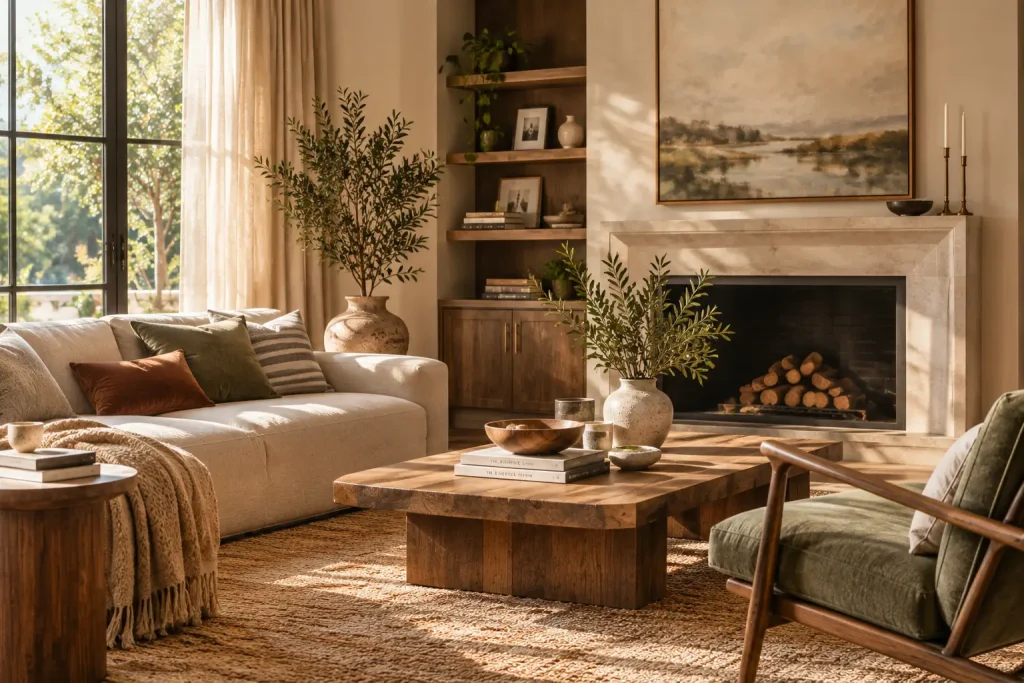
A beautiful home is rarely defined by a single piece of furniture, an expensive renovation, or a perfectly coordinated color palette. More often, its appeal comes from the subtle relationship between different elements: the warmth of natural materials, the way sunlight moves across a room, the contrast between smooth and textured surfaces, and the personal objects that make a space feel lived in.
Much like a carefully composed photograph or a piece of music, a well-designed interior depends on balance, rhythm, and atmosphere. Every detail contributes to the overall impression, yet the most memorable spaces rarely feel as though every element has been deliberately arranged.
Creating this kind of home is less about following a particular aesthetic and more about understanding how color, texture, light, and design can work together to create something both beautiful and personal.
Color as the Foundation of Atmosphere
Color is one of the most expressive tools in interior design. It can make a spacious room feel intimate, bring warmth to an otherwise minimal interior, or introduce a sense of energy into a quiet corner of the home. Beyond individual preferences, the relationship between different shades often determines how harmonious a space feels.
Rather than choosing colors independently for walls, furniture, and decorative accessories, it helps to consider the overall palette. Warm neutrals, muted greens, earthy browns, and soft creams can create a relaxed, understated atmosphere, while deeper blues, burgundy, and rich terracotta tones introduce a more dramatic character.
An effective approach is to begin with a few complementary shades and gradually introduce variation through smaller details. A room decorated in warm ivory, for example, might incorporate walnut furniture, olive-green upholstery, and subtle brass accents. The result feels cohesive without becoming overly coordinated.
Natural light also plays an important role in how colors are perceived. A shade that appears soft and inviting in the morning may look considerably cooler under artificial lighting. Testing samples at different times of day can help ensure that the chosen palette works with the room rather than against it.
The Beauty of Layered Textures and Materials
While color establishes the visual mood, texture gives a room depth and character. The combination of contrasting surfaces can make even a restrained interior feel rich and inviting, particularly when natural and manufactured materials are used thoughtfully.
Consider the difference between a room filled entirely with smooth, polished surfaces and one that combines linen curtains, a woven rug, ceramic objects, and a beautifully grained wooden table. The second space offers greater visual variety, encouraging the eye to move between materials and appreciate their individual qualities.
As explored in contemporary interior design, combining different materials, furnishings, and decorative influences can help create interiors that feel both modern and personal.
The key is to introduce contrast without overwhelming the room. Rough stone can sit beautifully alongside soft upholstery, while sleek metal details can provide definition against warm wood and natural fabrics. Repeating certain finishes throughout the space helps these combinations feel intentional.
Larger surfaces also deserve consideration because they establish the foundation for everything else. Walls, flooring, and built-in furniture influence how colors and textures interact across an entire room. For designers and renovation professionals, selecting these materials often involves balancing appearance, durability, and budget. Trade-focused suppliers offering wholesale laminate flooring, for example, give designers and contractors a wide choice of wood-look finishes and textures to suit a broader interior design concept.
Ultimately, materials should be selected not simply for how they look individually, but for how they contribute to the atmosphere of the entire space.
Lighting: The Invisible Element of Good Design
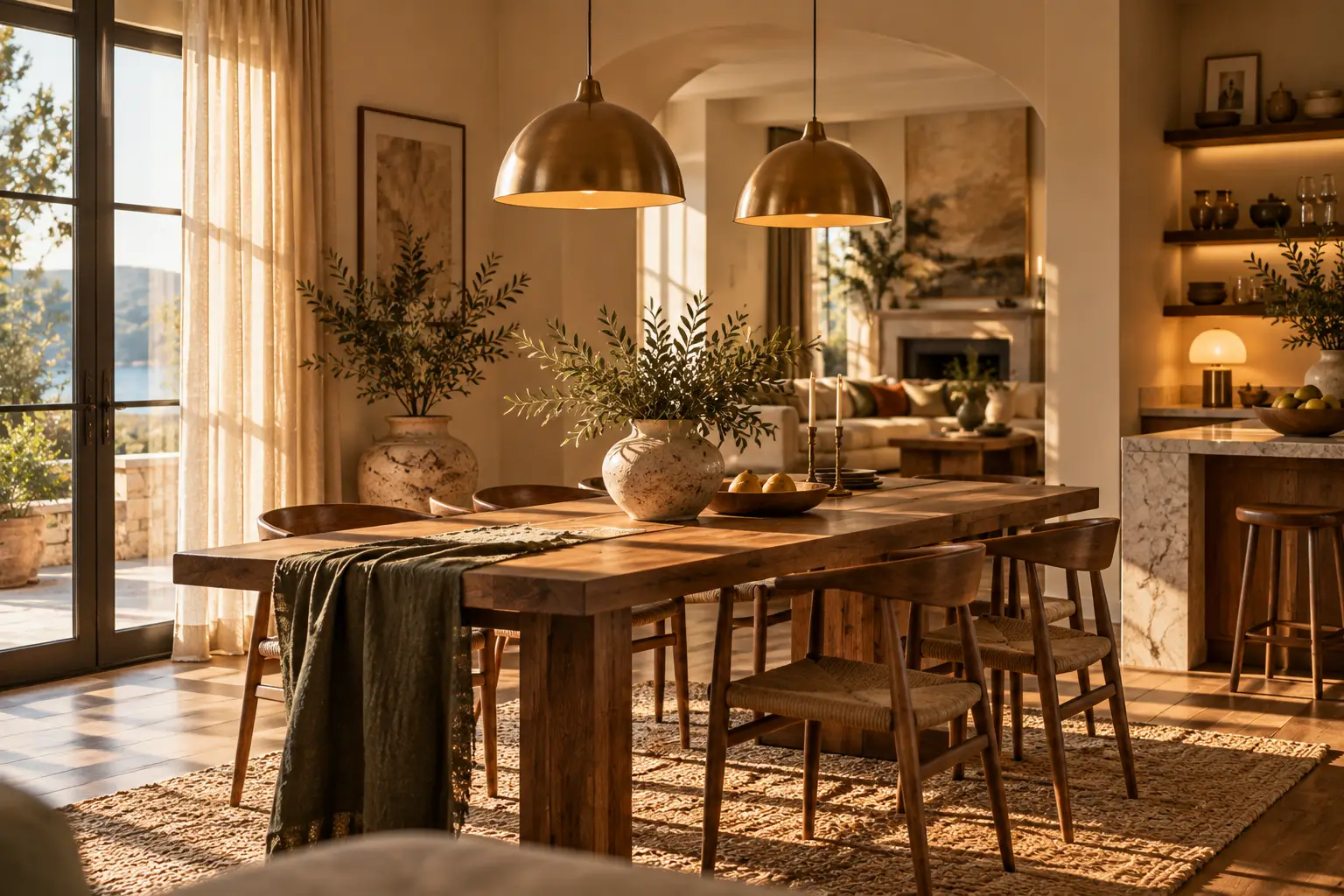
Few elements influence the feeling of a home as profoundly as lighting. It changes how colors appear, emphasizes architectural details, and determines whether a room feels inviting or impersonal.
Natural light provides a beautiful starting point. Large windows, light curtains, and strategically placed mirrors can help make interiors feel more open, while heavier fabrics and carefully positioned furniture can create a softer, more intimate atmosphere.
Artificial lighting offers another opportunity to shape the character of a room. Rather than relying on a single overhead fixture, a combination of ambient, task, and accent lighting allows different areas to serve different purposes throughout the day.
A sculptural pendant above a dining table can become a visual centerpiece, while a small lamp beside a reading chair creates a quieter atmosphere. Wall sconces can highlight artwork or architectural features, and warm, indirect lighting can soften the appearance of contemporary furniture.
Lighting fixtures themselves can also contribute to the design. Materials such as frosted glass, brushed brass, ceramic, and fabric introduce additional texture, allowing functional objects to become part of the room’s visual identity.
Art and Personal Objects Give a Home Its Character
A thoughtfully designed home should reflect the people who live in it. Although furniture, color, and architectural details establish the foundation, artwork and personal objects often provide the individuality that makes a space memorable.
Original paintings, fine art photography, vintage ceramics, books, and collected objects can introduce stories that go beyond decoration. These pieces do not necessarily need to match the surrounding furniture or follow a particular design trend. In fact, an unexpected contrast can become one of the most interesting features of a room.
A contemporary living space, for instance, might feel more expressive with a vintage painting above a minimalist sofa. Similarly, black-and-white photography can create a striking focal point in an otherwise colorful interior, while handmade pottery adds warmth to a sleek shelving arrangement.
The relationship between artwork and its surroundings is particularly important. As discussed in Gigwise’s feature on fine art photography in interiors, carefully chosen images can bring emotional depth and a sense of storytelling to both residential and commercial spaces.
Personal collections also benefit from thoughtful presentation. Grouping objects of different heights, leaving space between decorative pieces, and mixing contemporary finds with older possessions can create a curated appearance without making the room feel overly styled.
Finding Harmony Between Different Design Styles
Some of the most compelling interiors resist strict categorization. Rather than following a single aesthetic, they combine influences from different periods, cultures, and design traditions to create a distinctive visual language.
A mid-century armchair might sit comfortably beside a contemporary marble table, while traditional architectural moldings can provide an elegant backdrop for modern artwork. These combinations work particularly well when there is a shared element, such as a recurring color, complementary material, or similar sense of proportion.
Balance is more important than perfect coordination. If a room contains several visually prominent pieces, quieter furniture and restrained accessories can provide the necessary breathing space. Conversely, a minimal interior may benefit from one unexpected object, bold artwork, or richly textured fabric that introduces personality.
It is also worth considering how the different rooms of a home relate to one another. They do not need identical palettes or furnishings, but repeating certain materials, colors, or design details can create a subtle sense of continuity.
The goal is not to make every room look the same. It is to establish a visual rhythm that makes moving through the home feel natural and cohesive.
Creating a Home That Evolves with You
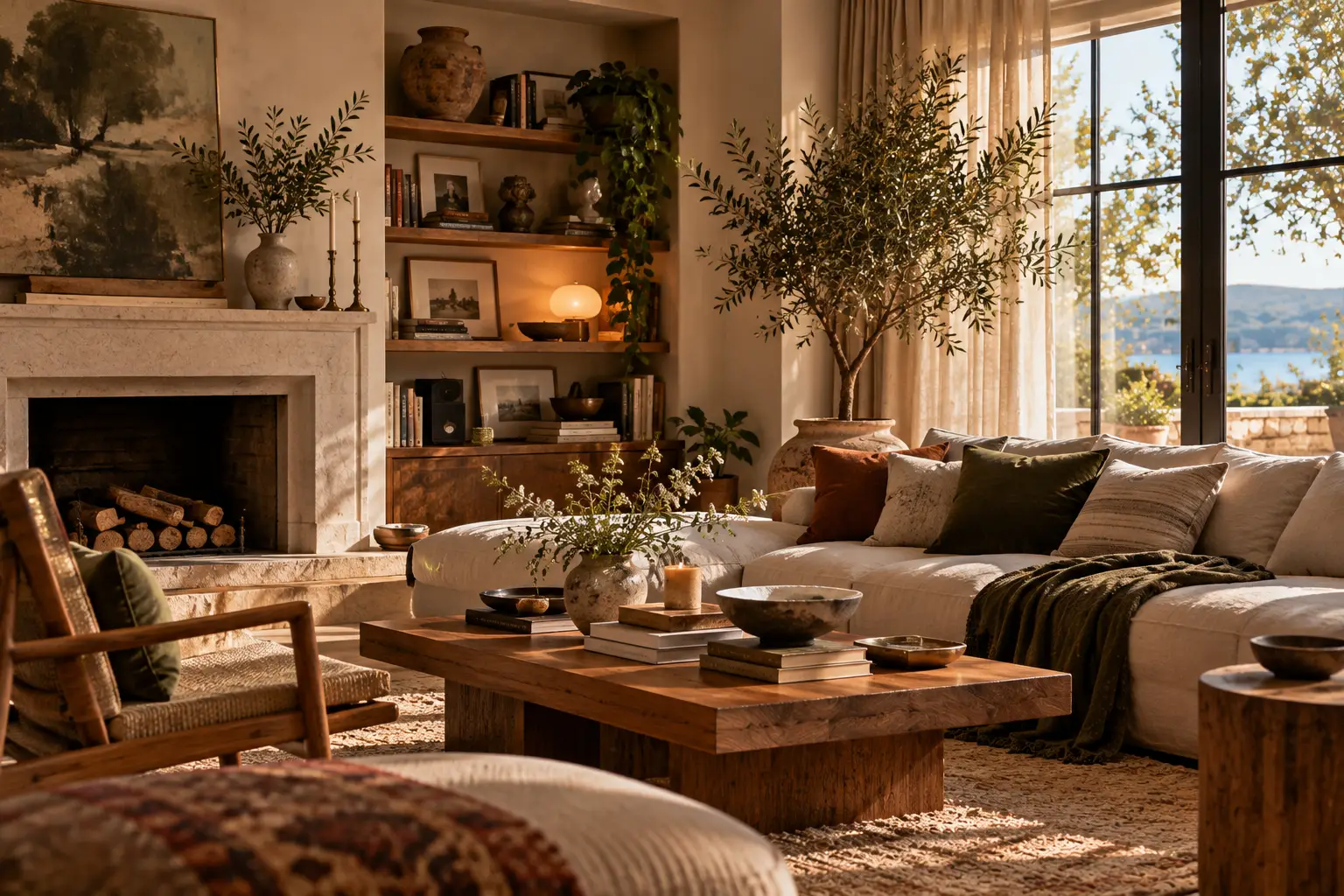
Beautiful interiors are not necessarily those that remain unchanged. A home is a living environment, shaped by daily routines, changing tastes, and the objects collected over time. Allowing it to evolve can be just as important as making thoughtful decisions during the initial design process.
Investing in versatile furniture, durable foundational materials, and a considered color palette provides flexibility for future changes. Smaller elements, such as textiles, artwork, lamps, and decorative accessories, can then be updated without requiring a complete redesign.
There is also something appealing about a home that develops gradually. A painting discovered while traveling, an inherited piece of furniture, or a handmade object found at a local market can add character that would be difficult to recreate through a perfectly coordinated collection.
The most successful interiors leave room for these unexpected additions. They balance practical needs with aesthetic expression, creating spaces that remain comfortable, interesting, and personal as life changes.
The Art of Living Beautifully
Creating a beautiful home is ultimately an exercise in thoughtful composition. Color establishes the mood, texture adds depth, lighting shapes the atmosphere, and personal objects bring meaning to the space. When these elements are considered together, even simple interiors can feel distinctive and inviting.
The most memorable homes rarely depend on expensive finishes or flawless coordination. Their beauty comes from the way different details complement one another, creating a sense of harmony without sacrificing individuality.
A home should be more than a collection of attractive objects. At its best, it becomes a reflection of the people who inhabit it, combining comfort, creativity, and personal history into a space that feels entirely its own.