Some architectural features shape a room before furniture or decoration enters the picture. A Swedish tiled stove, known as a kakelugn, is one example. Its sculpted outline and ceramic surface can give an otherwise simple interior a distinctive centre of attention.
Whether your property already contains one or you are considering an installation, the starting point is a thoughtful plan. Understanding the stove’s condition, its relationship with the building, and your expectations helps turn an appealing idea into a clearly defined project.
Begin With the Stove You Have
If an existing tiled stove is part of the property, resist making decisions based only on its exterior. Attractive tiles do not establish whether the internal structure is suitable for use.
Collect any available records of previous repairs, inspections, or alterations. Photograph the stove and its surroundings, including areas that may be difficult to describe during an initial conversation.
Arrange a professional assessment before planning its return to service. Ask what needs investigation and whether the proposed work concerns decoration, repair, rebuilding, or the wider installation. These are different scopes and should be explained clearly.
Explore Restoration Before Choosing Replacement
An older stove may hold value through its proportions, tile pattern, or connection with the house. Before deciding to replace it, discuss what can reasonably be retained.
For homeowners researching specialist services in Sweden, tblab.se describes tiled-stove repair, renovation, and installation. Its restoration process includes inspection, careful documentation, dismantling where necessary, and rebuilding before the tiles are reinstated.
Ask the contractor to distinguish reusable elements from materials requiring replacement. Request an explanation of how the finished work will respect the original appearance while addressing the problems identified during assessment.
Let the Room Support the Feature
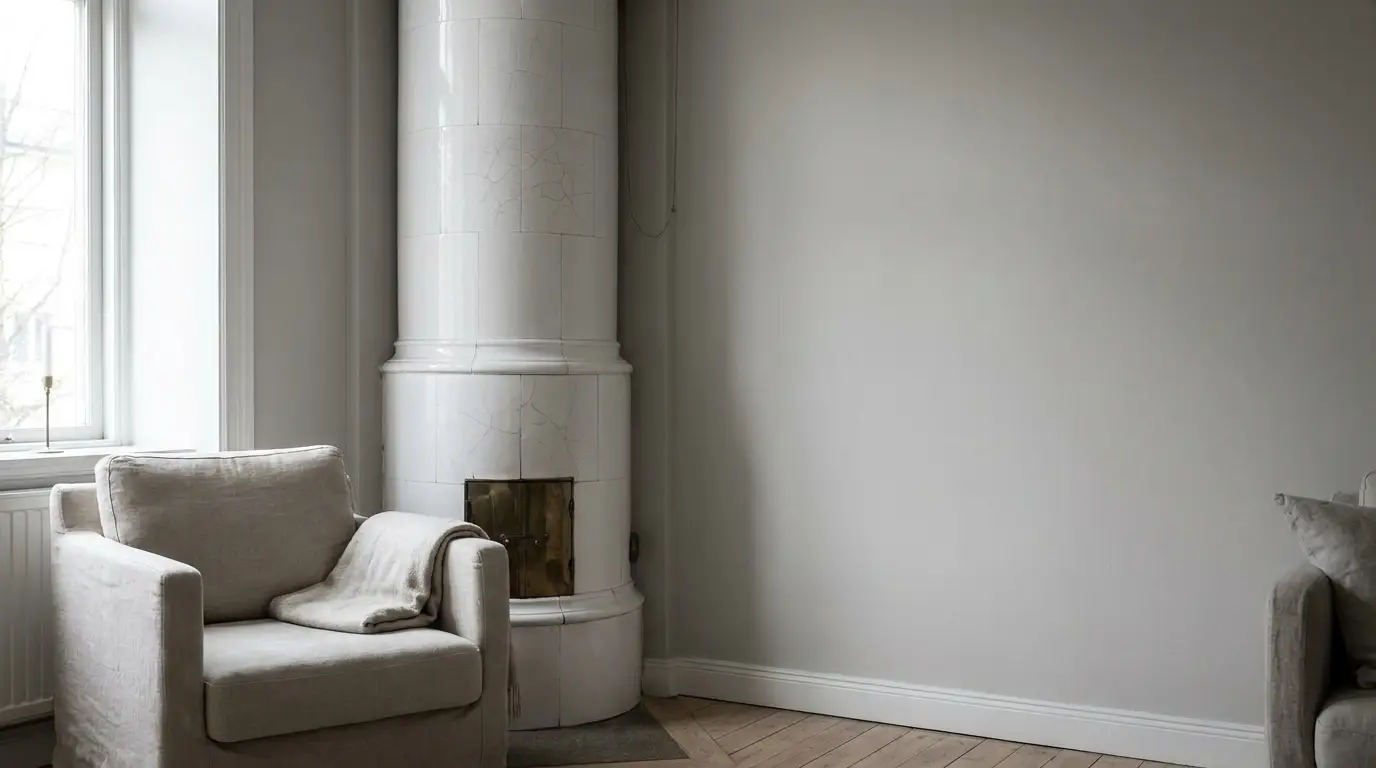
A tiled stove does not need elaborate decoration around it to make an impression. Begin by considering its shape, surface, and position within the room.
Photograph the space from the doorway and usual seating positions. This helps establish whether furniture currently competes with the stove or makes the arrangement feel unbalanced.
Try a restrained palette of supporting colours and textures. A patterned stove might suit quieter surroundings, while a simpler design could sit comfortably alongside more decorative furnishings. Use samples in the actual room rather than relying entirely on inspiration photographs.
Discuss Installation Before Finalising the Layout
A new installation involves questions beyond choosing a design. TBL’s service information identifies the building’s ability to support the stove, ventilation, and the chimney connection as planning considerations.
Bring a room sketch and photographs to early discussions. Explain how you expect to use the space and which existing features you hope to preserve.
Ask the appointed professional to explain the requirements for your particular property. Confirm what assessments and approvals are needed before committing to surrounding cabinetry, flooring, or other work that could restrict the proposed arrangement.
Build the Schedule Around the Actual Work
Restoration should be coordinated with the wider renovation rather than squeezed between unrelated tasks. Ask the contractor to outline the sequence and identify when surrounding decorating can proceed.
Clarify how dismantled components will be recorded and stored. Discuss access, protection of nearby surfaces, and responsibility for making good after the work.
Also establish when the stove may be used. The contractor should provide project-specific instructions about drying, inspections, and commissioning. Avoid assuming that a visually complete installation is immediately ready for its first fire.
Keep a Clear Record for Future Care
Once the project is complete, gather invoices, photographs, inspection records, and care instructions in one place. Record the contractor’s details and any agreed follow-up arrangements.
Ask how maintenance should be organised and whom to contact if something changes. Practical questions are easiest to resolve while the project team remains familiar with the work.
A tiled stove can become a lasting part of a room’s identity, but successful renovation starts with informed decisions. Professional assessment, a defined scope, and coordinated planning help homeowners understand what they are commissioning. With those foundations established, the decorative choices can follow naturally, allowing the finished feature to feel connected to both the building and everyday life. That combination gives the project a purpose beyond appearance and creates a clearer basis for caring for it over time.