

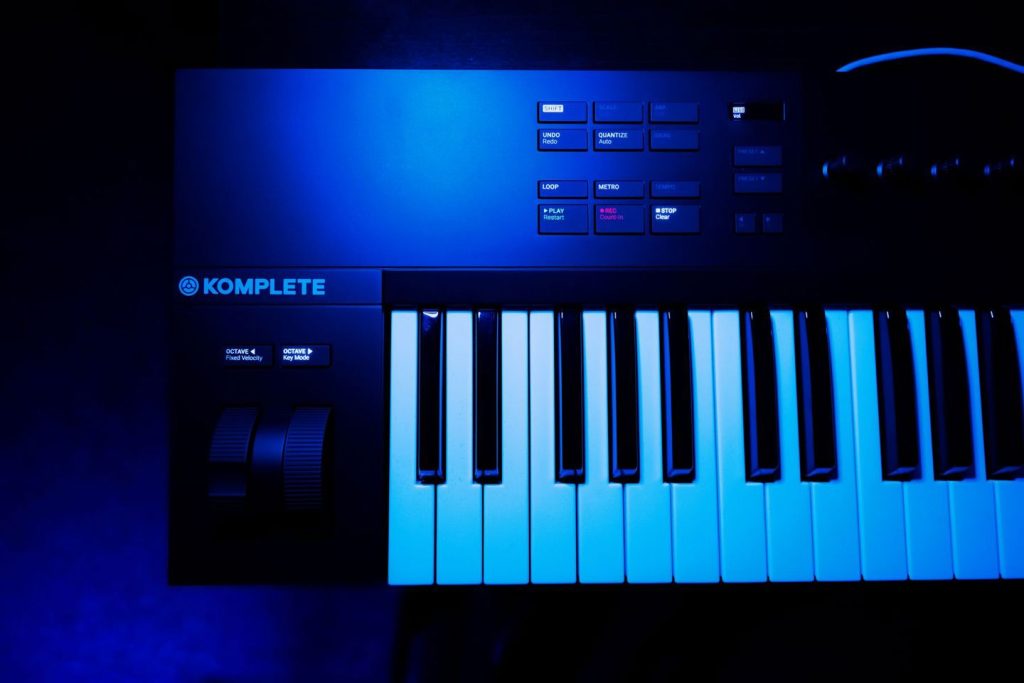
Some music asks for your full attention while other music gets roughly three seconds to tell you that something good has happened before you tap the screen again. Casual games are filled with tiny fanfares, escalating jingles and bright musical cues that players recognize instantly, even if they couldn’t hum them five minutes later.
Game audio doesn’t receive the same attention as a film score or a major console soundtrack, yet composing for a mobile game presents its own peculiar challenge. The music has to communicate quickly, survive repetition and stay cheerful after being heard for the hundredth time. Frankly, plenty of pop choruses have been asked to do less.
A Few Notes Have to Explain Everything
Short musical cues operate almost like punctuation. A bright upward phrase signals progress. A low note suggests disappointment. A sudden burst of percussion announces that an ordinary action has triggered something more interesting.
Players often understand those signals before they’ve consciously processed the screen. Sound tells you whether to celebrate, keep watching or prepare for the next action. Turning the volume off can make a familiar game feel oddly lifeless, even when every visual element remains exactly where it was.
Social casino games provide especially clear examples. Collections of free slots can move between fantasy, adventure, food, travel and retro themes within the same platform, with each game using its own music and effects. These are used as free-to-play entertainment, without real-money prizes based on gameplay, so much of its appeal rests on presentation, variety and the little bursts of ceremony surrounding an on-screen result.
The strongest cues don’t need an explanation. A player hears a rising sequence and knows something is building. The final note arrives alongside the visual reward, tying sound and animation together so neatly that either one feels incomplete without the other.
Repetition Is the Composer’s Uninvited Collaborator
A film cue may appear once during a two-hour story, but mobile game music can repeat every few seconds for months.
Repetition changes how a composer approaches even the smallest sound. A triumphant flourish that feels exciting on first listen may become unbearable by lunchtime if it’s too shrill, too long or too pleased with itself. The cue has to celebrate without behaving like it’s just won an award.
Variation helps. Several versions of a musical phrase can rotate according to the size or type of result. Small moments receive a restrained cue, while rarer events bring in fuller instrumentation or a longer melodic run. Players learn the hierarchy without needing a chart.
Background music requires similar restraint. A strong loop should return to its beginning without drawing attention to the join. Obvious endings can make players feel as though they’re listening to a 40-second track trapped in a washing machine. Subtle changes in percussion, harmony or instrumentation keep the loop moving while preserving the identity of the theme.
Composers also have to leave room for sound effects. Buttons, reels, coins, animated characters and feature announcements may all compete for the same sonic space. A dense backing track can turn the result into a cheerful pileup.
Silence Can Create More Suspense Than Noise
Music may drop away before a result is revealed, leaving only one repeated tone or a soft mechanical effect. The missing sound creates anticipation because your ear has grown accustomed to constant activity. When the full soundtrack returns, the contrast makes the payoff feel larger.
Producers have used the same idea for decades. A song often feels like a lot after a sparse verse or a half-second pause before the chorus. Volume alone can’t provide that impact so contrast does the heavy lifting.
Game composers work with much shorter windows, but the principle stays useful. Removing part of the arrangement can signal that the usual sequence has been interrupted. A single held note may be more effective than adding another five instruments and hoping enthusiasm will sort everything out.
Silence also prevents fatigue. Continuous celebration eventually stops feeling celebratory. Small pockets of calm allow the brighter cues to regain their effect. The timing has to be precise, though. A pause that lasts slightly too long may feel like the app has frozen. One that ends too quickly barely registers. Mobile audio design lives in those fractions of a second, where a tiny delay can produce suspense, confusion or an impatient second tap.
Themes Need More Than a Costume Change
Changing the artwork while keeping the same generic soundtrack can make themed games feel curiously hollow. A convincing theme needs musical choices that support its setting without reducing an entire culture or genre to one obvious instrument.
A retro-inspired game might use punchy electronic tones without copying a specific arcade soundtrack. A fantasy theme could lean on strings, bells or spacious vocals, while a city setting could use bass, brass or clipped percussion. The aim isn’t to produce a full concept album. It’s to establish a recognizable mood quickly.
Familiar references can help players understand a theme, but composers still need enough originality to keep the music from sounding like an imitation. That balance becomes harder when hundreds of games occupy the same platform. Every title needs an identity, yet all of them must feel comfortable inside one broader experience.
Character-based games introduce a challenge, as a mischievous animated figure shouldn’t be accompanied by music that sounds overly grand, while an adventurous theme can lose energy if its soundtrack remains too polite. Instrument choice, tempo and melodic shape give those characters personality before they’ve said anything.
Tiny Music Still Leaves a Mark
Most players won’t search for the composer behind a two-second game cue. They may not notice the key change, the altered instrumentation or the careful pause before a feature begins. Successful game audio often disappears into the experience so completely that people only recognize its contribution when it’s muted.
Such anonymity doesn’t make the craft insignificant. Short-form audio demands discipline. There’s no room for a long introduction, and very little time to establish mood. Every note has to arrive with a purpose.
The next time a casual game produces a perfect little fanfare, it’s worth listening closely. Somewhere behind that effortless three-second celebration sits a collection of careful choices about melody, timing, repetition and restraint. You may forget the tune shortly afterward, but press the same button tomorrow and your ears will know exactly what it means.