Children’s clothes used to live in their own world, with their own colors and their own idea of how a child ought to look: pastels, cartoon characters, little collars, and outfits that could only come from the children’s floor of a department store.
That world has mostly gone, because children’s clothes now come almost entirely from streetwear. So the drawers are full of oversized hoodies, graphic tees, joggers, and sneakers that matter more than anything else they own, in colors closer to black and gray than to mint and lemon.
It’s a shift worth following, because it changes what’s worth buying, what a child will flatly refuse to put on, and where the money needs to go.
Where the Look Came From
Streetwear grew up outside the fashion industry, in skate shops, music scenes, and basketball courts, which is exactly why it travels so easily to children.
None of it was designed to look formal or to flatter anybody. It was built loose, tough, and easy to move in, and that happens to be a better description of what a child needs from clothing than anything the children’s departments were making.
The rest comes down to exposure: children now see what older teenagers and adults wear all day long through siblings, screens, and whoever they happen to admire, and no child has ever wanted to be dressed like an adult.
What It Looks Like in a Child’s Wardrobe
Once you know what to look for, the pieces are easy to spot, and most are simpler than what they replaced.
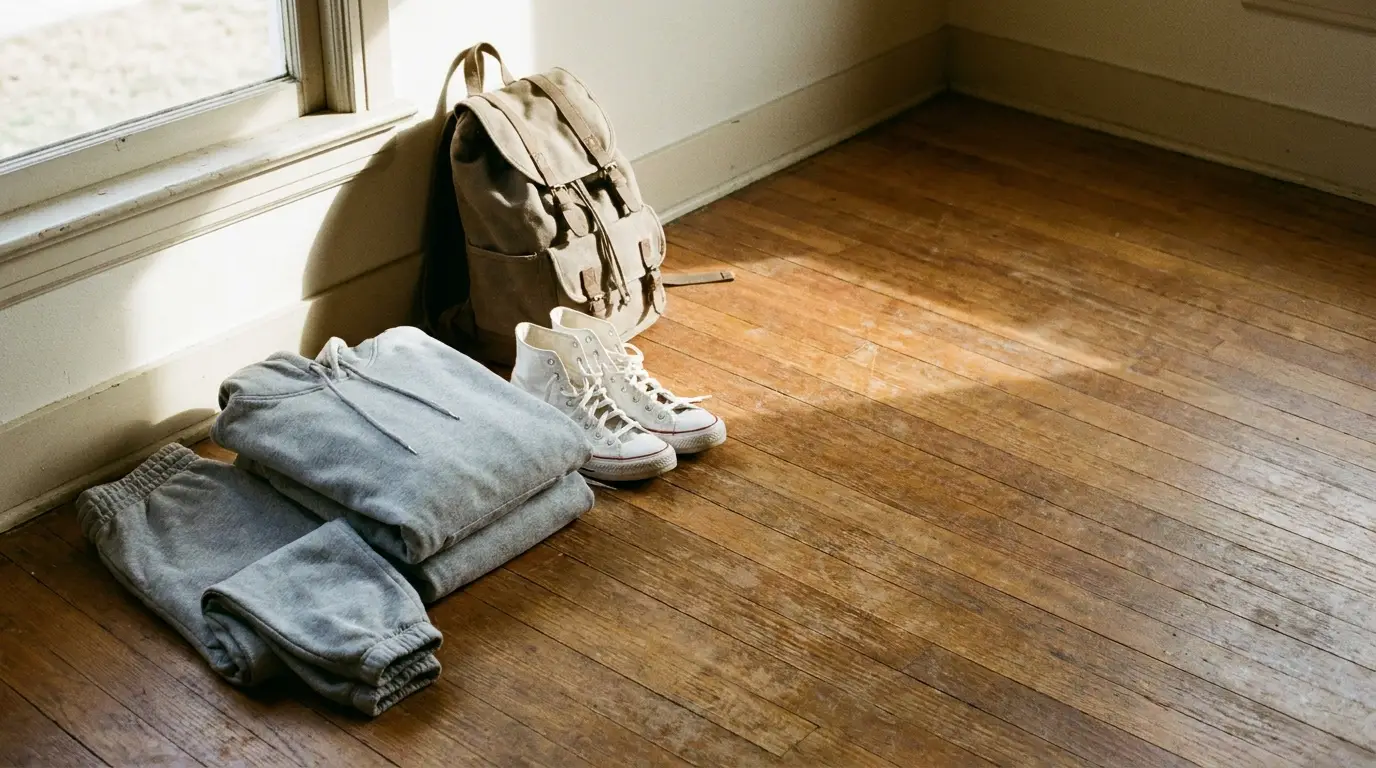
Oversized t-shirts and hoodies sit in the middle, worn long and loose rather than fitted. Joggers and cargo pants have pushed out jeans; caps and beanies show up in every season, and the palette stays neutral except for one louder piece thrown in.
Footwear plays a big role in bringing an outfit together, and classic styles like the toddler Air Force 1 have become popular for their versatility. White sneakers pair easily with everything from jeans and joggers to more dressed-up outfits, making them a practical choice for everyday wear. Accessories are becoming just as important, with backpacks and crossbody bags adding personality while still being useful for school, outings, and daily activities.
Why Most Parents Have Stopped Minding
A trend driven entirely by what children want is usually bad news for whoever pays for it, and this one has turned out better than that.
The clothes are comfortable, which quietly removes a whole category of morning argument, and the loose fits ride out a growth spurt, so a hoodie bought in September often still works the following summer. Almost everything goes in the machine and survives a hot wash, and because the plain pieces all mix, a smaller wardrobe covers more days of the week.
Unisex sizing is the other quiet win, since a hoodie or a pair of joggers passes down to a younger sibling of either gender and nobody says a word about it.
Where Kids Get to Make the Call
The best thing about this shift is that children are finally choosing their own clothes rather than being dressed in somebody else’s idea of childhood.
Streetwear is built from plain pieces, so the choices are small and entirely theirs. Whether the hoodie is black or gray, whether socks go high or low, which cap gets worn, and what the one loud piece in the outfit is are all decisions a seven-year-old can make without getting anything wrong.
Children also care for these clothes in a way no school sweater ever has. Sneakers get cleaned, laces get swapped, the good hoodie gets hung up on purpose, and parents who spent years asking for clothes to be picked up off the floor tend to find that part quietly remarkable.
There’s a social side to it as well, since a brand, a colorway or a pair of shoes gives children something to talk about with each other. It works as a shared language in the playground, and a child who feels part of something is usually happier walking in through the gate.
How to Shop for It Without Overspending
The good news is that this is a cheap look to assemble, as long as the money lands in the right places.
Put it in the shoes and the outerwear, since those get worn daily and have to work, then keep the rest plain. Three or four solid T-shirts, two hoodies, and a couple of pairs of joggers will cover a whole week, and not one of them needs a logo across the chest.
Buy last season’s colorway instead of the new release, because it costs a fraction and looks nearly identical. Shop secondhand in the sizes children tear through fastest, as streetwear basics turn up barely worn, and sell the recognizable pieces once they’re outgrown, since those hold their value better than anything else in a child’s closet.
What It Says About Children’s Clothing Now
Under all the aesthetics, children’s clothes are finally being made for children’s lives.
The old formal look was built around how adults wanted children to appear in photographs. Streetwear is built for running, climbing, sitting on the floor, and getting filthy, which is how children spend their days whether the clothes allow for it or not.
That’s probably why it has outlasted every children’s trend for decades, and why the parents who complained about oversized hoodies two years ago have quietly realized they’d rather wear a shirt that doesn’t need ironing.