Spider-Man’s screen history spans five Live-action films, three MCU sequels, two animated Spider-Verse movies, and a Handful of Sony spinoffs, each one adding to an already massive rogues’ Gallery.
That includes the Raimi trilogy, the Amazing Spider-Man films, the MCU trilogy, Into the Spider-Verse, Across the Spider-Verse, Brand New Day, and Sony’s Venom and Morbius films.
This blog covers every Spider-Man villainwho has appeared across that History, organized by the movie they debuted in.
What Makes Great Spider-Man Villains?
Great Spider-Man villains share a personal connection to Peter Parker, whether through science, tragedy, or a shared sense of loss.
This link raises the stakes beyond simple destruction and makes the fight feel personal.
Visual design and performance matter just as much. A strong actor can turn a rubber suit or CGI creature into a character audiences remember long after the credits roll.
The best villains also mirror Spider-Man in some way.
They reflect what Peter could become under different circumstances, which gives the story more depth than a typical hero-versus-menace plot.
The Sam Raimi Trilogy (2002–2007)
Sam Raimi’s trilogy set the template for Spider-Man villains, pairing each one with a personal tragedy tied to Peter Parker, from Green Goblin’s mentorship gone wrong to Venom’s betrayal.
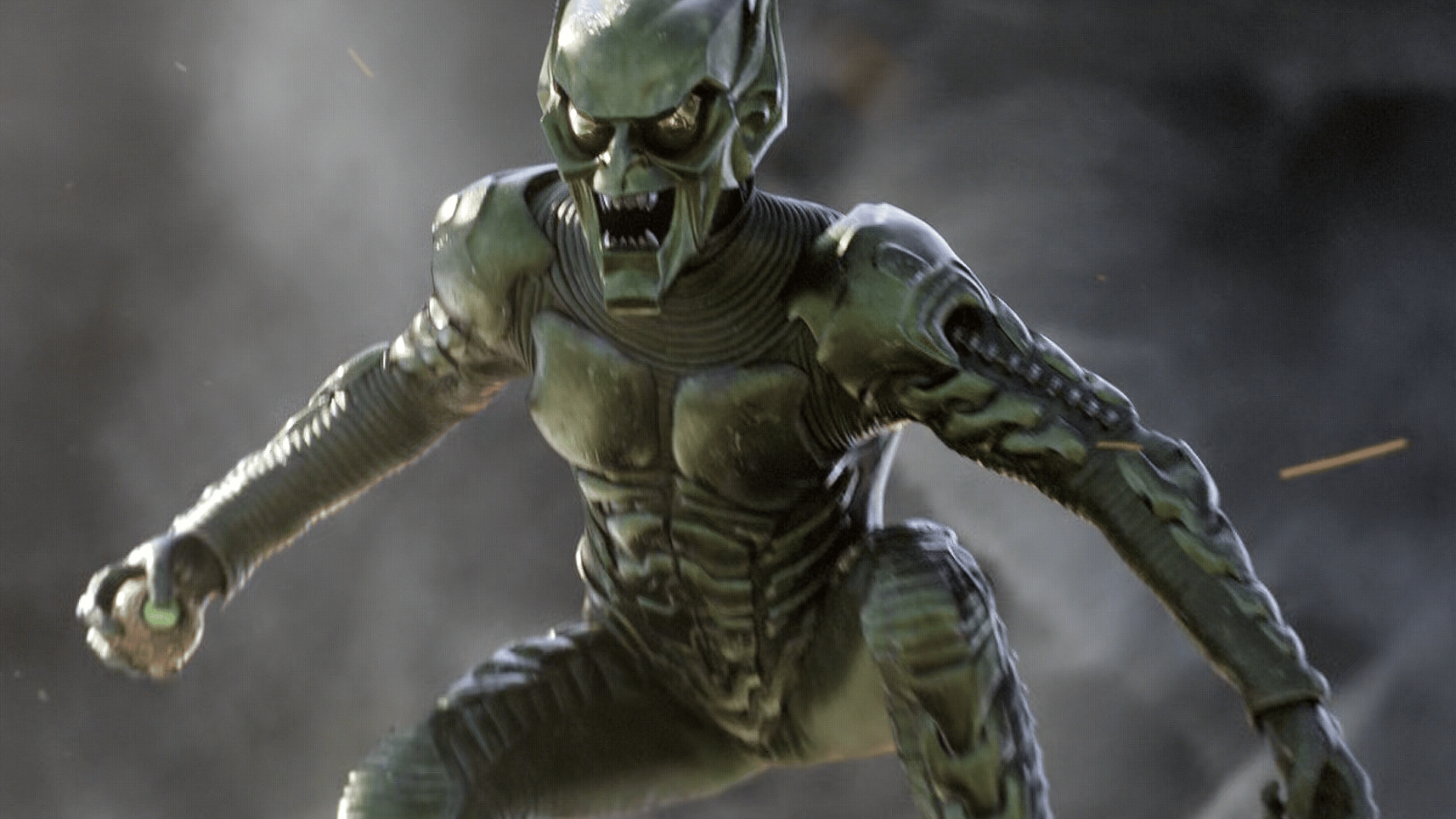
1. Green Goblin
Sources: Disney Wiki
Norman Osborn takes an untested formula in the original Spider-Man, splitting his mind between a caring scientist and a violent alter ego.
Willem Dafoe returns to the role in No Way Home, bringing the same unpredictable intensity that defined the character from the start.
- Powers: Combat glider, pumpkin bombs, and superhuman strength
- Significance: The franchise’s original villain and still its most enduring one
- Legacy: The only villain to appear as a genuine physical threat in two separate decades of films
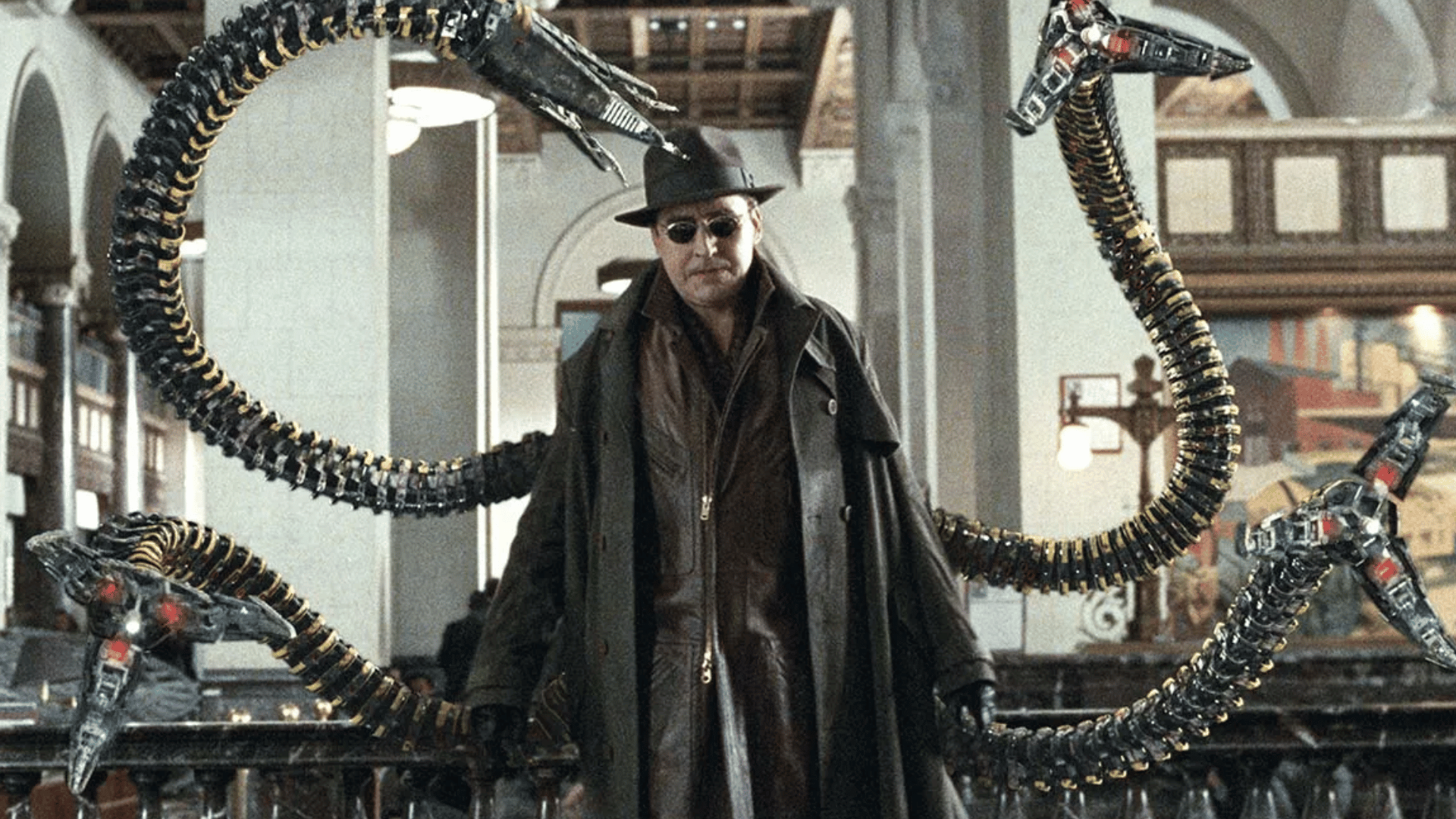
2. Doctor Octopus
Sources: The Hollywood Reporter
Otto Octavius loses control of AI-driven mechanical arms during a failed experiment in Spider-Man 2, then returns from another reality in No Way Home.
Alfred Molina brings both menace and heartbreak to the role across two decades.
- Powers: Four sentient robotic arms with immense strength
- Significance: Widely considered the standard other Spider-Man villains get measured against
- Redemption: Cured of his mechanical arms’ influence by Peter in both films, nearly 20 years apart
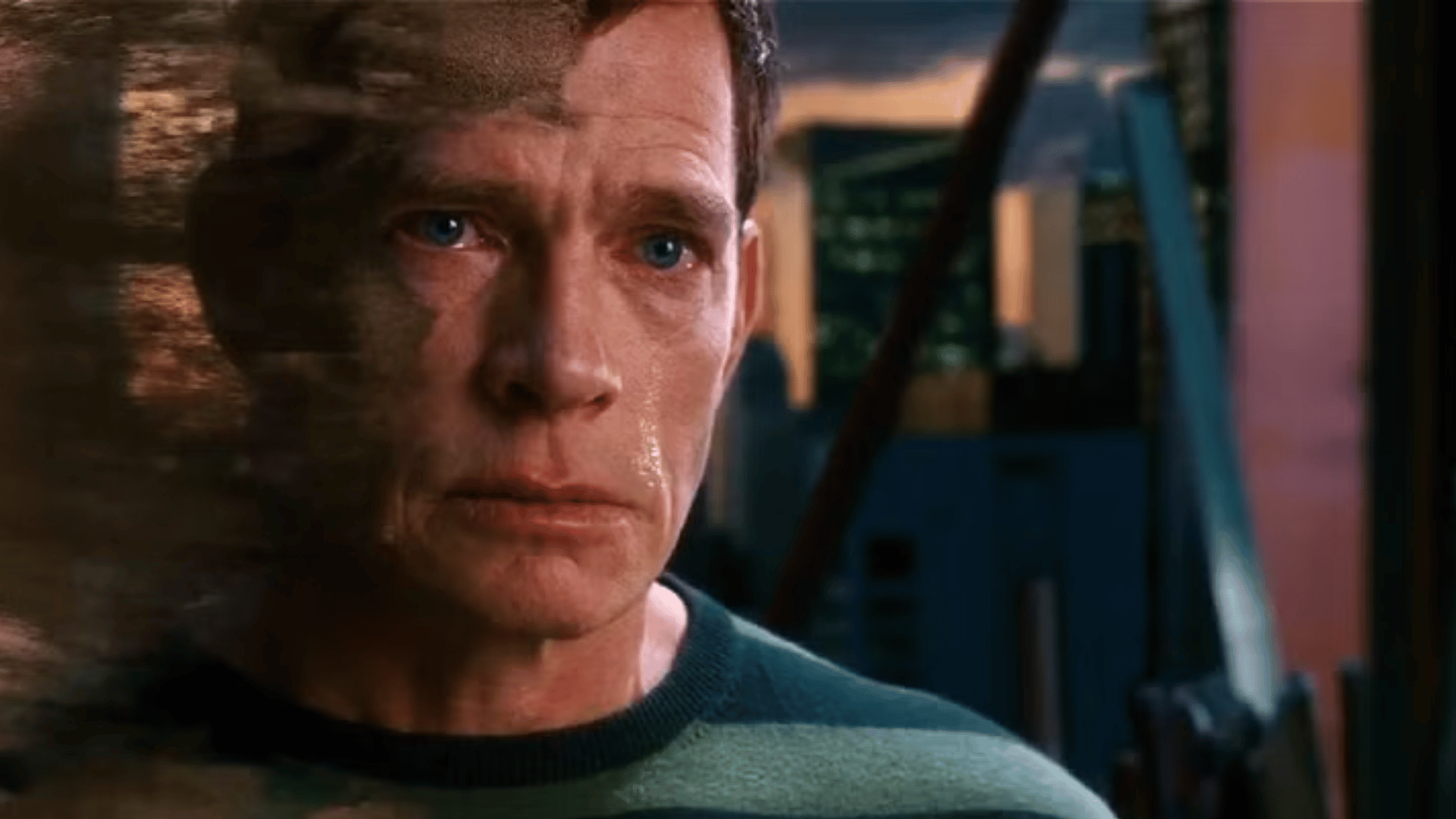
3. Sandman
Sources: ScreenRant
Flint Marko turns into a shapeshifting sand creature after falling into a particle accelerator while trying to fund his daughter’s medical care in Spider-Man 3.
Thomas Haden Church makes Marko sympathetic, and his reconciliation with Peter in No Way Home gives the character a satisfying second chapter.
- Powers: Full-body sand manipulation and shapeshifting
- Significance: One of the few Spider-Man villains built entirely on empathy
- Return: One of the only Spider-Man 3 villains to get closure years later
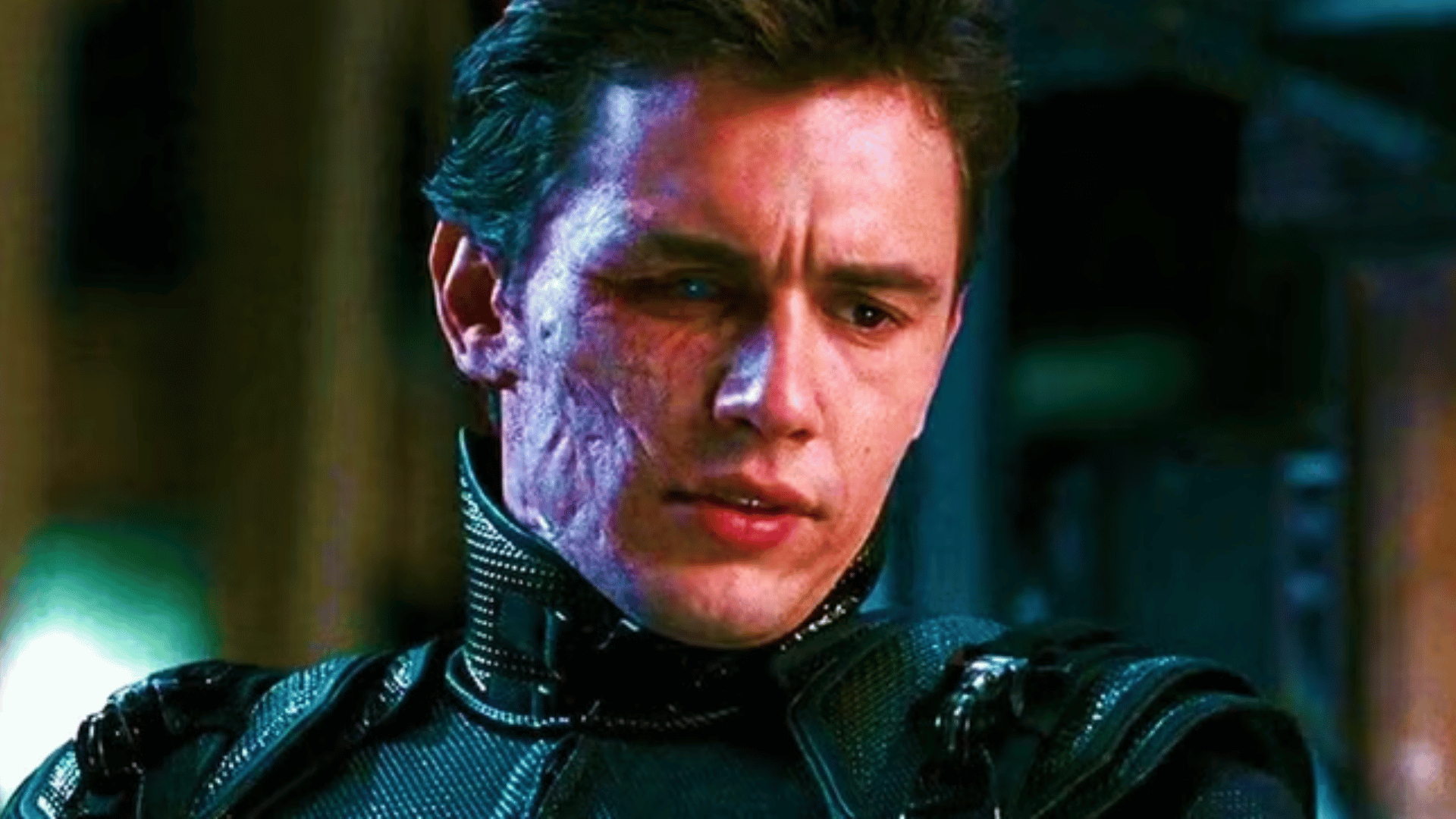
4. New Goblin
Sources: Screenrant
Harry Osborn takes up his father’s Goblin gear in Spider-Man 3, driven by revenge after learning who he believes killed Norman Osborn.
James Franco brings real emotion to the role, but a rushed amnesia subplot undercuts the character’s arc before it fully lands.
- Powers: Glider, energy blades, and enhanced strength from the Goblin formula
- Significance: Strong emotional stakes weakened by messy plotting
- Legacy: His friendship with Peter gives the film its most personal conflict
5. Venom (Topher Grace)
Sources: Screenrant
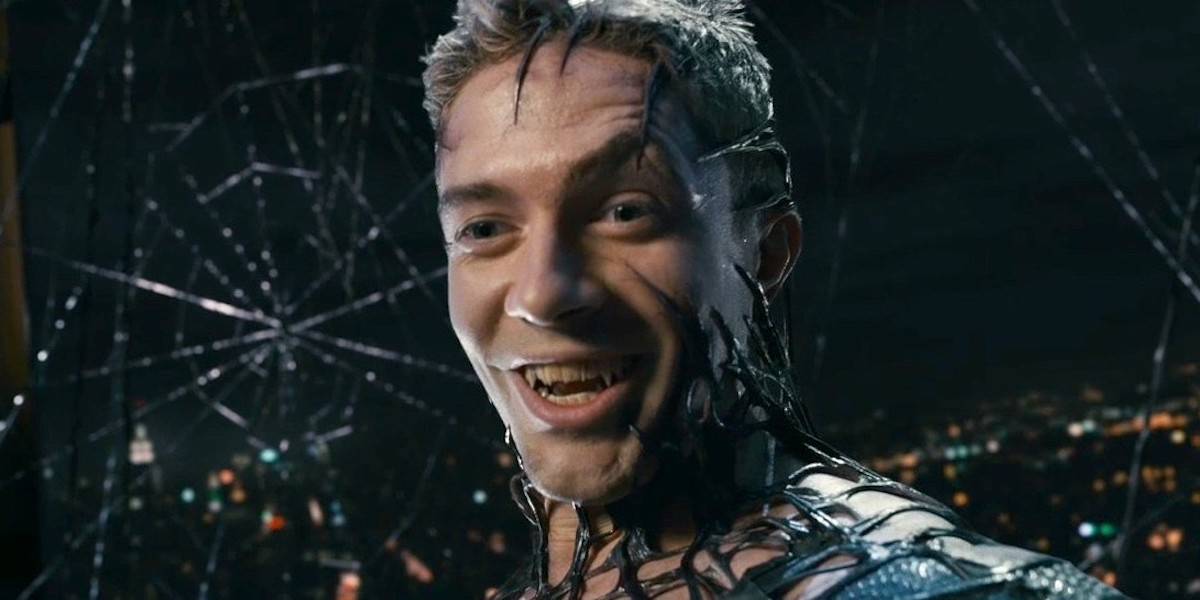
Eddie Brock bonds with the alien symbiote after feeling humiliated by Peter Parker in Spider-Man 3, gaining powers that mirror Spider-Man’s own abilities.
The character is rushed into the film’s already crowded final act, leaving little room for a real arc.
- Powers: Symbiote strength, agility, and web generation
- Significance: A strong concept crammed into too little screen time
- Later revival: Recast entirely for Sony’s separate Venom trilogy
The Amazing Spider-Man Duology (2012–2014)
The reboot leaned into CGI-heavy transformations, turning Lizard, Electro, and Rhino into large-scale creatures rather than grounded threats, trading Raimi’s personal tragedy for spectacle-driven battles.
6. Lizard
Sources: Collider
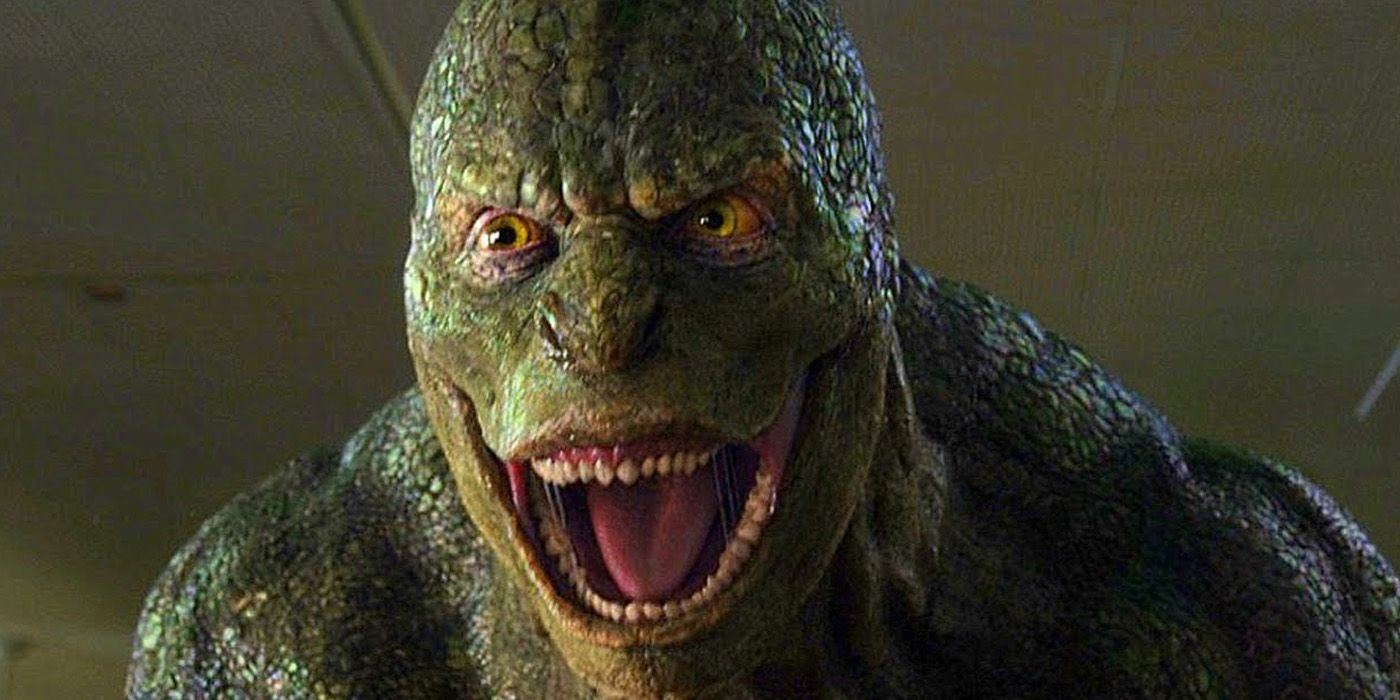
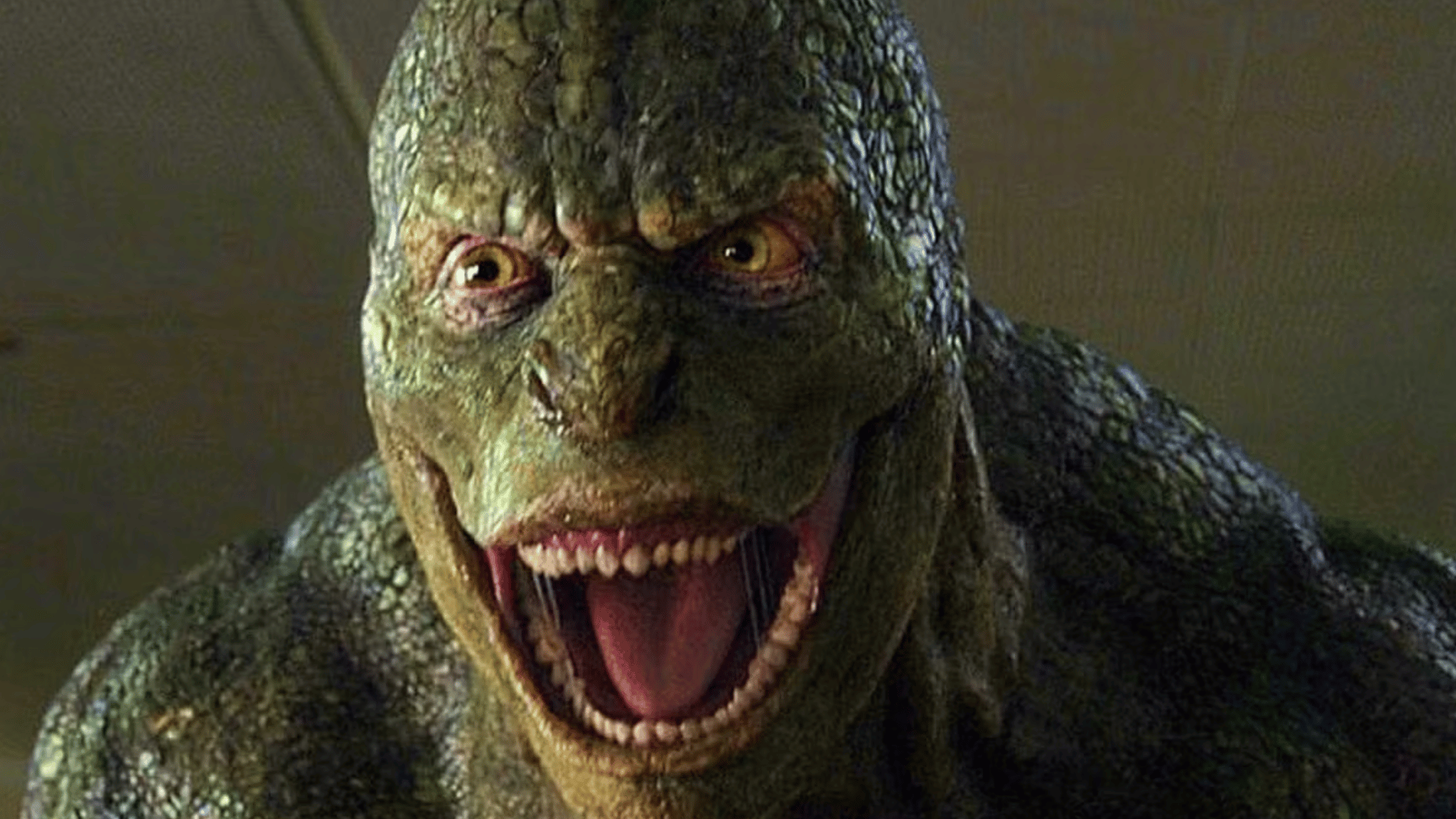
Dr. Curt Connors injects himself with reptile DNA in The Amazing Spider-Man, hoping to regrow his missing arm, and instead transforms into a giant reptilian creature.
Rhys Ifans plays the scientist’s guilt well, though the final act leans too heavily on generic monster-movie action.
- Powers: Enhanced strength, regeneration, and reptilian senses
- Significance: A solid tragic setup that fades into a standard creature feature
- Motivation: Wants to spread his mutation citywide, believing it cures weakness
7. Electro
Sources: Who’s Who
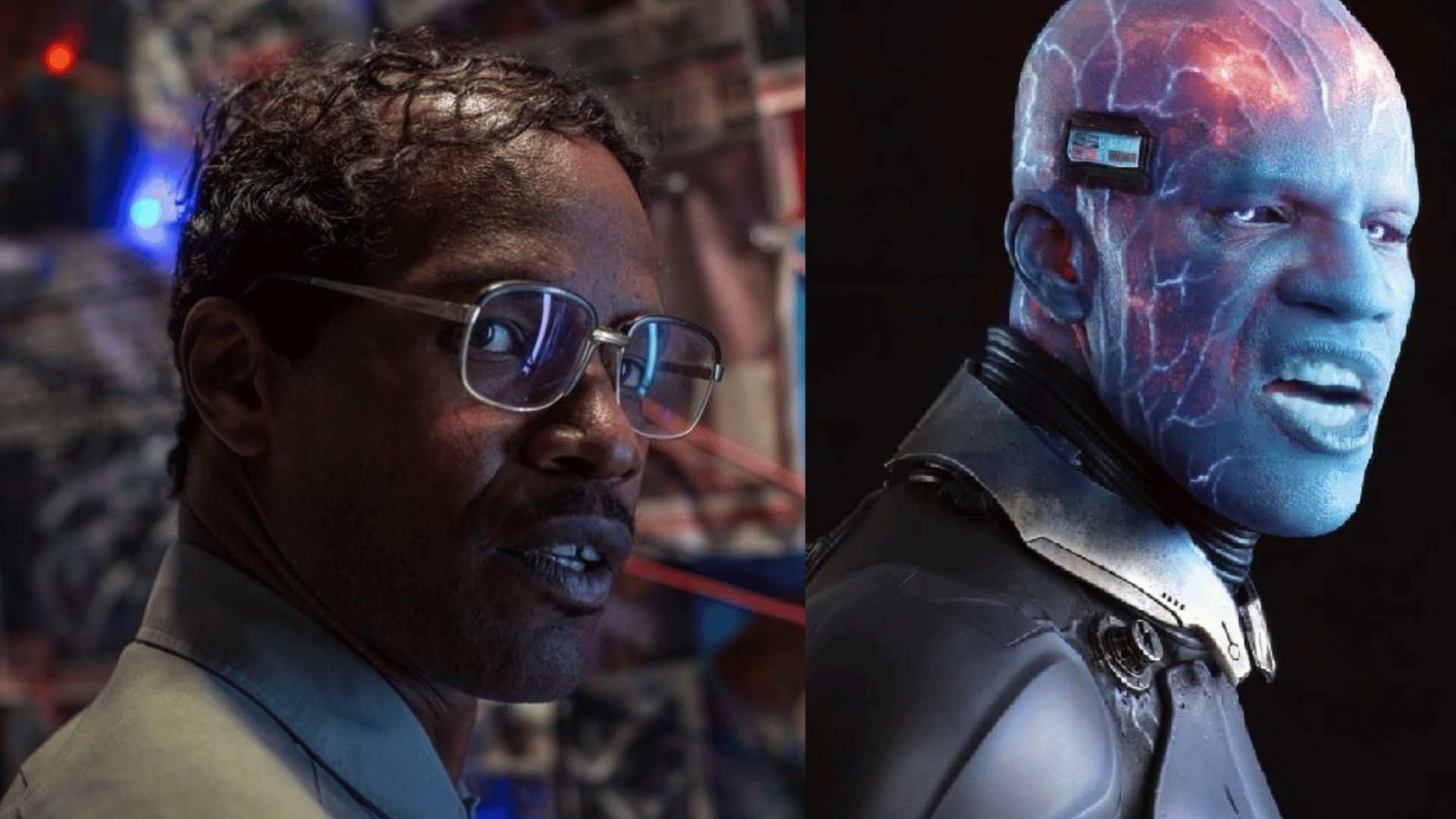
Max Dillon gains electrical powers after a lab accident in The Amazing Spider-Man 2, then returns from another universe in No Way Home.
Jamie Foxx gets far more screen time in the sequel, though the character still never becomes a fully compelling threat.
- Powers: Electricity generation, absorption, and energy blasts
- Significance: A flashy power set that never gets matched by a strong motive
- Multiverse role: One of five villains pulled together for No Way Home’s climax
8. Rhino
Sources: Screenrant
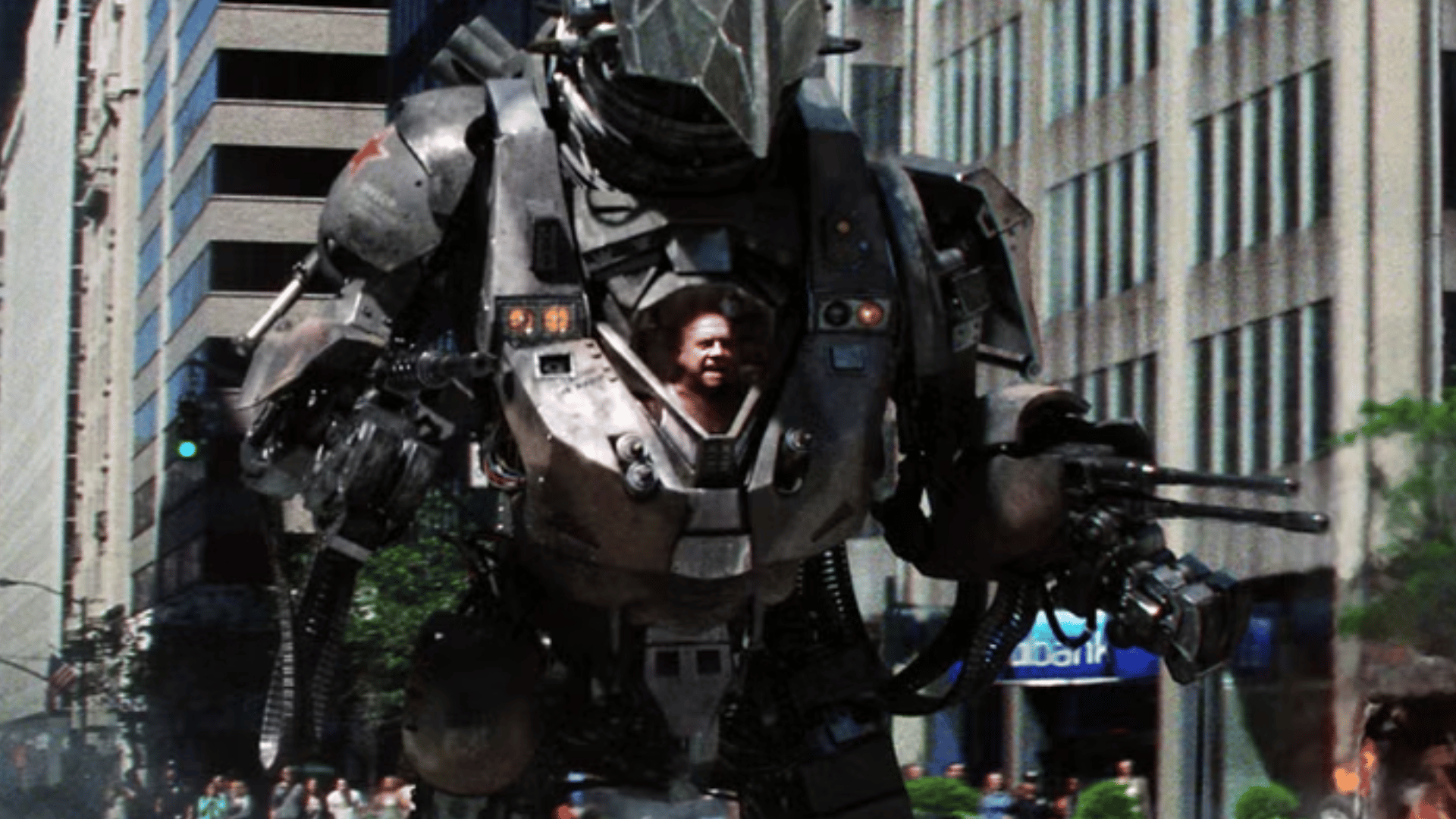
Aleksei Sytsevich appears briefly in The Amazing Spider-Man 2, piloting a mechanized battle suit after years as a low-level enforcer.
Paul Giamatti plays him for comic relief rather than genuine menace, and the character exits the film almost as fast as he arrives.
- Powers: Powered exosuit with brute strength and heavy armor
- Significance: Functions as a quick action beat, not a real threat
- Screen time: Appears only in the film’s opening and closing scenes
The MCU Trilogy (2017–2021)
Homecoming, Far From Home, and No Way Home shifted villains toward street-level motivations and multiverse crossovers, giving Spider-Man his most personally connected rogues’ gallery yet.
9. Vulture
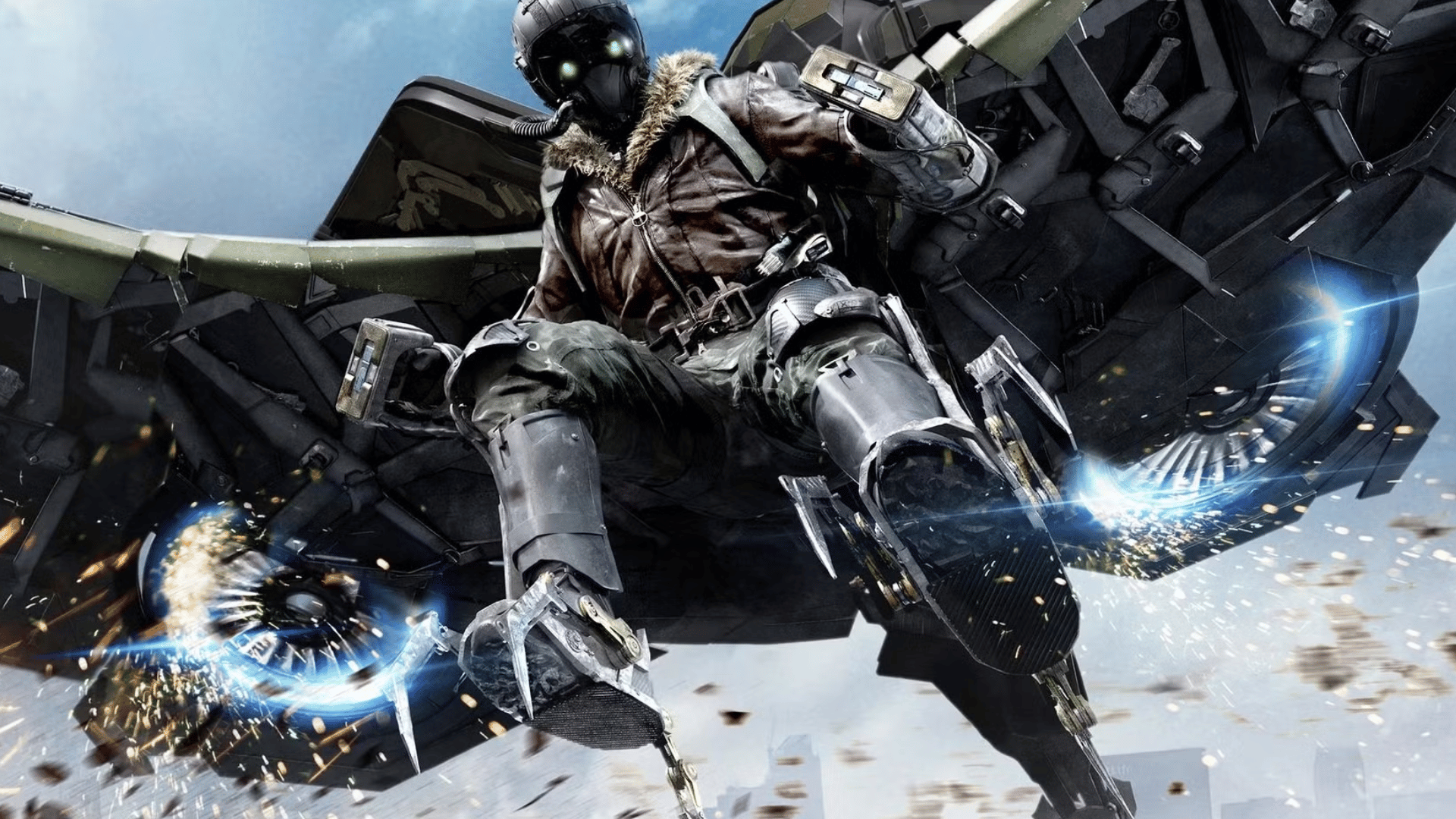
Sources: Movieweb
Adrian Toomes builds a black-market weapons business using salvaged alien technology in Homecoming, only for his daughter’s boyfriend to turn out to be Spider-Man.
Michael Keaton plays Toomes as a working-class family man first, which makes his violence land harder.
- Powers: Winged flight suit with enhanced strength and weaponry
- Significance: Grounded motivation that reframed what a Spider-Man villain could be
- Twist: His warning to Peter in the film’s final scene remains one of the MCU’s tensest moments
10. Shocker
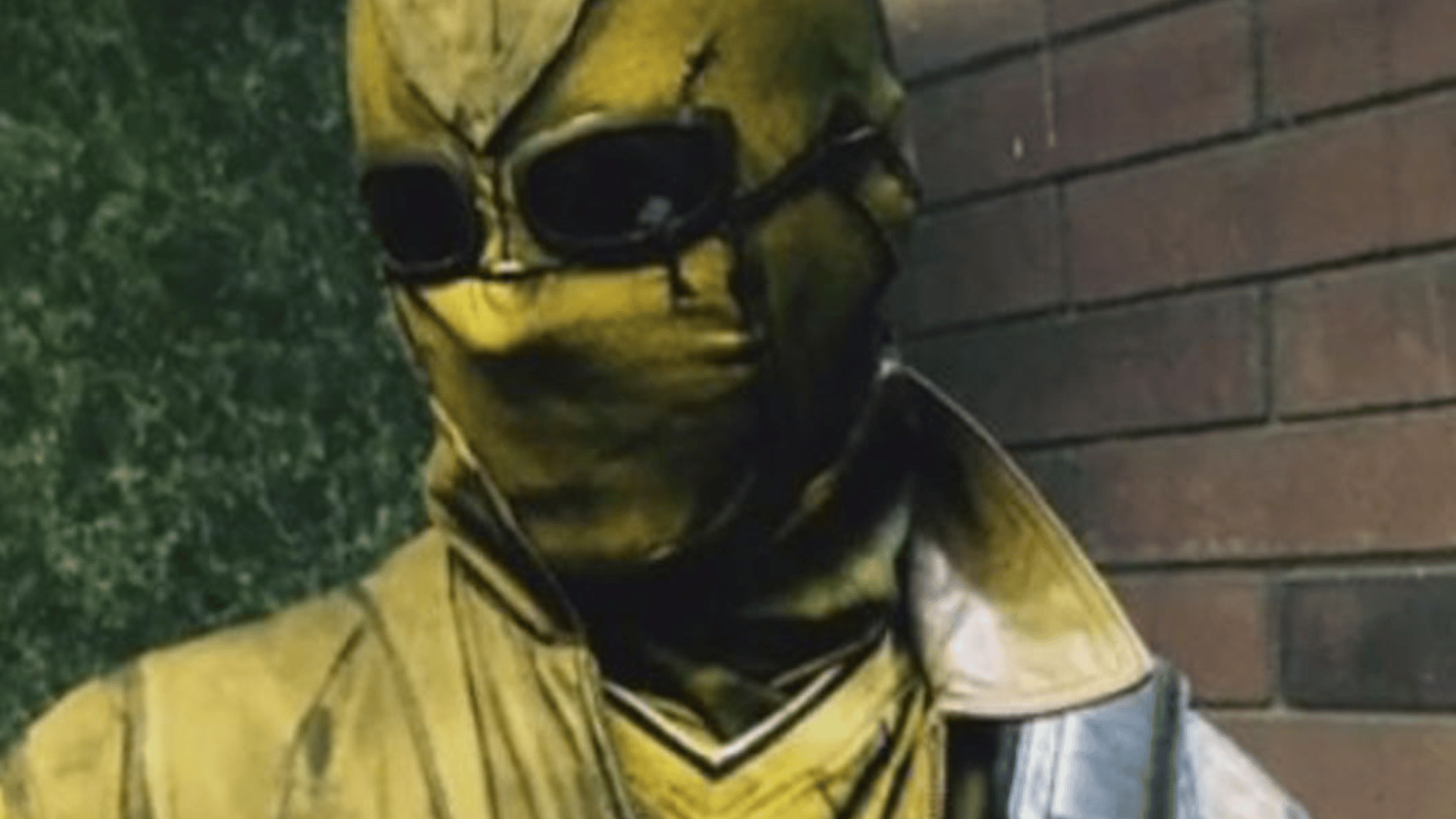
Sources: Gamesradar
Herman Schultz operates as a low-level arms dealer with a vibration-based weapon in Homecoming, working alongside Vulture’s crew rather than leading his own scheme.
Bokeem Woodbine plays him with a quiet, functional menace, though the character stays mostly in a supporting role throughout the film.
- Powers: Gauntlets that fire concussive vibration blasts
- Significance: A classic comic villain reduced to a background enforcer
- Fate: Left behind and arrested when Vulture’s heist falls apart
11. Tinkerer
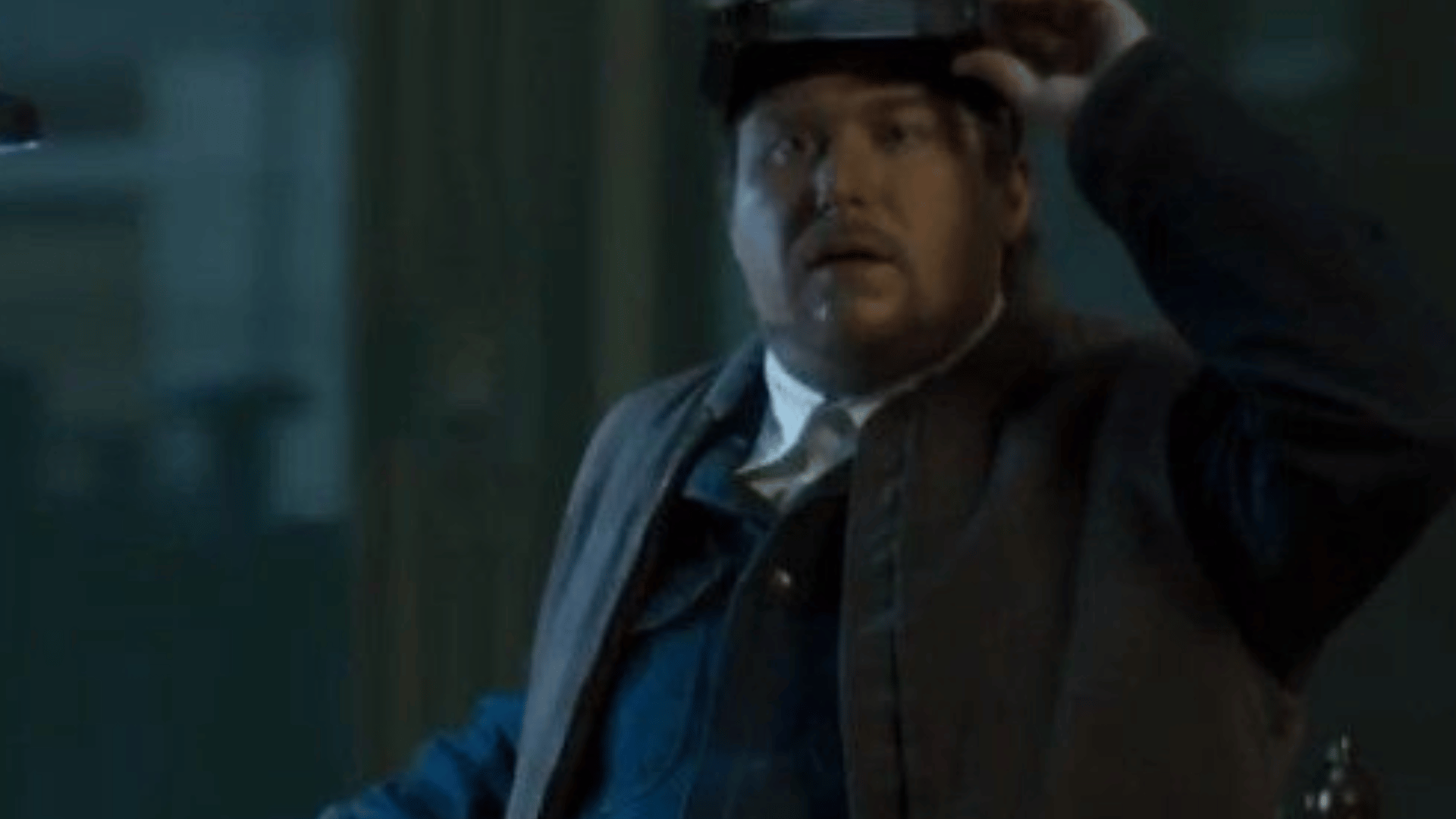
Sources: Pinterest
Phineas Mason supplies Vulture’s crew with repurposed alien technology in Homecoming, working from a hidden shop that doubles as a weapons lab.
Michael Chernus plays him as a nervous, practical operator rather than a physical threat, giving the film’s criminal underworld a technical backbone.
- Powers: No powers of his own; builds and modifies weapons for other villains
- Significance: Provides the mechanical explanation for how street-level criminals access alien tech
- Role: Arrested alongside Shocker when Vulture’s operation collapses
12. Mysterio
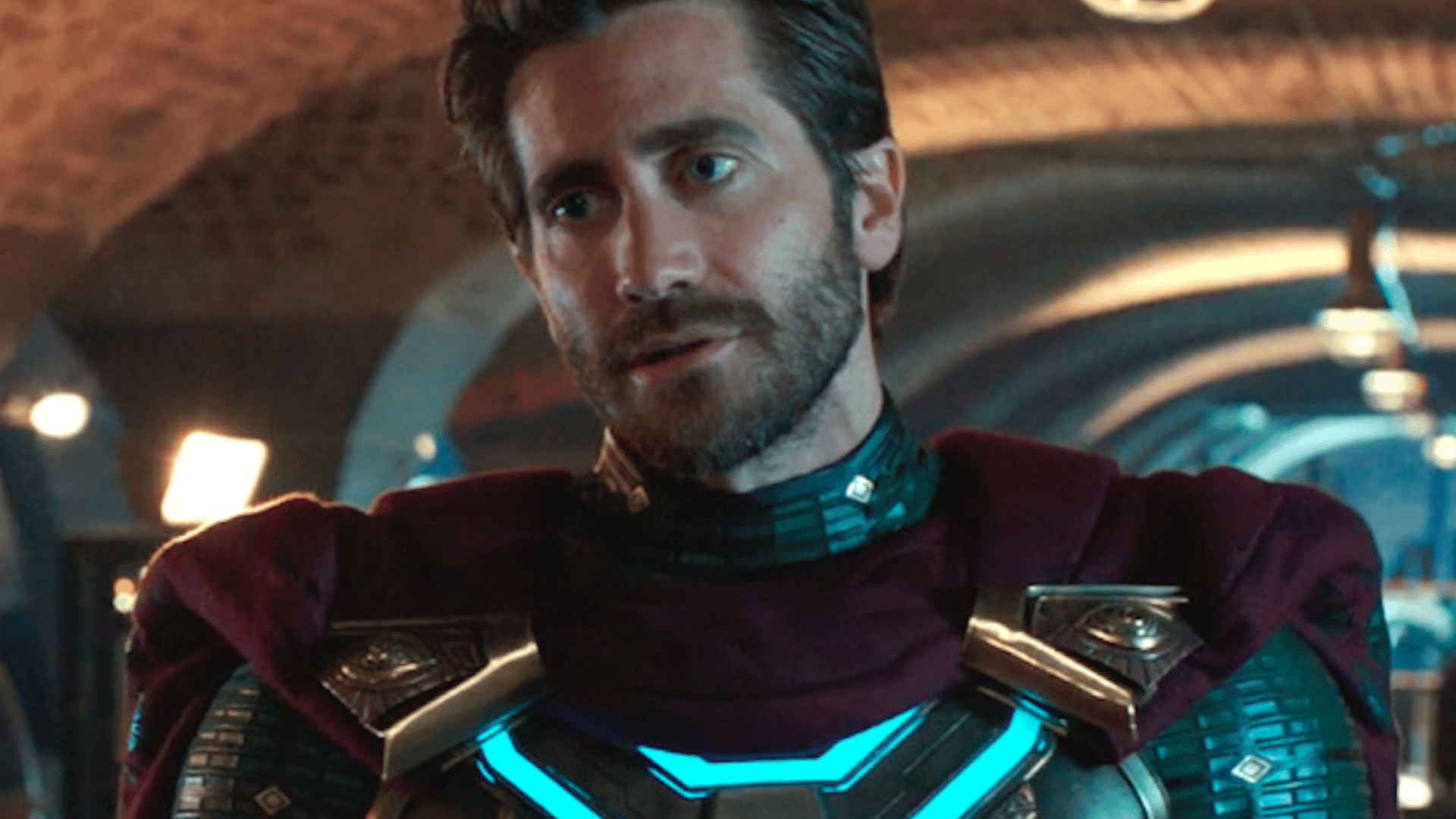
Sources: Yahoo
Quentin Beck fakes a heroic identity using illusion technology in Far From Home, manipulating Peter Parker’s trust before exposing his secret identity to the world.
Jake Gyllenhaal plays the deception with real charm, making the betrayal sting more.
- Powers: Holographic illusions, drone-based effects, and tactical deception
- Significance: A villain whose damage outlasts the film itself
- Ripple effect: His identity reveal directly triggers the plot of No Way Home
Spider-Man: No Way Home (2021)
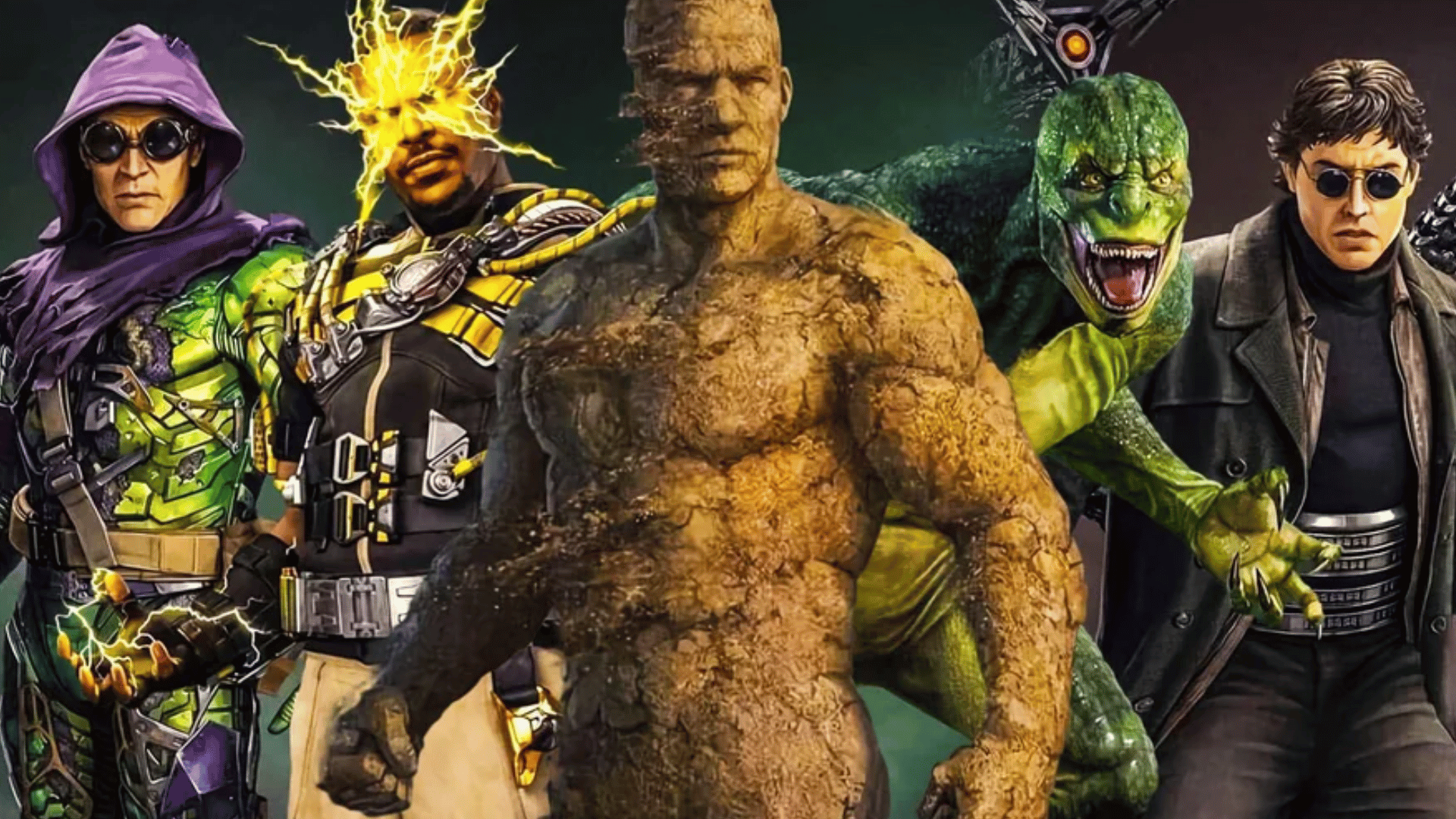
Sources: Reddit
Green Goblin, Doctor Octopus, Sandman, Lizard, and Electro return from their original universes, giving each villain a shot at redemption or closure their own films never provided.
This crossover works because it treats every villain’s return as a continuation of an unfinished story, not a fresh introduction. Sandman and Electro both get cured and sent home peacefully.
Doc Ock regains his humanity before dying, and Green Goblin remains the one villain who resists change entirely, dying in the same way he did in 2002.
- Significance: The first live-action film to unite villains from three separate Spider-Man franchises
- Reunion angle: Focuses on redemption arcs rather than introducing new threats
- Legacy tie-in: Closes storylines left open since 2004, 2007, and 2014
Spider-Verse Duology (2018–2023)
Into the Spider-Verse and Across the Spider-Verse used animation to stack villains from multiple universes into a single story, trading live-action grounding for multiversal scale.
13. Kingpin
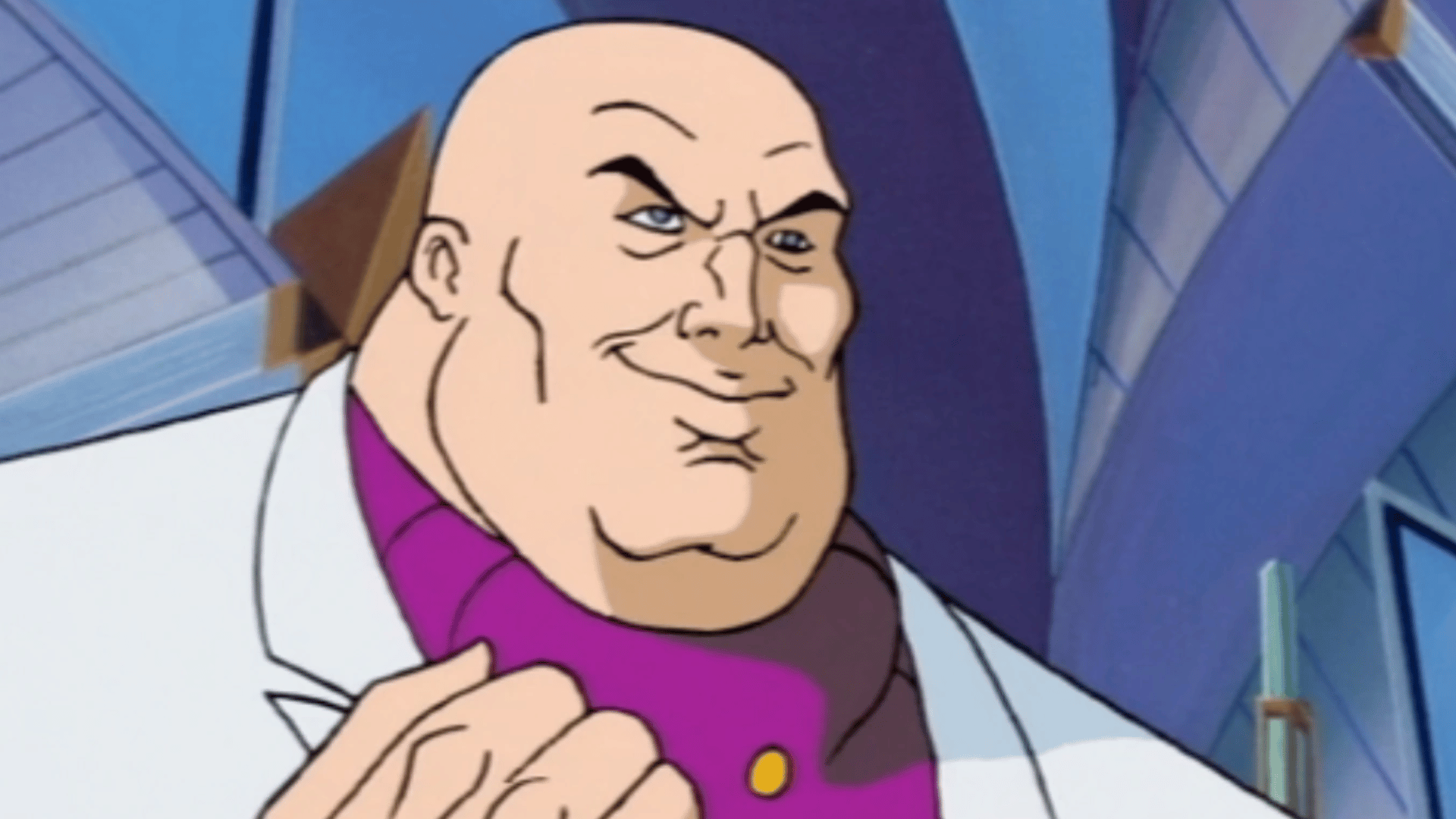
Sources: Villains Wiki
Wilson Fisk controls New York’s criminal underworld and builds a machine capable of tearing open the multiverse in Into the Spider-Verse.
- Powers: Superhuman strength and near-total criminal influence
- Significance: A personal tragedy driving a multiverse-scale threat
- Design: His towering, exaggerated frame became one of the film’s signature visual choices
14. Prowler
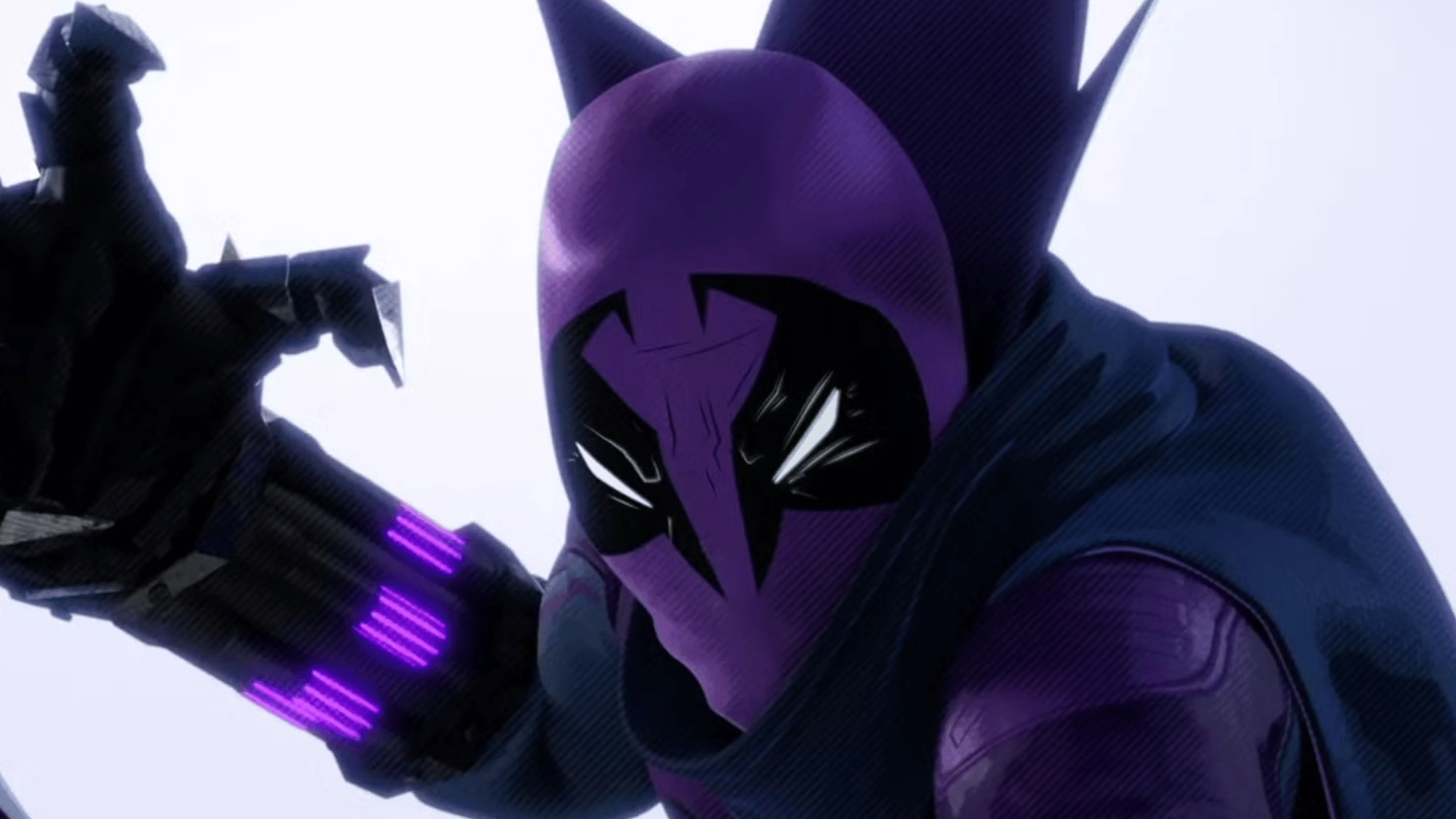
Sources: Polygon
Aaron Davis operates as a high-tech thief in Into the Spider-Verse, working for Kingpin while secretly being Miles Morales’s uncle.
The film uses him as a bridge between villain and family member, giving Miles’s story its most personal stakes.
- Powers: Stealth suit with retractable claws and enhanced agility
- Significance: One of the few Spider-Man villains defined by a hero’s own bloodline
- Arc: Dies protecting Miles’s identity, reframing him as tragic rather than purely villainous
15. Spot
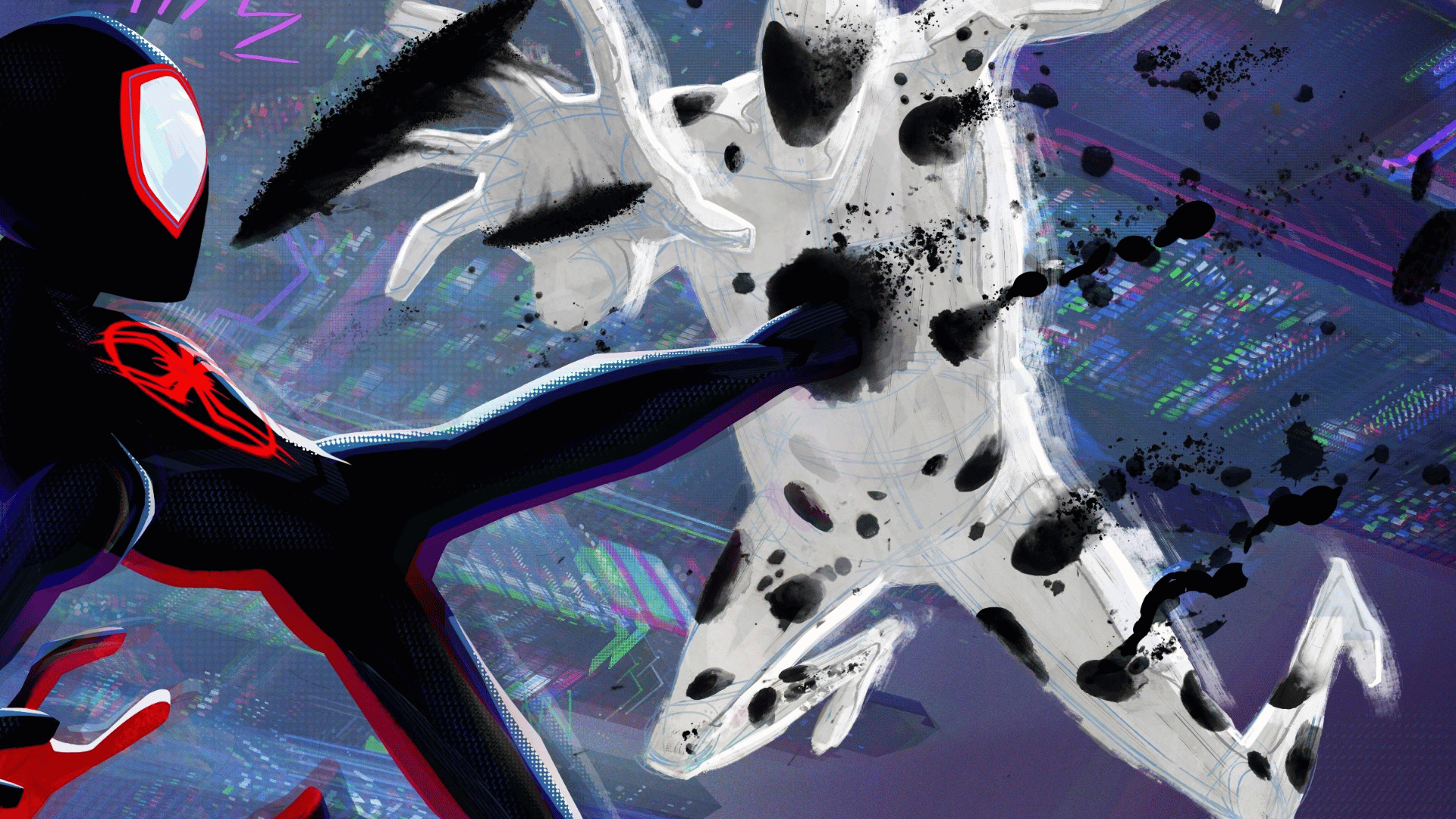
Sources: Radio Times
Jonathan Ohnn gains the ability to create portals through his own body in Across the Spider-Verse, after a lab accident tied to Miles Morales’s earlier battle with Kingpin’s collider.
Jason Schwartzman voices him with dark comedic energy, playing a villain who starts as a joke before revealing a genuinely dangerous power set.
- Powers: Portal generation through spots on his body, allowing instant multiverse travel
- Significance: The film’s main antagonist and a direct link back to Into the Spider-Verse
- Motivation: Blames Miles for his transformation and seeks revenge across universes
Spider-Man: Brand New Day (2026)
The latest MCU entry pulls from Spider-Man’s street-level rogues’ gallery, giving two long-teased comic villains their live-action debut and a delayed rematch.
16. Tombstone
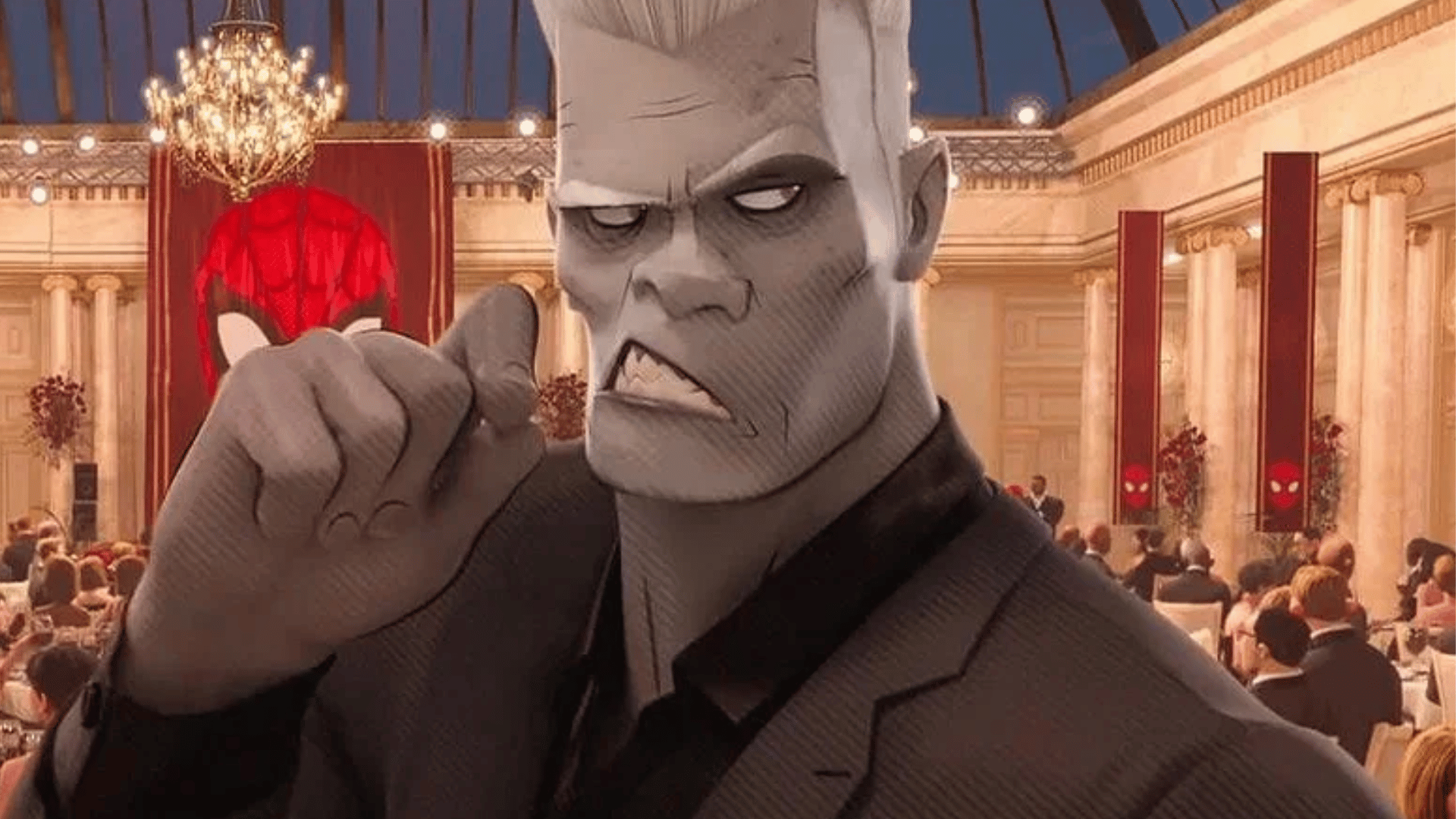
Sources: The Direct
Lonnie Lincoln first appeared as an animated crime boss in Into the Spider-Verse before Marvin Jones III reprised him in live action for Brand New Day.
The character gets little screen time in either film, staying mostly in the background of the criminal underworld.
- Powers: Superhuman strength and near-indestructible skin (comics version)
- Significance: A recognizable name whose live-action debut still feels underused
- Casting note: Jones III is set to voice the character again in Beyond the Spider-Verse
17. Scorpion
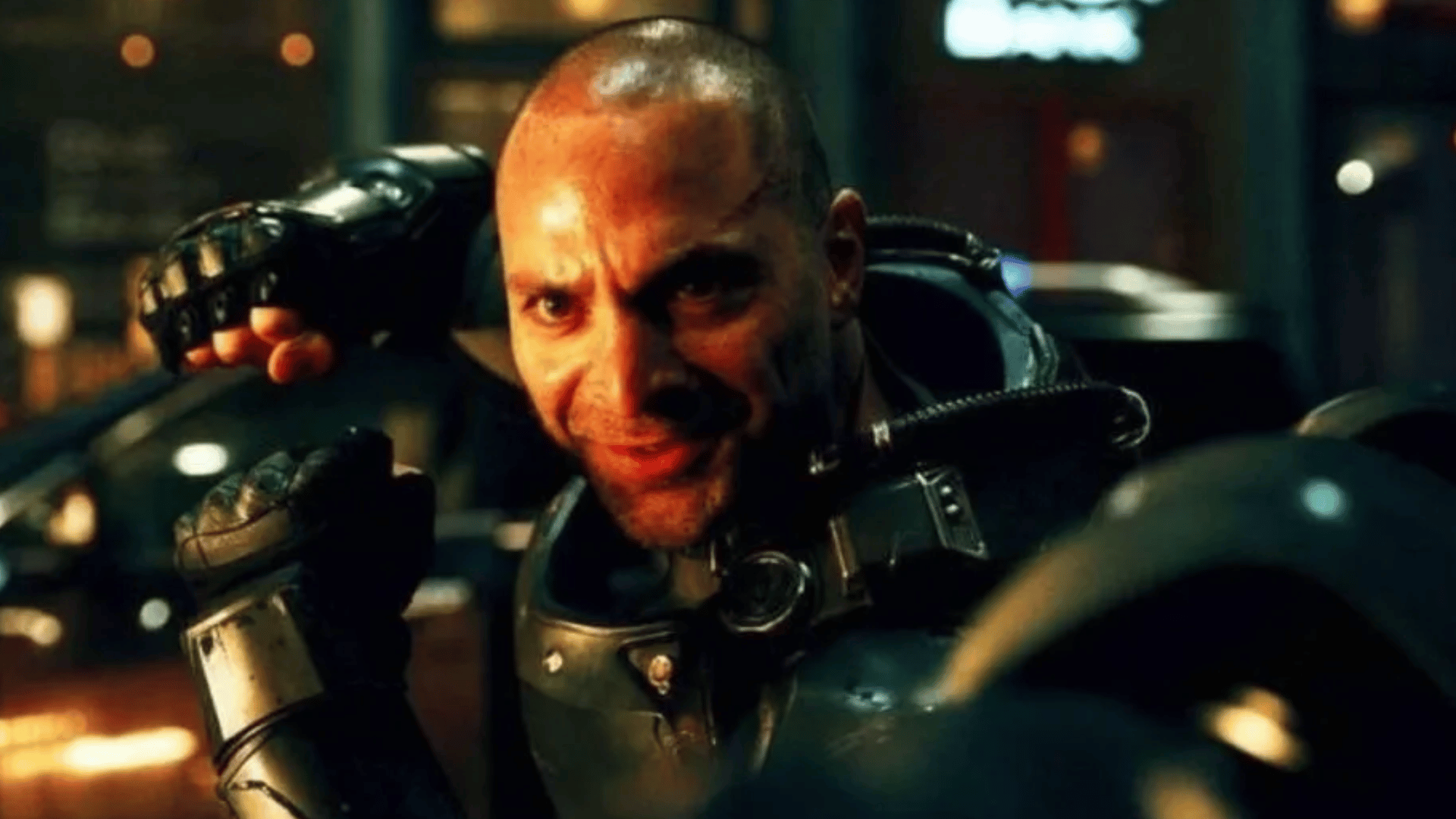
Sources: Yahoo
Mac Gargan starts as a small-time criminal buying alien tech in Homecoming before returning as the armored Scorpion in Brand New Day.
Michael Mando plays the long game well, finally paying off a tease first planted nearly a decade earlier.
- Powers: Mechanical exosuit with a tail weapon and enhanced strength
- Significance: A rare villain whose payoff spans multiple films
- Continuity: His prison scene in Homecoming set up the character years in advance
Spider-Man Comic Villains Still Missing From Live-Action
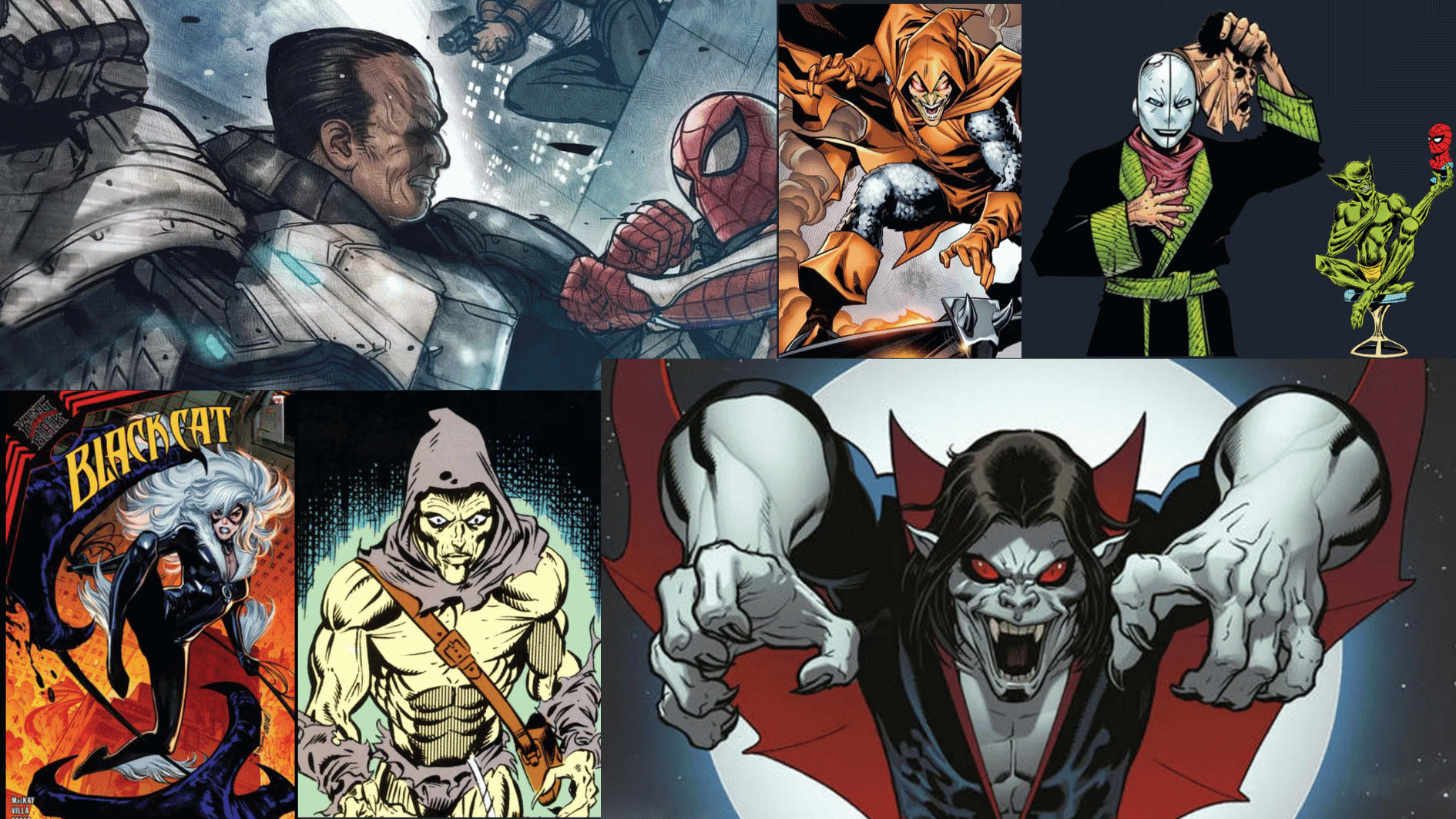
Several well-known Spider-Man villains remain unused on screen despite decades of comic and animated appearances, leaving clear gaps in the movie rogues’ gallery.
| Villain | Known From | Details |
|---|---|---|
| Hobgoblin | Comics, animated series | Frequently rumored for MCU casting, never confirmed |
| Chameleon | Comics, animated series | A shapeshifting spy often tied to Kraven’s family |
| Hammerhead | Comics, animated series | Old-school mob boss, appears in Spider-Man video games |
| Mister Negative | Comics, animated series | Crime boss who inspired Miles Morales’s Spider-Man game villain |
| Jackal | Comics, animated series | Behind Spider-Man’s cloning storylines, never adapted for film |
| Black Cat | Comics, animated series | Recurring love interest and occasional villain, absent from all films |
| Carrion | Comics, animated series | A decayed clone villain tied to the Jackal’s experiments |
| Kraven the Hunter | Comics, live-action spinoff | Appears in his own 2024 film, but never crosses paths with Spider-Man |
| Morbius | Comics, live-action spinoff | Stars in his own 2020 film without any Spider-Man appearance |
| Carnage | Comics, live-action spinoff | Appears in Venom: Let There Be Carnage, disconnected from Spider-Man entirely |
| Hydro-Man | Comics, animated series | Water-based villain who never made the jump to live action |
| Alistair Smythe | Comics, animated series | Creator of the Spider-Slayers, a recurring 1990s cartoon threat |
| Spider-Slayers | Comics, animated series | A line of robotic hunters built specifically to capture Spider-Man |
| Silvermane | Comics, animated series | Aging crime boss who seeks eternal youth through stolen technology |
| Molten Man | Comics, animated series | Gains a molten metal body after a lab accident, unused on screen |
| High Evolutionary | Comics, animated series | Genetic scientist behind Counter-Earth in Spider-Man Unlimited |
| Sir Ram | Comics, animated series | One of the High Evolutionary’s animal-human hybrids on Counter-Earth |
| Lord Tyger | Comics, animated series | Another Counter-Earth hybrid enforcer serving the High Evolutionary |
| Firedrake | Comics, animated series | Fire-based Counter-Earth villain from the same 1999 series |
| Shikata | Comics, animated series | Insect-themed Counter-Earth villain, rarely referenced outside the show |
| Turbo Jet | Comics, animated series | A speed-based Counter-Earth enforcer with no film appearances |
| Pterodax | Comics, animated series | A winged Counter-Earth villain from the same era of the franchise |
| The Twins | Comics, animated series | Dual-powered Counter-Earth villains, exclusive to the 1999 series |
| Beetle | Comics, animated series | Armored mercenary who has appeared in games but never in film |
| Taskmaster | Comics, animated series | Combat mimic more associated with other Marvel heroes on screen |
| Nightmare | Comics, animated series | Dream-manipulating villain, mostly confined to animated storylines |
| Trapster | Comics, animated series | Uses adhesive weapons, a recurring but minor comic antagonist |
| Whirlwind | Comics, animated series | Spinning-blade villain who has stayed out of live-action entirely |
| Swarm | Comics, animated series | A bee-based villain from Spider-Man’s animated history |
| Regent | Comics, video games | Power-draining villain introduced in Marvel’s Spider-Man video game |
| Arnim Zola | Comics, animated series | Recurring scientist villain, mostly tied to Captain America stories |
| Unicorn | Comics, animated series | Horn-powered enforcer villain with no film adaptation to date |
| Butane | Comics, animated series | Fire-based minor villain limited to comics and animated appearances |
| Speed Demon | Comics, animated series | Super-speed villain who has never appeared outside the comics and cartoons |
How Villains Changed Across the Franchises
Spider-Man villains started campy in Sam Raimi’s trilogy, with theatrical performances defining Green Goblin and Doc Ock.
The Amazing Spider-Man films leaned harder into CGI, turning villains into creatures rather than grounded threats.
The MCU shifted focus toward street-level motivations, while Into the Spider-Verse and Across the Spider-Verse used animation to stack multiple universes’ villains into a single frame.
Sony’s Venom and Morbius films pushed furthest from the source material, building entire stories around symbiotes and blood-based mutations with no Spider-Man on screen at all.
The Bottom Line
Ranking Spider-Man villains gets harder every time a new film adds to the list, and Brand New Day’s arrivals prove the rogues’ gallery is far from finished growing.
What separates the entries above isn’t screen time or raw power, but how well each villain forces Peter Parker to confront a version of himself he could have become.
That tension is what keeps these characters memorable long after the credits roll.
The next Spider-Man movie will likely reshuffle this order again. For now, revisit a few of these performances and decide which villain actually earned their spot.
Frequently Asked Questions
Which Spider-Man Villain Has the Shortest Screen Time?
Rhino holds this title, appearing only briefly in The Amazing Spider-Man 2 before the story moves past him without any real follow-up.
Has Any Spider-Man Villain Ever Become a Hero?
Yes. Sandman, Doc Ock, and Vulture all show moments of remorse or redemption, though none fully switch sides on screen the way some comic versions do.
Why Do So Many Spider-Man Villains Come From Science Experiments?
Most trace back to Spider-Man’s own origin, where a lab accident created a hero. Writers reuse this device to give villains a mirrored, cautionary path.