

Prebiotics vs. Postbiotics: What’s the Difference, and Which Does Your Gut Need?
Gut health has become a major part of the wellness conversation, but the vocabulary surrounding it can get confusing fast. Probiotics have enjoyed years in the spotlight, while prebiotics have become increasingly familiar to anyone who has spent time browsing supplements or reading nutrition labels. Now postbiotic products are joining the conversation. Although these terms sound remarkably similar, they describe different substances and roles within the digestive system. Understanding what separates prebiotics from postbiotics can make it easier to evaluate foods, supplements, and wellness claims without getting lost in microbiome jargon.
Start With Prebiotics
Prebiotics are substances that beneficial microorganisms in the gut can use as nourishment. Many are forms of dietary fiber that resist digestion in the upper gastrointestinal tract and eventually reach the colon, where gut microbes can ferment them. This process helps support populations of bacteria associated with a healthy and diverse intestinal environment.
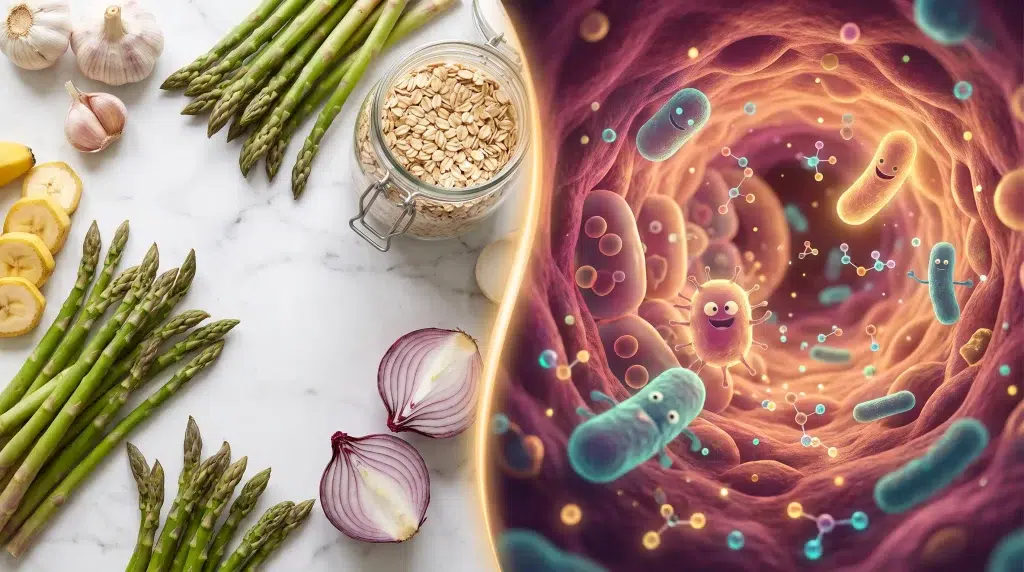
Common dietary sources include garlic, onions, asparagus, leeks, oats, bananas, legumes, and certain whole grains. Rather than introducing microorganisms into the digestive system, prebiotics essentially help feed microbes that already live there. That distinction separates them from probiotics, which contain live microorganisms.
A diet rich in varied plant foods can naturally provide numerous types of fermentable fibers. Supplements can offer concentrated sources, but they are not automatically necessary for everyone. Some people also find that rapidly increasing prebiotic fiber causes temporary gas or bloating, which is one reason gradual dietary changes often make more sense than suddenly adding large amounts.
What Postbiotics Actually Are
Postbiotics sit farther down the microbial process. When beneficial microorganisms consume and ferment certain substances, they produce compounds and cellular components that may influence the intestinal environment. The International Scientific Association for Probiotics and Prebiotics defines a postbiotic as a preparation of inanimate microorganisms and/or their components that provides a health benefit to the host.
That definition matters because postbiotics are not simply another name for probiotics. Probiotic products depend on live microorganisms, while postbiotic preparations contain microorganisms that are no longer alive, along with components associated with them. Researchers are studying how these preparations may interact with the immune system, intestinal barrier, and other biological processes.
The category is still developing, and not every product marketed around microbial byproducts necessarily meets the scientific definition. Consumers should look beyond trendy packaging and check what a supplement actually contains, particularly when a label makes broad promises about digestion, immunity, skin, or overall wellness.
Different Paths to Gut Support

Prebiotics and postbiotics do not necessarily compete for the same job. Prebiotics support microbial activity by supplying usable substrates, while postbiotics provide preparations containing inanimate microorganisms or their components. In practical terms, one works earlier in the microbial chain while the other represents material associated with microbial activity after microorganisms have been inactivated.
This difference may influence how products are formulated and stored. Live probiotic organisms can be sensitive to temperature, moisture, manufacturing conditions, and shelf life. Postbiotic preparations do not require microorganisms to remain alive, which may offer formulation advantages in certain products.
Food remains an important part of the larger picture. Fiber-rich vegetables, fruits, legumes, and whole grains provide nutrients that support digestive health beyond any single microbiome category. Fermented foods can also add variety to a diet, although fermented foods, probiotics, prebiotics, and postbiotics are not interchangeable terms. The gut microbiome is an ecosystem, not a single switch that one supplement can flip.
When Digestion Feels Off
Digestive symptoms can have many causes, which makes it risky to assume that every episode of bloating, discomfort, constipation, or diarrhea reflects an unhealthy microbiome. Diet changes, medications, travel, sleep patterns, hydration, infections, and stress and GI issues can overlap in ways that make digestive symptoms difficult to trace to one source.
Stress is especially relevant because the gut and brain communicate through interconnected neural, hormonal, and immune pathways. Changes in stress levels can affect gastrointestinal function, while ongoing digestive discomfort can influence mood and daily well-being. That relationship helps explain why gut health discussions increasingly extend beyond food alone.
Prebiotic foods may fit naturally into a balanced eating pattern, but people with persistent digestive symptoms may not tolerate every fermentable fiber equally. Adding a large amount of a concentrated prebiotic supplement can sometimes increase gas or discomfort. A clinician or registered dietitian can help identify dietary patterns and determine whether symptoms deserve further evaluation rather than relying on trial-and-error supplementation.
Choosing What Makes Sense
For most people, the prebiotic versus postbiotic question does not require choosing a winner. They represent different approaches, and research into the microbiome continues to evolve. Prebiotic foods already have an obvious place in many nutritious diets because they often deliver fiber, vitamins, minerals, and plant compounds alongside their effects on gut microorganisms.
Postbiotic products are newer territory for many consumers. Some preparations have been studied for specific health outcomes, but benefits depend on the particular microorganisms, components, dose, formulation, and intended use. A promising study involving one preparation does not automatically validate every supplement carrying the same category name.
Reading labels carefully matters. Look for clearly identified ingredients, realistic claims, transparent dosing information, and manufacturers that provide meaningful details about their formulations. Gut health rarely depends on chasing the newest bottle on the shelf. A varied diet, adequate fiber, regular movement, sufficient sleep, and appropriate medical care still provide a far more sensible foundation.
Prebiotics and postbiotics may both have useful roles, but understanding what they actually do makes it much easier to separate microbiome science from marketing.