


Feeling stressed? Your gut might be paying the price. If you’ve been dealing with stubborn constipation lately, Stress could be more involved than you think. Many people wonder, can stress cause constipation?
Learning about the stress-digestion connection can help you manage triggers and support better gut health with simple lifestyle changes.
This blog explains how Stress causes constipation, the symptoms to watch for, and practical ways to help your gut become more regular.
Can Stress Cause Constipation?
Yes, Stress can contribute to constipation.
When the body experiences Stress, it activates the “fight or flight” response, redirecting energy away from digestion and toward essential survival functions.
This can slow the movement of food through the intestines, leading to less frequent bowel movements.
Research on the gut-brain axis, the communication network connecting the brain and digestive system, shows that Stress and Anxiety can disrupt these signals.
This may reduce intestinal contractions, causing stools to remain in the colon longer.
As more water is absorbed from the stool, it becomes harder to pass, increasing the likelihood of constipation and digestive discomfort.
Symptoms of Stress-Related Constipation
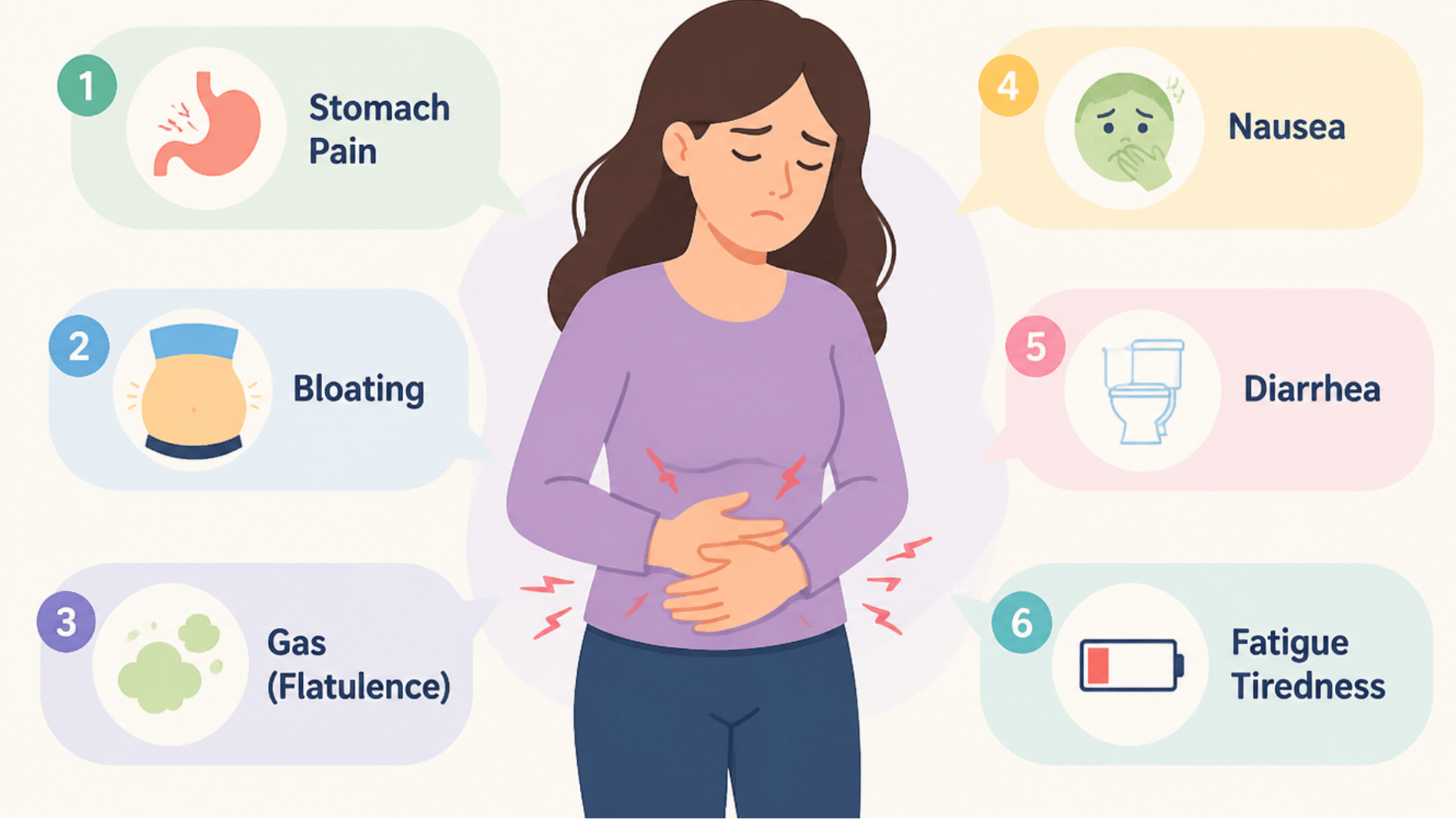
Stress-related constipation often looks similar to regular constipation but tends to worsen during emotionally stressful periods.
1. Infrequent Bowel Movements
One of the most common signs is having fewer than three bowel movements each week.
Stress slows the movement of food through the intestines, allowing waste to remain in the colon longer, making bowel movements less frequent.
2. Hard or Dry Stools
As stool stays in the colon longer, more water is absorbed from it. This causes stools to become hard, dry, and difficult to pass, often making bowel movements uncomfortable.
3. Straining During Bowel Movements
Stress-related constipation often leads to excessive straining because stools become harder to pass.
Frequent straining can increase the risk of hemorrhoids, anal fissures, and ongoing anal discomfort if left untreated.
4. Feeling of Incomplete Emptying
Stress-related constipation can leave you with the sensation that your bowels haven’t fully emptied, even after a bowel movement.
This happens because Stress can disrupt normal bowel contractions, making it harder to clear the colon completely.
5. Bloating and Abdominal Discomfort
Stress can slow digestion, allowing gas and stool to build up in the intestines.
This may cause bloating, abdominal pain, cramping, excess gas, and a persistent feeling of fullness or pressure, making daily activities feel uncomfortable.
6. Sleep Problems, Fatigue, and Anxiety
Stress-related constipation is often accompanied by poor sleep, fatigue, Anxiety, and irritability.
These symptoms can further disrupt the gut-brain connection, creating a cycle in which Stress worsens constipation, and ongoing digestive discomfort increases stress levels.
Best Ways to Get Relief from Stress-Related Constipation
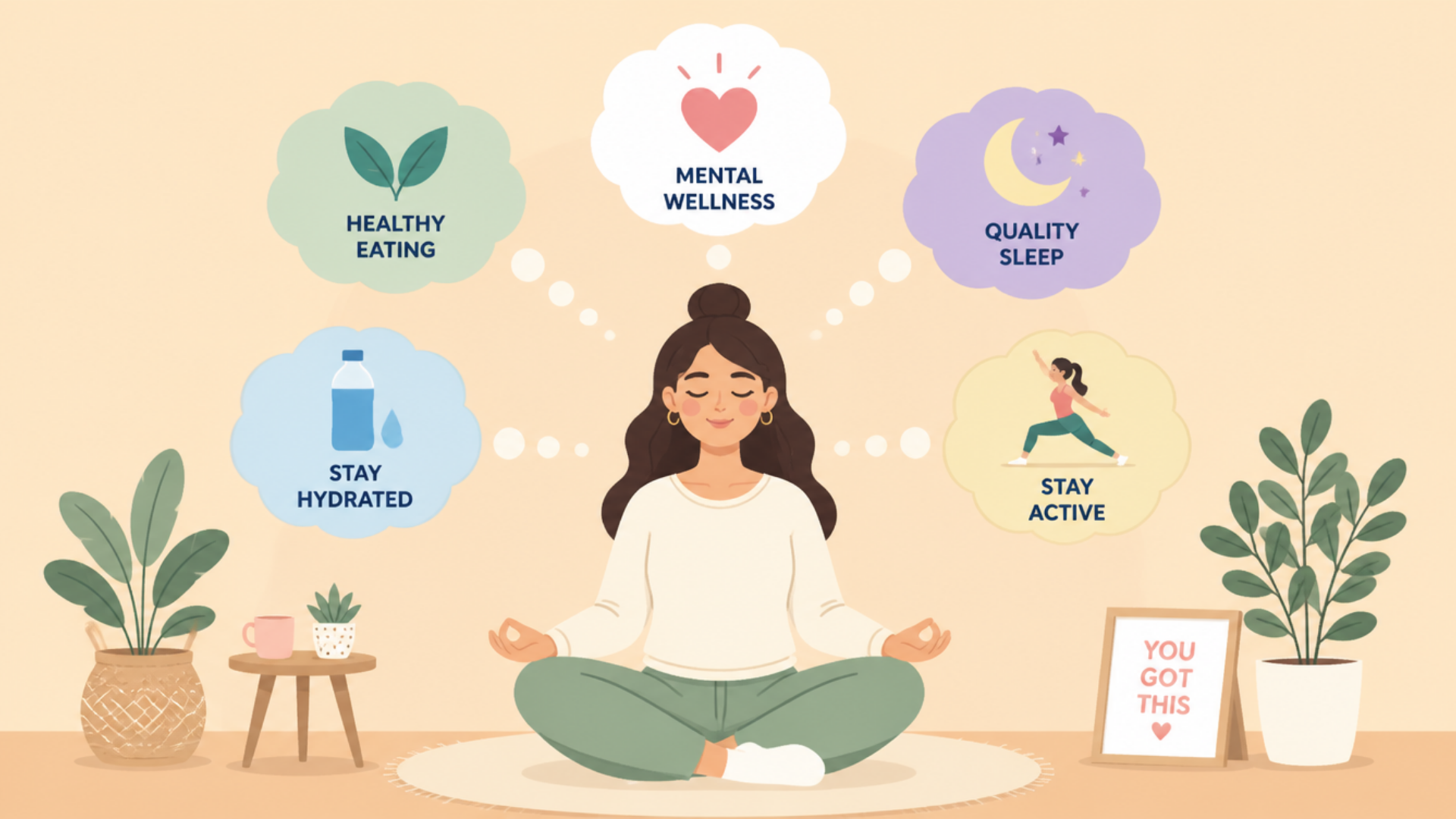
Simple lifestyle changes can help relieve stress-related constipation, improve digestion, and support more regular bowel movements.
- Eat a Fiber-Rich Diet: Promotes regular bowel movements and softer stools.
- Stay Hydrated: Keeps stools soft and supports healthy digestion.
- Exercise regularly: Exercise stimulates bowel movement and improves gut function.
- Manage Stress Effectively: Helps reduce Stress and supports gut health.
- Follow a Regular Bathroom Routine: It encourages consistent bowel habits.
- Don’t Ignore the Urge to Go: Prevents stools from becoming hard to pass.
- Limit Caffeine and Processed Foods: They support digestion and help prevent constipation.
- Get Enough Sleep: Balances stress hormones and supports digestive health.
The Relationship Between Stress, Anxiety, and Constipation
Stress and anxiety can significantly affect the digestive system, often triggering symptoms commonly associated with stress-related constipation.
|
Factor |
Effect on the Body | Impact on Digestion | Common Symptoms |
|---|---|---|---|
|
Stress |
Triggers the fight-or-flight response. | Slows bowel movements. | Constipation, bloating. |
|
Anxiety |
Increases stress hormones. | Disrupts gut contractions. | Constipation or diarrhea. |
|
Gut-Brain Axis |
Connects the brain and gut. | Affects digestion and stool movement. | Gas, irregular bowel habits. |
|
Stress–Constipation Cycle |
Stress worsens constipation, and constipation increases Stress. | Prolongs digestive problems. | Ongoing discomfort and fatigue. |
When to See a Professional?
Although occasional stress-related constipation usually isn’t serious, you should seek medical advice if symptoms persist, worsen over time, or interfere with your daily routine.
- Constipation lasts longer than three weeks despite home treatment.
- You experience severe abdominal pain or persistent bloating.
- There is blood in your stool or unexplained rectal bleeding.
- You have unintended weight loss.
- Constipation alternates with diarrhea.
- Symptoms continue to worsen or interfere with daily life.
The Final Verdict
Stress can cause constipation because of the strong connection between the brain and the digestive system. Stress can slow digestion, making bowel movements less frequent and stools harder to pass.
Fortunately, stress-related constipation often improves with healthy habits such as increasing fiber intake, staying hydrated, exercising regularly, getting enough sleep, and managing stress effectively.
Making small daily changes can support both mental health and digestive health, helping your gut return to a healthier rhythm.
Frequently Asked Questions
Can Anxiety Make Constipation Worse?
Yes, Anxiety activates the body’s stress response, which can interfere with normal bowel function and contribute to constipation in some people.
Can Stress Cause Diarrhea?
Yes, Stress can trigger diarrhea by speeding up bowel movements in some people.
How Long Does Stress-Related Constipation Last?
The duration varies. Mild constipation may improve once stress levels decrease, while ongoing or chronic Stress can lead to longer-lasting digestive symptoms.
How Can I Relieve Stress-Related Constipation Naturally?
Eating a fiber-rich diet, drinking plenty of water, exercising regularly, managing Stress, maintaining a consistent bathroom routine, and getting