MC Hammer’s net worth in 2026 sits at an estimated $2 million, though a few trackers place it closer to $1.5 million.
That gap comes down to how each site counts his royalties and current ventures
His income today comes from three main places: old music royalties, tech consulting work, and the occasional paid appearance.
It’s a huge drop from his early 1990s peak, when his fortune reportedly touched $70 million.
Keep in mind that every net worth figure online, including this one, is an estimate built from public records and industry guesses, not a confirmed bank statement. Only Hammer and his own financial team know the real number.
| Detail | Info |
|---|---|
| Real name | Stanley Kirk Burrell |
| Born | March 30, 1962, Oakland, California |
| Job | Rapper, dancer, entrepreneur |
| Peak net worth | About $70 million (early 1990s) |
| Net worth today | About $2 million (some sources cite closer to $1.5 million) |
| Main income | Music royalties, tech consulting, appearances |
Net worth figures are estimates and can change based on the source.
MC Hammer Net Worth 2026
MC Hammer’s net worth is generally estimated at around $2 million today.
According to Celebrity Net Worth, some sources place the figure lower, closer to $1.5 million, because they calculate his royalty income and current assets differently.
Like many celebrity net worth estimates, these numbers are educated guesses rather than confirmed facts. Only Hammer and his financial team know the exact amount.
His older music catalog continues to generate royalties, while technology consulting and advisory work provide additional income. Large endorsement deals are no longer a major part of his earnings.
Given his career highs and current ventures, his finances today look a lot smaller than the fortune he once held during his run as one of America’s top-earning musicians.
Early Life and Background

Stanley Kirk Burrell was born in Oakland, California, on March 30, 1962. He grew up in a big family with limited money. As a kid, he loved baseball more than almost anything.
He got a job as a bat boy for the Oakland Athletics. During breaks in the game, he would dance for the crowd to make some extra cash.
Players on the team said he looked like Hank Aaron, who everyone called “Hammer” because of his powerful swing. That’s how young Stanley picked up his own nickname.
Baseball did not work out as a career.
He tried out for pro teams after high school but didn’t make it. So he joined the U.S. Navy instead and served for three years. Those years away from music gave him time to think about what he really wanted to do next.
MC Hammer’s Career Journey
MC Hammer’s career shows a remarkable rise from military service to global music fame. His success in the 1990s changed hip hop’s reach and left a lasting mark.
Breakthrough and Rise to Fame
After leaving the Navy, MC Hammer focused fully on music, releasing independent albums before signing with Capitol Records.
His career reached new heights in 1990 with Please Hammer, Don’t Hurt ‘Em, which sold over 10 million copies and became the first Diamond-certified hip-hop album.
The hit single “U Can’t Touch This” made him a global star. He continued his success with Too Legit to Quit in 1991.
Want to hear the track that became a turning point in MC Hammer’s career? You can listen to it here and experience the hit that defined his rise to global fame.
Major Achievements and Milestones
MC Hammer’s achievements highlight his influence on hip hop, from record-breaking sales to major awards that shaped his legacy.
- First hip-hop artist to earn a Diamond certification for an album
- Sold more than 25 million albums during the 1990s
- Won multiple Grammy Awards during his peak years
- Helped push rap music into the mainstream, opening doors for artists who came after him
His milestones reflect a career that helped transform rap music and inspired future generations of artists worldwide.
Personal Life
Hammer has been married to his wife, Stephanie, since 1985, and the couple has raised five children together in the Bay Area, including Bobby, Jeremiah, Sammy, Sarah, and A’keiba. He has spoken openly in interviews about his faith and has referred to himself as a reverend.
Outside of music and tech, he stays fairly private about his day-to-day life.
How Does MC Hammer Make Money?
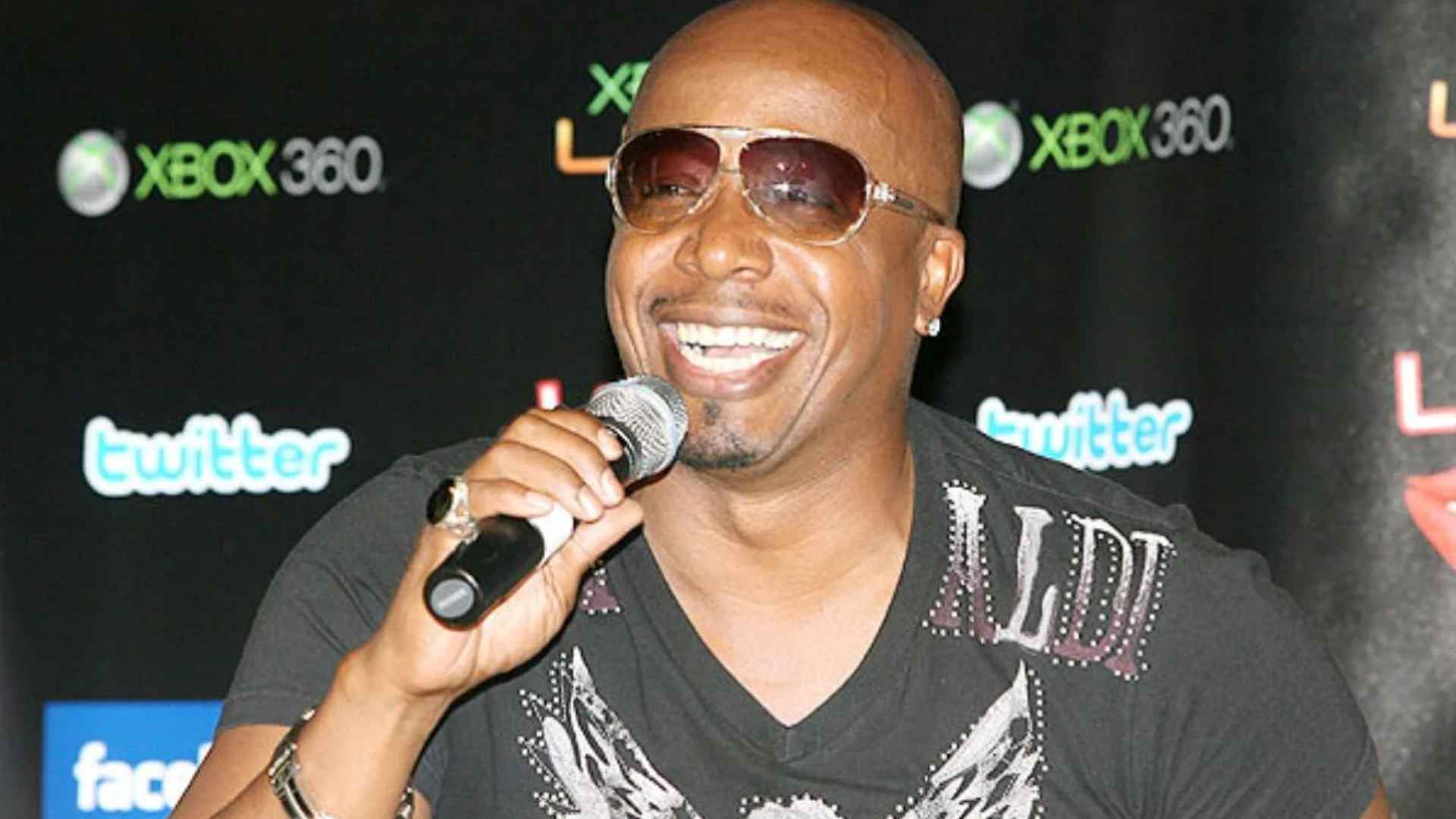
MC Hammer’s income sources have changed significantly throughout his career. From music earnings and endorsements to technology ventures, his financial path has evolved beyond his early entertainment success.
1. Main Career Income
Back in his prime, Hammer made his fortune from album sales and huge concert tours. Those tours were known for big dance numbers and even bigger production costs. Today, most of his income comes from royalties tied to his old catalog, plus occasional paid appearances and interviews.
2. Brand Endorsements and Sponsorships
At the height of his fame, Hammer landed several brand deals, including well-known ads from the era. He does not have any major endorsement deals right now. His brand today leans more on his music legacy than active sponsorships.
3. Businesses and Investments
After losing most of his fortune, Hammer made a smart pivot. He moved to Silicon Valley and started building relationships in the tech industry.
He became one of the earlier celebrities to take the internet seriously as a business tool. Today, he works as a consultant and advisor, connecting his entertainment background with the tech world.
His advisory work has included giving marketing guidance to Salesforce and helping Pandora founder Tim Westergren prepare for early meetings with music executives, back when the streaming service was still known as Savage Beast.
MC Hammer’s Silicon Valley Investments
MC Hammer’s move into tech began during his touring years, not after bankruptcy.
In 2007, he co-founded DanceJam.com with Geoffrey Arone and Anthony Young, a Menlo Park dance video startup backed by about $1 million from investors including Ron Conway.
He later invested in Bump Technologies, which Google acquired, and became an early Square investor.
Hammer also had ties to Twitter and Flipboard, joined TechCrunch40’s expert panel, and advises startups focused on technology, music, and marketing.
Rapper Chamillionaire has said that while other artists in Hammer’s circle were focused on getting paid for social media promotion, Hammer was already an actual equity holder in Twitter itself.
His strategy targets companies with global potential, especially those connected to music, while earning alongside royalties from his music career.
MC Hammer’s Assets and Lifestyle
At his richest, Hammer lived large. He owned a sprawling mansion in Fremont, California, and kept a garage full of luxury cars, along with a private jet, helicopters, and racehorses.
He also paid for a huge entourage, sometimes reported at around 200 people on payroll at once, at a monthly cost some reports place between $500,000 and $1 million.
That lifestyle came at a steep cost. Between 1990 and 1996, he built up close to $10 million in debt from his spending habits and business decisions, though some accounts place the figure closer to $13 to $14 million.
The mansion alone illustrates the gap between buying and living large: reports put the purchase price at around $12 million, with tens of millions more sunk into renovations afterward.
Most of his big-ticket items from that era, including the mansion, were sold off during his bankruptcy case.
His life today looks far simpler; Hammer now lives in a modest ranch-style home, focusing on family, music, and his tech work rather than flashy spending.
The 1996 Bankruptcy
MC Hammer’s financial troubles came from the scale of his peak spending, not one bad decision. His tours featured large dance crews, expensive production, and an entourage reportedly close to 200 people.
He owned a luxury-filled Fremont mansion and maintained the lifestyle even after sales declined. By his 1996 Chapter 11 bankruptcy filing, he had listed more than 200 creditors and debts of at least $10 million against roughly $1 million in assets, with total debt estimates ranging as high as $13 to $14 million once back taxes were factored in.
Unlike a Chapter 7 or Chapter 13 filing, Chapter 11 is a reorganization process, most often used by businesses, that lets the debtor keep control of assets while working through a court-approved repayment plan, according to the United States Courts.
Assets were sold, and his net worth reportedly fell below $1 million in the 2010s after reaching about $70 million. He later shifted toward tech investments, building new income through consulting and startup opportunities.
MC Hammer Net Worth Growth Over the Years
His financial story is a dramatic rise and fall, from millions earned through hit records and touring to bankruptcy, followed by a long rebuilding period that eventually brought his estimated net worth back to around $2 million in 2026.
| Year | Estimated Net Worth | What Happened |
|---|---|---|
| 1990 | About $33 million | Please Hammer, Don’t Hurt ‘Em becomes a smash hit |
| 1991-1992 | About $70 million (peak) | Height of touring and record sales; 1991 was his single highest-earning year |
| 1996 | Bankruptcy filed | $10 million or more in debt from overspending |
| 2010s | Under $1 million | Rebuilding phase, shift toward tech |
| 2026 | About $2 million | Royalties, consulting, and appearances |
These numbers shift depending on the source, so treat them as rough estimates rather than exact figures.
MC Hammer Net Worth Compared to Others
Compared to rap icons like Jay-Z and Dr. Dre, MC Hammer’s financial journey followed a different path. His wealth came mainly from touring and album sales during a short period of massive success.
| Aspect | MC Hammer | Jay-Z | Dr. Dre |
|---|---|---|---|
| Main Income | Music sales, tours | Music, brands, investments | Music, tech, businesses |
| Business Focus | Later tech investments | Roc Nation, brands | Beats, Aftermath |
| Financial Path | Peak success, then bankruptcy | Built long-term wealth | Grew wealth through ownership |
| Key Lesson | Create multiple income streams | Invest beyond music | Own valuable businesses |
His story remains a reminder for young artists about the importance of planning ahead and creating multiple revenue streams to protect their future wealth.
Final Thoughts
MC Hammer’s financial story goes far beyond a simple rise and fall. What stands out is how he responded after losing nearly everything.
Rather than clinging to his old lifestyle, he built a new path in tech consulting, one that plays to his strengths as a connector and public figure.
The distance between his 1990s peak and today’s figure isn’t really the story. What matters more is that he found a second income lane in tech before the music royalties alone had to carry him.
Asked in a past interview whether he’d undo any of it, Hammer has said no; he’s described the ripple effects of changing even one decision as too costly, since it would mean losing the family, relationships, and sense of peace he has now.
His name still holds real weight in music history as the artist behind the first Diamond-certified hip-hop album.
His comeback also offers a useful lesson: financial setbacks don’t have to define what comes next for anyone rebuilding from scratch.
Frequently Asked Questions
How Did MC Hammer Lose His Fortune?
He overspent on A Huge Entourage, a Lavish Mansion, and Other Luxuries in The 1990s, building up roughly $10 million or more in Debt Before Filing for Chapter 11 Bankruptcy in 1996.
How Did MC Hammer Become Famous?
His 1990 Album Please Hammer, Don’t Hurt ’em and its hit single “U Can’t Touch This” made him a global star and the first hip-hop artist with a Diamond album.
Does MC Hammer Have Children?
Yes, he and his wife, Stephanie, raised five children together: Bobby, Jeremiah, Sammy, Sarah, and A’keiba. He has spoken about fatherhood and faith shaping his priorities after his music career slowed.
What is MC Hammer Doing Now?
He splits his time between tech advising, church involvement as a reverend, and preserving his music legacy through licensing, interviews, and select public appearances.
What Kind of Bankruptcy Did MC Hammer File?
He filed Chapter 11, a reorganization process that let him keep working through a court-approved repayment plan rather than liquidating outright.