
The event management industry has undergone a remarkable transformation over the past two decades, driven by technological innovations that have fundamentally altered how events are planned, executed, and experienced. What once required countless hours of manual coordination, paper-based systems, and in-person interactions has evolved into a streamlined digital ecosystem that enables event professionals to orchestrate gatherings of any scale with unprecedented efficiency and creativity.
The Digital Revolution in Event Planning
Event planning traditionally involved extensive paperwork, endless spreadsheets, and constant phone calls to coordinate vendors, venues, and attendees. Today, comprehensive event management platforms have consolidated these tasks into unified systems that handle everything from initial concept development to post-event analysis. These platforms integrate budgeting tools, timeline management, vendor databases, and communication channels into single interfaces, reducing the time required for administrative tasks by approximately sixty percent according to industry research.
Cloud-based collaboration tools have enabled event teams to work seamlessly across different locations and time zones. Multiple stakeholders can now access real-time updates, share documents instantly, and make collaborative decisions without the delays inherent in traditional communication methods. This technological shift has proven particularly valuable for large-scale corporate events and international conferences where coordination among diverse teams is essential.
Transforming Registration and Attendee Management
The registration process has experienced perhaps the most dramatic technological overhaul in event management. Online registration systems have replaced paper forms and manual data entry, allowing attendees to register from any device at any time. These systems process payments securely, send automated confirmations, and sync attendee information across multiple platforms instantly.
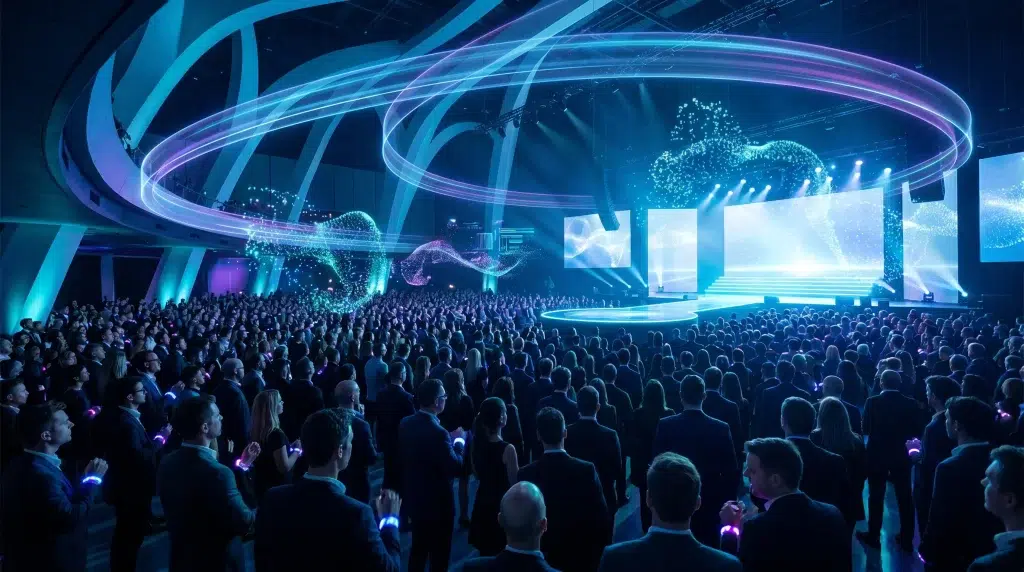
Modern registration technology has also introduced sophisticated attendee tracking capabilities. Many event organizers have custom wristbands made that are tailored with QR codes or RFID chips, enabling instant check-ins and providing valuable data about attendee movement patterns throughout event spaces. This technology helps organizers understand which sessions or areas attract the most interest, informing better decisions for future events.
The data collected through digital registration systems extends far beyond basic contact information. Event professionals can now gather detailed insights about attendee preferences, dietary requirements, accessibility needs, and professional interests, allowing for highly personalized event experiences. Advanced analytics tools process this information to identify trends and patterns that would have been nearly impossible to detect through manual analysis.
Enhanced Communication and Engagement
Technology has revolutionized how event organizers communicate with attendees before, during, and after events. Mobile event applications have become standard offerings, providing attendees with interactive schedules, speaker biographies, venue maps, and real-time updates. These apps facilitate networking through integrated messaging features and matchmaking algorithms that connect attendees with similar professional interests.
Social media integration has amplified event reach and engagement exponentially. Live streaming capabilities enable events to extend beyond physical venues, reaching global audiences who might otherwise be unable to attend. Research indicates that hybrid events incorporating both in-person and virtual components can increase total attendance by up to three hundred percent while significantly reducing per-attendee costs.
Real-time polling and interactive Q&A platforms have transformed passive audiences into active participants. Speakers can gauge audience understanding instantly, adjust their presentations accordingly, and foster more engaging discussions. These tools have proven particularly valuable in educational conferences and corporate training events where immediate feedback enhances learning outcomes.
Virtual and Hybrid Event Capabilities
The emergence of sophisticated virtual event platforms has created entirely new possibilities for the industry. These platforms replicate many aspects of physical events in digital environments, featuring virtual exhibition halls, breakout rooms, and networking lounges. Advanced platforms incorporate three-dimensional environments and avatar-based interactions, creating immersive experiences that approach the engagement levels of in-person gatherings.
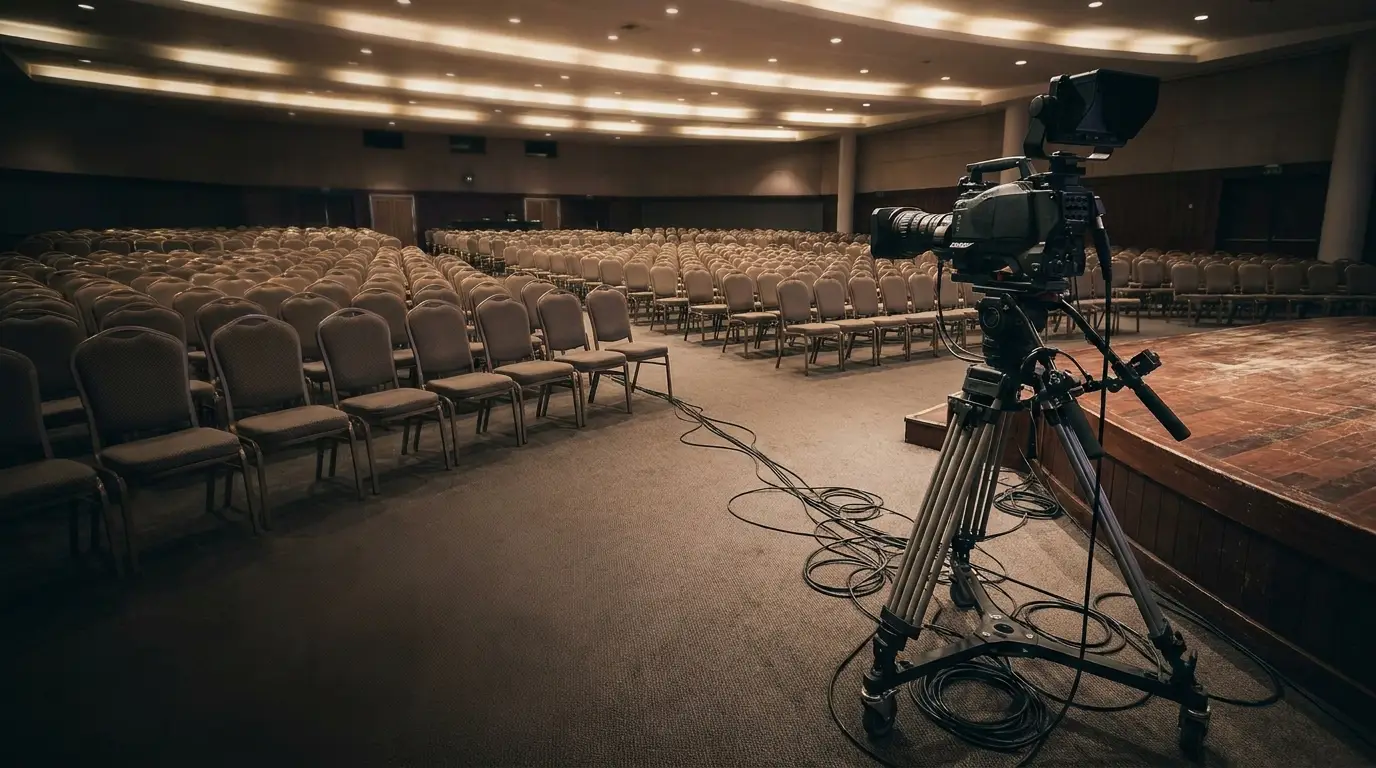
Hybrid events combining physical and virtual elements have become increasingly prevalent, offering flexibility that accommodates diverse attendee circumstances and preferences. This model has expanded market reach while maintaining the high-touch experience many attendees value in physical events. Production quality for virtual components has improved dramatically, with professional-grade streaming, multi-camera setups, and broadcast-quality graphics becoming standard expectations.
Data-Driven Decision Making
Perhaps the most significant long-term impact of technology on event management lies in the wealth of data now available to organizers. Every aspect of an event generates measurable data points, from registration patterns and session attendance to social media engagement and post-event survey responses. Advanced analytics platforms transform this raw data into actionable insights that drive continuous improvement.
Event professionals can now demonstrate return on investment with unprecedented precision, tracking specific metrics that align with organizational objectives. This data-driven approach has elevated event management from an administrative function to a strategic discipline that directly contributes to organizational success.
Looking Forward
Technology continues to reshape event management in ways both predictable and surprising. Artificial intelligence assists with tasks ranging from personalized agenda recommendations to automated customer service. Emerging technologies promise even more dramatic changes, ensuring that event management will continue evolving as an increasingly sophisticated and technologically integrated profession.