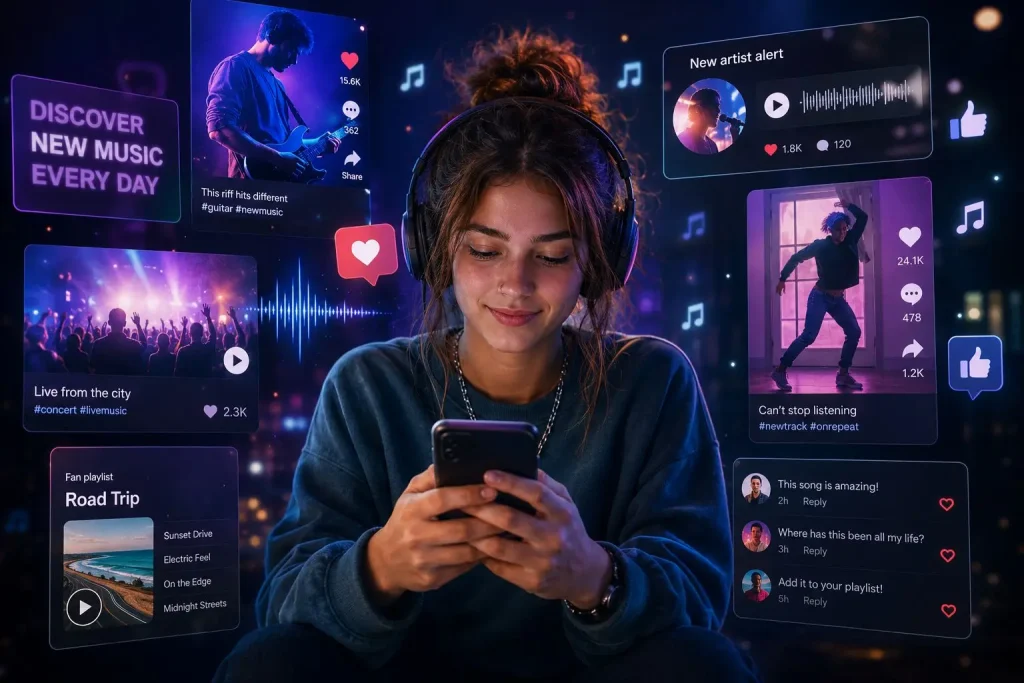
Music discovery has changed at a remarkable pace over the past decade. People no longer depend on radio schedules, television programs, or printed magazines to hear something new. Instead, they open social platforms several times a day and encounter songs through short videos, live broadcasts, conversations, and user-created content. This shift has changed how listeners find artists, how musicians introduce new material, and how songs gain attention across different audiences.
Many listeners no longer search for music in a deliberate way. Instead, they encounter tracks while watching cooking videos, travel clips, comedy sketches, sports highlights, or discussions about current events. A song often appears in a completely different context before someone decides to hear the full version. In conversations about online entertainment and digital platforms, some communities also mention baxter bet, which shows how different types of online content now exist side by side with music-related discussions. This broad mix of content creates countless points where people discover songs without planning to do so.
The result reaches beyond convenience. Social platforms encourage repeated listening because users revisit clips several times, save posts, and share them with friends. Each action introduces music to another group of listeners. A single recording can travel through thousands of personal accounts before traditional media even notice its growing audience.
Discovery Happens Throughout the Day
People consume online content in short sessions rather than long listening periods. Someone might check updates during breakfast, lunch, or while commuting. Every visit creates another chance to hear unfamiliar music.
Several habits shape this pattern:
- Users save videos that feature songs they enjoy.
- Friends exchange clips through private messages.
- Short recommendations encourage immediate listening.
- Comment sections often identify artists and track titles.
- Creators reuse the same audio in completely different subjects.
These simple actions produce constant exposure. A person may hear the same chorus several times before opening a streaming service to find the complete recording.
Unlike earlier forms of music promotion, discovery now happens naturally during everyday browsing. Listeners rarely think about searching for new artists. They simply respond to sounds that catch their attention.
Short Videos Have Changed Listening Habits
Short-form video has become one of the strongest drivers of music discovery. Clips usually last less than a minute, yet they often introduce millions of people to songs they had never heard before.
A memorable opening, strong rhythm, or distinctive vocal line works well in brief content. Viewers hear only a small section, but curiosity encourages many of them to continue listening elsewhere.
This process also changes how audiences remember songs. Instead of recognizing a title first, many people remember a specific lyric, beat, or instrumental passage because they encountered that section repeatedly in different videos.
Musicians now think carefully about how individual moments from a song may fit naturally into short visual content without changing the overall artistic direction.
Communities Shape Music Discovery
People trust recommendations from other listeners more than traditional promotional material. Online communities allow fans to discuss albums, concerts, live performances, and new singles in real time.
Small groups often discover artists before wider audiences notice them. Members exchange opinions, suggest similar songs, and explain why certain recordings deserve attention.
Community discussions create several advantages.
| Community Activity | Effect on Discovery |
| Song recommendations | Introduce unfamiliar artists |
| Concert discussions | Increase curiosity about performers |
| Playlist sharing | Expand listening habits |
| Fan reviews | Encourage full album listening |
These conversations feel natural because participants share genuine enthusiasm rather than prepared promotional messages.
Algorithms Respond to Listener Behavior
Recommendation systems observe listening habits and suggest music based on previous activity. They consider saved tracks, repeated plays, skipped songs, and general interests.
Although technology helps organize enormous music libraries, human actions still guide every recommendation. Every like, share, comment, and replay creates another signal.
This continuous feedback allows listeners to discover artists from different countries, genres, and generations without spending hours searching manually.
At the same time, people still influence each other directly. Personal recommendations continue to matter because they carry context that automated suggestions cannot always supply.
Music Travels Across Different Types of Content
Songs no longer stay inside music-focused spaces. They appear during fitness videos, educational clips, cooking demonstrations, gaming broadcasts, travel stories, and comedy sketches.
Each setting introduces the same recording to a different audience.
For example, someone watching travel content may notice background music, while another person hears the identical track during a sports highlight. Neither viewer searched for music, yet both encountered the same artist through separate interests.
This crossover greatly expands exposure. Music reaches listeners who otherwise might never explore that particular style.
Creators Help Songs Reach New Audiences
Content creators play an active role in modern music discovery. They select background audio, react to new songs, film performance videos, or include tracks in everyday recordings.
Their choices often encourage viewers to investigate music independently.
Creators also introduce context. They explain why they enjoy a song, describe where they first heard it, or connect it with a personal experience. These details create stronger interest than simply hearing audio without explanation.
Because creators focus on many different subjects, they expose music to audiences with varied interests rather than limiting discovery to dedicated music fans.
Older Songs Continue to Find New Listeners
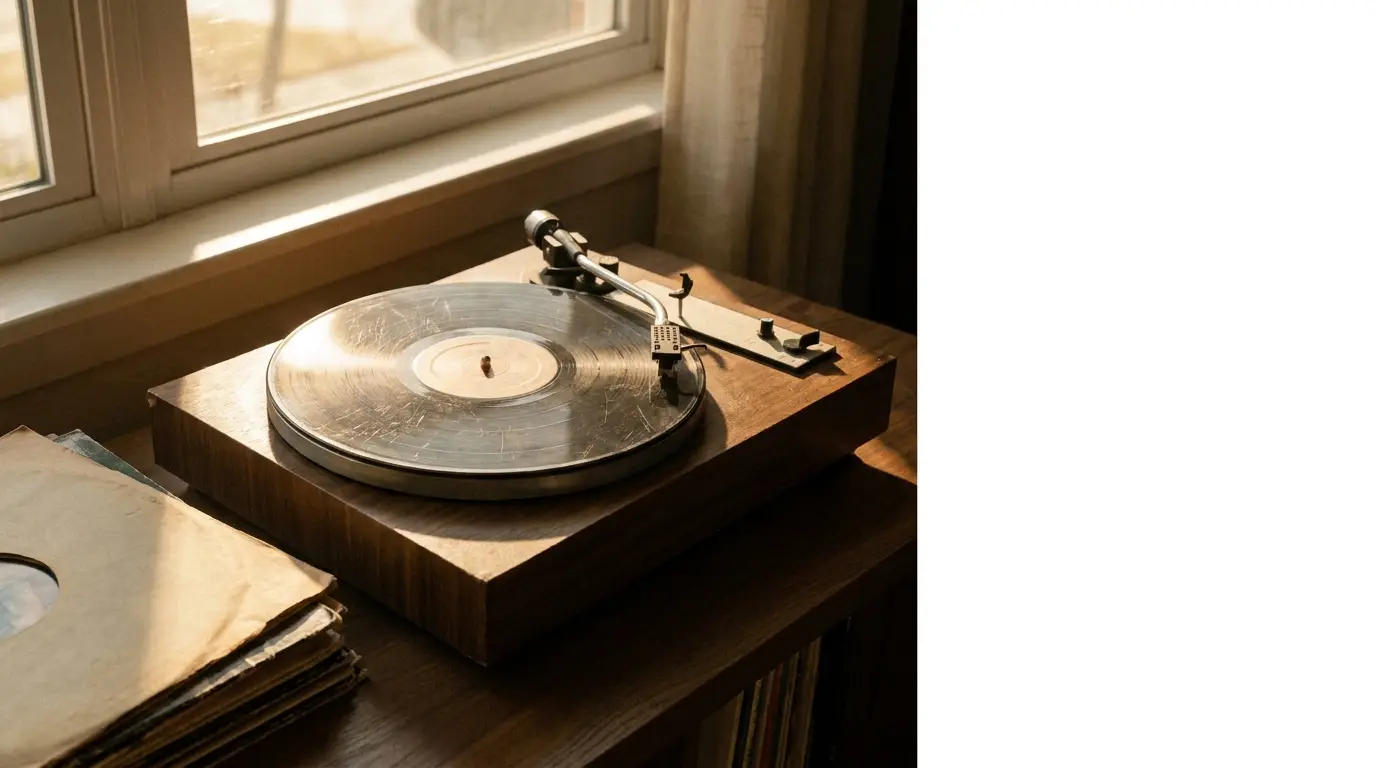
One remarkable trend involves recordings that first appeared years or even decades ago. Social media frequently introduces these songs to younger audiences through short clips, creative edits, or nostalgic discussions.
A forgotten track can suddenly attract millions of new listeners after appearing in user-generated content.
This renewed attention benefits listeners as much as artists. People explore music history naturally instead of restricting themselves to current releases.
As a result, listening habits now include both recent recordings and older catalogues that return to public attention for entirely new reasons.
Playlists Have Become Everyday Discovery Tools
Playlists now shape listening habits as much as individual artists do. Friends create collections for road trips, studying, workouts, relaxing evenings, and every type of daily activity. Each playlist introduces unfamiliar tracks alongside familiar favorites.
This habit encourages gradual discovery. Instead of deciding whether to hear an entire album immediately, listeners experience songs one at a time within different collections. If several tracks attract attention, they often continue exploring the artist’s catalog.
Editorial selections still matter, but personal playlists have gained equal importance because they reflect real listening habits rather than formal programming.
Several factors make playlists effective for discovery:
- They combine established artists with emerging talent.
- They match specific moods or activities.
- They encourage longer listening sessions.
- They simplify sharing between friends.
- They help listeners revisit songs later.
The simple act of saving a playlist often begins a longer relationship with an artist’s work.
Live Content Creates Immediate Interest
Live broadcasts add another dimension to music discovery. Artists answer questions, perform acoustic versions, discuss songwriting, or simply interact with viewers in real time.
These moments allow audiences to see more than finished recordings. People gain insight into creative decisions, rehearsal routines, and personal experiences that shape new music.
Viewers frequently discover artists during these live sessions even when they originally joined for another topic. Real-time interaction also encourages questions about songs, upcoming albums, and concert plans, creating direct conversations that traditional media rarely supported.
Because live sessions remain available after they end, new viewers continue finding them days or even weeks later.
Fans Play an Active Role
Music fans no longer consume content quietly. They create reviews, reaction videos, performance covers, instrument tutorials, lyric discussions, and concert footage.
Every contribution introduces songs to someone else.
Fan activity extends the lifespan of recordings because conversations continue long after initial publication. Instead of fading quickly, many songs remain visible through continuous community participation.
People also appreciate authentic recommendations from listeners who share similar musical tastes. These recommendations often encourage exploration without formal promotion.
Global Discovery Happens Faster
Social platforms connect listeners from different countries within seconds. Language no longer creates the same barrier it once did because subtitles, translations, and visual content help audiences understand music from unfamiliar cultures.
Someone may first hear an artist through a travel video, a sporting event, or a cultural celebration. Curiosity often leads to further listening regardless of language.
This wider access expands musical knowledge. Listeners discover styles they might never encounter through local radio or regional media alone.
Artists also benefit from immediate international exposure. A recording no longer depends entirely on geographic location before reaching new audiences.
Challenges Continue to Shape Discovery
Although social media offers remarkable access, it also creates challenges for listeners.
The constant flow of new material makes it difficult to spend enough time with individual albums. Many people move quickly from one recommendation to another before fully appreciating longer works.
Other common challenges include:
- Information overload.
- Short attention spans.
- Constant competition for viewer attention.
- Difficulty remembering artist names after hearing only short clips.
- Limited context for complete albums.
Many listeners now balance quick discovery with dedicated listening sessions. They save interesting songs first and return later to hear complete records without distractions.
Artists Build Direct Relationships
Musicians communicate with listeners more frequently than ever before. Instead of waiting for interviews or television appearances, they share updates, rehearsal clips, recording sessions, and everyday moments through their own accounts.
These interactions create stronger familiarity between artists and audiences.
Direct communication also helps explain creative choices behind new songs. Fans appreciate hearing stories about songwriting, studio work, or upcoming performances from the people who created the music.
This ongoing dialogue encourages long-term interest rather than brief attention focused on a single track.
Discovery Extends Beyond New Music
Music discovery no longer focuses only on current recordings. Listeners regularly explore live performances, acoustic versions, remixes, demos, soundtrack appearances, and archived concert footage.
Many people discover an artist through one format before exploring another.
Someone may first hear an acoustic performance, then move to the studio recording, followed by an entire album and later a concert video. Every step creates another reason to continue listening.
This layered experience makes music exploration more personal because every listener follows a slightly different path.
The Future of Music Discovery
Social media will continue shaping how people find music, but human curiosity will remain the driving force behind every discovery. Technology introduces songs more efficiently, yet listeners still decide what deserves their attention.
Future changes will likely improve recommendations, encourage stronger community discussions, and connect artists with audiences in even more direct ways. At the same time, personal recommendations from friends, family members, concertgoers, and fellow fans will continue to matter.
Music discovery has become an everyday activity instead of an occasional search. People encounter songs while reading the news, watching travel clips, learning new skills, following sports, or enjoying comedy. Every interaction creates another possibility to hear something unexpected.
The growing connection between social platforms and music has expanded listening habits for millions of people. Instead of relying on a small number of traditional sources, audiences now explore an almost endless stream of recordings through conversations, shared experiences, playlists, live broadcasts, and creative content from other users.
As listening habits continue to evolve, one fact remains clear: people still value meaningful music. Social media simply gives them more paths to find it, remember it, and share it with others.