

The band T-shirt has been the backbone of music merchandise for decades. It’s the item fans reach for first at the merch stand, the one they wear to the next gig and the one that ends up faded and treasured years later. But walk past a merch table at a tour stop or festival today and there’s a much wider mix on offer.
Tote bags, bucket hats, phone cases and even homeware have all joined the line-up. One of the more interesting additions has been the backpack, which is proving popular with both artists and fans for reasons that go far beyond style.
Why Merch Is Expanding
Merchandise has become a crucial income stream for artists. Streaming pays relatively little per play, and touring costs have climbed sharply, so selling physical products directly to fans is one of the most reliable ways for musicians to earn money.
That pressure has pushed artists to think more creatively about what they sell. A T-shirt range can only stretch so far, and fans who already own several shirts are more likely to buy something different. Practical items that fit into everyday life give fans a new reason to spend at the stand.
This is where custom backpacks have found their place. A bag carrying tour artwork, album imagery or a simple logo gives fans something they can use daily, from the commute to university campus to weekend trips. It also offers artists a higher-value item that sits comfortably alongside the rest of the range.
A Walking Billboard for the Artist
One of the biggest benefits of a branded backpack is visibility. A T-shirt is often covered by a jacket, particularly in the colder months. A backpack sits on the outside, in full view, for anyone walking behind.
For emerging artists especially, that kind of everyday exposure is valuable. A fan wearing a backpack on a busy train or around a city centre introduces the artist’s name and artwork to hundreds of people who might never have heard of them. It’s organic promotion that no social media algorithm can guarantee.
It also creates a sense of community. Spotting someone else with the same tour bag is the kind of small moment that fans love, and it reinforces the connection between an artist and their audience.
Style Meets Practicality
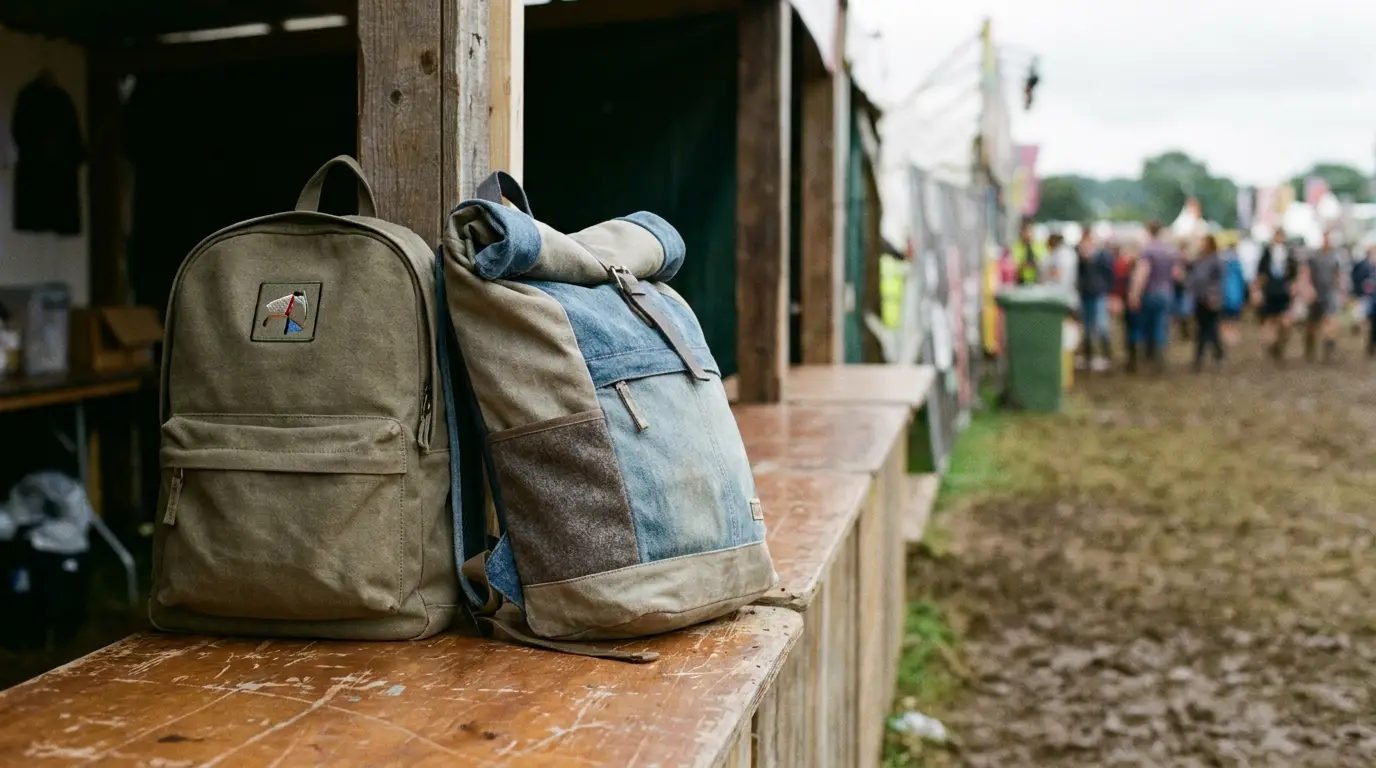
Fashion and music have always overlapped, and merch has become far more design-led in recent years. Many artists now treat their merchandise like a capsule fashion collection, with carefully chosen colours, fabrics and graphics.
Backpacks fit neatly into that approach. Minimal designs with a small embroidered logo suit artists with a clean, understated aesthetic, while bold, all-over prints work for those with a louder visual identity. Retro styles with contrast panels and roll-top designs have also become popular, reflecting wider fashion trends.
The practical side can’t be ignored either. Fans who travel to gigs and festivals need somewhere to carry water, portable chargers, rain ponchos and snacks. A bag bought at the start of a festival weekend often gets used immediately.
What Makes a Good Merch Backpack
Not every backpack works as merchandise. Artists and their teams tend to look for a few key qualities.
Size is a common consideration. Many festivals and arenas have bag policies, so smaller, lightweight backpacks are often more practical than large rucksacks. Mini backpacks and drawstring styles are popular for this reason.
Durability matters too. Fans expect merch to last, and a bag that falls apart after a few weeks can damage an artist’s reputation. Strong stitching, good zips and quality fabric make a real difference.
Decoration options also play a role. Embroidery gives a premium feel, while screen printing and transfers allow for more detailed artwork. Choosing a bag that suits the chosen method helps keep designs sharp and long-lasting.
Sustainability is increasingly important to fans. Recycled materials and responsible production are becoming selling points, and many artists want their merch to reflect the values they talk about publicly.
Pricing and Profit
Backpacks usually sit at the higher end of a merch range, alongside hoodies and jackets. That higher price point can be a benefit, as it increases the average spend per fan without needing to sell more items.
Limited edition runs work particularly well. Tour-specific designs or bags tied to an album release create urgency and turn a practical item into a collectable. Fans are often willing to pay more for something they know won’t be available again.
The Future of the Merch Table
The T-shirt isn’t going anywhere, but the modern merch stand looks very different from the one fans queued at a decade ago. Artists are thinking more carefully about what their audiences actually want and how they live day to day.
Backpacks sit perfectly in that space between fashion, function and fandom. For fans, they’re a way of showing support that fits into everyday life. For artists, they offer visibility, higher value sales and a stronger connection with the people who keep coming back to see them play.