On city streets, electric bikes are usually judged by comfort, smooth performance and everyday range.
Once the route moves onto gravel, dirt, forest tracks or uneven trails, the priorities change. Traction, suspension, braking and control become far more important.
That is why an electric bike built for off-road riding cannot be judged by motor power alone. Tyres, suspension, handling, braking performance and real-world range often matter more than any single number on a specification sheet.
What Changes When the Pavement Ends?
On smooth roads, tyre contact is relatively predictable and riders can maintain a steady line and speed. Off road, conditions can change within a few metres.
Loose gravel reduces grip, mud can make the wheels slide, and roots or rocks create repeated impacts. Steeper sections also place greater demands on both the motor and battery.
This means off-road riding depends more heavily on how well a bike adapts to changing surfaces.
A commuter e-bike may feel efficient and responsive in the city, but narrower tyres, road-focused geometry and limited suspension may make it less suitable for extended riding over rough ground.
There is a clear difference between a bike that can handle an occasional dirt path and one that is genuinely designed for off-road use.
Traction, Suspension and Control Matter More Than Headline Power
Motor output is often the first specification people notice when comparing off-road electric bikes. In practice, however, more power does not automatically mean better control.
Tyres play a major role in how a bike behaves on loose or uneven surfaces.
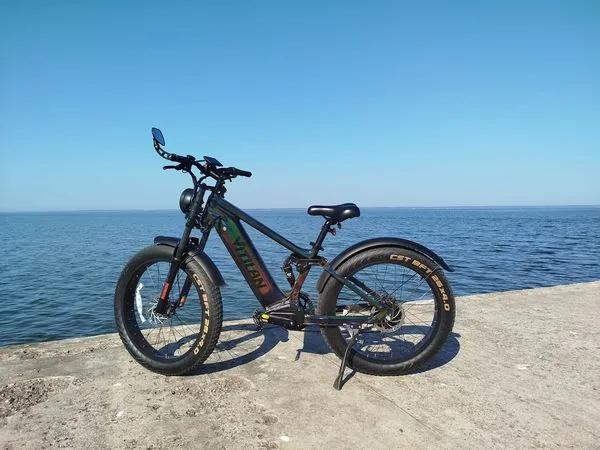
Wider tyres generally provide a larger contact area, helping the bike feel more stable on gravel, soft ground and irregular tracks. A suitable tread pattern can also improve grip as the surface changes.
Suspension has a different job. When the front wheel meets roots, potholes or rocks, suspension helps absorb repeated impacts and allows the tyre to stay in better contact with the ground.
For riders who regularly travel across gravel tracks, forest paths or uneven ground, off-road electric bikesdesigned around traction, suspension and controlled handling can make more sense than models focused mainly on speed.
Braking is just as important.
Off-road routes may include sudden descents, sharp corners and loose surfaces. In these situations, predictable braking is often more valuable than outright speed. Riders need to reduce speed smoothly as conditions change rather than relying on sudden braking at the last moment.
True off-road capability is usually the result of several components working together, not one impressive figure on a spec sheet.
Why Real-World Range Changes Off Road
Published e-bike range figures are usually based on controlled testing, while real off-road routes are rarely consistent.
Gradient, rider weight, assistance level, tyre pressure, temperature and surface resistance can all affect battery use.
On flat tarmac, a rider may be able to maintain speed with relatively little motor assistance. On loose gravel or repeated climbs, higher assistance levels are often used more frequently, increasing battery demand.
Wider tyres can improve stability on rough surfaces, but their additional rolling resistance may also reduce efficiency.
For that reason, the advertised range should not be treated as a guaranteed trail distance.
A more practical approach is to leave a margin when planning a route.
For rides through forests, hills or areas far from towns, it helps to check the total distance, elevation and return route in advance. On longer outings, avoiding maximum assistance for the entire first half of the ride can also help preserve battery capacity.
Battery management is therefore part of route planning, not just a technical specification.
One Bike Does Not Have to Suit Every Kind of Rider
Not every rider needs an electric bike designed specifically for rough terrain.
Urban commuters may care more about weight, efficiency and storage. Long-distance riders may focus on battery capacity and comfort, while those who regularly explore gravel roads and forest trails may place greater value on suspension, tyre choice and stability.
A more useful question than “Which bike has the highest specifications?” is simply:
Where will the bike actually be ridden most often?
If regular riding includes city streets, country lanes, leisure routes and occasional unpaved surfaces, comparing different types of electric bikes can be more useful than focusing on one performance figure.
Different designs solve different problems.
Commuter bikes typically prioritise daily efficiency. Folding models are built around portability and storage. Bikes intended for mixed terrain or off-road use usually place more emphasis on traction, suspension and control.
No single configuration is ideal for every environment. The right choice depends on the conditions a rider is most likely to encounter.
Preparing an Electric Bike for Rougher Terrain
Even a bike designed for off-road use benefits from a basic check before heading onto rougher routes.
Tyres should be one of the first things to inspect. Pressure that is too high or too low can affect how the bike behaves on loose surfaces, so it should be adjusted according to the tyre specification, rider weight and route conditions.
Brakes should also be checked before entering technical terrain. Off-road riding often involves more frequent speed changes than everyday city riding, particularly on long descents or tight corners.
Maintenance after the ride matters too.
Mud, dust and grit can collect around the chain, cassette and other drivetrain components. Riders who frequently use unpaved routes may need to clean the drivetrain more often, check tyre wear and make sure bolts or fittings have not loosened.
For longer routes, carrying a basic repair kit, a small pump and a multi-tool can also be useful.
These steps will not turn a road-focused e-bike into an off-road machine, but they can reduce the chances of a small mechanical issue ending a ride early.
Choosing for the Terrain You Actually Ride
Whether an electric bike is truly suitable for off-road use ultimately comes down to the terrain it will face.
Motor output matters, but it is only one part of the overall riding experience. Tyre grip, suspension performance, braking control and battery capacity all contribute to how a bike behaves once it leaves smooth roads behind.
For riders who only encounter the occasional gravel section, a dedicated off-road setup may not be necessary. But if forest tracks, dirt roads and uneven surfaces are a regular part of the route, a bike designed with those conditions in mind will usually offer a more stable and controlled ride.
The most important question is not which specification looks the biggest on paper, but whether the bike is designed for the roads and trails a rider actually uses.
Frequently Asked Questions
Are Off-Road Electric Bikes Suitable for Beginners?
Yes. Beginners do not necessarily need advanced mountain biking experience to start riding off road, but it is better to begin on wide gravel routes, gentle forest tracks and less technical terrain. As confidence improves, riders can gradually move onto more challenging routes.
What Should You Wear When Riding an Electric Bike Off Road?
A helmet is essential, while shoes with good grip, flexible clothing and riding gloves can make rough-surface riding more comfortable. Eye protection may also be useful on dusty or wooded routes. More technical trails may require additional protective equipment depending on speed and terrain difficulty.
Does Bike Weight Matter for Off-Road Riding?
Yes, to some extent. A heavier electric bike may feel stable, but it can also be harder to manoeuvre quickly, push uphill or carry when necessary. Overall weight should therefore be considered alongside rider size, route type and how often the bike needs to be moved manually.
Can You Ride an Off-Road Electric Bike in Wet Weather?
Many electric bikes can handle normal wet conditions, but that does not mean they are designed for deep water, prolonged heavy rain or flooded trails. Riders should check the manufacturer’s water-resistance guidance and avoid prolonged exposure of the battery, motor connections and other electrical components to standing water.