Exploring historic hiking trails in Asia offers a unique blend of physical activity and cultural immersion. Ancient walking routes lead you through peaceful forests, mountain passes, and historic villages. Along these pilgrimage paths, you encounter centuries-old spiritual sites that provide insight into local traditions.
Comparing these sacred sites adds a rewarding layer of discovery to any trekking itinerary. From mountain sanctuaries to peaceful gardens, each location features distinct architecture and history. In this blog, you will look at five key temples hikers compare while exploring these ancient trails.
1. Comparing Architectural Styles
The visual architecture of an ancient temple is often the first feature that captures a hiker’s attention. Some sanctuaries feature expansive multi-tiered roofs and intricate wooden carvings, while others embrace understated, minimalist design. Exploring these historic paths on walking tours Japan area allows you to compare diverse building techniques across different regions.
As a hiker, you often note the contrast between grand urban temples and remote mountain shrines built directly into rocky hillsides. Massive wooden gates and carved guardian statues highlight the skill of ancient craftsmen. Examining these structural variations provides a deeper appreciation for regional history and timber construction methods.
2. Evaluating Peaceful Zen Rock Gardens
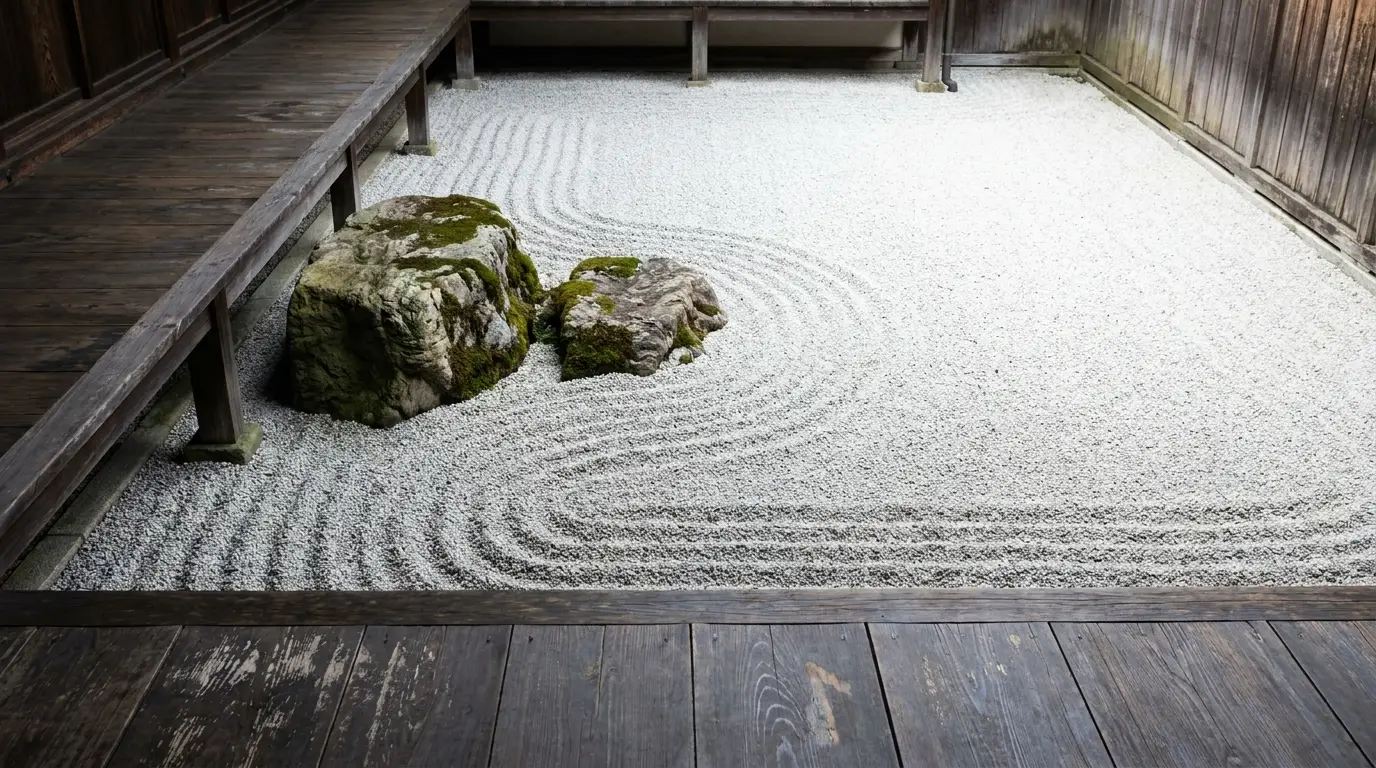
Many temples feature carefully arranged dry landscape gardens designed to encourage quiet contemplation. After a long day of hiking steep trails, these serene spaces offer a peaceful setting for rest.
You frequently compare these key garden features during your visits:
- Raked Gravel Patterns: Visitors observe the precise, ocean-like waves raked into white gravel surrounds by temple monks
- Symbolic Rock Placements: Compare the deliberate arrangement of mossy stones representing islands and mountain peaks
- Seasonal Foliage: Vibrant cherry blossoms in spring and crimson maples in autumn transform the visual character of each garden
3. Discovering Historical and Cultural Significance
Every temple along a pilgrimage route possesses a distinct historical background and cultural legacy. Some sites served as quiet retreats for wandering monks, while others played pivotal roles during feudal historical eras. Learning these backstories gives you a deeper perspective on the regions they traverse.
Exhibits of historic artefacts, ancient scrolls, and traditional wooden artwork enrich the visit further. Discussing these historical connections with fellow walkers adds educational value to the journey. Understanding the heritage of each site makes the physical trek far more meaningful.
4. Experiencing Traditional Rituals and Practices
Observing or participating in temple traditions provides memorable cultural insights for international walkers. Different Buddhist sects observe unique daily rituals that reflect their core teachings.
You often compare these spiritual experiences along your route:
- Morning Meditation: Compare the quiet focus of early morning seated Zen meditation sessions held in main halls
- Purification Ceremonies: Observing traditional incense clearing or fire rituals offers a dramatic look into local devotional customs
- Goshuin Stamp Books: Collecting hand-drawn calligraphy stamps at each temple serves as a unique visual record of the journey
5. Appreciating Natural Mountain Settings
The natural setting of a temple heavily influences its atmosphere and visual appeal for passing hikers. A shrine perched on a rocky cliff top offers sweeping valley views, while one hidden in a dense cedar grove feels secluded and tranquil. As a hiker, you frequently rank sites based on how harmoniously the architecture integrates with the surrounding forest.
Approaching a historic complex along a moss-lined stone path surrounded by tall trees creates a memorable arrival experience. Sunlight filtering through the canopy onto wooden verandas enhances the quiet atmosphere. These natural backdrops ensure each stop along the trail offers a distinct visual perspective.
Embark on Your Pilgrimage Adventure
Trekking along ancient pilgrimage trails provides an enriching way to explore historic landscapes and local culture. Comparing unique temple sites along the path deepens your understanding of traditional architecture, garden design, and regional heritage. You return home with lasting memories and a refreshed perspective.
Plan your next trekking adventure to experience these historic trails and sacred landmarks firsthand. Lace up your boots and step onto paths that have welcomed travellers for centuries.