Large residential trees add immense value, natural shade, and visual appeal to your property throughout the year. However, mature branches quickly become serious safety risks during severe storms or seasonal high winds. Falling limbs threaten delicate roofs, parked vehicles, and the physical safety of your family members.
Proactive maintenance remains the most effective way to manage these natural property hazards. Professional arborists utilise specific cutting methods to keep large canopies healthy and physically stable. Here are five hazard reduction techniques used to safely secure your mature trees.
1. Crown Thinning To Reduce Wind Resistance
When severe weather strikes, a dense tree canopy acts like a solid sail that catches heavy wind gusts. This intense wind pressure creates severe mechanical stress on the main trunk and shallow root systems.
Strategic tree pruning targets inner branches to improve internal canopy circulation safely and effectively:
- Removing Crossing Branches: Cutting branches that rub together prevents open bark wounds and subsequent fungal decay
- Clearing Water Sprouts: Trimming weak vertical shoots directs vital growth energy back to stable structural limbs
- Improving Light Penetration: Opening the canopy centre helps interior foliage absorb sunlight for better photosynthesis
2. Deadwooding To Prevent Falling Branches
Dead or dying branches decay rapidly and lose their structural attachment to the main trunk over time. These brittle limbs can snap and fall at any moment without any prior warning or severe weather. Removing this dead material protects your property from unpredictable falling debris all year round.
Trained arborists identify decaying limbs by looking for missing bark, discoloured wood, and active fungal growth. They cut these dead sections back to the healthy branch collar attached to the main trunk. By using this clean removal technique, rot is prevented from spreading deeper into the vital heartwood.
3. Crown Lifting For Safe Ground Clearance
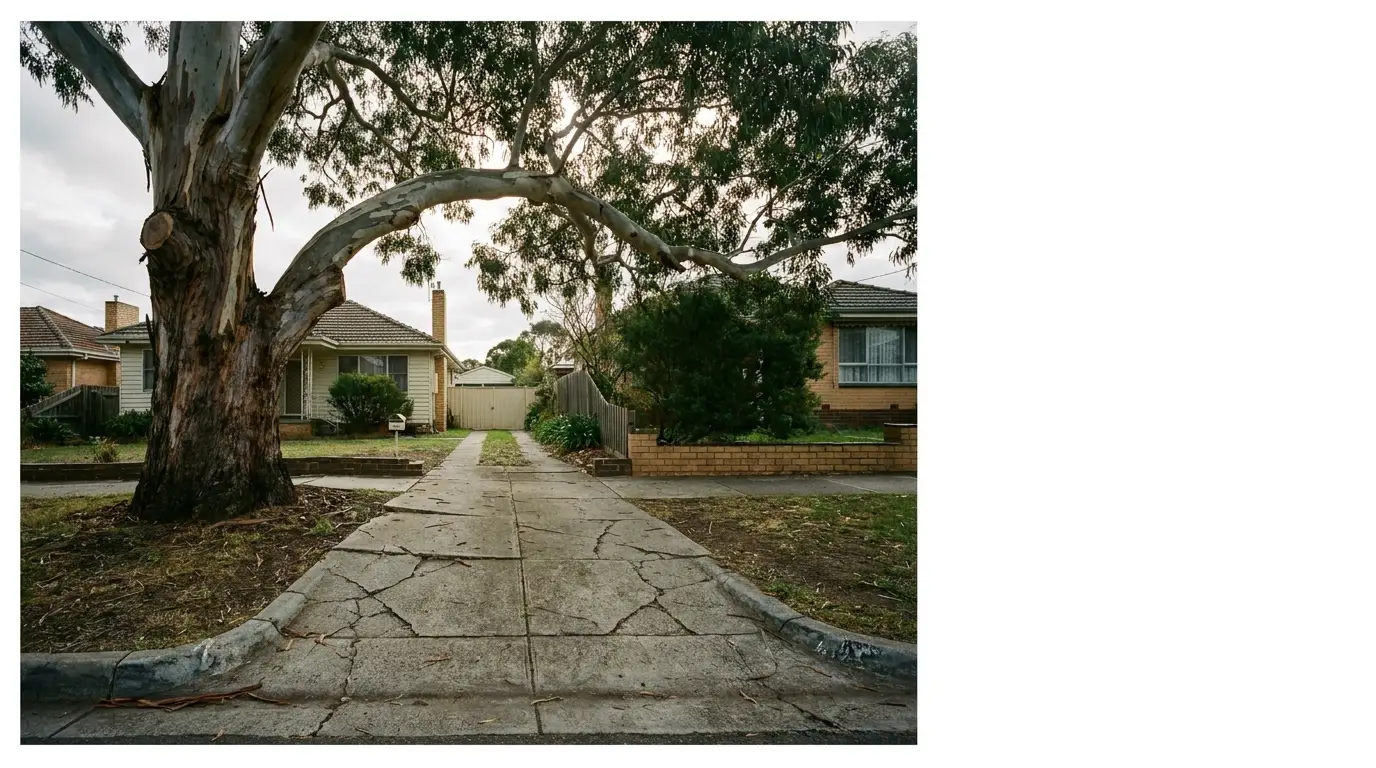
Low-hanging branches often create physical obstacles over driveways, footpaths, and busy residential streets. These drooping limbs block driver visibility and scrape against tall delivery vehicles passing through. Crown lifting involves removing the lowest branches to raise the entire canopy base safely.
Arborists use precise measurements to ensure they do not remove too much lower foliage at once:
- Clearing Pedestrian Paths: Raising branches above two metres stops pedestrians from ducking or suffering eye injuries
- Protecting Roof Lines: Cutting limbs away from house gutters stops debris buildup and prevents roof tile damage
- Improving Street Visibility: Clearing low foliage helps local drivers see street signs and incoming traffic clearly
4. Directional Pruning Near Service Lines
Trees growing near overhead power lines pose a significant fire and electrocution hazard to suburban neighbourhoods. Directional pruning trains the tree to grow away from these critical utility services over time. To guide new growth away from high-voltage danger zones, arborists cut specific lateral branches.
This technique preserves the natural shape of the tree while keeping power lines completely clear. It provides a healthier alternative to chopping off the top of the tree, known as topping. The tree naturally adapts its growth pattern to avoid the electrical hazard safely.
5. Weight Reduction On Heavy Lateral Branches
Some trees develop long, horizontal branches that grow too far outward from the main trunk. These heavy lateral limbs suffer from extreme gravitational pull and constant structural stress. If left unmanaged, the sheer weight can cause the branch to tear away entirely during storms. This tearing leaves an open wound that invites pests and structural decay into the trunk.
Arborists reduce this weight by trimming the outer foliage and smaller tips of these extended branches. Shortening the limb reduces physical leverage and eases the strain on the main attachment point. This targeted reduction stops sudden branch failure during heavy rain or sustained winds.
Protect Your Property With Proactive Canopy Management
Applying these hazard reduction methods ensures your mature trees remain a safe and valuable property asset. Managing heavy limbs, removing deadwood, and reducing wind resistance prevents unexpected property damage during wild weather.
Taking proactive steps today saves you from dealing with severe storm damage and expensive cleanup fees tomorrow. Contact experienced arborists today to schedule a comprehensive hazard assessment for your large residential trees.