


For parents who pump breast milk, choosing a breast pump is only the beginning. There are pumping sessions to fit into the day, milk to store, bottles to prepare, and pump parts to clean before the next session. When these tasks repeat several times a day, even a well-planned feeding routine can start to feel like a second job.
The goal isn’t to make every part of pumping effortless. It’s to build a routine that works in real life, with fewer last-minute scrambles and less time spent figuring out what needs to happen next. A few practical habits can help parents manage the process, from preparing supplies to keeping feeding equipment clean and ready to use.
1. Start With a Pumping Setup That Fits Your Day
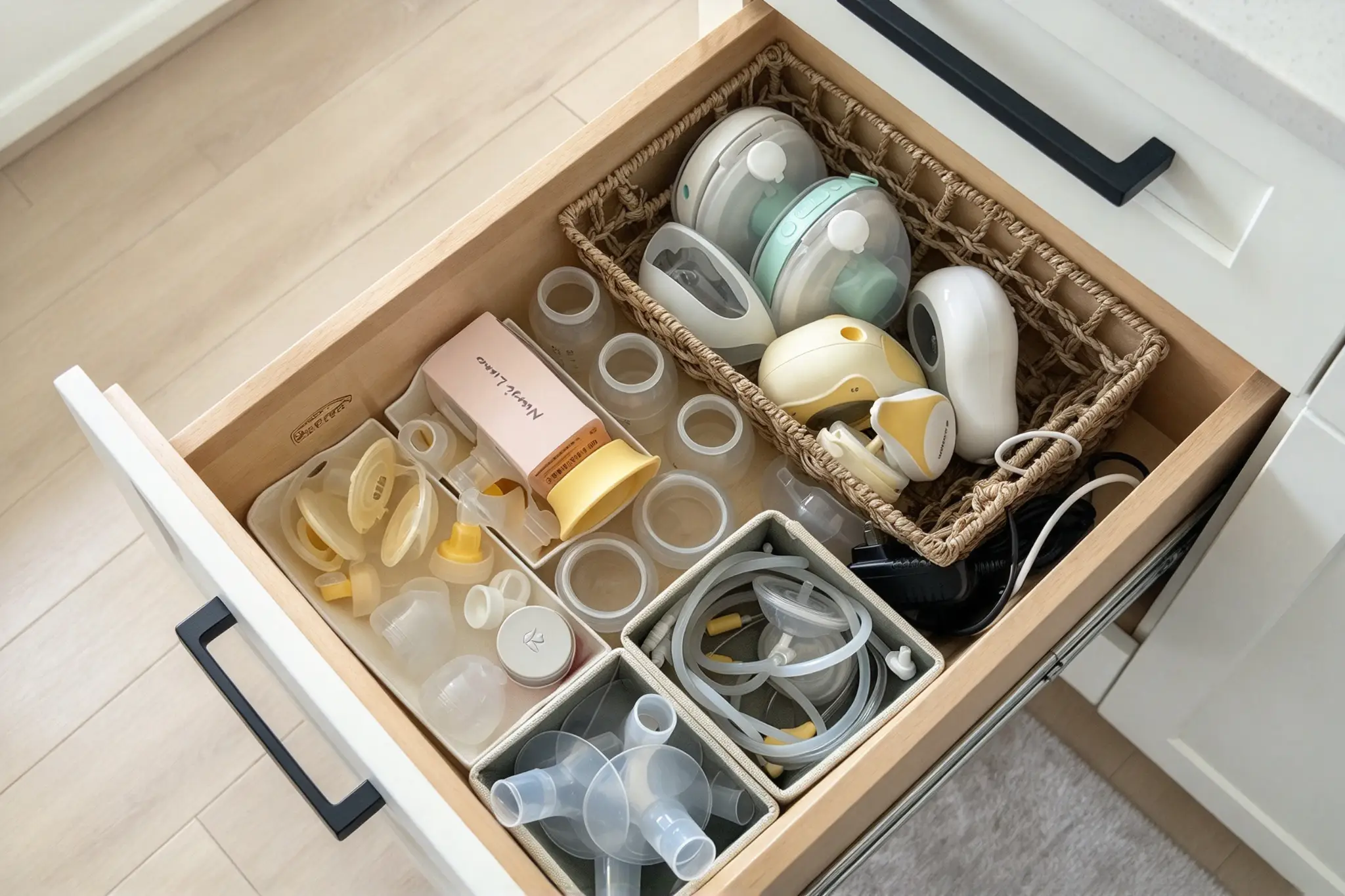
The most useful pumping setup is one that fits the way a parent actually lives and works. Someone pumping at home may have different needs from someone who pumps during a workday or while caring for an older child.
Before each session, it helps to have the essentials within reach: the pump, compatible collection bottles or containers, the parts needed for assembly, and a clean space to set everything down. Keeping these items together can reduce the number of small things to remember when time is limited.
Parents returning to work may also benefit from preparing a dedicated pumping bag. Depending on their setup, it might include the pump and accessories, milk storage bags or containers, labels, and an insulated cooler with ice packs when refrigeration isn’t readily available.
It’s worth thinking beyond the pump itself, too. Having enough compatible parts and a reliable plan for cleaning them can make a noticeable difference to the flow of the day. Rather than rushing to wash a set immediately before the next session, parents can plan around their actual pumping frequency and the equipment they have available.
2. Make Milk Storage Part of the Routine
Once a pumping session is finished, handling the expressed milk is another task to complete. Keeping this step consistent can make it easier to organize milk for upcoming feeds and avoid confusion about when it was expressed.
Use breast milk storage bags or clean, food-grade containers designed for storing milk. Label each container with the date it was expressed, and place it in the refrigerator, freezer, or an insulated cooler with ice packs as appropriate. Following recommended storage times and temperatures is important for maintaining milk safety and quality.
The CDC‘s guidance on breast milk storage and preparation provides practical recommendations for storing, thawing, and preparing expressed milk.
For parents who pump at work, it can help to establish a simple end-of-session checklist: secure and label the milk, store it appropriately, and set aside the used pump parts for cleaning. Separating these steps makes it easier to keep track of both the milk and the equipment.
3. Don’t Overlook the Work That Happens After Pumping
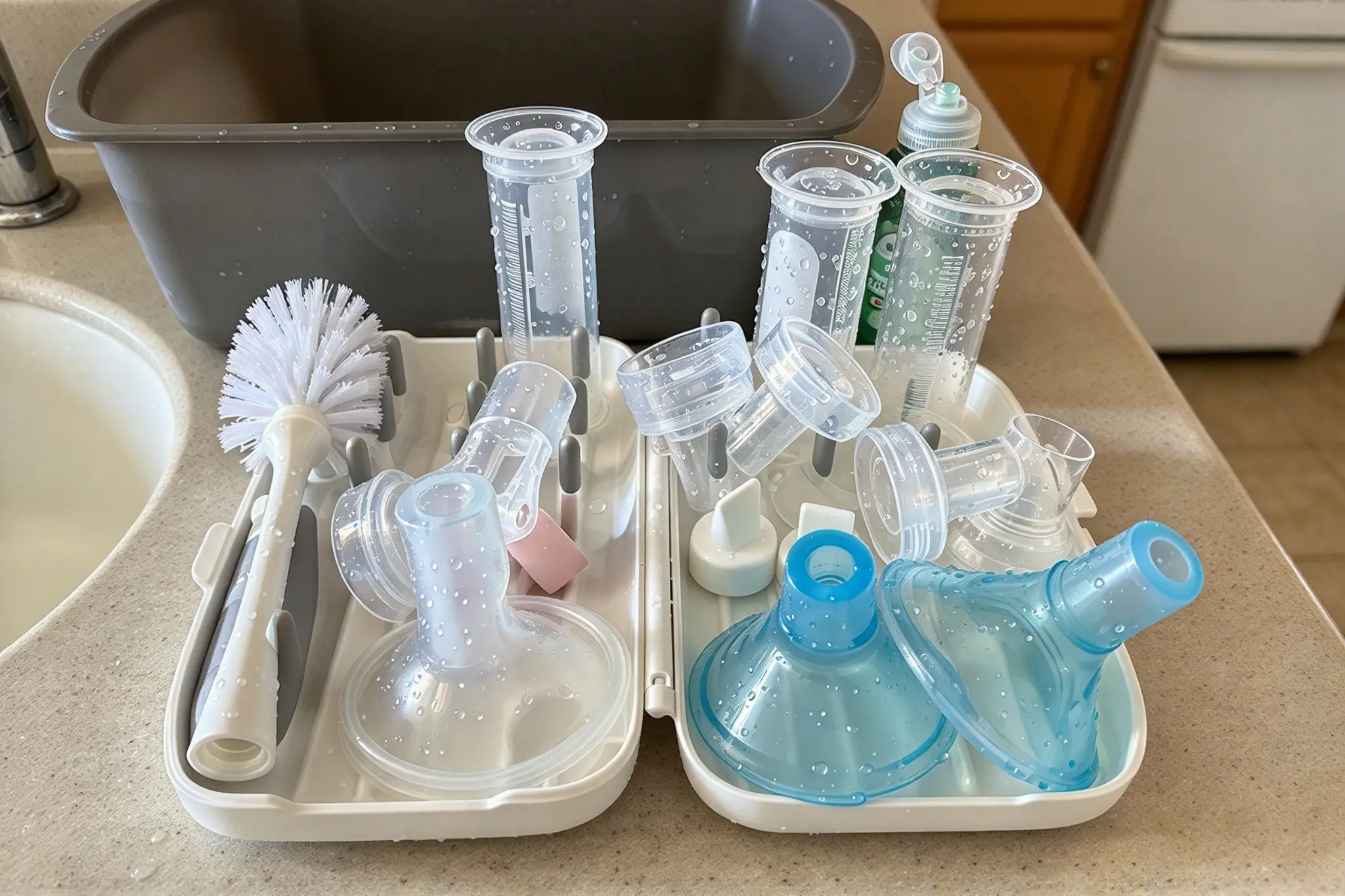
Pump-part cleaning is one of the most repetitive parts of a pumping routine. Flanges, valves, membranes, connectors, and collection bottles may all need attention, depending on the pump design. Some components are small, some have hard-to-reach areas, and different parts may have different cleaning requirements.
The CDC recommends cleaning pump parts that come into contact with breast milk as soon as possible after pumping. Parents should disassemble the relevant components and follow the pump manufacturer’s instructions for cleaning each part.
Sanitizing is a separate step from cleaning. The CDC recommends sanitizing pump parts at least once daily for extra protection, particularly when a baby is younger than two months, was born prematurely, or has a weakened immune system. Follow both the pump manufacturer’s guidance and the applicable health recommendations to determine the appropriate method for each component.
Drying and storage matter, too. Clean parts should be allowed to dry thoroughly before being stored in a clean, protected place. Putting damp components away can create another problem for the next session, when parents expect their equipment to be ready.
4. Find a Cleaning Setup You Can Keep Up With
Handwashing can work well, but it involves several steps: separating the parts, washing them thoroughly, rinsing away soap, allowing them to dry, and storing them safely. When pumping happens frequently, these steps can add up across the day.
A dishwasher may be suitable for some pump parts and feeding accessories, provided the items are dishwasher-safe and the manufacturer’s instructions allow it. But cleaning frequency, detergent odors, and staining can be concerns.
For households that regularly clean bottles and pump parts, an all-in-one baby bottle washer system can be another option to consider.
The Papablic SafeguardPlus™ Baby Bottle Washer System (P8Plus) combines water filtration, washing, sterilizing, drying, and storage in one appliance. Its capacity accommodates up to 8 bottle sets or 2 pump parts and other feeding accessories. The system is designed to bring several bottle-cleaning steps together, which may be particularly useful for parents who want to spend less time managing separate appliances and countertop drying areas.
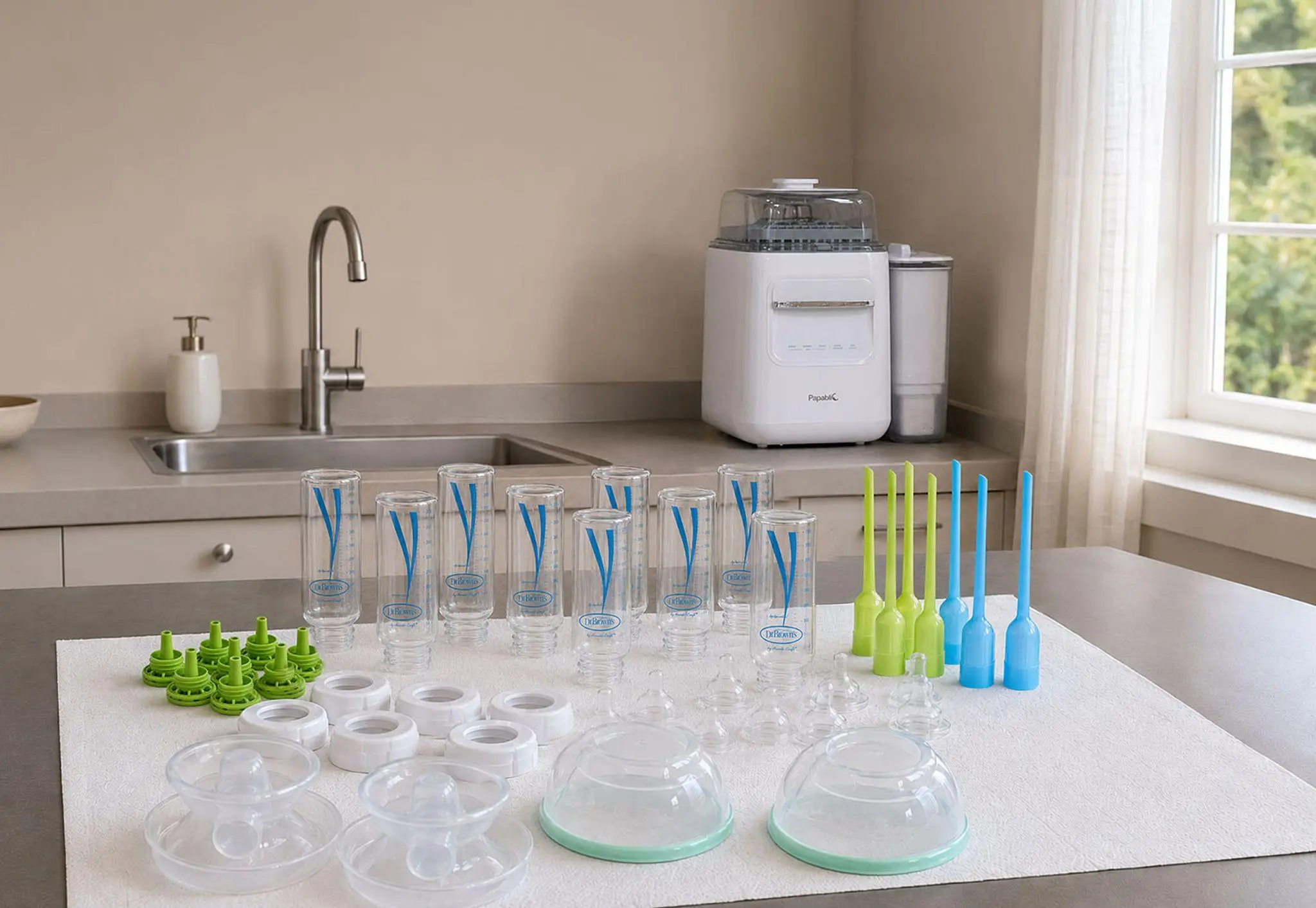
It also features a built-in water filtration system designed to soften water, reduce lead and PFAS contaminants, and help minimize water spots and limescale buildup. The system’s water filtration performance is supported by SGC and WQA certifications. For busy parents, a 12-minute quick-wash cycle offers a convenient option when time is tight.
For parents who pump regularly, the main benefit is having a more organized way to manage the cleaning stage of the routine. Rather than treating every bottle and pump part as a separate task, they can plan their equipment cleaning around their household’s feeding needs.
5. Prepare for the Next Session Before You Need It
A small amount of preparation can help prevent the familiar scramble for a clean flange, bottle, or storage container when it’s time to pump again.
At the end of a session, parents can take a few minutes to organize what comes next:
- Store expressed milk according to recommended guidelines.
- Separate and clean the pump parts that came into contact with breast milk.
- Allow cleaned parts to dry thoroughly and store them in a clean, protected place.
- Check that the next session’s necessary components and collection containers are available.
- Restock a work or travel pumping bag before it runs out of essentials.
The idea isn’t to add another elaborate checklist to an already busy day. It’s to make the recurring steps predictable enough that parents don’t have to rethink the entire process every time.
It can also help to keep a spare set of compatible pump parts when the budget and equipment allow. Having an additional set may give parents more flexibility to rotate equipment while another set is being cleaned and dried.
6. Build a Routine Around Your Real Life
There is no single pumping routine that works for every household. Exclusive pumping, occasional pumping, combination feeding, and pumping while returning to work all create different demands. The most useful system is one that accommodates those differences without making everyday tasks more complicated.
For some families, that means preparing supplies the night before. For others, it means keeping a dedicated work bag or organizing a clear space for clean equipment. For households that wash bottles and pump parts multiple times a day, choosing equipment like Papablic P8Plus that combines several cleaning steps may help reduce the number of separate tasks to manage.
Pumping will always involve some preparation and cleanup, but parents don’t have to make every session a fresh logistical challenge. With a practical plan for milk storage, equipment cleaning, drying, and preparation, the routine can become easier to maintain.
The aim is simple: spend less time figuring out the next step and more time on the parts of family life that matter beyond the feeding schedule.
Frequently Asked Questions
1. How often should you clean breast pump parts?
The CDC recommends cleaning pump parts that come into contact with breast milk as soon as possible after each use. Follow the cleaning instructions for your specific pump, and allow parts to air-dry thoroughly before storing them.
2. How can you make a pumping routine easier to manage?
Prepare your pumping supplies in advance, label and store expressed milk promptly, and establish a consistent routine for cleaning, drying, and organizing pump parts. Keeping these steps predictable can make each session easier to fit into a busy day.
3. Can the Papablic SafeguardPlus clean breast pump parts?
Yes, the SafeguardPlus is designed to clean breast pump parts alongside baby bottles and other feeding accessories. Parents should check the product instructions and their pump manufacturer’s guidance to confirm compatibility before loading individual components.
4. Is a baby bottle washer worth it for parents who pump regularly?
For parents who pump frequently, cleaning bottles and pump parts can become a recurring time commitment. The SafeguardPlus can help streamline this part of the routine by handling feeding equipment in one system, with capacity for up to 8 bottle sets or 2 pump parts and accessories. It can be a practical option for parents looking to simplify daily feeding prep and cleanup.