Expanding your creative toolkit is a vital step for any developing painter. Relying solely on basic paints can limit your ability to express complex ideas. Adding specialised mixing liquids to your workflow changes how your paint behaves.
These additives alter drying times, thickness, and finishes to suit your needs. Learn about five essential mediums that improve fine art supplies in this blog.
1. Heavy Gel Mediums for Texture
Adding texture to a flat canvas instantly creates a dynamic viewing experience. Heavy gel mediums thicken your standard acrylic paint without losing any colour intensity. They are perfect for artists who love using palette knives to build forms. Shopping at Art Shed helps you find the right consistency.
These thick gels hold sharp peaks and prominent brush strokes as they cure. They will not flatten out or shrink during the evaporation process on canvas. This allows you to build three-dimensional elements directly onto your flat painting surface.
2. Glazing Liquids for Luminous Layers
Creating glowing, transparent layers requires thinning your paint considerably before applying it. Using plain water breaks down the paint binder and causes uneven adhesion. Glazing liquids thin the pigment while maintaining the structural integrity of the polymer.
The following are some useful reasons to include glazing liquids in your art studio:
- Optical Blending: Stack transparent colours to create complex new hues without muddying the paint
- Extended Drying: These liquids slow down the drying process for easier blending on the canvas
- Seamless Gradients: Create smooth transitions in skies and backgrounds without leaving harsh brush marks
- Surface Sheen: They level out to form a beautifully uniform, glossy finish when fully dry
3. Matte Mediums for Glare Reduction
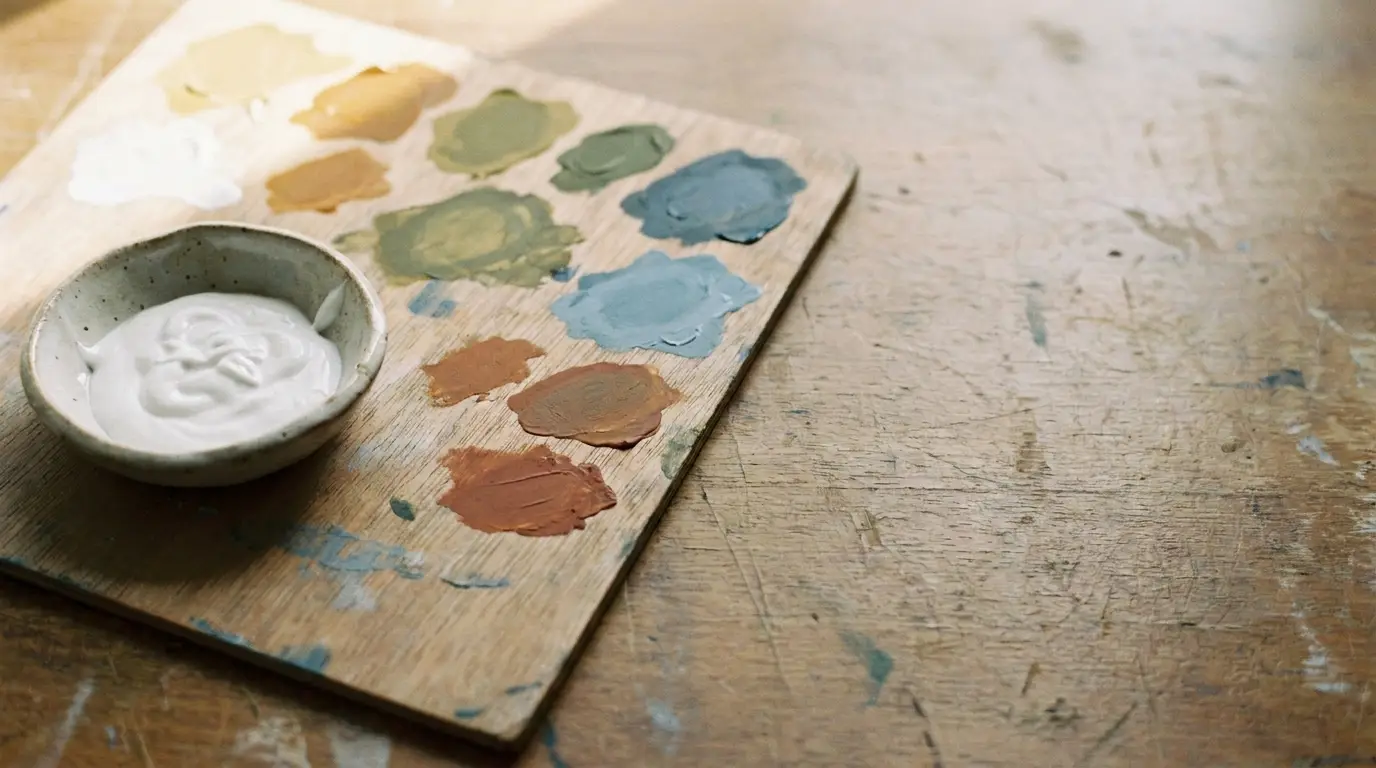
Many standard paints dry with a glossy, highly reflective surface finish inherently. This glare can make viewing the artwork difficult under bright gallery lighting. Matte mediums reduce this surface shine, leaving a flat, velvety appearance instead.
You can mix the medium directly into your colours before applying them to your painting. Alternatively, you can brush it over a finished painting as a protective topcoat. It ensures that the viewer sees your true colours without any distracting light reflections.
4. Retarders To Slow Drying Times
Retarders are specialised additives that slow down the evaporation of water. Adding a small amount gives you hours of workable time instead of minutes.
Here is how slowing the drying process benefits your specific painting workflow:
- Wet-on-Wet Blending: Achieve soft, seamless colour transitions typical of traditional oil painting techniques
- Palette Preservation: Keep your mixed colours wet on the palette for an entire studio session
- Reduced Stress: Paint at a relaxed pace without rushing to beat the fast-drying clock
- Detailed Rendering: Take your time painting intricate details like portraits and complex fabric folds
5. Pouring Mediums for Fluid Art
Fluid art relies on paints that flow smoothly across a horizontal surface. Mixing water into acrylics causes the colours to separate and the binder to fail. Pouring mediums reduce the viscosity of the paint while keeping colours vibrant. They allow the paint to puddle, drip, and flow without cracking.
This additive creates stunning marbled effects and organic patterns effortlessly on board. You can tilt the canvas to guide the flowing colours into abstract designs. The medium dries to a tough, glossy finish that looks like poured glass.
Upgrade Your Setup With Professional Mixing Tools
Relying solely on paint straight from the tube limits your creative potential. By introducing gels, glazes, and retarders, you gain complete control over materials. You can finally dictate the exact texture, drying time, and visual finish.
Take the time to experiment with these versatile additives in your studio space. You will quickly discover new techniques that elevate your standard flat paintings. Your creative journey deserves the best tools available to succeed properly.