For many teenagers, learning to drive is not only about passing a permit test. It is about getting to rehearsal without asking for a ride, driving to a weekend show with friends, helping with family errands, or having a little more control over a packed school-and-social schedule. In 2026, that first step toward independence increasingly begins online, where students can study at home, move through lessons at a steadier pace, and prepare for the road without adding another rigid classroom commitment to the week.
The shift toward online driver’s ed also fits the way young people already learn. Music lessons, test prep, tutorials, creator tools, fitness plans, and even college planning now happen through phones and laptops. Driver education is following the same pattern, not because driving has become less serious, but because students and parents want a format that feels easier to manage before the behind-the-wheel stage begins.
Digital Learning Fits the Schedule Teenagers Actually Have
Teen schedules can be surprisingly crowded. Between school, part-time jobs, sports, rehearsals, family responsibilities, and social plans, finding time for a fixed classroom course is not always simple. A student who spends weekdays studying and weekends at shows, practice spaces, or family events may need a format that can fit around real life instead of controlling it.
Online driver’s ed works well here because it removes the commute to a classroom and gives students more control over when they study. That does not mean the course should be casual or rushed. The value is that students can return to lessons when they are alert, review sections when needed, and avoid treating driver education like one more appointment squeezed between everything else.
Why California Teens Are Looking Online First
California is a state where transportation habits vary wildly. Some teens grow up near public transit, rideshare options, bike-friendly areas, or walkable neighborhoods. Others live in places where driving is tied closely to school, work, family help, and social life. For many families, the goal is not to rush a teenager onto the road. It is to give them a structured way to prepare before they start taking on more responsibility.
That is why many families search for a drivers ed course california when they want a learning option that fits the state’s teen licensing path while still feeling manageable at home. The course itself is only one part of becoming a safer new driver, but it can make the permit-prep stage feel more organized before the student moves into supervised practice and real driving decisions.
This matters because teens are not just learning signs and rules. They are learning how to think ahead, notice risk, manage distractions, and understand what responsibility feels like from the driver’s seat. A good online course allows students to absorb these ideas before they face the pressures of traffic, passengers, parking lots, and night driving.
The Connection Between Music Culture and Mobility
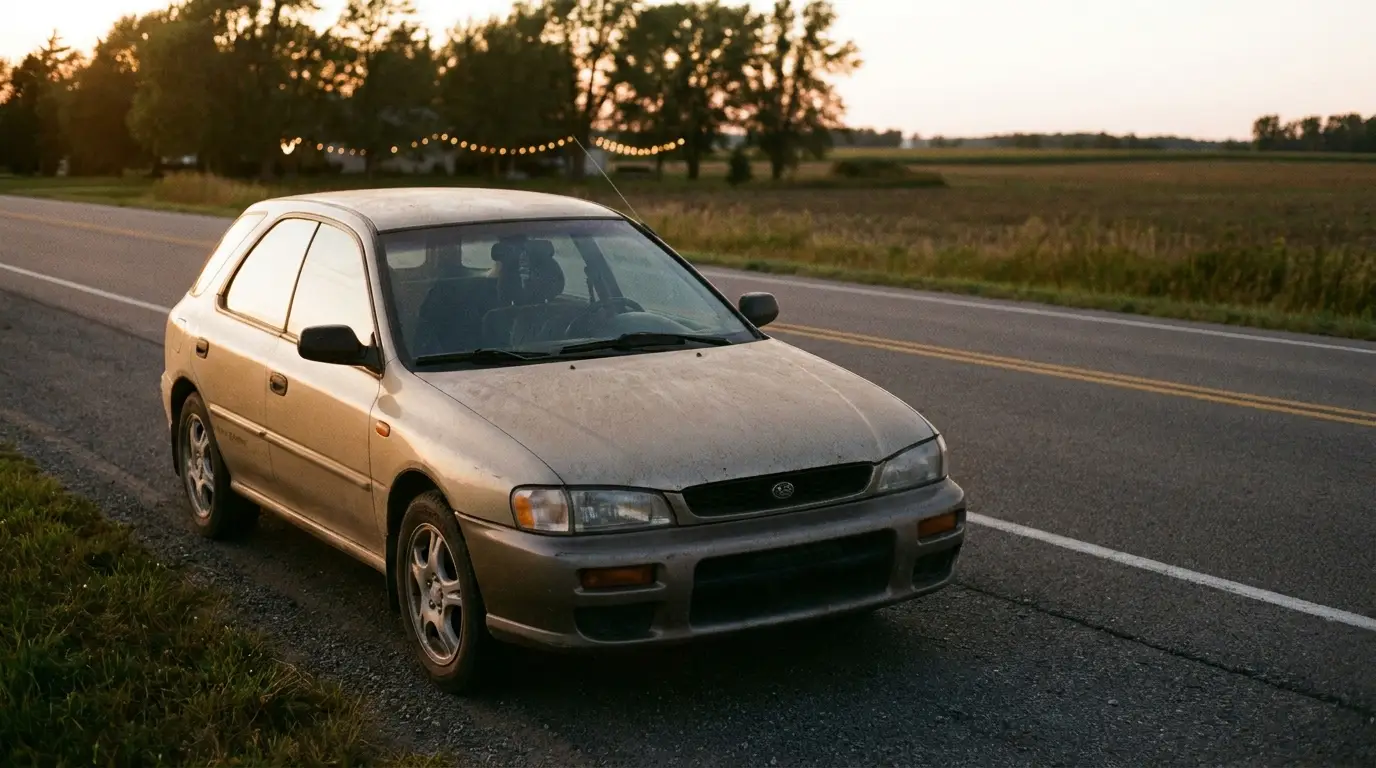
For a music-focused audience, driving has always had a cultural side. First cars, late-night playlists, road trips, small venue shows, festival parking lots, and rides with friends all sit somewhere in the background of youth culture. A teen’s first year of driving may include school commutes and errands, but it may also include the first time they are trusted to get themselves to a concert, a lesson, a band practice, or a weekend event.
That freedom comes with responsibility. The same phone that holds playlists, tickets, maps, and group chats can also become a distraction behind the wheel. The same excitement around a show can lead to tired driving late at night. The same group of friends that makes a drive fun can make it harder for a new driver to stay focused.
Online driver’s ed can help because it gives students a quieter place to learn the rules before the real-life social pressure starts. The best preparation is not only memorizing what to do at a stop sign. It is understanding how quickly a normal drive can change when music is loud, passengers are talking, a phone lights up, or a driver is tired after an event.
Parents Like the Transparency of Online Learning
Parents often want two things at once: they want their teen to become more independent, and they want that independence to happen carefully. Online driver’s ed can support both goals because it makes the early learning stage visible. A parent can ask what the teen covered, talk through examples, and connect online lessons to real situations on local roads.
That parent conversation matters. Driver education is stronger when it does not live only inside the course. A lesson about following distance becomes more useful when a parent points it out during a supervised drive. A module about distraction becomes more memorable when the family sets a phone rule before the teen ever drives alone. A section about night driving becomes more practical when parents talk honestly about fatigue after concerts, games, rehearsals, or late shifts.
The online format gives families more chances to turn lessons into regular conversations. That can make the process feel less like a requirement and more like preparation for everyday life.
What Students Should Expect From a Better Online Course
A useful online driver’s ed course should be clear, structured, and easy to return to. Teenagers should not have to guess where they left off or what comes next. The best experience feels organized without becoming childish, and it respects the fact that students may be completing lessons between homework, activities, and family plans.
A strong course should help students
- understand California driving rules in plain language
- prepare for the permit stage with a clear learning path
- review risk, distraction, speed, right-of-way, and road signs
- study at home without a classroom commute
- move through lessons in a format that fits a teen schedule
| Student need | How online driver’s ed helps | Why it matters in California |
| Flexible study time | Lessons can be completed at home around school, work, and activities | Teen schedules often change week to week, especially with sports, music, and family plans |
| Permit preparation | The course gives students a structured path through rules, signs, and road safety topics | California teens need a clear foundation before moving into supervised driving |
| Distraction awareness | Modules can explain phone use, passengers, fatigue, and night-driving risks before real practice begins | New drivers often face social pressure during rides to events, rehearsals, and weekend plans |
| Parent involvement | Families can discuss lessons at home and connect them to local roads | Parents stay part of the learning process without needing a fixed classroom schedule |
| Safer first steps | Students begin with rules and risk awareness before handling traffic | Online study supports preparation, but does not replace behind-the-wheel practice |
Online Does Not Replace Real Driving Practice
The rise of online driver’s ed should not be misunderstood. A student still needs supervised practice, patience, coaching, and experience in real traffic. No online course can recreate the feeling of merging, judging speed, parking on a busy street, or staying calm when another driver behaves unpredictably.
What online learning can do is prepare the student before those moments happen. It gives a foundation of rules, expectations, and risk awareness. When a teen finally sits behind the wheel with a parent, guardian, or instructor, the basics should not feel completely new.
That balance is why more families are choosing online courses in 2026. They are not looking for shortcuts. They are looking for a practical first step that fits modern life before the more hands-on part begins.
A Practical First Step Toward Independence
Online driver’s ed has become popular because it matches how students already live and learn. It offers structure without forcing every family into the same classroom schedule. It helps teens prepare for the permit process while leaving room for school, music, activities, work, and family time.
For California teens, that flexibility can make the first stage of driving feel less overwhelming. The road still requires focus, maturity, and practice, but the learning process can start in a familiar place: at home, on a screen, with enough time to understand the responsibility that comes next.