The generation that grew up with smartphones is spending its evenings at sewing machines and with balls of yarn. Crafts once filed under “grandma hobbies” now fill craft clubs and TikTok feeds alike. Most of these crafts start with a short list of tools and a free evening, which is a big part of their appeal for young people who want something real to do with their hands.
How Many Young People Craft Today
Crafting is a mainstream pastime in the United States, and younger adults make up a large part of it. Mintel’s US Arts and Crafts Consumer Report, published in March 2025, found that 71% of American consumers identify as crafters. According to the same report, the crafter identity is made up mostly of women and of younger Gen Z and Millennial consumers.
The figure changes how crafting should be seen. Sewing, knitting and crochet are no longer niche hobbies kept alive by older generations. For many people born between 1997 and 2012, making things by hand is part of everyday life, alongside streaming, gaming and going to gigs.
Why Gen Z Is Turning Away From Screens
Gen Z’s interest in hands-on crafts grows partly out of fatigue with constant screen time. In its “Teens, Social Media and Technology 2024” report, published in December 2024, Pew Research Center found that 46% of U.S. teens aged 13 to 17 say they are online almost constantly. A decade earlier, the share was 24%.
Crafts offer a break that a phone cannot. Guiding fabric through a sewing machine needs both hands and full attention, and working a crochet hook leaves no free fingers for scrolling. Young makers often describe this as the main attraction: an hour of focus with a finished object at the end, instead of an hour of content that leaves nothing behind.
What Crafting Does for Wellbeing
Crafting is linked to better mental wellbeing in large-scale research. A study led by Dr Helen Keyes of Anglia Ruskin University, published in Frontiers in Public Health in August 2024, analysed responses from 7,182 adults in England to the government’s Taking Part survey. People who took part in arts and crafts reported higher happiness, higher life satisfaction and a stronger sense that their life was worthwhile.
The effect of crafting on feeling that life is worthwhile was larger than the effect of being employed, according to the researchers. Crafting did not predict lower loneliness, possibly because many crafts are done alone. The study is correlational, so it shows a link rather than proof that crafting causes better wellbeing. Even so, the findings help explain why young people facing stress and burnout are turning to crafts as everyday self-care.
Which Crafts Are Most Popular With Gen Z
Textile crafts such as knitting and sewing are among the most popular hands-on hobbies for Gen Z. A survey of UK 16- to 29-year-olds by holiday park operator Parkdean Resorts, reported in March 2026, asked young people to name their preferred analogue hobbies. Knitting or sewing was chosen by 21% of respondents, close behind gardening at 22%. Reading led the overall list at 38%.
Craft retail data shows textile crafts growing quickly. In its 2026 Creativity Trend Report, published in March 2026, craft retailer Michaels reported that searches for analog hobbies such as knitting, crocheting, embroidery, journaling and painting rose 136% in six months. Searches for sewing patterns rose 152% year over year. The Michaels figures cover shoppers of all ages, not Gen Z alone.
Why Sewing Appeals to Gen Z
Sewing appeals to Gen Z because it connects personal style with sustainability. Many young people buy second-hand clothing, and sewing lets them alter thrifted pieces to fit, repair worn seams and turn old garments into new ones.
Visible mending has become a style of its own. Techniques such as Japanese sashiko stitching turn a patch on a pair of jeans into a decorative feature rather than something to hide. A basic sewing machine opens up bigger projects, including:
- tote bags and pouches made from fabric offcuts
- simple skirts, shorts and pyjama trousers
- custom patches for jackets and backpacks
- band-shirt makeovers, from cropped tees to tote bags
Sewing suits small spaces, too. A compact machine fits on a desk, which matters for young people living in shared flats or student housing.
Why Knitting and Crochet Appeal to Gen Z
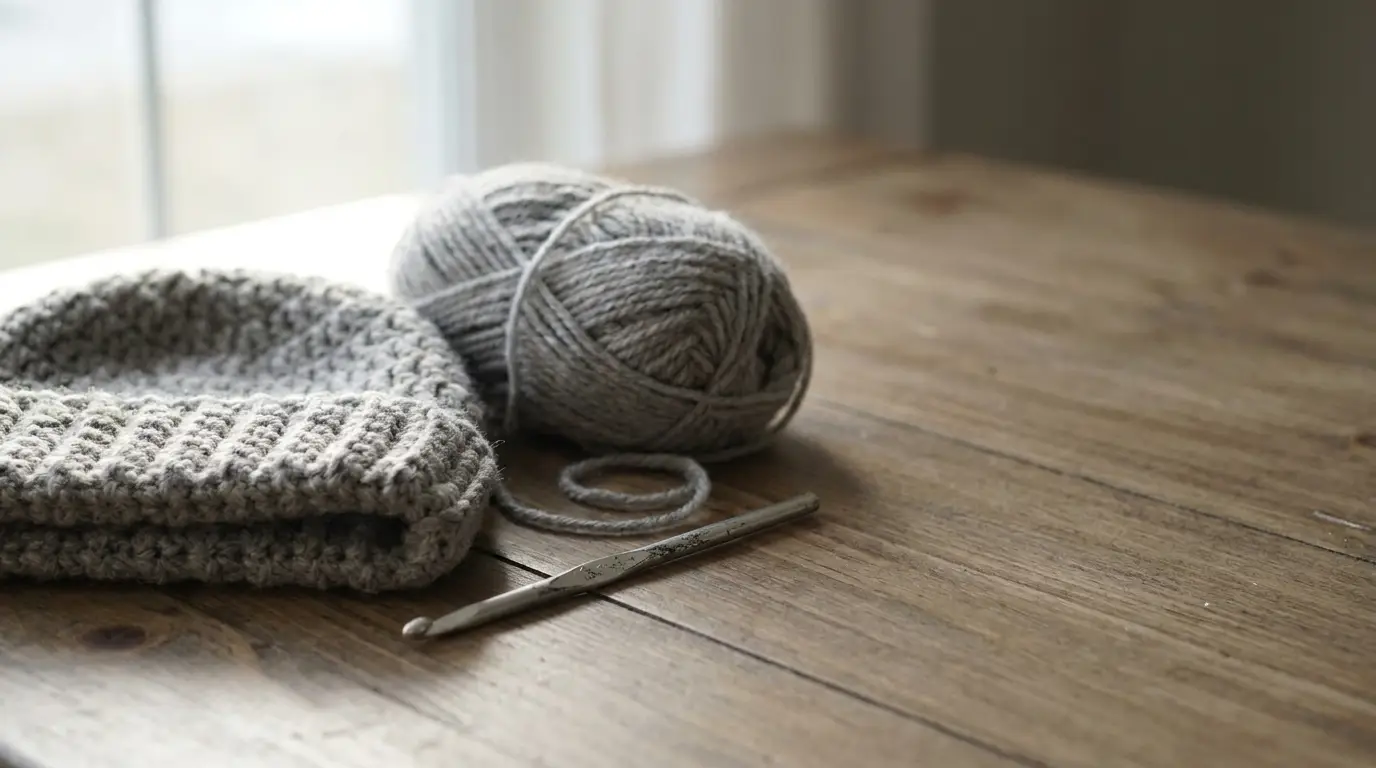
Knitting and crochet appeal to Gen Z because they are cheap to start, easy to carry and produce wearable results. A beginner needs little more than a ball of yarn and a pair of knitting needles or a single crochet hook.
Knitting and crochet differ in how stitches are made. Knitting uses two needles to hold a row of live stitches, while crochet uses one hook and works one stitch at a time, which makes mistakes easier to undo. Both crafts fit in a bag, so young makers work on projects on trains, between lectures or while waiting for a gig to start.
Common first knitting and crochet projects include:
- a beanie or a bucket hat
- a scarf or a simple headband
- granny squares that later join into a bag or blanket
- small plush toys, known as amigurumi
How to Choose First Tools for a Traditional Craft
Many Gen Z shoppers research products online before buying, often to avoid wasting money, and craft tools are no exception. Popular hands-on hobbies such as sewing and knitting use more specialist tools than most beginners expect, and knowing which few a first project needs keeps the starting cost of a new hobby low.
Allhometool.com is a website featuring more than 3,000 tools across 39 categories, with illustrations and practical information about their uses. Its sewing tools guide explains what each tool does and when to choose one over a similar alternative.
A practical way for a beginner to choose first craft tools follows these steps:
- Pick one first project. A tote bag, a knitted scarf or a crochet beanie each define a short list of tools.
- Buy only what that project needs. Extra tools can wait until the next project calls for them.
- Try before buying big equipment. Sewing classes and makerspaces let beginners try different sewing machines before investing in one.
- Choose quality for the tools used most. Sharp fabric scissors or a comfortable crochet hook make every session easier.
How Social Media Spreads Craft Hobbies
Social media spreads craft hobbies among Gen Z faster than any craft magazine ever did. Short videos of a hem being pinned or a granny square taking shape show beginners exactly what each step looks like, in under a minute.
Social platforms build community around crafts as well as teaching them. Makers post their first wonky attempts next to their latest work, and progress becomes part of the content. Hashtags for crochet, knitting and sewing fill with beginners asking questions and experienced makers answering them.
The same apps that keep young people scrolling often push them off their screens. Many Gen Z crafters discover a craft through a video, then spend the evening making instead of watching.
From Hobby to Side Income
For some Gen Z makers, a craft hobby grows into a small source of income. Crochet tops, knitted hats and upcycled clothing sell well at craft fairs, on marketplaces such as Etsy and Depop, and at merch tables run by independent musicians.
Turning a craft into a side income works best when it stays enjoyable. Young makers who sell their work usually start small with a few pieces at a local market, then build up as demand grows. Custom orders, such as matching crochet beanies for a band or reworked band shirts for a tour, often follow from friends and followers.
Conclusion
The handmade comeback shows that Gen Z wants more from free time than another hour online. Sewing, knitting and crochet give young people something to focus on, something to show for their effort and, often, a community of fellow makers.
Each of these textile crafts starts small: one project, a few basic tools and an evening away from the screen. For a generation raised on the digital, a mended pair of jeans or a hand-made beanie can feel more satisfying than any post.