

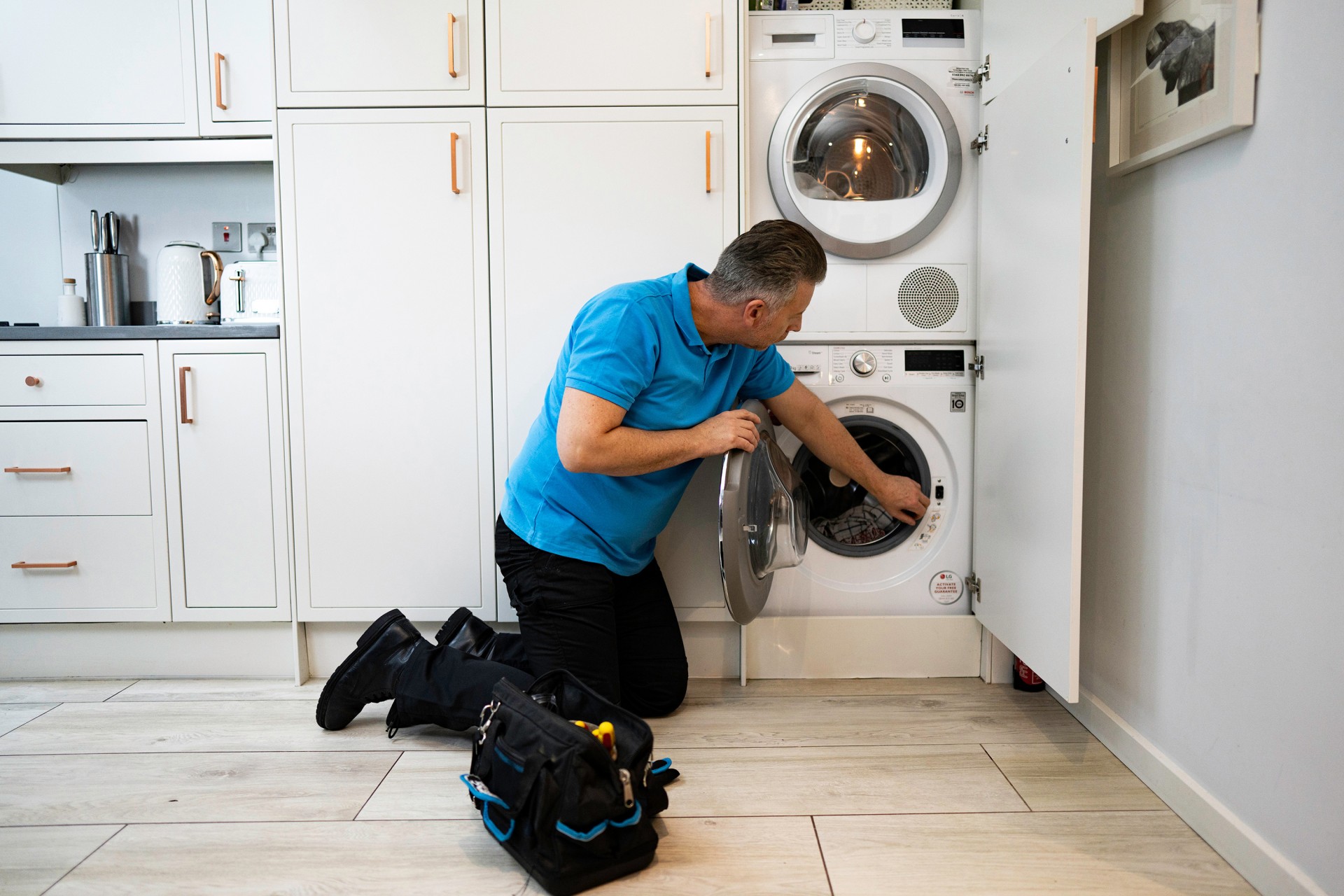
A washing machine, dishwasher or fridge breaking down again can make replacement feel inevitable. It is not. A repeat breakdown can still be economical to repair if the fault is isolated, parts are available and the appliance has useful life left.
The better question is not simply “How old is it?” It is: what has failed, is the same problem returning, and what is the likely cost of keeping the appliance running compared with replacing it?
One breakdown doesn’t mean an appliance is finished
One repairable fault is very different from a recurring appliance problem. A pump or seal failing after years of reliable use does not necessarily indicate wider wear. The same significant fault returning soon after repair, or several major components failing in quick succession, deserves closer assessment.
A useful diagnosis should answer two things: what needs fixing now, and whether the appliance’s wider condition makes another breakdown likely. Previous repair records can help an engineer distinguish an isolated fault from a developing pattern.
Age Matters, but Repair History Matters More
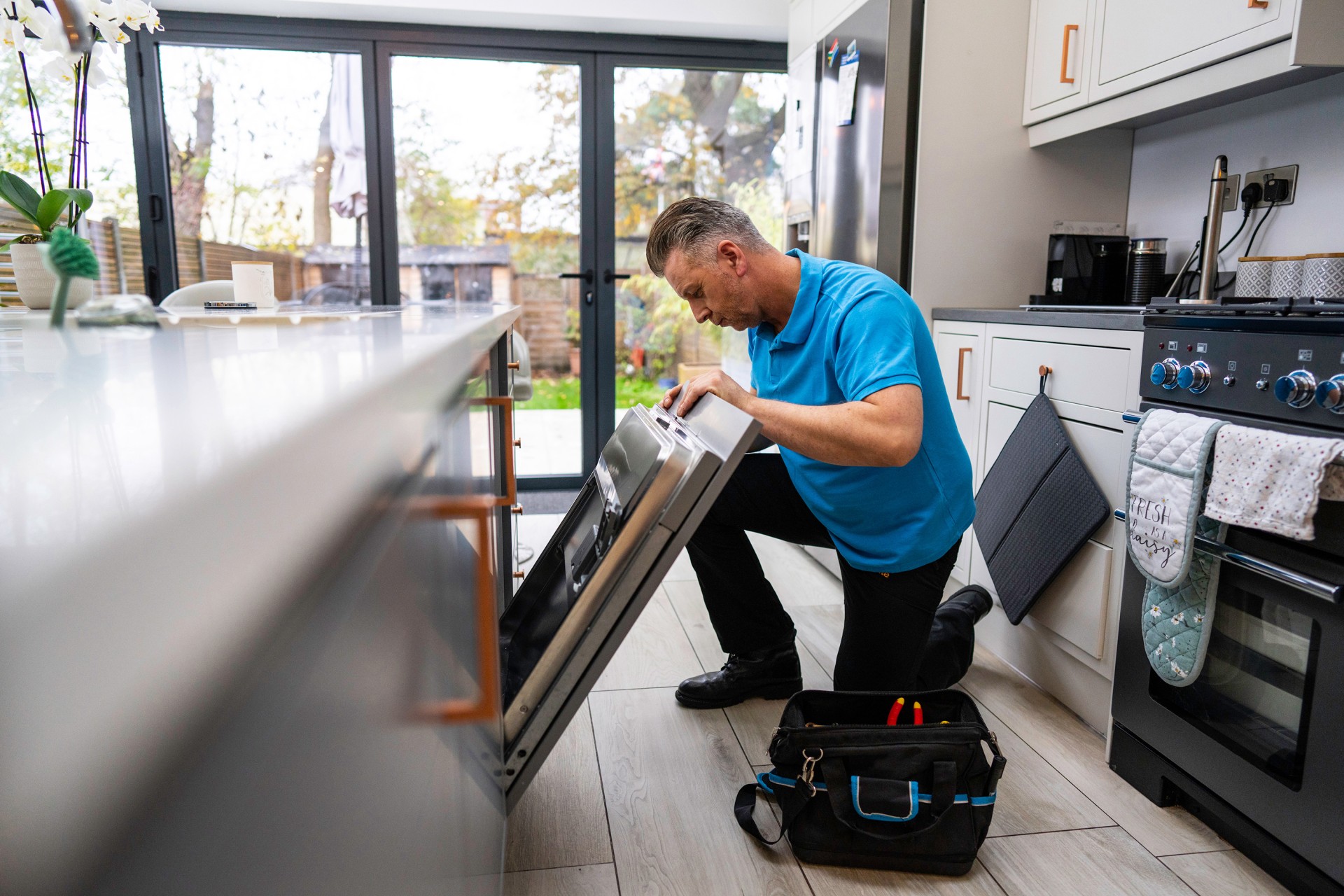
There is no universal age at which a washing machine, dishwasher or fridge becomes uneconomical to repair. An older appliance with one straightforward fault may still be better value to repair than a younger model with repeated electronic or mechanical failures.
Compare the appliance’s age, reliability, cumulative repair spend, current fault, energy use and likely remaining lifespan. Replacement becomes more attractive when repair costs are building, several components are wearing out, or a materially more efficient new appliance changes the long-term cost calculation.
Parts Access Can Decide Whether an Older Appliance Is Worth Repairing
For ageing appliances, the key question may be whether the correct spare part can still be sourced. A discontinued component, long lead time or unusually expensive part can turn a sensible repair into poor value.
Access to manufacturer networks therefore matters. Domestic & General (D&G) says it has access to the majority of OEM repair networks and is the chosen partner for the majority of major domestic-appliance manufacturers in the UK. Its protection proposition includes repairs and parts through manufacturer-approved engineers, subject to plan terms.
When Is Another Repair Still Good Value?
Another repair can make financial sense when the fault is isolated, the required part is available, the total price is clear and the appliance has otherwise been reliable. Compare the repair quote with the cost of a similar replacement rather than viewing it in isolation.
For households that prefer predictable costs, protection can change that calculation. If you do not already have cover, brands like D&G also allows one-off repair booking. D&G’s appliance cover states that covered repairs include call-outs, parts and labour without extra repair charges, although excesses and other terms can apply. If a covered appliance cannot be fixed, eligible plans can provide a replacement with the same or similar features, with installation or delivery costs potentially payable.
The scale of repair also shows why replacement should not be the automatic default. In 2026, D&G repaired more than 2.2 million appliances in the UK, with 79% of repairs completed on the first visit. For many households, that means a repair can remain a practical and cost-effective way to keep an otherwise serviceable appliance in use.
Repair Can Also Be the Lower-Waste Option
Replacing a repairable appliance creates an immediate material and manufacturing footprint. Extending its useful life can therefore be the more environmentally responsible choice when repair is viable.
D&G describes its model as “repair first”, and their annual report says Smart-Fix helped avoid more than 23,000 unnecessary engineer visits, while earlier lifecycle research reported that D&G-supported appliances lasted just over eight years longer on average under its assessment methodology.
That does not mean every appliance should be repaired indefinitely. Repair when it can return to reliable use at a sensible cost; replace when recurring faults, poor efficiency, unavailable parts or accumulated repair costs make another fix difficult to justify.
FAQs
Which Appliance Repair Service Is Best for Recurring Faults?
Choose a provider that reviews repair history as well as the latest fault. For repeated breakdowns, parts access, manufacturer expertise and a clear position on uneconomical repairs are especially important.
What Should a Transparent Appliance Repair Price Include?
Check the diagnostic or call-out fee, labour, parts, VAT, return visits and any repair guarantee. For a fixed-price repair, confirm whether the price stays the same if a part must be ordered or an engineer has to return.
What Happens if an Appliance Cannot Be Repaired?
With a one-off repair, replacement is usually the customer’s responsibility unless the service says otherwise. Some appliance protection plans, including eligible D&G plans, can provide a replacement when a covered appliance cannot be fixed, subject to the plan terms.