A bump on the lip can appear suddenly and make you wonder what caused it. It may feel sore, tender, swollen, or simply stay longer than expected.
If you’ve been thinking about why you have a bump on your lip, the answer isn’t always a cold sore.
Lip bumps can come from clogged pores, blocked salivary glands, allergies, canker sores, or harmless Fordyce spots.
This blog explains the common causes, how to tell a cold sore from a pimple on the lip, what a blister on the lip not a cold sore may mean, and when to seek care.
Disclaimer: This blog is for educational purposes only and should not be considered medical advice, diagnosis, or treatment. If you have a persistent, worsening, or painful lip bump, or develop severe swelling seek prompt evaluation from a qualified healthcare professional.
Why Do I Have a Bump on My Lip?
There isn’t one single answer because several conditions can cause a lip bump. The appearance, location, and symptoms usually provide the biggest clues.
A bump may be caused by a viral infection, such as a cold sore; a clogged pore that forms a pimple; a blocked salivary gland called a Mucocele; an allergic reaction; a canker sore inside the mouth; or harmless Fordyce spots.
Most lip bumps are temporary and improve with simple care, but a bump that lasts longer than two weeks, keeps coming back, or changes in size, color, or shape should be evaluated by a healthcare provider.
Types of Lip Bumps
Lip bumps can look similar, but their causes are different. This table shows common types, clinical names, and how each one usually appears.
| Type | Clinical name | Looks like |
|---|---|---|
| Cold sore | Herpes labialis | Tiny fluid blisters |
| Pimple | Acne pustule | Red bump with white center |
| Mucocele | Oral mucocele | Soft inner-lip bump |
| Canker sore | Aphthous ulcer | Small painful mouth sore |
| Fordyce spots | Sebaceous glands | Tiny white or yellow dots |
| Lip cyst | Epidermoid cyst | Firm lump under skin |
Causes of Lip Bumps
Lip bumps can come from the skin, the inside of the mouth, or the tiny glands around the lips. Here are the most common causes, according to trusted U.S. medical sources.
1. Cold Sores
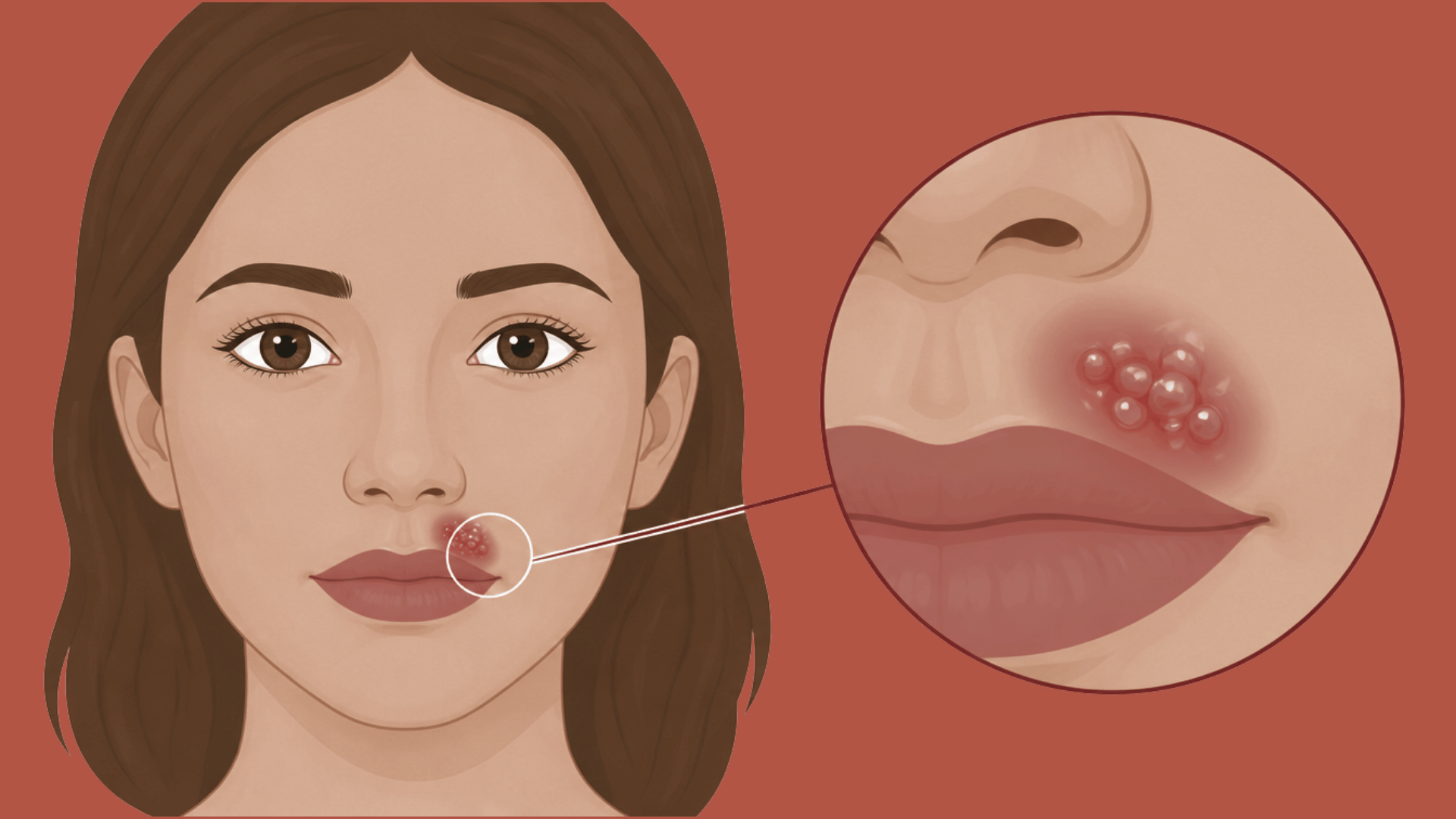
Cold sores are caused by the herpes simplex virus (HSV-1). They often begin with tingling or burning, followed by small fluid-filled blisters that crust over as they heal.
How to treat: Use antiviral cream or prescribed antiviral medicine as early as possible. Keep the area clean, avoid touching the sore, and avoid kissing or sharing personal items until healed.
2. Pimples
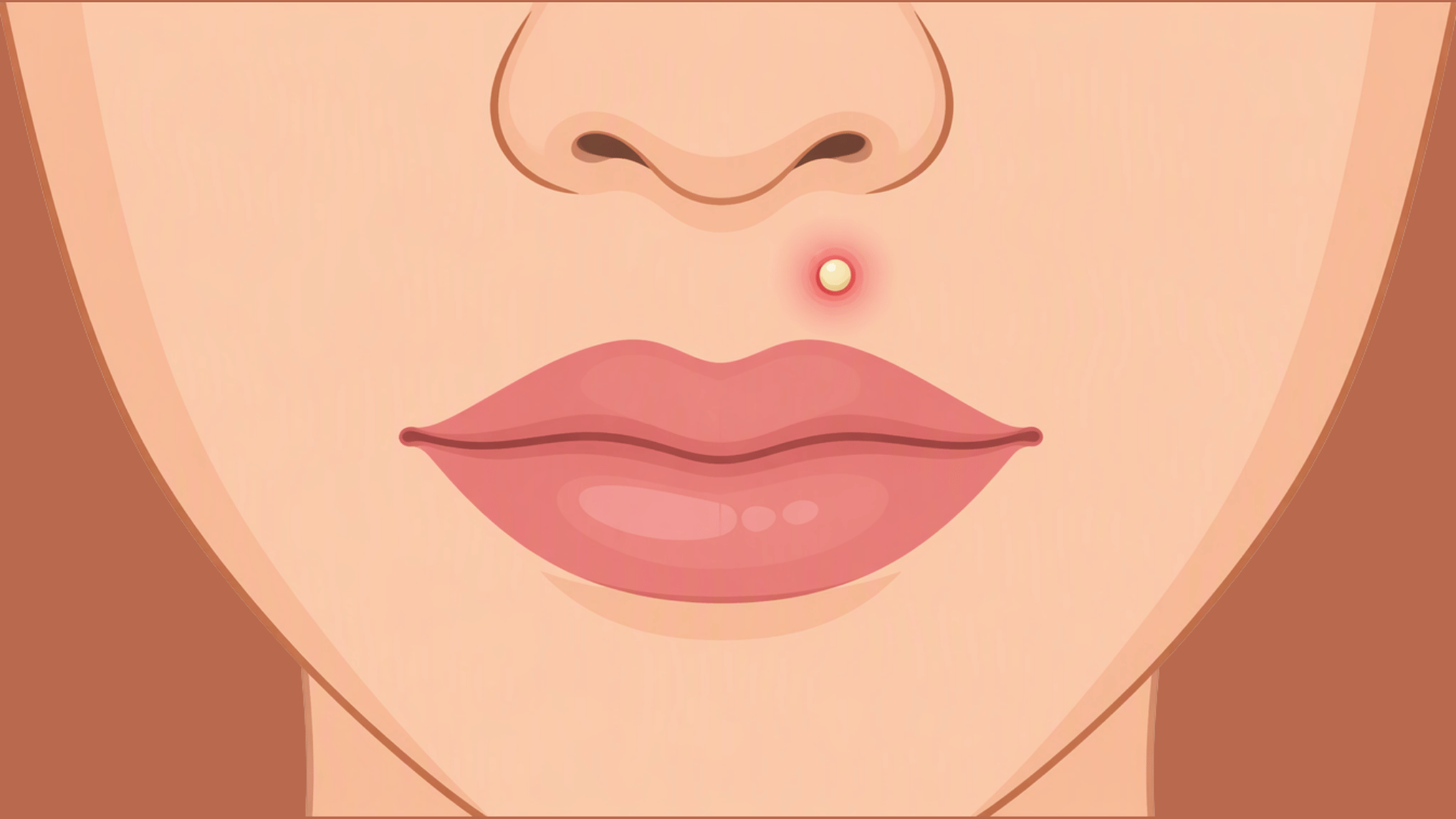
Pimples develop when pores near the lip become clogged with oil, dead skin, and bacteria. They usually appear as a single red bump with a white or yellow center.
How to treat: Apply a warm compress several times daily and keep the skin clean. Avoid squeezing the pimple, as this may worsen inflammation, delay healing, or increase the risk of infection.
3. Mucoceles
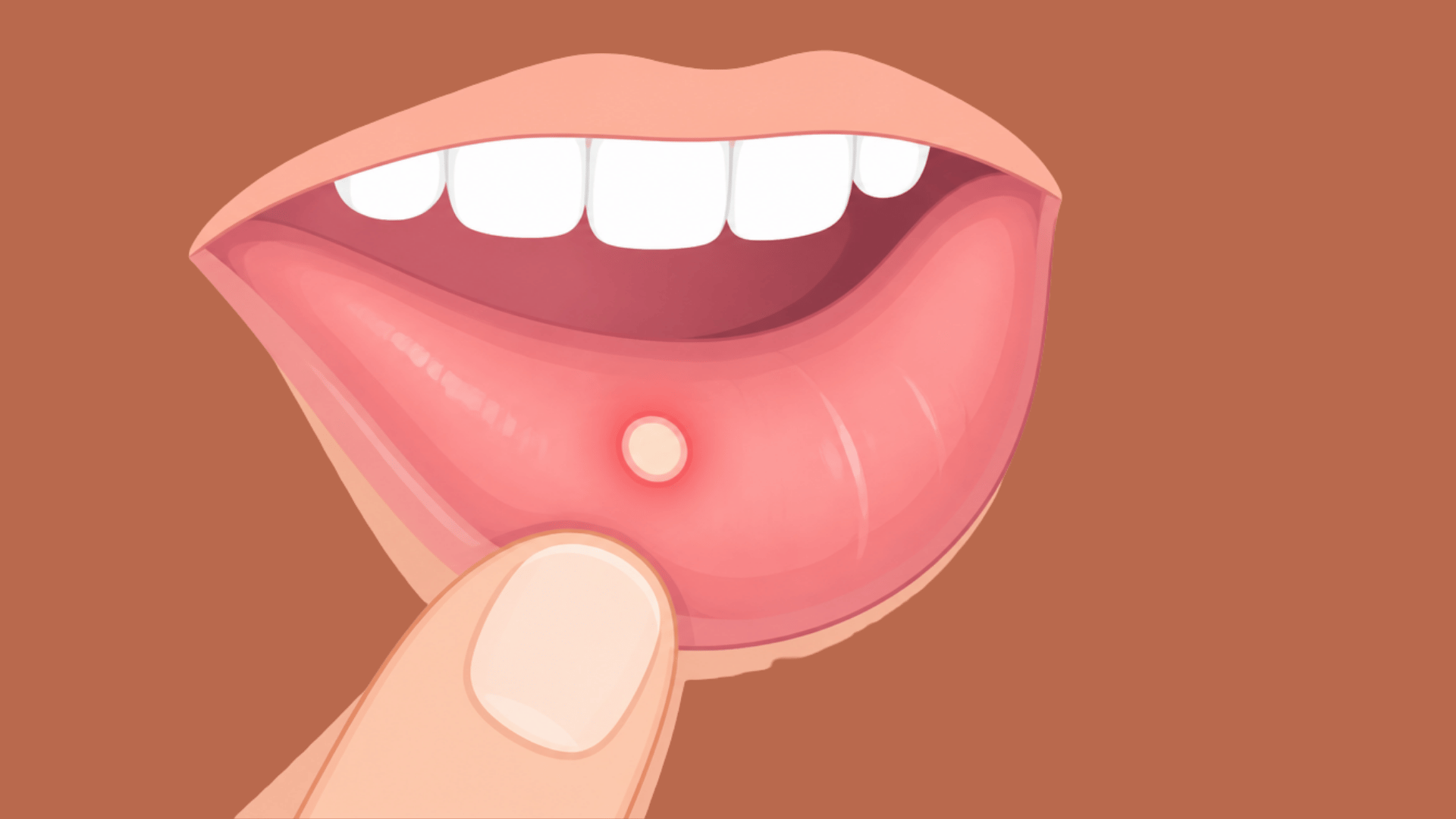
Mucoceles are harmless, fluid-filled cysts that form when a salivary gland becomes blocked, often after lip biting or injury. They commonly appear inside the lower lip.
How to treat: Most mucoceles heal without treatment. Avoid biting or irritating the area, and see a dentist or healthcare provider if the bump persists, enlarges, or keeps returning.
4. Canker Sores
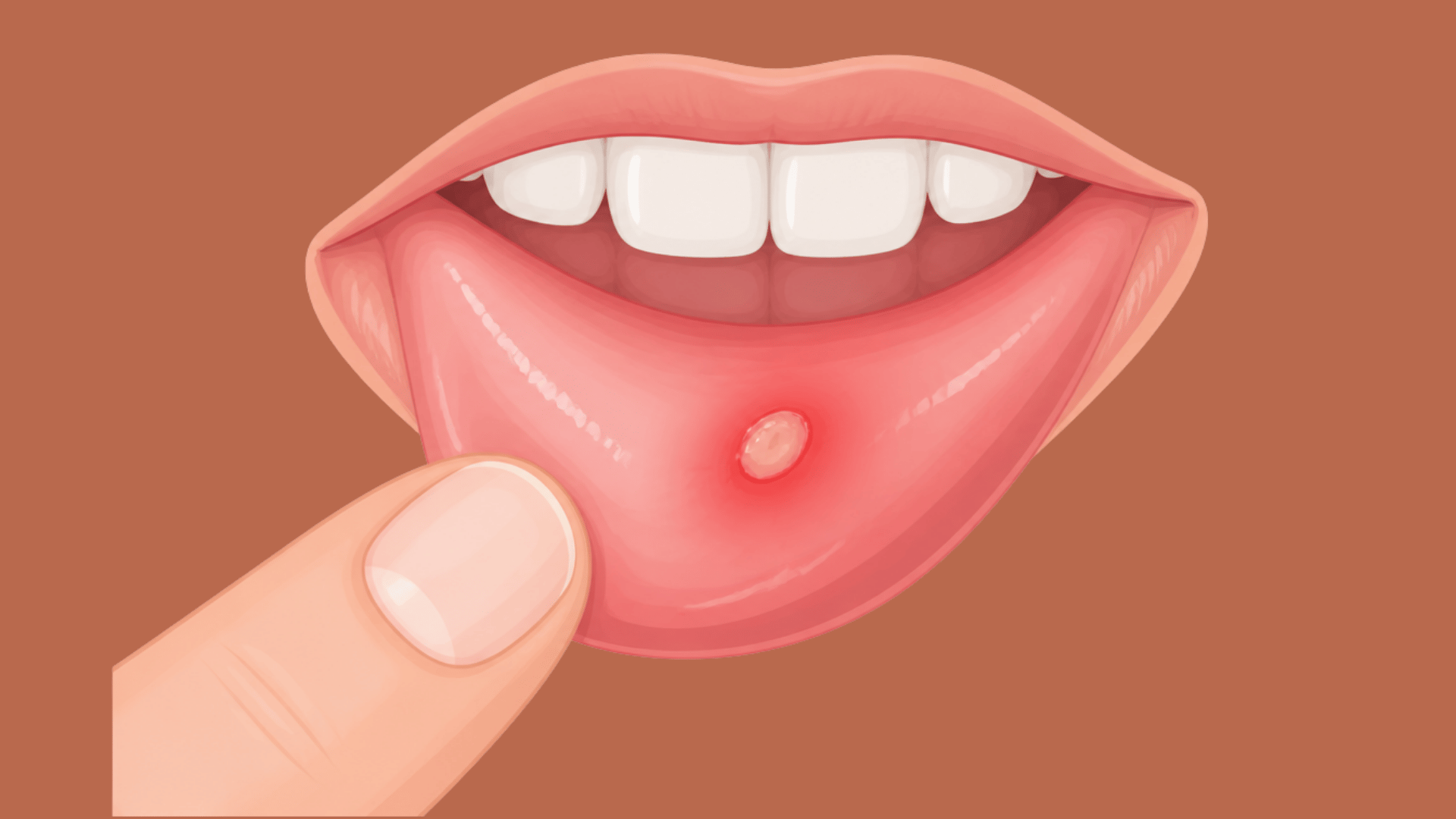
Canker sores are small, painful ulcers that develop inside the lips or mouth. They are not contagious and may be triggered by stress, irritation, or minor injuries.
How to treat: Rinse with warm salt water and avoid spicy or acidic foods. Over-the-counter oral pain gels can ease discomfort until the sore heals naturally within one to two weeks.
5. Fordyce Spots
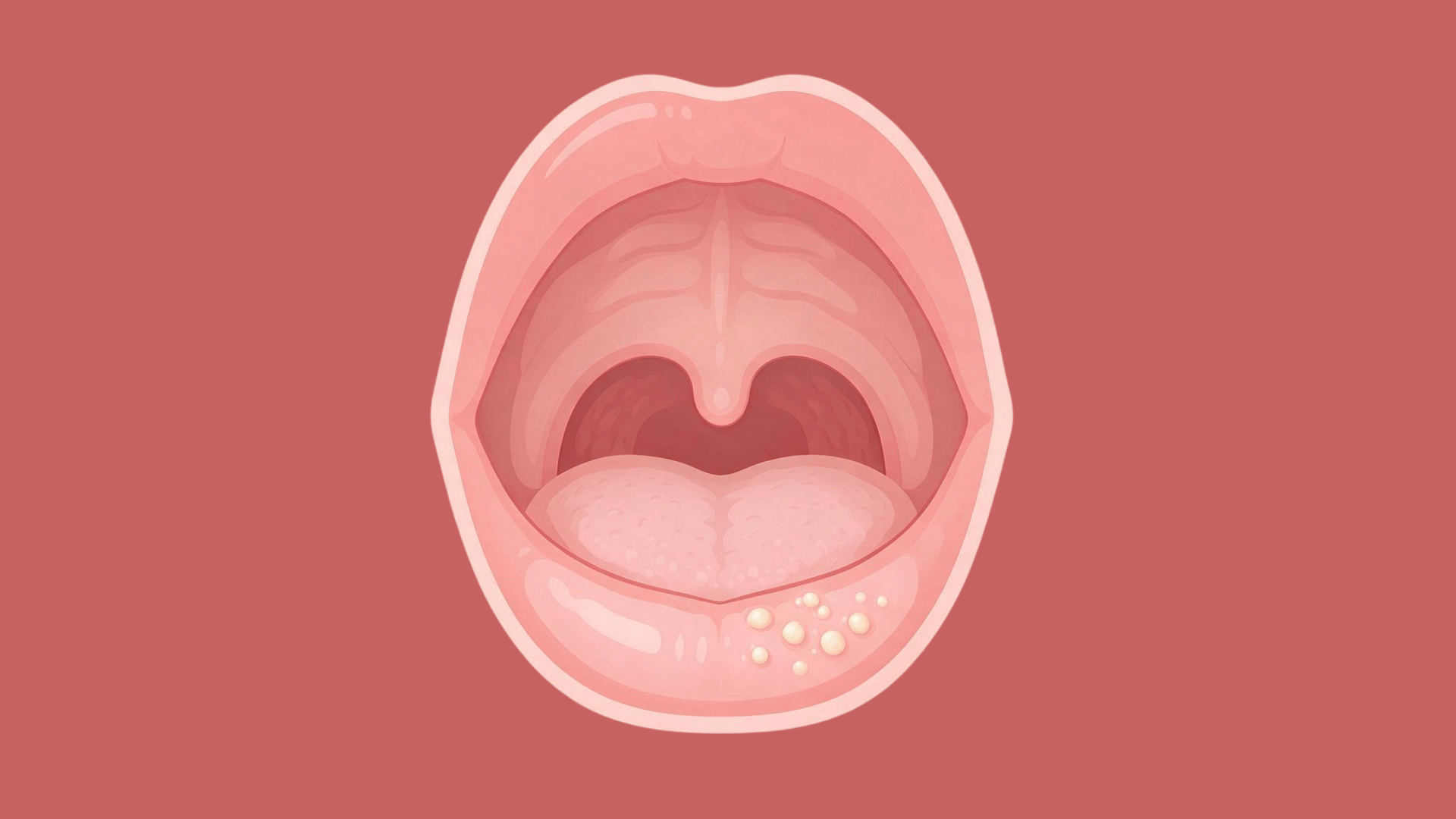
Fordyce spots are visible oil glands that appear as tiny white or yellow bumps on the lips. They are common, harmless, painless, and not linked to infection or disease.
How to treat: No treatment is usually necessary because Fordyce spots are normal. Avoid picking them, and speak with a dermatologist if appearance causes concern or cosmetic treatment is desired.
6. Allergic Reactions
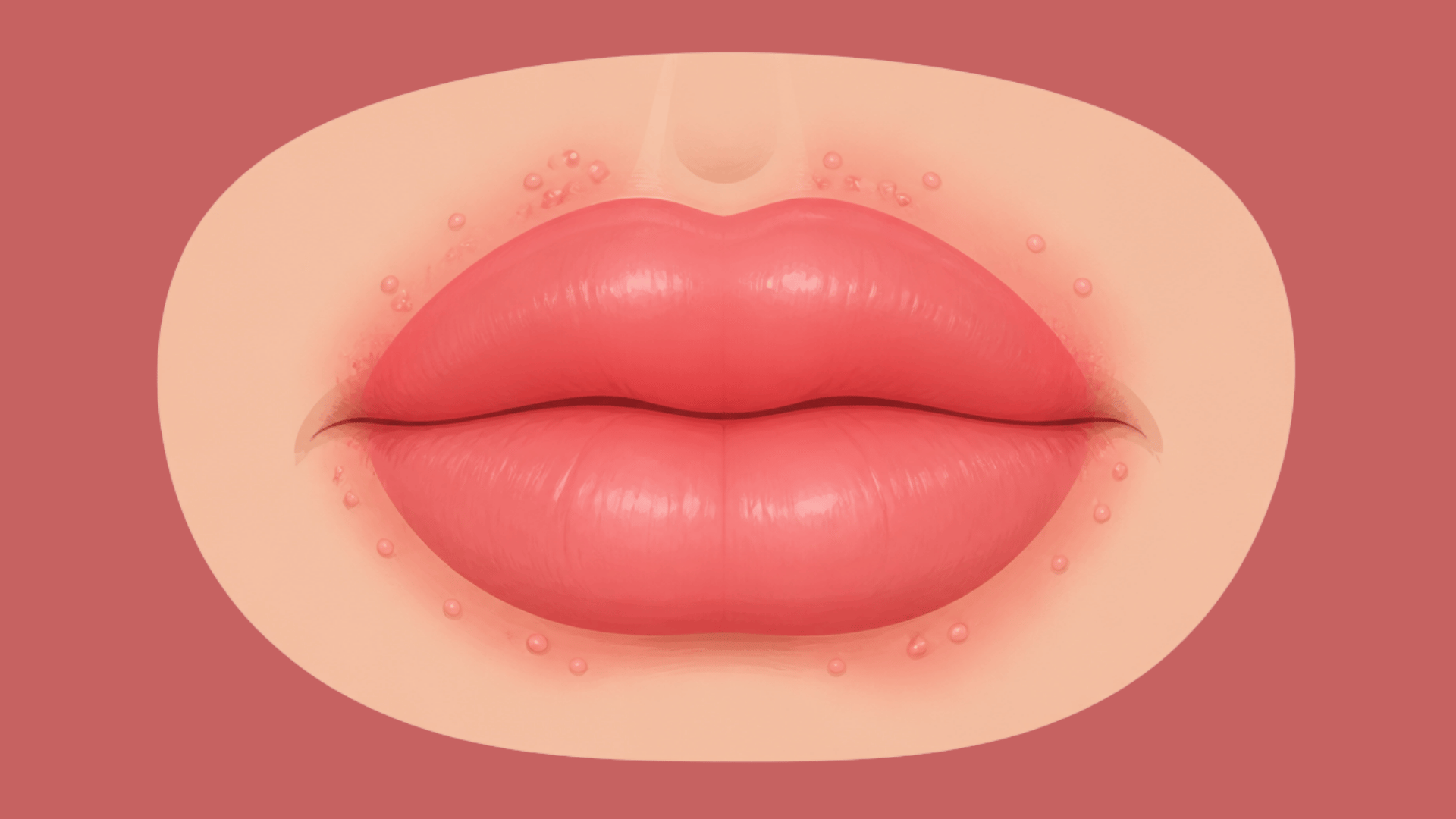
Allergic reactions can cause swollen, itchy, red lips with small bumps after exposure to foods, cosmetics, medicines, toothpaste, or other substances that trigger the immune system.
How to treat: Stop using the suspected trigger immediately. Mild reactions may improve with antihistamines, while severe swelling, breathing difficulty, or throat tightness requires emergency medical care without delay.
7. Lip Injury
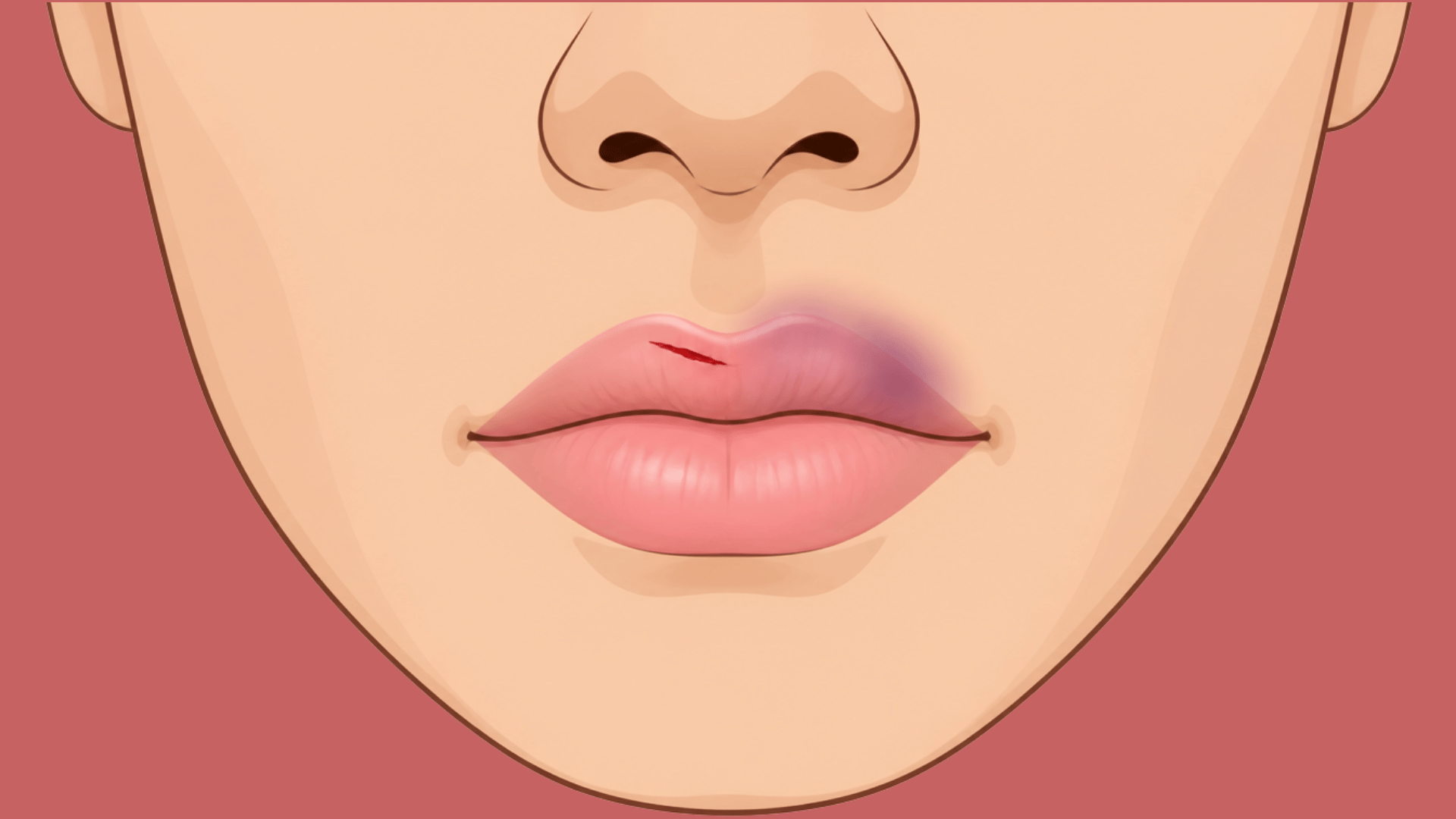
Lip injuries from biting, burns, friction, or accidental trauma can leave a swollen, tender bump. Minor injuries usually improve gradually as damaged tissue heals over several days.
How to treat: Apply a cold compress for short periods to reduce swelling and keep the area clean. Seek medical care if pain, swelling, redness, or drainage continues to worsen.
8. Skin Cysts
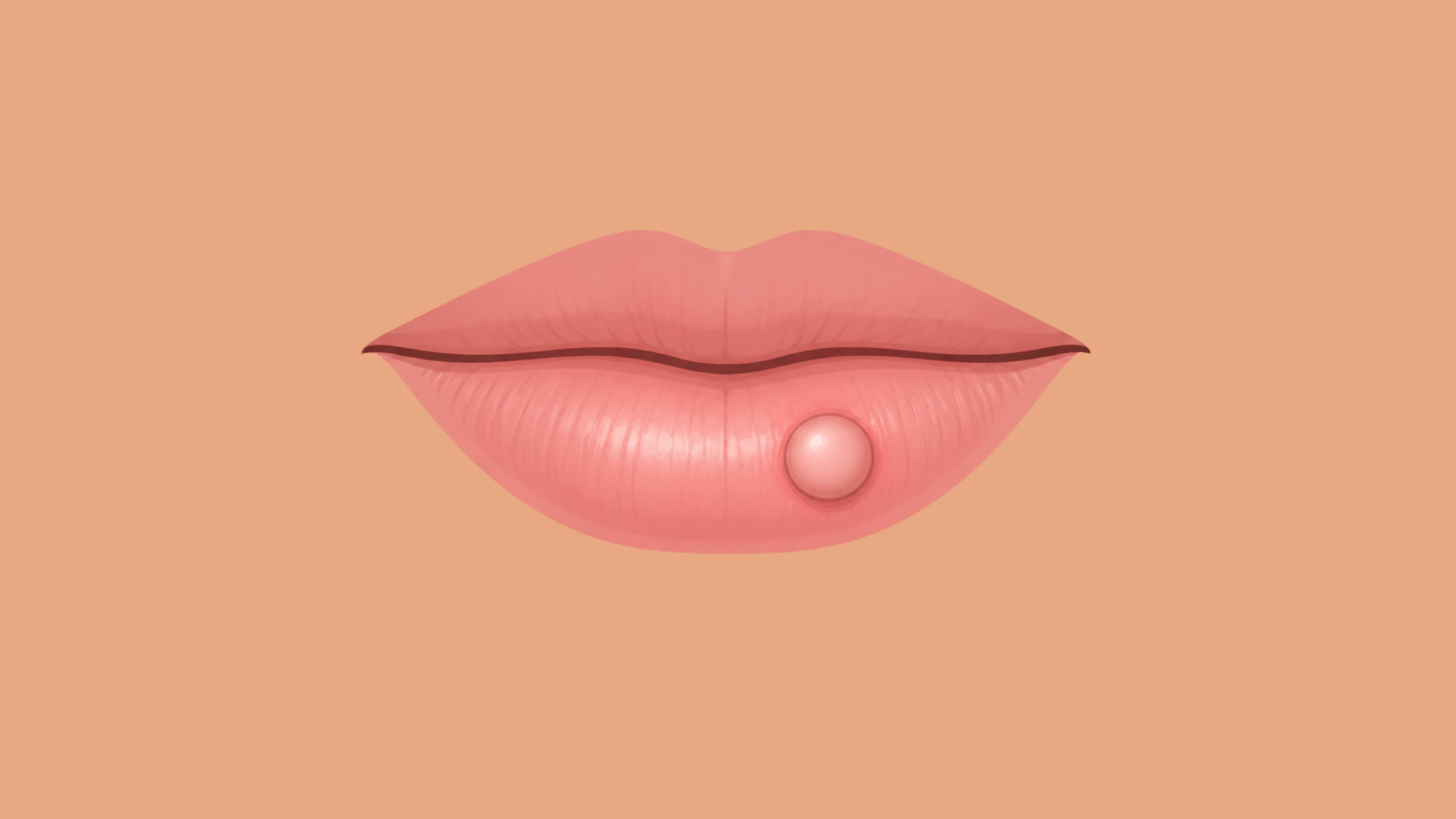
Skin cysts are slow-growing sacs beneath the skin filled with keratin or fluid. They usually feel firm, smooth, and movable, and often remain painless unless infected.
How to treat: Do not squeeze or puncture the cyst. A healthcare provider can examine it and recommend monitoring, drainage, or surgical removal if it becomes painful or continues growing.
9. Warts
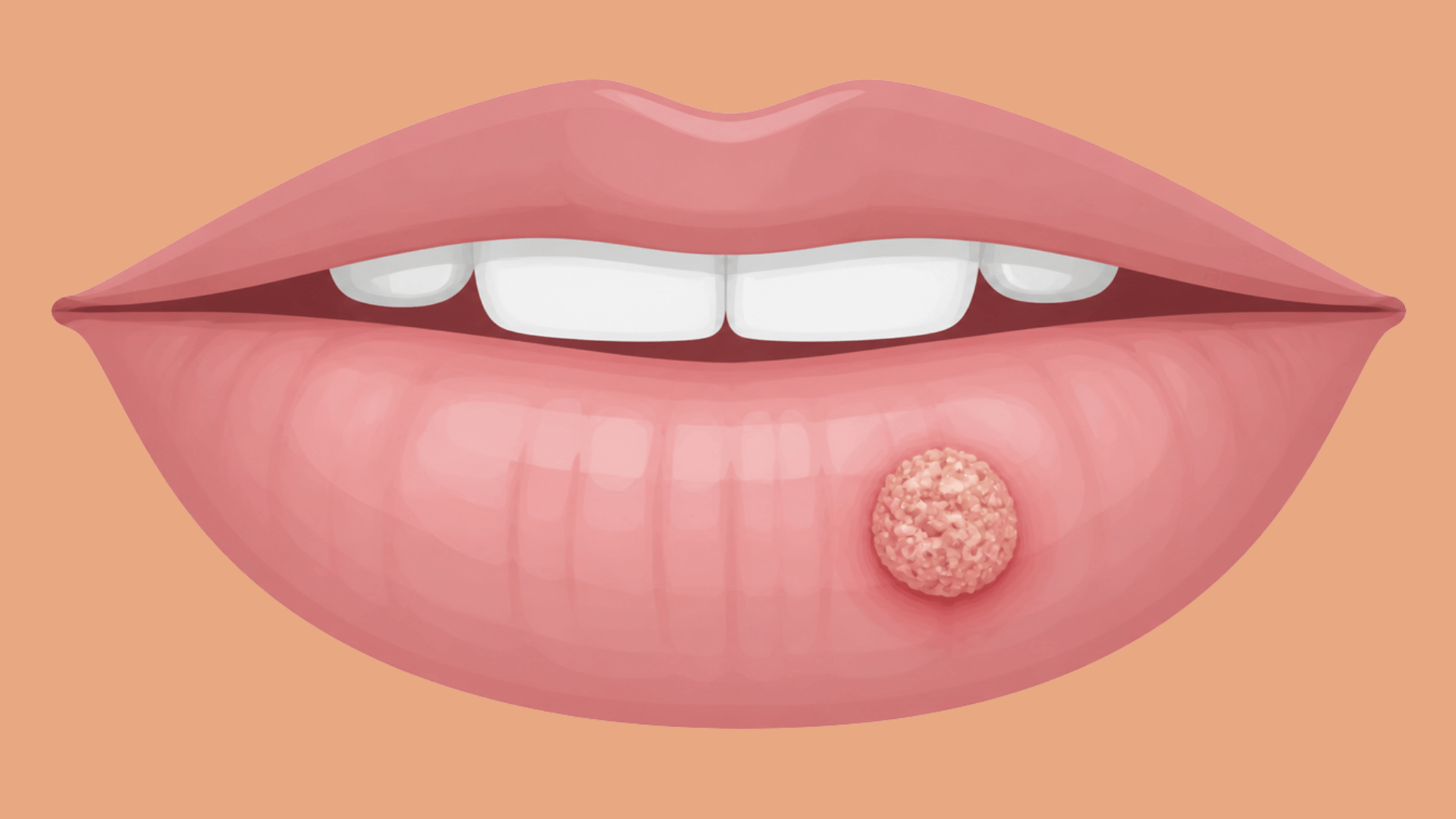
Warts are rough, raised growths caused by certain types of human papillomavirus (HPV). They may develop around the lips and can spread through direct skin contact.
How to treat: Avoid picking or scratching the wart to reduce the risk of spreading. A healthcare provider may recommend treatments such as cryotherapy, prescription medication, or other safe removal methods.
10. Bacterial Infection
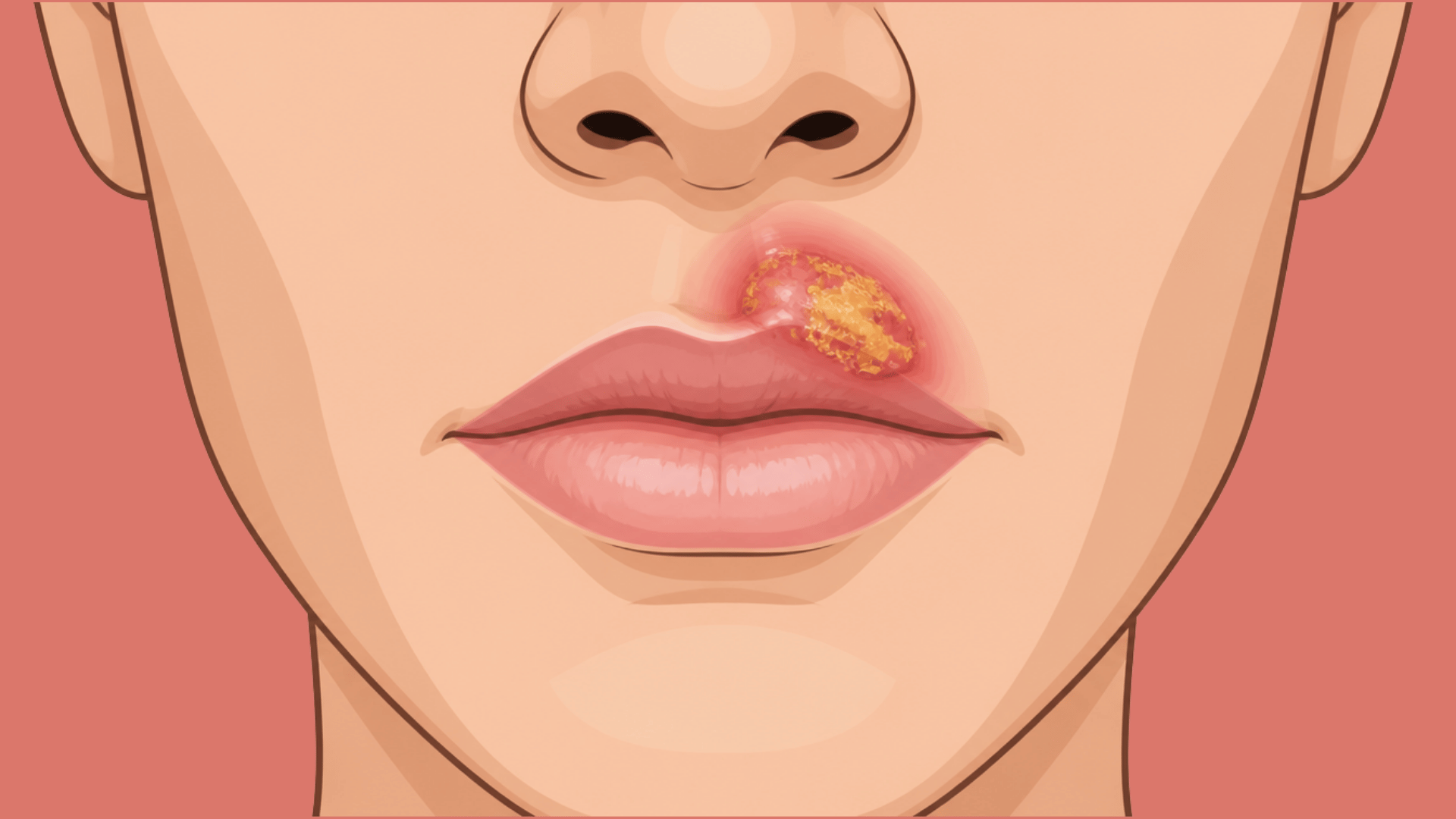
Bacterial infections can cause painful, swollen bumps filled with pus. The surrounding skin may become warm, red, and tender, especially after cuts, cracked lips, or irritation.
How to treat: Keep the area clean and avoid squeezing the bump. A healthcare provider may prescribe antibiotics if the infection worsens, spreads, or is accompanied by fever or severe pain.
Cold Sore vs Pimple on Lip: Key Differences
A cold sore and a pimple can both look like a sore lip bump, but they have different causes, symptoms, and treatment needs.
| Features | Cold Sores | Pimples |
|---|---|---|
| Main cause |
Caused by the herpes simplex virus, HSV-1 |
Caused by clogged pores, oil, dead skin, and bacteria |
| Appearance | Small fluid-filled blisters, often grouped together | One raised red bump, sometimes with a white or yellow center |
| Common location | On or around the lip border | Near the lip, but usually on the surrounding skin, not directly on the lip itself |
| Fluid type | Clear fluid that may leak before the sore crusts | Thick white or yellow pus if the pimple comes to a head |
| Contagious | Yes, especially when blisters are open or leaking | No, pimples are not contagious |
| Healing time | Often heals in 7 to 14 days | Often improves within a few days to a week |
When Should You See a Doctor for a Lip Bump?
Most lip bumps clear up without treatment. See a doctor, dentist, or dermatologist if a bump lasts more than two weeks, keeps returning, grows, becomes painful, or causes ongoing bleeding, redness, or swelling.
Seek care sooner if it feels warm, very tender, increasingly swollen, or drains pus, especially with fever or illness.
Cold sores need medical advice if outbreaks are severe or frequent, immunity is weakened, or eye symptoms appear.
Get emergency help for sudden lip or tongue swelling with breathing trouble, throat tightness, difficulty swallowing, dizziness, or fainting. Large or recurring mucoceles also need evaluation if they affect speech.
The Bottom Line
Lip bumps can feel worrying at first, but many settle with gentle care and a little patience.
The important thing is to avoid picking, squeezing, or covering the area with harsh products, as these can worsen irritation.
Watch how the bump changes over the next few days and notice anything that seems to trigger it. If it is not improving, feels worse, or keeps coming back, seek medical advice from a doctor, dentist, or dermatologist.
Remember that your lips can react quickly to small changes, so careful attention often helps you act at the right time.
Frequently Asked Questions
Can Lip Balm Cause Bumps on The Lips?
Yes. Fragranced or heavy lip balms can clog pores or irritate the delicate skin around the lips.
Why Does My Lip Bump Keep Coming Back?
Repeated irritation, cold sore flare-ups, blocked glands, or allergies can all cause recurring bumps. If it keeps happening, get it checked.
Can Stress Cause Bumps on The Lips?
Yes, Stress can trigger cold sores, especially in people who already carry the herpes simplex virus.