Robin Williams brought laughter to millions, yet behind that laughter was a private battle few understood until after his passing.
The world grieved a comedic genius, but the full picture only became clear once medical reports and family statements revealed what was really happening inside his mind.
Many people still ask why Robin Williams killed himself, searching for answers beyond the headlines.
This piece breaks down the medical, personal, and factual details behind his final months. Keep reading to understand the real story behind one of Hollywood’s most heartbreaking losses.
Robin Williams: A Brief Biography Before His Death
Robin Williams was born on July 21, 1951, in Chicago, Illinois. He studied at Juilliard before launching his career in stand-up comedy during the 1970s.
His first major role came with the television series “Mork & Mindy,” which introduced his fast-paced improvisational style to a national audience.
Williams went on to build a decades-long film career, earning acclaim for roles in Good Morning, Vietnam, Dead Poets Society, and Good Will Hunting, for which he won an Academy Award.
Known for blending comedy with emotional depth, he became one of Hollywood’s most respected performers.
Alongside his professional success, Williams also spoke openly about personal struggles, including substance use and depression, throughout different points in his life.
Robin Williams’ Death: What the Official Record Shows
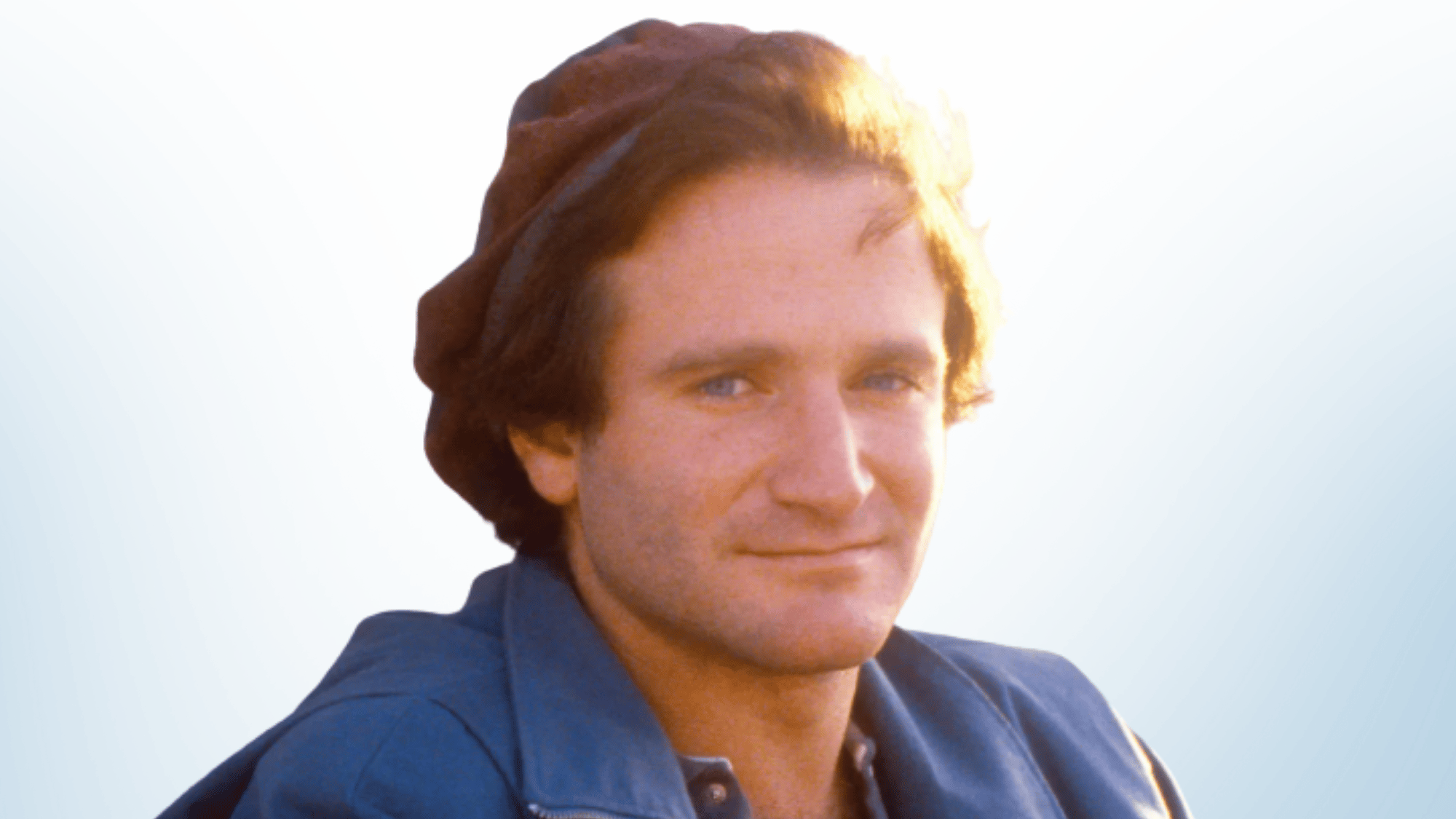
The official record provides a clear account of the events surrounding Robin Williams’ passing. Authorities and family statements together established the confirmed facts of that day.
- Date and Location: Robin Williams died on August 11, 2014, at age 63, at his home in Tiburon (Paradise Cay), Marin County, California. His personal assistant found him unresponsive that morning and immediately called emergency services.
- Initial Response: The Marin County Sheriff’s Office responded around 11:55 a.m. and said the death appeared to be a suicide. The coroner later officially confirmed the ruling.
- Cause of Death: Authorities ruled the cause of death as asphyxia due to hanging, with the incident believed to have occurred in the early morning hours.
- Coroner’s Report: Released in early November 2014 (about three months after his death), the autopsy and neuropathology reports added medical clarity, revealing findings tied to Lewy body disease that reshaped public understanding of his final months.
Timeline of His Final Months
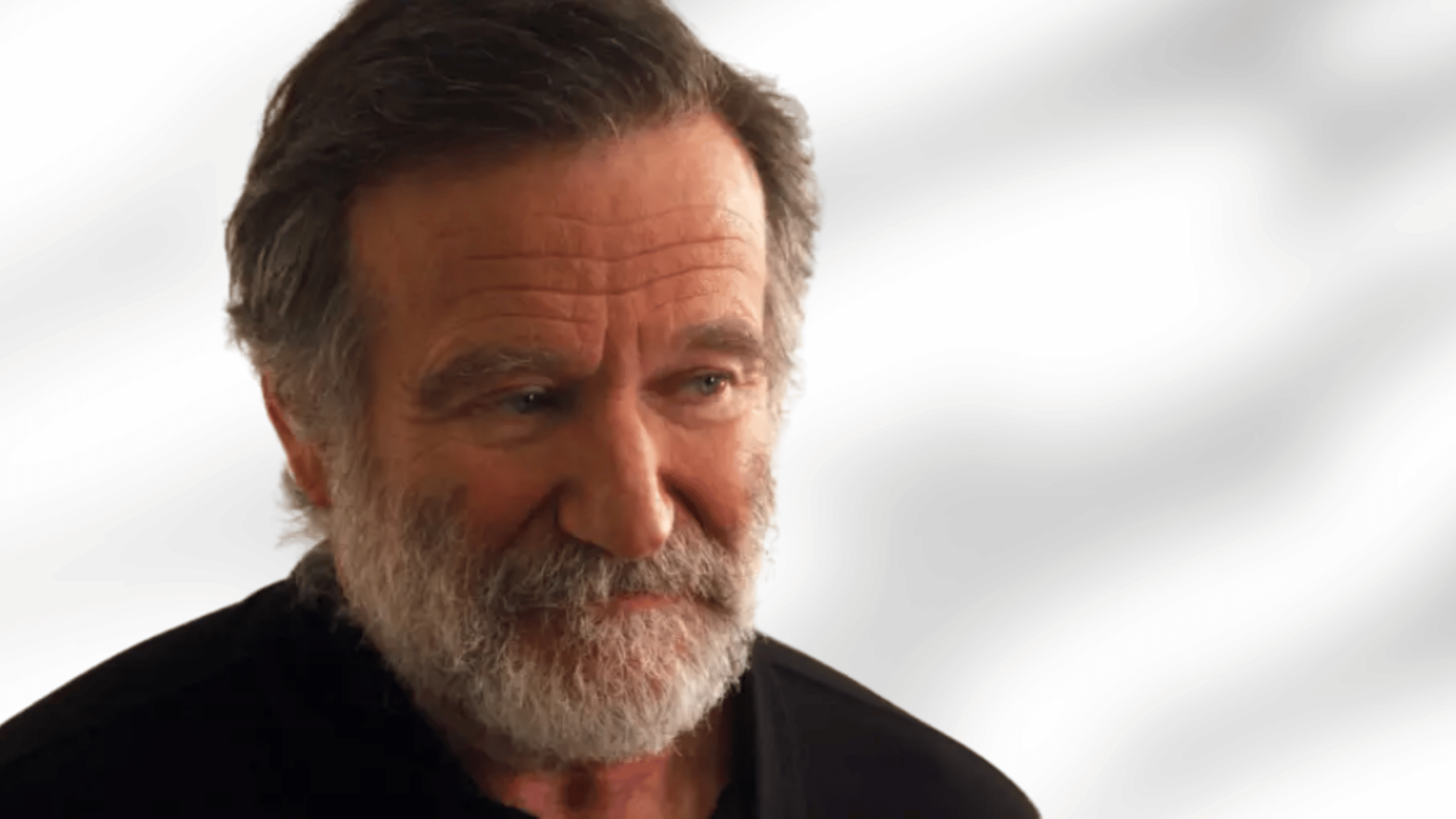
The months before Robin Williams’ death revealed a gradual decline that puzzled even those closest to him. Some colleagues later recalled that he appeared quieter and more withdrawn while filming “Night at the Museum: Secret of the Tomb” in 2014.
Early Signs and Behavioral Changes
Starting in early 2014, family members noticed subtle shifts in Robin Williams’ mood and behavior.
He experienced anxiety, memory lapses, and difficulty sleeping that seemed unusual for him. Susan Schneider Williams later described these changes as confusing, since they did not match any single medical explanation at the time.
Friends also noted he seemed withdrawn during the filming of “Night at the Museum: Secret of the Tomb” in mid-2014.
Diagnosis Attempts and the Search for Answers
In May 2014, doctors diagnosed Robin Williams with Parkinson’s disease after he sought treatment for tremors and stiffness.
He underwent tests and began treatment plans aimed at managing these symptoms. His condition worsened despite intervention, leaving his care team uncertain about the diagnosis.
His family searched for answers about the Robin Williams disease actually affecting him, though the underlying Lewy body pathology was only identified after death, and its role in his symptoms is understood looking back.
The Weeks Leading Up to His Death
In late July and early August 2014, Robin Williams’ symptoms intensified, including paranoia, insomnia, and confusion.
He made fewer public appearances and struggled with basic daily tasks. Those close to him recall a brief stay at a wellness clinic in Oregon in July.
His condition deteriorated rapidly, resulting in the events of August 11, 2014, when he was found dead at his California home.
Medical Findings from The Autopsy Report
Beyond confirming the circumstances of his death, the coroner’s report added a deeper medical context that had not yet been made public.
- Toxicology Results: Screening showed therapeutic levels of prescribed medications in his system, with no alcohol or illicit drugs detected.
- Autopsy Timeline: The full report was released several weeks after his death, following standard procedures for toxicology and neurological analysis.
- Neurological Findings: Examiners noted widespread brain changes that had not been diagnosed during his lifetime, prompting further review by medical experts.
- Case Closure: The Marin County Coroner’s Office officially closed the case, classifying the death as suicide with no indication of foul play.
Family Statements and Robin Williams’ Legacy
Following his death, Susan Schneider Williams became a vocal advocate for raising awareness about the disease that affected her husband’s final months.
She shared personal accounts of his struggles in interviews and public appearances, hoping to help other families recognize similar symptoms early.
Williams’ children also spoke publicly, honoring their father’s kindness and comedic gift while encouraging open conversations about mental health.
Beyond his family’s efforts, Robin Williams’ legacy grew to include renewed attention on Lewy body dementia research and support programs.
His case is often cited in medical and public health discussions, helping shift how doctors and families approach similar undiagnosed conditions today.
Conclusion
Robin Williams’ story proves that even the brightest lights can hide struggles invisible to those watching from the outside.
His final months revealed a battle far more complex than the world initially understood, one rooted in a disease science was only beginning to grasp.
His legacy now lives beyond his films, shaping conversations about brain health and advancing medical awareness.
Share this story to help others understand the hidden battles behind Hollywood’s biggest smiles.
Frequently Asked Questions
Did Robin Williams Leave a Note?
No suicide note was found, according to official statements from the Marin County Sheriff’s Office.
Who Plays Robin Williams’ Voice in Reruns or Tributes?
No official voice actor replaces him; his original recordings are used in reruns and tributes.
Where is Robin Williams Buried?
He was cremated, and his ashes were scattered in San Francisco Bay in August 2014, according to his death certificate and public reports.