San Jose’s position as a major logistics and technology hub means commercial trucks are a constant presence on the city’s roads, and collisions involving these vehicles frequently result in severe or life-altering injuries. The complexity of these cases increases because multiple parties, including the driver, the carrier, the loading crew, and the maintenance provider, may each bear some responsibility for what happened.
A San Jose truck accident lawyer can begin securing critical evidence before it is lost, including electronic vehicle data, driver logs, dispatch records, and maintenance files. Acting quickly is essential, because much of this evidence is controlled by the trucking company and can be deleted, overwritten, or discarded within days of the crash.
Police Reports
Police reports create the first formal account of the collision. They often include lane positions, weather, roadway defects, citations, and witness names. Although an officer may not know about mechanical or scheduling issues, the report still provides the basis for subsequent reviews. Later investigations should compare photographs, digital files, and statements against those early observations.
Photos of the Scene
Photographs preserve conditions that may change within hours. They can capture vehicle rest positions, gouge marks, debris fields, traffic controls, lighting, grade, and visible trauma. Wider frames show sight distance and lane geometry. Images should be taken from several angles to help explain braking, impact direction, underride risk, and whether avoidance was physically possible.
Truck Data
Many commercial trucks record operating information in the seconds before impact. That data may show speed, brake use, throttle position, steering movement, and abrupt deceleration. Some systems also store location history, engine warnings, and duty status. It’s important to request this information promptly, as it is often only retained for short periods of time.
Driver Logs
Driver logs help assess fatigue, schedule pressure, and legal compliance. Investigators may compare entries with fuel receipts, toll records, dispatch messages, and location pings. Contradictions can be an indication of missed rest periods, altered entries, or delivery demands that encouraged unsafe driving behavior. Evidence of fatigue is especially important when reaction time appears to be delayed.
Maintenance Records
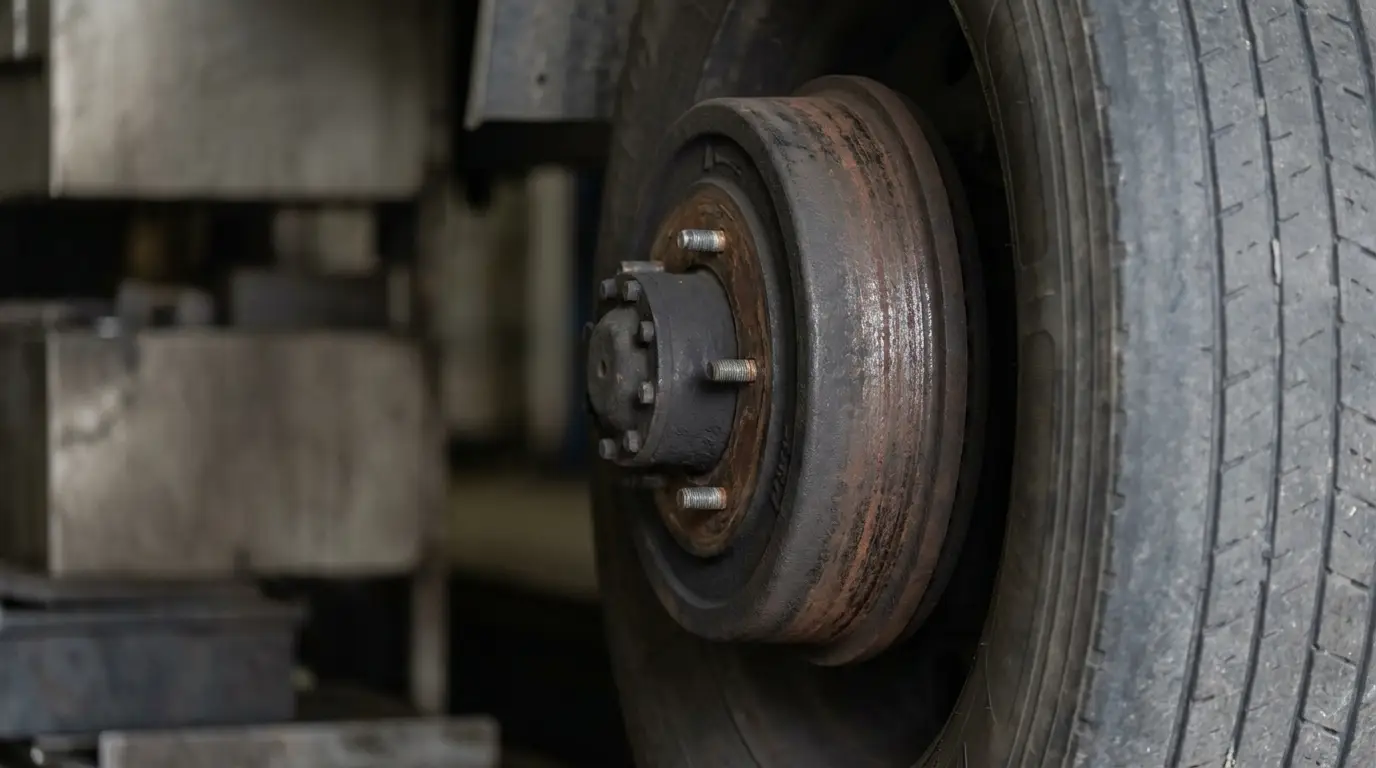
Maintenance files show whether the truck was safe to drive. Brake measurements, tire depth, repair orders, lighting checks, and inspection reports warrant careful review. A failed brake chamber, worn tread, loose steering part, or defective light may extend fault beyond one driver. Missing paperwork can raise concerns about inspection habits and carrier oversight.
Cargo Evidence
Cargo documents serve as crucial evidence when weight, balance, or securement affects control. Bills of lading, scale tickets, loading photographs, seal numbers, and pallet diagrams can be used to identify who handled freight. Excess weight or loose cargo can lengthen stopping distance, causing the truck to rollover or jackknife. These materials may connect loaders, shippers, brokers, or carriers to the case.
Witness Accounts
A bystander may remember details such as lane weaving, phone use, brake lights, horn sounds, or drivers’ behavior after the crash. Conducting interviews quickly will ensure information is recorded accurately. Consistent accounts can support physical findings, while discrepancies indicate factors that require further investigation.
Medical Records
Medical records connect the collision to bodily harm. Emergency notes, imaging, surgical reports, therapy plans, pain scores, and specialist opinions can be used to illustrate the severity of the injuries. Delays in care can give insurers room to dispute the cause of the injuries. Clear documentation also explains issues such as nerve symptoms, mobility limitations, sleep disruption, work restrictions, and future care needs.
Employment and Income
Income documentation measures the financial strain caused by injury. Pay stubs, tax returns, employer letters, schedules, and benefit records can confirm the impact of missing work. For self-employed individuals, invoices, contracts, bank deposits, and client messages may serve as evidence. If disability reduces future earning ability, medical and vocational experts can explain that long-term loss.
Expert Analysis
Reconstruction specialists may evaluate crush damage, skid evidence, sight lines, roadway design, and electronic data. Physicians can explain injury mechanisms, recovery limits, and future treatment. Economists may calculate wage loss, household service loss, and medical cost projections using documented facts.
Conclusion
Commercial truck accident claims require timely evidence collection, careful record review, and a clear link between unsafe conduct and injury. Police reports, photographs, electronic truck data, logs, maintenance files, cargo records, witness accounts, medical files, income documents, and expert opinions each serve a distinct role. Together, they create a factual record that can prove responsibility, causation, and loss with precision.