Standing outside the O2 with thirty thousand others, you can spot the tier system long before you reach the door. Hospitality has its own entrance. The fast-track lane moves twice as fast. Same headliner, three different evenings depending on which line you joined.
None of this is unique to live music. Streaming subscriptions, sports memberships, airline lounges, loyalty programmes run the same logic. The word for it is VIP.
Tiered Access, Everywhere You Look
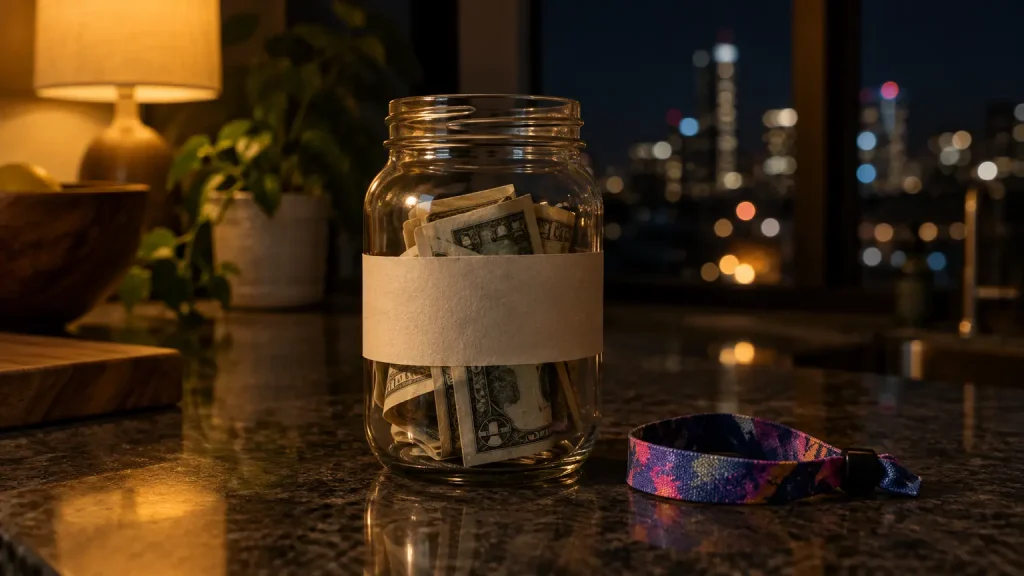
The festival wristband is the cleanest example. Standard, premium, platinum, with each colour buying you a different version of the same day: less queueing, better facilities, a clearer view of the stage. The format has spread far beyond music, into streaming, sports memberships, fan club presales, even restaurant booking apps.
Concert pricing is where you can watch the system in real time. Dynamic pricing, where ticket costs shift based on demand, has pushed the gap between the cheapest and most expensive seat in the same venue to levels unheard of a decade ago. A look at how ticket fees and dynamic pricing now hit fans shows how aggressively venues have learned to charge more for the same evening. A row number is now closer to a product category.
What That Looks Like Online
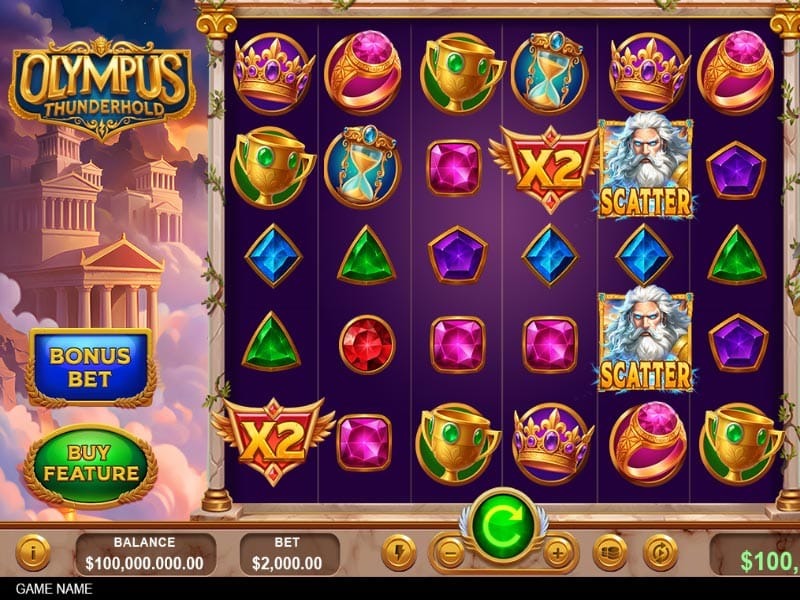
The same logic plays out online, just with less wristband and more banner. Anyone who types what online casino has the best vip bonuses into a search bar hits the same wall within ninety seconds, because the honest answer is structural rather than brand-led. Most online programmes run five to seven tiers, named after metals or gemstones. A new player starts at the bottom with entry-level perks (welcome bonus, points multiplier, occasional reload offer) and climbs through deposit volume or wagering activity.
By the upper levels the mechanics shift. Cashback that started around five percent can sit closer to fifteen or twenty, withdrawal caps climb into something more comfortable, and bonus wagering requirements come down. Response times from a dedicated account manager fall from hours to minutes. The top tier, often invitation-only, can include personalised reload offers, anniversary packages, and luxury extras (event tickets, trips, hospitality) that have more in common with corporate hospitality than a standard player journey.
What Music VIP Packages Actually Deliver

Strip out the marketing language and most music VIP packages cluster around a small set of real benefits: fast entry, a better view, a chair after seven hours on grass. A breakdown of the experiences that actually feel like VIP lands on the same theme. The value sits in the friction that gets removed.
The rest is atmosphere. The branded lounge, the welcome drink, the merchandise voucher nobody redeems. Organisers know that the way a VIP area is laid out matters as much as what is inside it: half the value is in how the space reads when you walk in. None of this is a criticism, but it does explain why two festivals can offer “VIP” wristbands of wildly different value.
The comparison with the online equivalent gets sharpest over time. A festival wristband is a one-night transaction with known perks. An online programme is a longer arrangement whose terms can shift while you are inside it. The UK Gambling Commission has been reviewing how operators run these schemes, with rules tightened in 2020 to address how high-value customers were identified and incentivised. Schemes are now smaller, more closely monitored, and the rough edges largely planed down.
How to Read Any VIP Tier Before You Pay
Whether the tier is a festival wristband or an online loyalty programme, the questions worth asking before signing up are roughly the same.
What is in this tier that is not in the one below? Be specific. A clearer view, an extra hour of early access, or a higher cashback percentage are concrete. A welcome drink and a lanyard are not. If the gap is aesthetic more than functional, the upgrade rarely is.
How is the tier earned, and how is it lost? Some programmes hand you a level for a calendar year and quietly downgrade you the second your activity drops. Others let you keep what you have earned. The rule is usually buried in the terms but it is the most important sentence there.
Who is the tier really designed for? A platinum festival wristband earns its price if your day involves four shows and a late finish, less so for two acts and an early train home. The same logic carries online: the top tier is built for high activity, and the perks return value only when behaviour matches the profile.
What protections are built in? This matters more online than at a festival, because the relationship lasts longer. A cooling-off mechanism, a spending limit, and the option to step down a tier without losing access are the marks of a programme built to work for the customer as much as the operator. Where they are missing, the absence is usually deliberate.
Same Architecture, Same Questions
VIP language has spread so widely because the structure works on both sides. Organisers can monetise comfort without pushing up the base price of admission, while audiences get a way to opt into a better evening when the standard one is not enough. The structure is here to stay.
What the structure does not do is guarantee value, and the two get mixed up most when the marketing is loudest. Read the tier the way you would read a contract before signing, and most of the confusion clears up before any money changes hands.