

Perched at 7,970 feet in the Peruvian Andes, Machu Picchu draws over a million visitors a year, yet many of them show up unprepared for the altitude, the permit system, or the sheer logistics of getting there.
This citadel, built by the Inca in the 15th century and abandoned less than 100 years later, sits on a ridge between two mountains with the Urubamba River curling around it far below. Getting there requires planning weeks or months in advance, not because it’s remote, but because Peru strictly limits daily visitor numbers.
This guide walks through what actually matters: when to go, how to secure tickets, how to get there, and what to expect once you arrive.
When to Visit
The dry season runs from May through September, and it’s the most reliable window for clear views and stable trails. June through August also happens to be peak tourist season, so expect larger crowds and higher prices on hotels and train tickets.
Shoulder months like April and October offer a middle ground: fewer tourists, decent weather, and slightly lower costs. The wet season, from November to March, brings heavier rain, especially in January and February, when the Inca Trail closes entirely for maintenance.
If rain doesn’t bother you and you want thinner crowds, February through April (outside the trail closure) can work well, but pack a rain jacket regardless of when you go.
Getting Your Tickets and Permits
Entrance tickets to Machu Picchu sell out weeks in advance during high season, sometimes months ahead for popular circuits like the Machu Picchu Mountain or Huayna Picchu hikes.
The Peruvian government sells tickets through its official site, cusco.travel, and divides entry into timed circuits, so you’ll choose a specific route and entry window rather than wandering freely.
Huayna Picchu, the steep peak that appears in most postcard photos, only allows 200 visitors per time slot, split into two groups per day. Book this add-on at the same time as your general entrance ticket, since it sells out faster than standard admission.
If planning independently feels overwhelming, a number of companies offer Machu Picchu travel packages that bundle tickets, transportation, and guides into a single booking, which can save considerable time for travelers short on planning bandwidth.
Choosing How to Get There
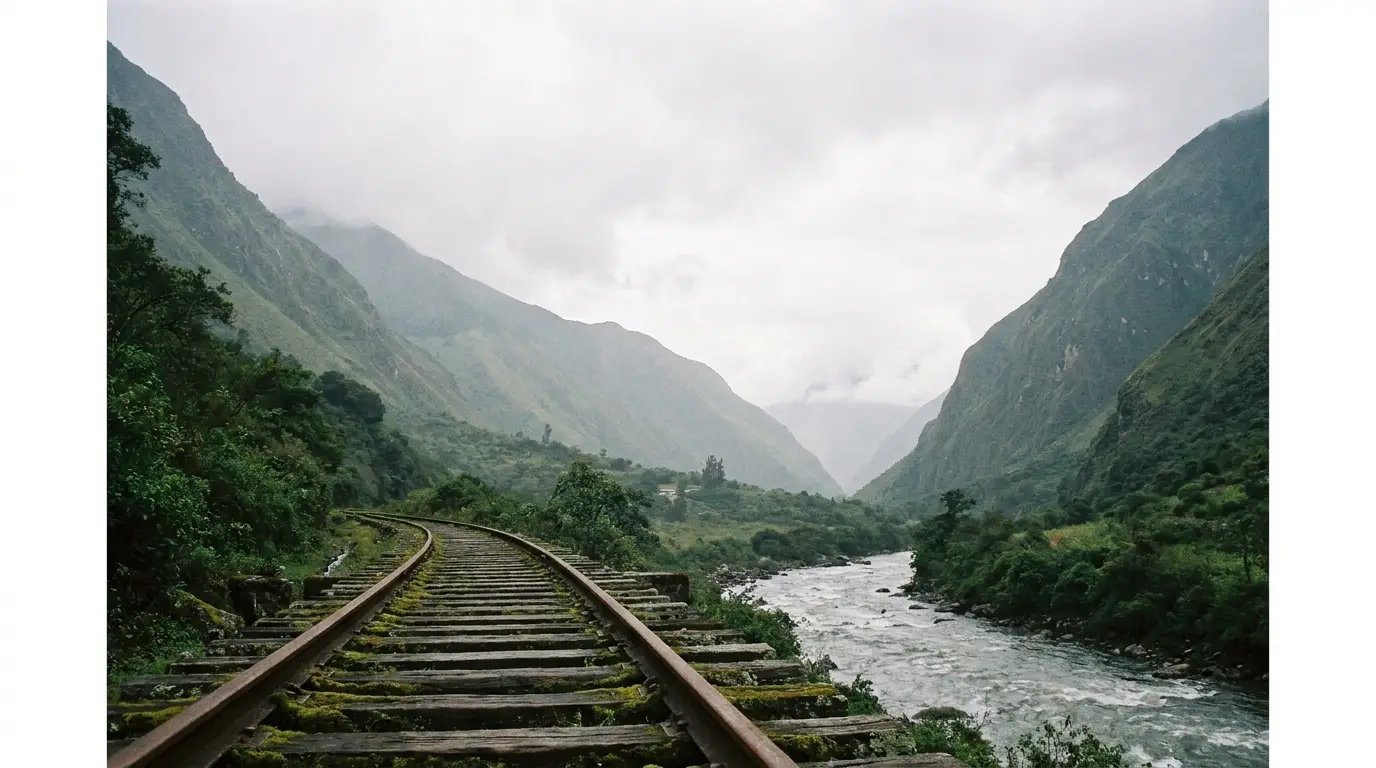
Most visitors base themselves in Cusco or the Sacred Valley before heading to Machu Picchu. From either location, the journey typically involves a train to Aguas Calientes (also called Machu Picchu Pueblo), followed by a 20-minute bus ride up the mountain.
PeruRail and Inca Rail operate the train routes, with departures from Cusco’s Poroy station or from Ollantaytambo, which is closer and cuts travel time to about 1.5 hours. Trains range from budget-friendly Expedition cars to the luxury Hiram Bingham service, which includes a multi-course meal and live music.
For those who want to hike in, the classic Inca Trail is a 4-day, 26-mile trek that ends at the Sun Gate overlooking the ruins. Permits for this trail sell out months ahead and require booking through a licensed tour operator, since independent trekking isn’t allowed. Alternative treks like Salkantay or the Lares Trail offer similarly dramatic scenery with more flexible availability.
Handling the Altitude
Cusco sits at 11,152 feet, noticeably higher than Machu Picchu itself, and this is where most altitude sickness hits travelers. Symptoms include headaches, nausea, and shortness of breath, and they can appear within hours of arrival.
Spending two to three days in Cusco or the Sacred Valley before any strenuous activity gives the body time to adjust. Coca tea, sold everywhere in the region, is a traditional remedy that many locals swear by, and staying hydrated helps more than most people expect. Travelers with heart or lung conditions should talk to a doctor before booking, since the altitude affects some people more severely than others.
What to Bring and Expect Onsite
Layered clothing works best, since mornings can be chilly and midday sun at this elevation gets intense fast. Sturdy footwear matters even for those skipping the hikes, because the stone paths inside the citadel are uneven and often slick with morning mist.
Bring a passport, since it’s required for entry and gets stamped at the gate. Bathrooms and food options sit outside the entrance in Aguas Calientes, not inside the archaeological site itself, so plan accordingly.
Guides are optional but worth hiring at the entrance gate, since they explain the site’s history and architecture in ways that signage simply doesn’t cover.
Where to Stay Nearby
Aguas Calientes offers the most convenient lodging, letting visitors catch an early bus to beat the crowds that arrive by mid-morning train. Budget hostels and mid-range hotels line the town’s narrow streets, while a handful of upscale properties sit closer to the river.
For travelers who prefer more comfort and don’t mind a longer commute, the Sacred Valley towns of Ollantaytambo and Urubamba offer boutique hotels with mountain views and easier access to other archaeological sites like Pisac and Moray.
The biggest mistake travelers make isn’t picking the wrong season or the wrong train, it’s underestimating how far ahead they need to book. Tickets, permits, and trains for Machu Picchu often require securing three to six months out during peak season, so start planning early and the rest of the trip tends to fall into place.