


Efficient operations remain a priority for every industry that depends on heavy machinery and precise motion control. Companies seek ways to improve output, reduce downtime, and maintain consistent performance across projects. Strategic sourcing plays a vital role in achieving these goals by ensuring that essential components meet exact requirements and arrive on time.
When organizations focus on sourcing the right hydraulic products, they gain better control over system reliability and long-term costs. This approach helps businesses align procurement decisions with operational needs while strengthening supplier relationships. This article explains how thoughtful sourcing practices support productivity, reliability, and overall efficiency across industries.
Strong Supplier Partnerships Drive Consistency
Reliable supplier relationships create a solid foundation for smooth operations. Companies that evaluate vendors based on quality standards, delivery timelines, and technical support experience fewer disruptions. A dependable supplier understands specific requirements and provides consistent product performance.
Clear communication also plays a key role in these partnerships. When businesses share accurate specifications and future demand plans, suppliers can respond with better inventory management and faster fulfillment. This coordination reduces delays and ensures that equipment runs without unnecessary interruptions.
Cost Optimization Without Compromising Performance
Strategic sourcing helps organizations manage expenses while maintaining high standards. Instead of focusing solely on price, companies consider total cost factors such as durability, maintenance needs, and lifecycle value.
A well-planned sourcing strategy allows businesses to:
- Select components that reduce frequent replacements
- Minimize maintenance downtime
- Improve energy efficiency in machinery
- Avoid hidden costs related to poor-quality parts
By focusing on these elements, companies achieve a balance between cost control and operational excellence. This approach supports long-term savings rather than short-term gains.
Improved Equipment Reliability and Uptime
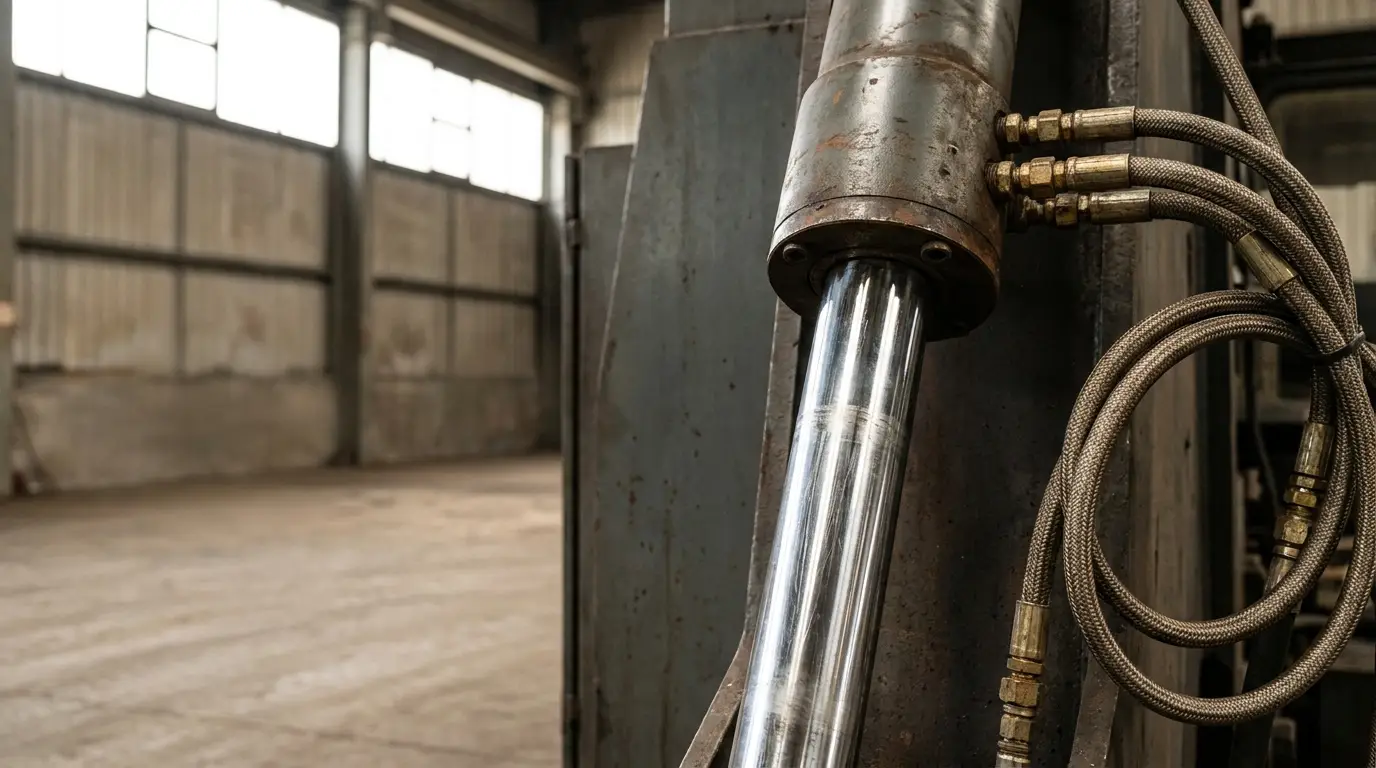
Operational efficiency depends heavily on equipment reliability. Machines that perform consistently allow teams to meet production targets without delays. Strategic sourcing ensures that each component meets performance expectations and integrates seamlessly into existing systems.
High-quality components reduce the risk of system failures. When businesses choose the right specifications, they avoid mismatches that can lead to wear and tear. This careful selection process supports smoother operations and extends the lifespan of equipment.
Streamlined Inventory and Supply Chain Management
Effective sourcing strategies improve inventory control and supply chain efficiency. Businesses that plan procurement based on accurate demand forecasts avoid excess stock and shortages. This balance helps maintain a steady flow of operations without unnecessary storage costs.
Coordinated supply chains also enable faster response times. When suppliers align with production schedules, companies can access components when needed without delays. This synchronization reduces lead times and enhances operational agility.
Supports Innovation and System Efficiency
Strategic sourcing encourages the adoption of advanced solutions that improve system performance. Companies that stay updated with evolving technologies can integrate more efficient components into their operations. This proactive approach enhances productivity and supports long-term growth.
The right sourcing decisions also promote better system design. Engineers can work with components that match performance goals, leading to improved output and reduced energy consumption. When organizations invest in high-quality hydraulic products, they create opportunities for innovation while maintaining consistent performance across applications.
Strategic sourcing plays a crucial role in improving operational efficiency across industries that rely on precision systems. By building strong supplier relationships, managing costs wisely, and ensuring equipment reliability, businesses create a stable foundation for growth. Thoughtful sourcing decisions support smooth workflows, better resource utilization, and consistent performance, allowing organizations to achieve their operational goals with confidence.