


Komodo is not a destination that reveals itself all at once. It opens in layers: the bronze hills at sunrise, the quiet pull of the tide, the sudden color of a reef wall, and the rare silence that falls when guests first see a Komodo dragon in its natural habitat. For resort managers, hotel owners, and hospitality teams in this part of Indonesia, the real challenge is not only offering rooms or excursions. It is helping guests understand the rhythm of the place before they arrive.
A well-planned Komodo liveaboard excursions itinerary can help travelers connect the dots between island landings, reef exploration, village encounters, conservation areas, and the slower pace that defines a meaningful journey through Komodo National Park.
- Komodo rewards patience more than speed.
- The best itineraries balance adventure with rest.
- Strong hospitality begins before the guest reaches the jetty.
Why Komodo Hospitality Is Different From Ordinary Island Travel
Many tropical destinations are built around convenience. Komodo is built around movement, weather, distance, and respect for nature. A guest may sleep in a resort one night, sail between islands the next morning, dive after breakfast, hike in the afternoon, and return to a quiet dinner under a sky full of stars. This fluid style of travel is exactly what makes the destination special, but it also demands careful hospitality planning.
For Komodo Island hotels, the guest experience is no longer limited to the property itself. A hotel or resort becomes a base of interpretation. Guests want to know when to visit Padar Island, what to expect from the currents, how much time to allow between activities, and how to choose between land-based comfort and sea-based exploration.
- The room is only one part of the journey.
- Staff knowledge can shape the entire trip.
- Honest guidance builds more trust than overpromising.
This is where local expertise matters. International travelers may arrive with beautiful images in mind, but they often need help understanding the realities of the region. Tides, park rules, seasonal winds, diving ability, boat schedules, and physical fitness all influence the quality of the trip. A hospitality team that explains these details clearly gives guests confidence without making the destination feel complicated.
The Rise of the Sea-Based Guest Experience
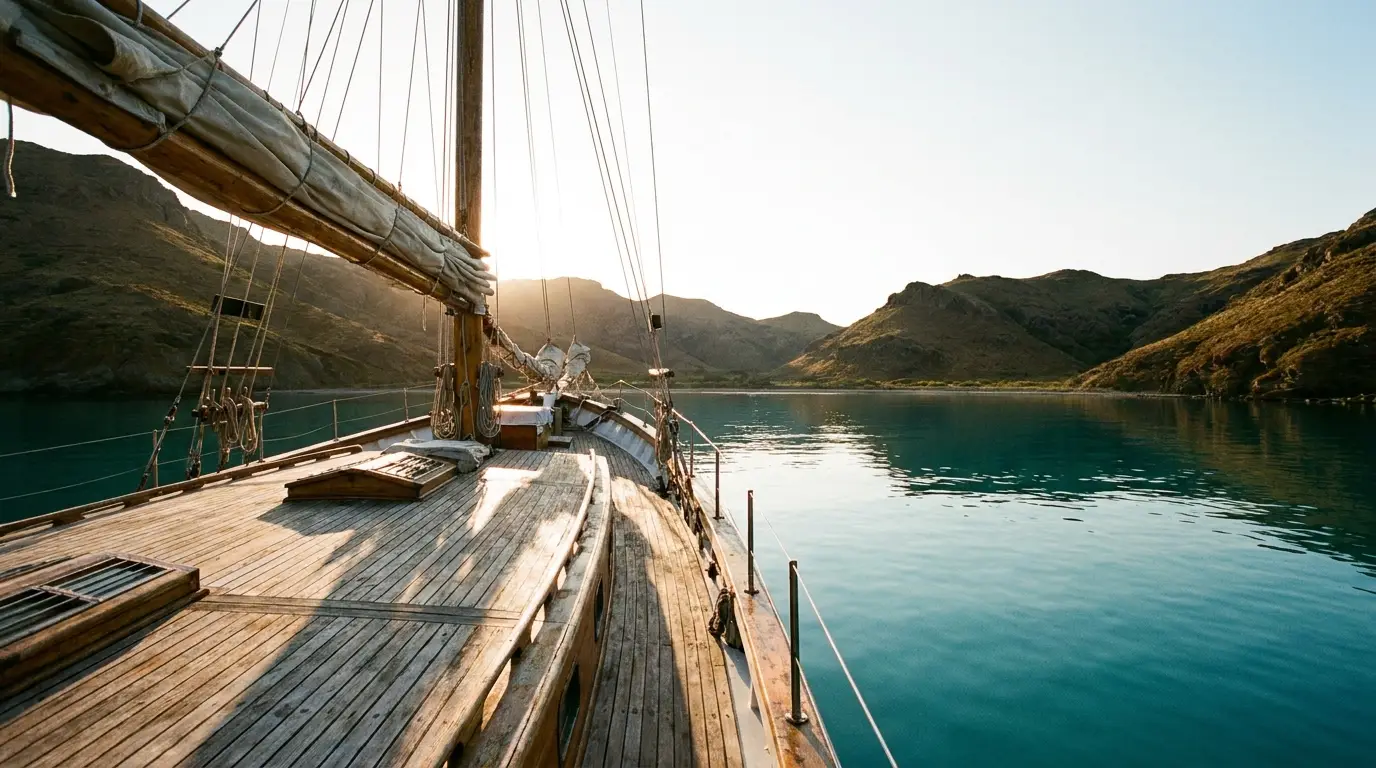
The growing interest in Komodo Island liveaboard travel reflects a larger shift in how people want to experience remote destinations. Instead of seeing the boat as transportation, guests increasingly see it as part of the accommodation, part of the adventure, and part of the story they will remember.
A liveaboard journey offers access to places that are difficult to experience from land alone. Guests can wake near quiet bays, reach dive sites early, and watch the landscape change throughout the day. For many, the appeal is not luxury in the traditional sense. It is proximity: to the sea, to the islands, and to a style of travel that feels less packaged.
- Liveaboards create a sense of continuity.
- Resorts create a sense of grounding.
- The strongest Komodo trips often combine both.
For hospitality businesses, this does not mean hotels and liveaboards compete directly. In many cases, they complement each other. A guest may spend several nights at a resort before boarding a vessel, or return to land after days at sea to rest, dine well, and process the experience. The opportunity for local operators is to think in terms of journey design rather than isolated services.
Diving as a Serious Part of the Destination
No discussion of Komodo travel is complete without the water. Komodo liveaboard diving attracts experienced divers from around the world because the region offers powerful marine biodiversity, dramatic underwater landscapes, and conditions that can feel genuinely alive. Manta rays, reef sharks, turtles, schooling fish, coral gardens, and current-fed channels all contribute to Komodo’s reputation.
However, diving in Komodo should be approached with care. Not every site is suitable for every diver, and not every guest understands how currents can affect the experience. Responsible hospitality teams help guests match ambition with ability. That means explaining difficulty levels, recommending suitable sites, and encouraging professional dive guidance.
- Beautiful dive sites still require preparation.
- Safety briefings should be treated as hospitality, not formality.
- Responsible advice protects both guests and the destination.
This is especially important for resort and hotel clients serving mixed groups. One traveler may be an advanced diver, another may prefer snorkeling, and another may want only scenic island walks. A thoughtful operator can help all of them feel included without forcing the same experience on everyone.
The Business Case for Better Itinerary Thinking
From a management perspective, better itinerary planning improves more than guest satisfaction. It helps reduce confusion, manage expectations, and create smoother coordination between rooms, boats, guides, kitchens, dive teams, and transport providers. In a destination like Komodo, operational clarity can become a competitive advantage.
A Komodo National Park tour may sound simple to a first-time visitor. Still, behind the scenes, it involves timing, permits, routes, safety checks, meal planning, weather awareness, and communication among multiple teams. When these elements are handled well, the guest feels a sense of freedom. When they are handled poorly, guests feel uncertain.
- Clear planning reduces last-minute pressure.
- Accurate information improves guest reviews.
- Well-paced trips feel more premium without being excessive.
For hotel and resort managers, the key is to avoid treating excursions as add-ons. They are part of the guest promise. A beautiful room cannot fully compensate for a badly explained tour day, and a memorable boat trip can elevate the entire stay. In Komodo, hospitality extends beyond walls.
What Guests Really Want From Komodo
Guests do not all travel to Komodo for the same reason. Some come for diving. Some come for photography. Some come for a family adventure. Some arrive after hearing about the dragons and leave remembering the sea. Others want a rare combination of comfort and wilderness.
The role of the hospitality expert is to listen to the real motivation behind the booking. A guest asking about a Komodo liveaboard may actually be asking for immersion, privacy, better access to reefs, or a more adventurous alternative to a standard hotel stay. Another guest comparing resorts may be seeking reassurance, especially if they are unfamiliar with the logistics of remote islands.
- Some guests need adventure.
- Some need comfort.
- Most need a balance of both.
This is where objective guidance has long-term value. Rather than pushing one format, good hospitality helps travelers choose the journey that fits their pace. A resort-based itinerary may better suit a guest prone to seasickness. A passionate diver may prefer multiple days offshore. A family may need shorter excursions and more predictable rest periods.
Where Resorts Add Lasting Value
A resort’s strength is not only in its rooms, views, or dining. Its deeper value lies in interpretation. Guests often remember the person who explained the tides, recommended the right morning for a hike, or suggested a quieter snorkeling site when the main routes were busy.
When travelers encounter names like Komodoresort while researching the area, they are often looking for more than accommodation. They are looking for confidence that the property understands the destination, the marine environment, and the delicate balance between comfort and conservation.
- Local knowledge is a form of service.
- Conservation awareness is part of modern hospitality.
- The best recommendations feel personal, not scripted.
For Komodo Island hotels and resorts, this creates an important business lesson: destination expertise can be as valuable as physical infrastructure. Travelers may compare rooms online, but they judge the experience by how smoothly the entire journey unfolds.
A More Thoughtful Future for Komodo Travel
The future of Komodo hospitality should not be measured only by higher visitor numbers. It should be measured by better-managed experiences, stronger environmental awareness, and more respectful travel behavior. Resorts, hotels, liveaboard operators, guides, and park stakeholders all contribute to that outcome.
A more mature approach to Komodo tourism means helping guests slow down. It means explaining why certain areas are protected, why weather matters, why wildlife distance is important, and why a flexible itinerary is sometimes better than a crowded checklist.
- Better tourism is not always faster tourism.
- Education can improve both enjoyment and conservation.
- Well-informed guests tend to travel more responsibly.
For Gigwise.com readers who appreciate culture, rhythm, and experience, Komodo offers a powerful lesson. Travel, like music, depends on timing. The pause between activities can be as meaningful as the headline moment. The quiet sail between islands, the sound of water against the hull, the first glimpse of coral below the surface, and the calm return to shore all form part of the same composition.
Final Thought: The Journey Is the Product
In Komodo, the most successful hospitality businesses understand that they are not simply selling beds, boats, meals, or tours. They are shaping the way guests move through one of Indonesia’s most distinctive natural environments.
When hotels, resorts, and liveaboard teams work with clarity and care, the result is more than a holiday. It becomes a journey with structure, emotion, and memory. That is the real opportunity for Komodo hospitality: to make the destination feel adventurous without feeling confusing, wild without feeling careless, and beautifully remote without feeling out of reach.