

Getting a call or message from an unfamiliar number can leave you wondering who is behind it. Sometimes the answer is simple: it may be a business, an old contact, a delivery service, or someone who recently changed their number. In other cases, there may be very little information available.
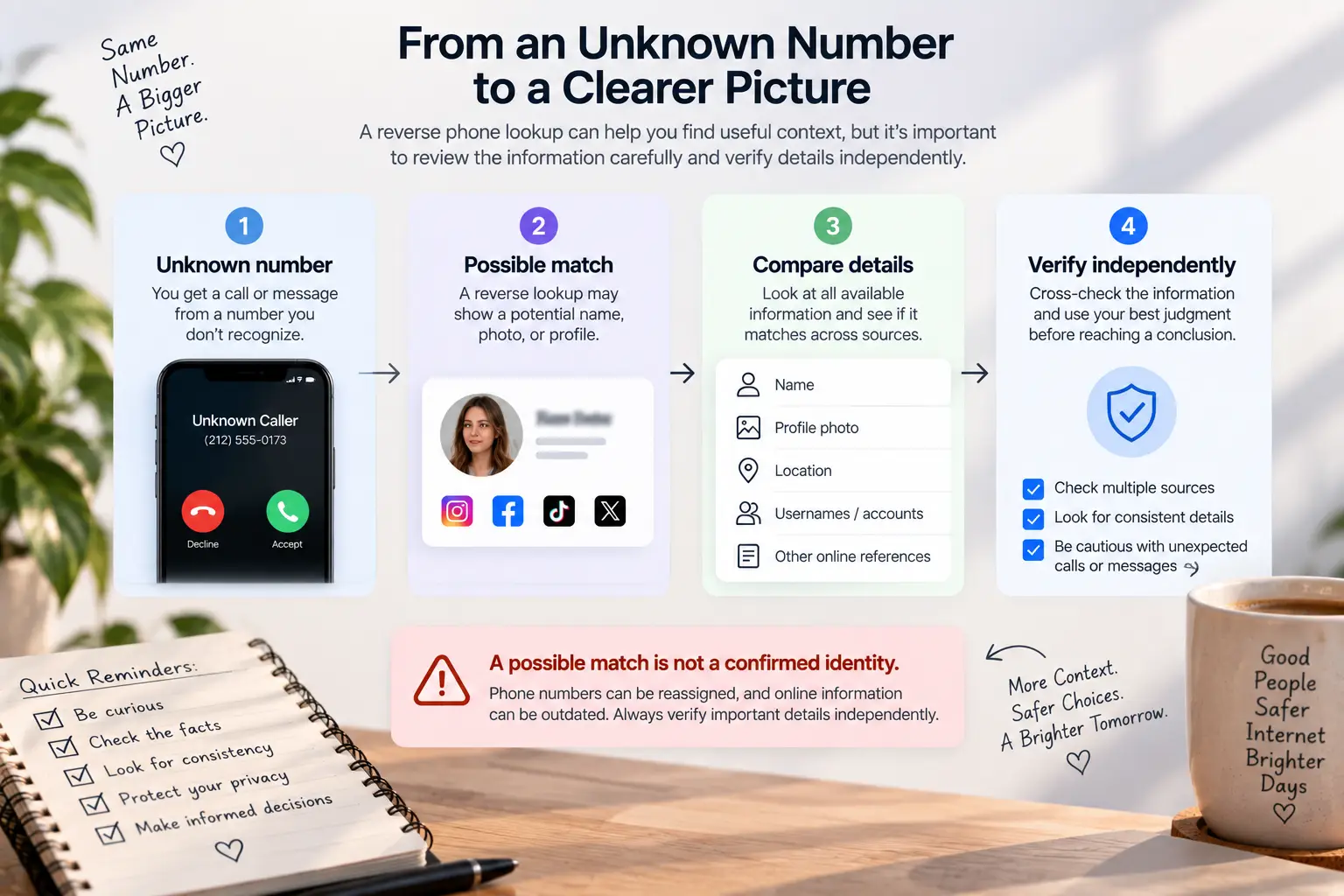
A reverse phone lookup can provide useful context by searching publicly available information connected to a number. If you want to see who owns this phone number, however, it is important to understand what these searches can and cannot tell you. A lookup result is not always definitive, and privacy settings, outdated records, and recycled phone numbers can all affect the information you see.
Why Search for an Unknown Phone Number?
Most people have encountered an unfamiliar number at some point. You may receive a missed call with no voicemail, a text from someone you do not recognize, or repeated calls that you cannot immediately identify.
Before calling back, a quick search can sometimes provide helpful context.
A phone number may be associated with a public business listing, social media profile, directory entry, or other publicly accessible information. In some cases, the result may identify a name or location. In others, the search may simply confirm that the number has appeared online before.
This can be particularly useful when deciding whether an unexpected call deserves a response.
See Who Owns This Phone Number: What Can You Actually Find?
See who owns this phone number can be a useful starting point when you want to investigate publicly available information connected to an unfamiliar number.
Depending on the number and available data, a reverse lookup may uncover information such as:
- A publicly associated name
- Business or organization details
- Social media profiles
- Public directory entries
- General location information
- Other online references
- Potentially connected usernames or profiles
The exact amount of information varies from one number to another. A personal mobile number may have almost no public footprint, while a business number could appear across multiple websites.
That difference is normal and does not necessarily indicate anything about the person using the number.
How Reverse Phone Lookup Works
Reverse phone lookup essentially changes the direction of a normal search.
With a conventional search, you might start with a person’s name and look for a phone number. With reverse lookup, you begin with the phone number and search for publicly available information that may be connected to it.
A specialized service can compare the number against available data sources and organize potentially relevant results.
Socialprofiler is designed around social media discovery and reverse lookup use cases. Its phone-based search can help users explore whether an unfamiliar number has publicly discoverable connections to social profiles or other online information.
This can save time compared with manually entering the number into multiple search engines and websites.
Why Results Are Not Always Definitive
It is important not to assume that a reverse lookup automatically identifies the current owner of a number.
Phone numbers can be reassigned. A number that previously belonged to one person may later be given to someone else. Public directories can also contain information that is several years old.
Social media information can change just as quickly. Users can delete accounts, change usernames, update their profiles, or remove phone numbers from account settings.
Because of these factors, a search result should be treated as a lead rather than absolute proof of identity.
If a result shows a name that does not match the information you expected, there may be a simple explanation. Check whether the record is current and whether the number could have changed ownership.
Look for Multiple Consistent Details
One of the best ways to interpret a lookup is to compare multiple pieces of public information.
Suppose an unfamiliar number is associated with a public profile showing a particular name and city. You can compare those details with information available elsewhere.
A consistent combination of information may provide stronger context than a single matching name.
However, matching information still does not guarantee that you have identified the correct person. Common names, shared business numbers, recycled numbers, and outdated databases can all produce misleading results.
The goal should therefore be to understand the available information rather than immediately reaching a conclusion.
Social Media and Phone Numbers
Many online platforms have historically allowed users to connect phone numbers to their accounts. Whether those connections are discoverable depends on the platform, the account configuration, and the user’s privacy settings.
For example, X explains that users can control whether people who have their phone number or email address can discover their account.
This means a reverse lookup may sometimes surface a social profile associated with a number, while another number produces no social results at all.
That difference does not necessarily indicate that one person uses social media and the other does not. It may simply reflect different privacy preferences.
If you are checking your own number, this can also be a useful reminder to review how easily your accounts can be discovered.
Using Socialprofiler to Find Social Media by Phone Number
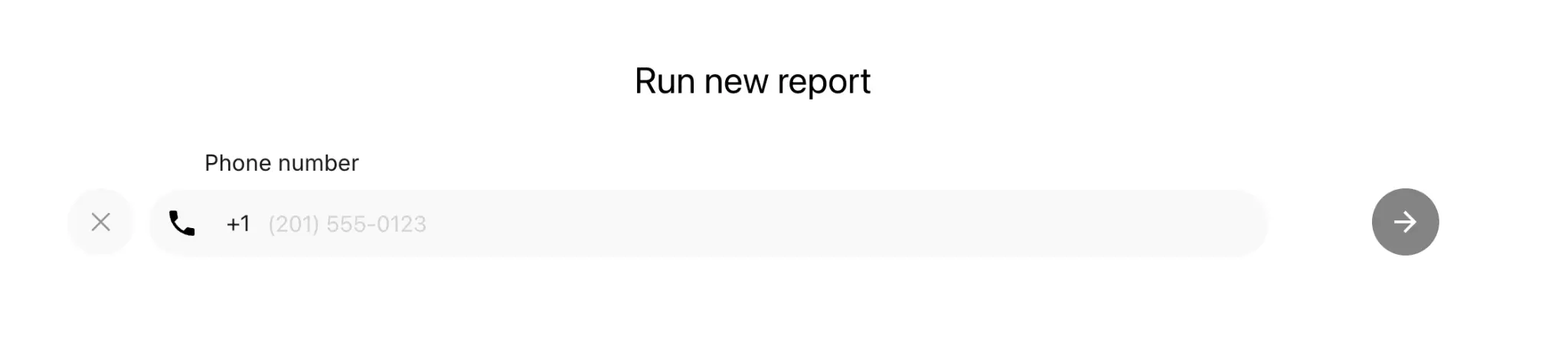
If you want to see who owns this phone number, Socialprofiler provides a number-first way to investigate possible social-media connections. You can start with a complete 10-digit U.S. phone number without needing the person’s name, email address, social-media username, profile URL, password, or contact upload.
After signing up, Socialprofiler can provide a free preview when a potential match is available. The profile photo remains visible, while identifying details such as the account name and direct profile link are blurred. This lets you assess whether the result appears relevant before accessing the full information.
With the full result, you can review the matched account details and separately check for possible associated profiles on Facebook, Instagram, TikTok, and X.
A result should still be treated as a possible match rather than proof of who currently owns or uses the number. Compare names, photos, usernames, locations, and other independent details before drawing conclusions.
What Else Can Socialprofiler Show?
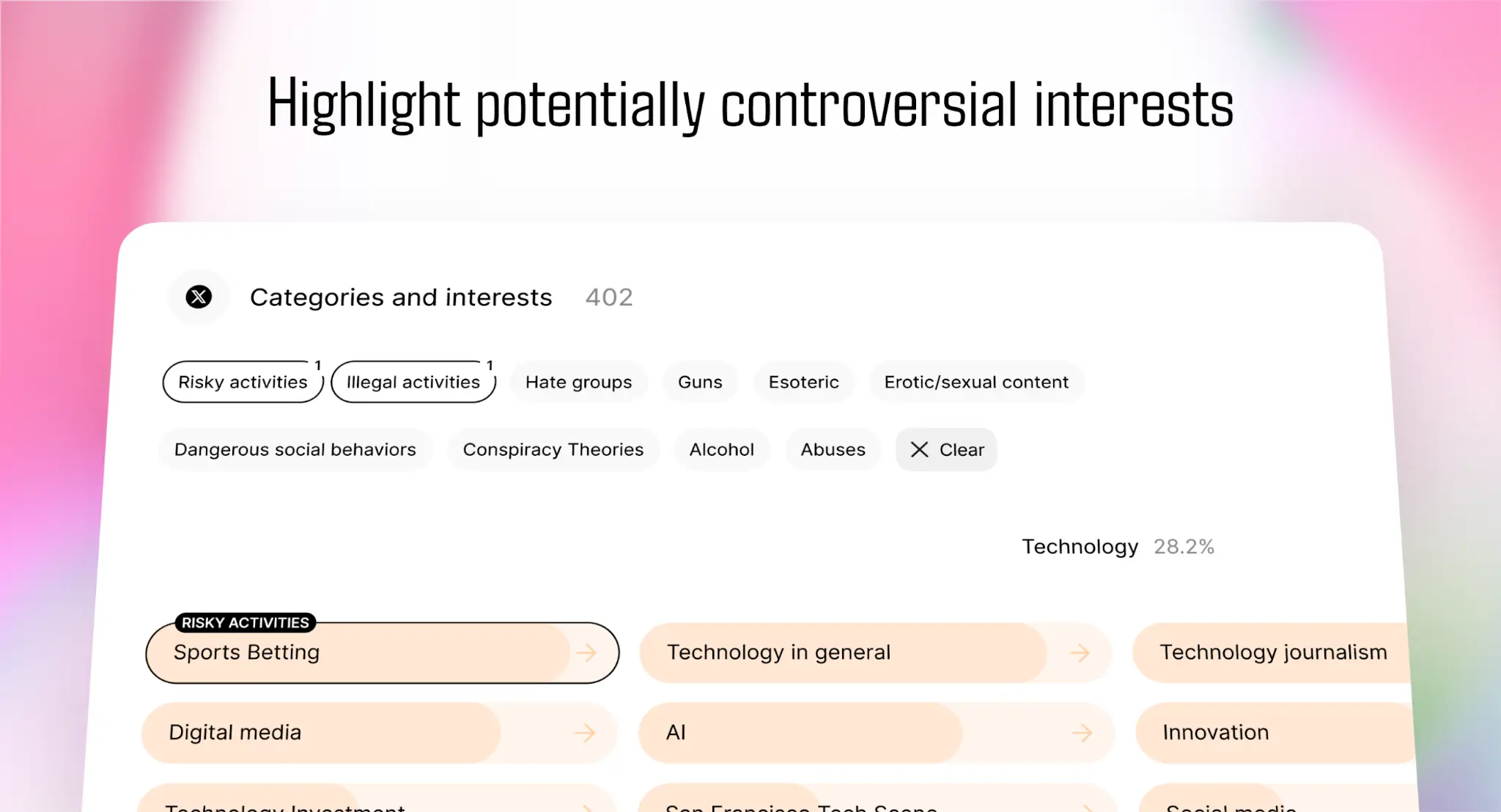
Depending on the information available for a potential match, Socialprofiler reports may also include Top Interests, followed accounts, connections, possible Red Flags, Unusual Aspects, an Executive Summary, and AI-assisted analysis.
These details can provide additional context, but they should not be treated as automatic proof of identity or ownership of the phone number.
When You Should Be Cautious
An unknown number is not automatically dangerous. At the same time, certain patterns can justify additional caution.
Be careful if an unfamiliar caller:
- Repeatedly pressures you to provide personal information
- Requests passwords or financial details
- Demands immediate payment
- Uses threats or intimidation
- Claims to represent an organization but refuses reasonable verification
- Sends suspicious links or attachments
- Attempts to create unnecessary urgency
A reverse lookup can provide context, but it should not be your only security measure.
If a caller claims to represent a bank, company, government agency, or another organization, independently contact that organization through an official channel rather than relying solely on the number that contacted you.
Check Your Own Phone Number
Reverse lookup is not only useful for identifying unknown callers. It can also help you understand your own online footprint.
Search your own number and see whether it appears in public directories, old profiles, business listings, or other websites. You may discover information that you forgot was publicly accessible.
If you find something you do not want exposed, check whether the website offers an opt-out process or contact the site administrator. You can also review privacy settings on social platforms where your phone number is connected.
This kind of periodic privacy check can help you understand how much information is publicly associated with your contact details.
Privacy Should Remain a Priority
Searching for public information is different from attempting to uncover private information.
If a person’s profile is protected or their information is not publicly available, a reverse lookup should not be used to circumvent those restrictions. Likewise, discovering someone’s personal information does not automatically give you permission to publish, distribute, or use it for another purpose.
Responsible phone research means limiting your search to legitimate purposes and respecting the privacy choices of others.
Final Thoughts
If you want to see who owns this phone number, a reverse lookup can sometimes provide useful information about the number’s public footprint. Depending on the available data, you may discover a name, business listing, social profile, or other online reference.
Tools such as Socialprofiler can make this type of research more convenient by bringing phone-based social discovery into one search process. However, results should always be interpreted carefully because phone numbers can be reassigned and public information can become outdated.
The most useful approach is to treat reverse lookup as one source of context. Verify important information through additional public sources, remain cautious with suspicious callers, and respect privacy throughout the process.
A few minutes of careful research can help you better understand an unfamiliar number without assuming that every search result tells the complete story.