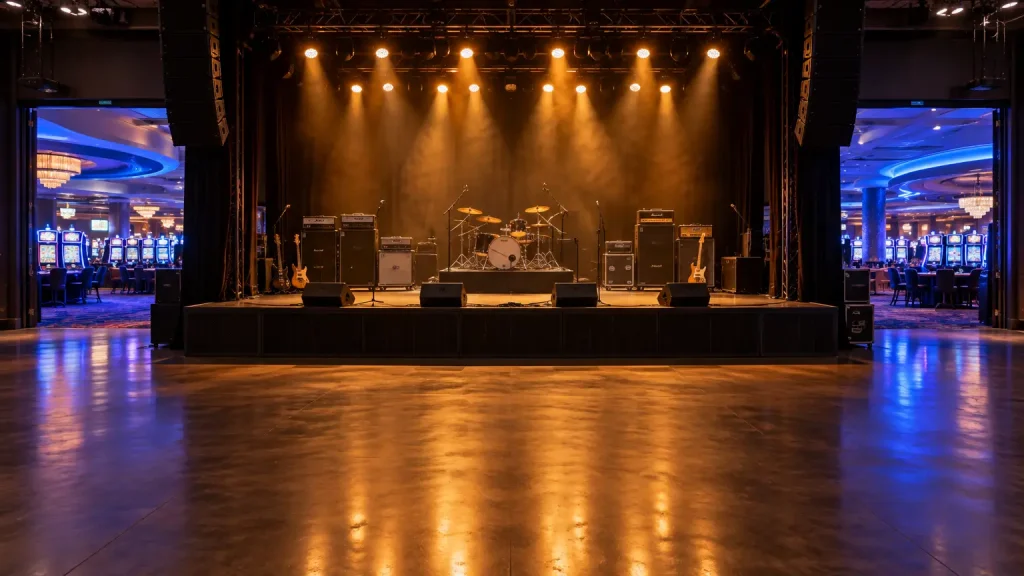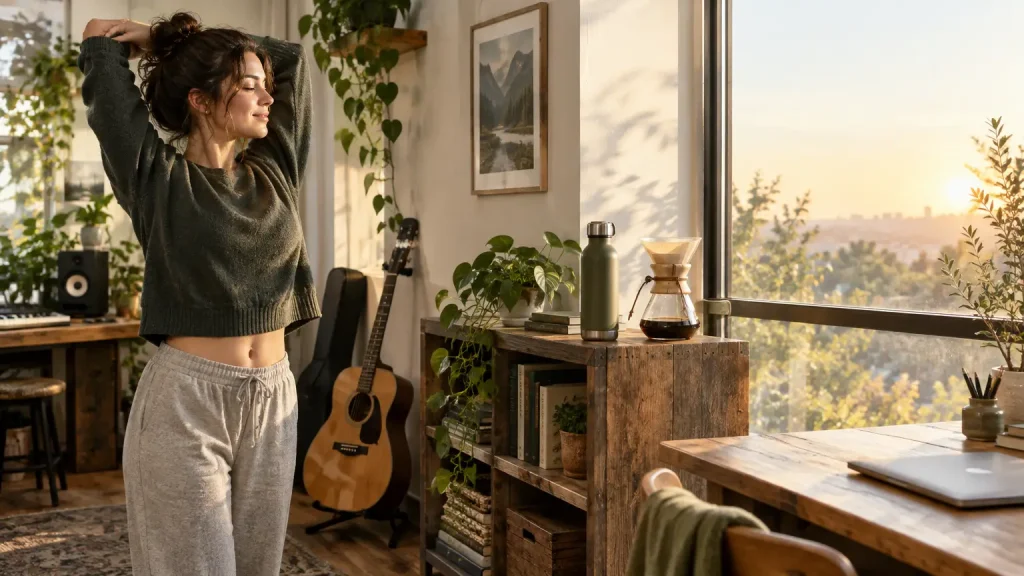
A gig that finished after midnight. A deadline due by Friday. Three coffees before lunch and a vague sense that the ideas just aren’t flowing like they used to. For musicians, writers, designers and anyone else living a creative life, burnout often creeps in quietly, disguised as a dry spell.
The truth is that creativity doesn’t run on inspiration alone. It runs on energy, and energy comes from surprisingly ordinary habits. Here’s how creative Australians can look after the basics and feel fresher, day in and day out.
Start with the simplest habit: water
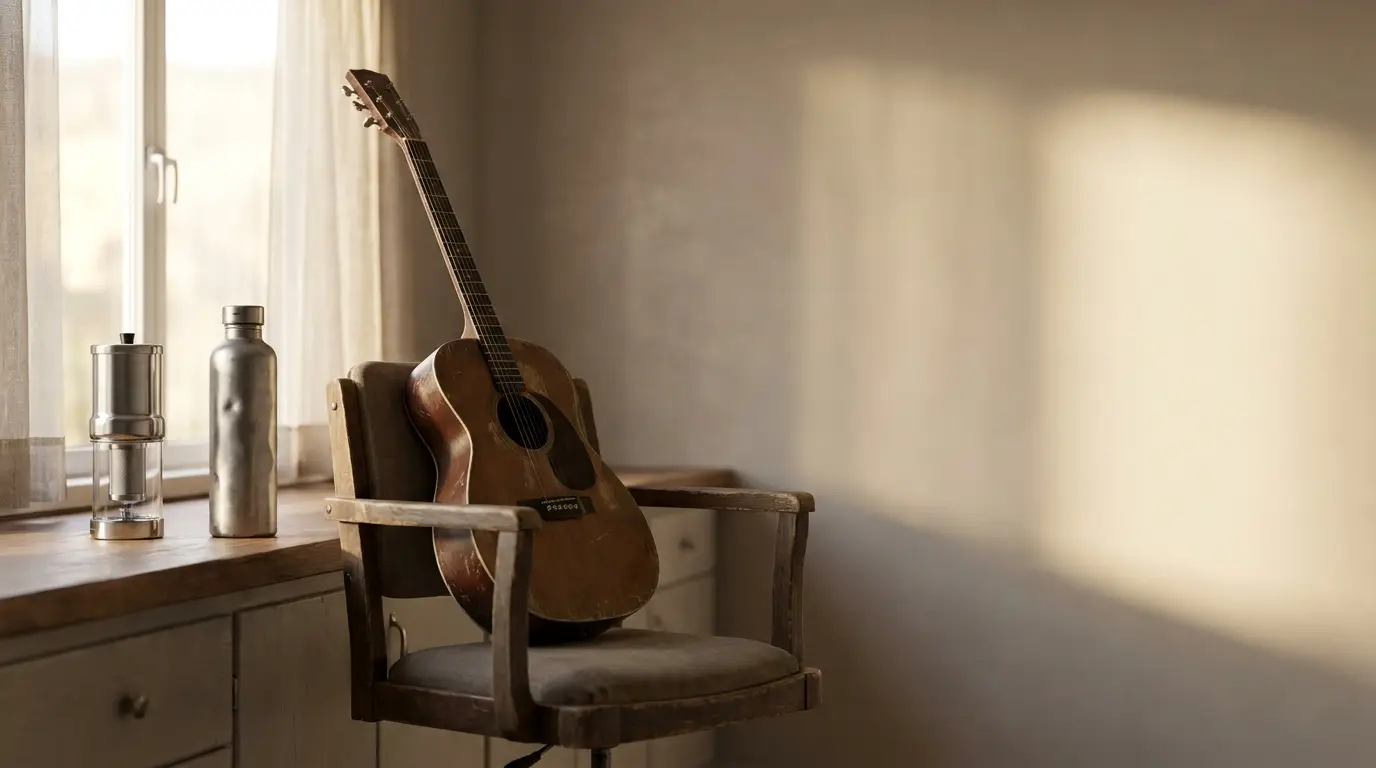
It’s easy to forget to drink water when deep in a project, rehearsing for hours or sweating under stage lights. But even mild dehydration can bring on headaches, tiredness and that foggy feeling that makes it hard to focus. For singers and anyone who uses their voice a lot, staying hydrated also matters for vocal comfort.
Make drinking water automatic
- Keep a bottle at the workstation, whether that’s a desk, a studio or a rehearsal room
- Pair it with routines, like a glass before the first coffee and one at every meal
- Pack water for gigs, since venue bars aren’t always quick to hand out a free glass
- Add a little flavour with lemon, mint or cucumber if plain water feels boring
Think about the water at home
Most Australian tap water is treated and safe to drink, but some people don’t love the taste, which can mean they drink less of it or reach for soft drinks instead. That’s one reason many households look at a home water filtration system. Brands like Zazen Water offer benchtop systems that sit on the kitchen bench with no plumbing required, which suits renters and share houses.
When comparing options, it helps to check:
- How often cartridges need replacing, and the yearly cost
- How much bench space is available
- How much water the household drinks each day
Take Jordan, a Melbourne guitarist and part-time sound engineer. He used to buy a bottled water slab every week for the studio. After setting up a Zazen Water benchtop filter at home and filling a big insulated bottle each morning, he says he drinks noticeably more and has stopped carting plastic bottles around.
Protect sleep, ears and energy
Creative work rarely sticks to a nine-to-five. Late shows, studio sessions that run into the early hours and bursts of inspiration at midnight are part of the territory. The goal isn’t a perfect schedule. It’s a rhythm that leaves enough fuel in the tank.
Build a realistic sleep routine
- Anchor the wake-up time. Even after a late gig, getting up at roughly the same time each day keeps the body clock steadier
- Wind down after shows. A shower, a herbal tea and dim lights help the brain switch off after the adrenaline of performing
- Block out light and noise with an eye mask and earplugs, especially when sleeping in during the day
- Keep naps short. Around 20 minutes refreshes without leaving people groggy
Look after the ears
For musicians, sound techs and regular gig-goers, hearing is precious. High-fidelity earplugs lower the volume without muffling the music, and they’re far cheaper than dealing with tinnitus later. Taking short breaks away from the speakers during long sets helps too.
These tips for touring musicians cover the same ground, from hydration and movement to protecting hearing and getting proper rest. The advice applies just as well to weekend performers and creatives working from home.
Move, unplug and refill the creative well
Hours hunched over a laptop, guitar or sketchbook take a toll. Small breaks add up to more energy and, often, better ideas.
Easy ways to build in movement
- Use the 50/10 rule: 50 minutes of focused work, then 10 minutes away from the screen
- Walk to think. Plenty of songwriters and writers solve creative problems on a stroll around the block
- Stretch before and after playing to ease tension in the neck, shoulders and wrists
- Pick movement that feels fun, like a swim at the local pool, a dance class or a weekend bushwalk
Make space for input, not just output
Creativity needs feeding. A gallery visit, a live gig as a punter, a new album played start to finish or a few pages of a novel can spark ideas in a way that endless scrolling rarely does. Setting the phone to “do not disturb” for the first hour of the day protects that headspace.
A mini case study
Aisha, a Brisbane illustrator and singer, hit a wall last year after months of late nights and back-to-back commissions. She made three changes: a 9am walk before opening her laptop, a no-screens rule after 10pm and one live gig a fortnight just for enjoyment. Within a month, she said, she was sleeping better and sketching new ideas again. Plenty of that thinking echoes this guide to wellness on a budget, which treats health as essential creative gear.
For anyone in the Australian music industry who’s struggling, Support Act offers free, confidential wellbeing support.
Small habits, bigger ideas
A creative life runs best on simple foundations. This week, it’s worth picking three easy wins: keep a full water bottle within reach while working, set a regular wake-up time even after late nights, and schedule one screen-free walk each day. Give it a fortnight, and the energy (and the ideas) should start to flow more easily.