Picture a normal Tuesday night. The TV is playing the prestige drama everyone keeps telling you to finish. The phone is in your hand. Somewhere between the second and third scene you have answered a group chat, looked up who that actor is, and half-forgotten what just happened on screen. This is not a personal failing. It is simply how most of us take in entertainment now, and it has quietly rewritten the rules for anyone trying to hold an audience.
We Are All Watching With One Eye
The numbers are blunt about it. Research from GWI found that 86% of internet users now reach for a second device while the TV is on, with the smartphone the clear weapon of choice (GWI). The habit is just as entrenched in the UK as anywhere, cutting across age groups rather than belonging only to teenagers. The single, undivided viewer is close to extinct.
What is worth sitting with is that this is not the same as switching off. Plenty of that phone time is spent on the show itself, looking up a plot detail, arguing about a casting choice, posting a reaction before the credits roll. Attention has not vanished. It has scattered.
The Second Screen Became Its Own Venue
Early on, the phone was a sidekick. You checked a fact, you posted a reaction, you went back to the programme. That arrangement has broken down. The device in your hand stopped reacting to the main screen and started competing with it.
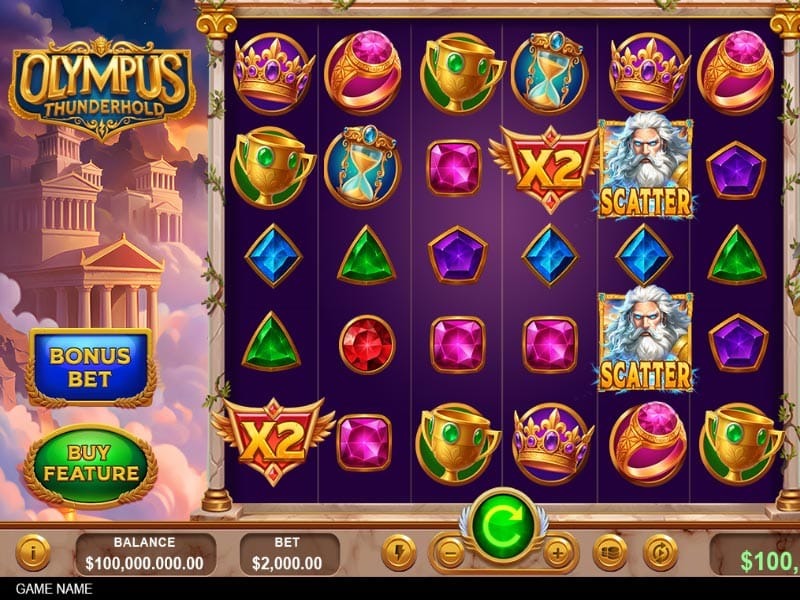
People now buy the trainers from the advert rather than just reading about them. They message three different friends mid-scene. And, more and more, they play something during the slow stretches. The steady rise of online blackjack sites fits neatly into this pattern, because a single hand takes well under a minute, there is no lobby to wait in and no round to commit to, and you can close the tab the moment the show picks back up. That suits blackjack in particular better than most casino formats, since it is one of the few games where a quick decision actually carries weight, which is part of why these platforms have leaned into fast, mobile-first tables built for short bursts rather than long sessions. It slots into the same gap a mobile puzzle game or a thirty-second scroll through TikTok rushes in to fill. The activity itself is almost beside the point. What matters is that the second screen now offers a full menu of things to do, from shopping to messaging to a few hands between scenes, and the main screen has to earn its place against all of them.
What This Does to the People Making the Work
Here is where it gets interesting for music and television. When you know the audience is only half-looking, you design for the half that is.
Hooks arrive faster. Choruses turn up before the ninety-second mark instead of after it. Sports broadcasts now bury live stats, odds, and player graphics into the corner of the screen specifically to keep the phone-holder tethered to the broadcast. Musicians, meanwhile, have stopped treating social platforms as a place to dump a tour poster and started treating them as part of the work itself, a shift Gigwise has written about in detail in its look at how music promotion evolved across social platforms. The teaser clip, the behind-the-scenes reel, the snippet engineered to loop: all of it exists because the artist knows your eyes are already on the smaller screen.
Television writers have adapted in their own way. Cold opens are sharper. Recaps are heavier. Plot points get repeated, sometimes twice, because the writers assume you missed the first mention while you were typing.
Divided Attention Is Not the Same as No Attention
It is tempting to read all this as decline, proof that nobody can focus any more. The reality is fuzzier. Studies on media multitasking consistently find that very few people actually do two demanding things well at once, yet the same studies show people reaching for that second device precisely because the main one has a slow moment, an ad break, a stretch of filler.
In other words, the gaps are real, and they are predictable. Advertisers know viewers reach for their phones the instant a commercial starts. App designers know the lull in a long match is when a quick game gets opened. The whole ecosystem has organised itself around those small windows of wandering attention, which is why the second screen feels less like a distraction and more like a permanent fixture of how leisure works.
So Where Does That Leave Us
The second screen is not going anywhere, and pretending otherwise is a losing strategy. The people and platforms doing well are the ones treating the phone as part of the experience rather than its enemy. Live blogs that run alongside a broadcast. Polls that change what happens on screen. Artists who turn a comment section into the second act of a release.
For everyone else, it is worth being a little more honest about how we watch. Most of us are not really watching anything in full any more. We are dipping in and out, one eye up, one eye down, letting the night unfold across two screens at once. The trick, if there is one, is noticing when the small screen has quietly become the main event.