Robot lawn mower trends are redefining how homeowners manage outdoor spaces with less effort and more precision. What started as simple automated mowing has expanded into a smarter category built around navigation, connectivity, efficiency, and sustainability. Modern models now do far more than follow a fixed path across the yard. They can map lawn layouts, avoid obstacles, connect to mobile apps, and adapt mowing schedules to changing conditions. These advances are turning routine lawn care into a data-informed, low-maintenance process. For homeowners seeking convenience and cleaner results, the newest developments in robotic mowing are shaping a more intelligent approach to yard care.
What Are the Biggest Robot Lawn Mower Trends Today?
AI-Powered Navigation and Smarter Obstacle Detection Systems
One of the biggest robot lawn mower trends is the move toward AI-powered navigation and more reliable obstacle detection. Earlier robotic mowers often relied on simple bump sensors or random movement patterns, which could reduce efficiency and leave uneven cutting results. Newer systems use cameras, onboard processors, ultrasonic sensors, and machine learning to identify objects before contact and choose cleaner routes across the lawn. This allows the mower to work around trees, garden beds, outdoor furniture, toys, and pets with greater precision. Smarter navigation also helps reduce missed patches and unnecessary overlap, improving cut quality while saving time and battery life. The result is a safer, more consistent mowing experience.
GPS Mapping, Virtual Boundaries, and Wire-Free Installation Technology
GPS mapping and virtual boundary technology are making robot lawn mowers easier to install and more flexible to use. Traditional systems often required perimeter wires buried around the lawn, which added setup time and made layout changes inconvenient. The latest models increasingly use satellite positioning, RTK guidance, and digital mapping to define mowing zones without physical wire installation. Homeowners can set boundaries, no-go areas, and work zones through an app, then update them whenever the landscape changes. This wire-free approach simplifies initial deployment and supports more precise route planning. It also helps robotic mowers manage complex yards with multiple sections, narrow passages, and landscaping features more effectively than earlier generations.
Smart Home Integration, Mobile Apps, and Voice Control Features
Another major trend is deeper smart home integration through mobile apps, cloud connectivity, and voice control. Instead of treating the mower as a standalone machine, manufacturers are designing it as part of a connected home ecosystem. Users can start, pause, schedule, or monitor mowing sessions remotely from a smartphone, receive maintenance alerts, and review coverage history in real time. App controls also make it easier to adjust cutting times around weather, yard use, or seasonal growth patterns. In some systems, voice assistants allow hands-free commands for basic operation. These connected features improve convenience, but they also give homeowners more control over performance, making robotic mowing feel less automated in the background and more intentionally managed.
How Are New Technologies Transforming Smart Yard Care?
Data-Driven Lawn Management and Personalized Mowing Schedules
New technologies are transforming smart yard care by making mowing schedules more personalized and responsive. Instead of running on a fixed timer alone, advanced robot lawn mowers can use lawn size, growth rate, weather inputs, and mowing history to determine when and where to cut. This data-driven approach helps maintain a more consistent grass height while avoiding unnecessary operation. Some systems can prioritize high-growth areas or adjust frequency during wetter, warmer periods when turf grows faster. Mobile apps also give users clearer visibility into mower activity, battery use, and coverage patterns. With better insights and scheduling tools, homeowners can manage lawn care more strategically, improving appearance while reducing wasted energy, wear, and time.
Improved Battery Technology, Faster Charging, and Greater Coverage Capacity
Battery improvements are another key force behind the rise of smart yard care. Modern robot lawn mowers increasingly use higher-efficiency lithium-ion battery systems that support longer runtimes, shorter charging cycles, and more stable performance over repeated use. Faster charging means the mower can return to work sooner, which is especially useful for larger lawns or frequent mowing schedules. Greater energy efficiency also helps expand coverage capacity without requiring oversized machines. As a result, robotic mowers can handle wider areas more reliably and maintain regular cutting even during peak growing seasons. Better battery management software further supports performance by optimizing power use, protecting battery health, and coordinating charging with the mower’s planned workload.
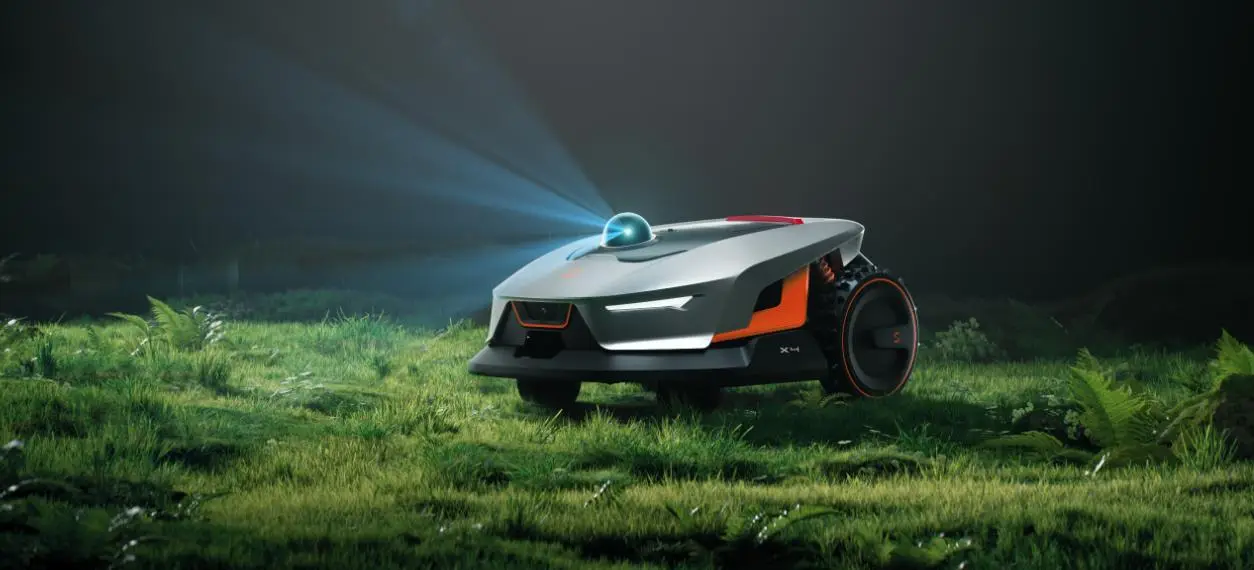
Eco-Friendly Innovations and the Shift Toward Sustainable Lawn Maintenance
Sustainability is becoming one of the most important robot lawn mower trends. Robotic mowers support greener lawn maintenance by using electricity instead of fuel, which reduces direct emissions, engine noise, and routine maintenance needs such as oil changes. Frequent light trimming also creates fine grass clippings that return nutrients to the soil, helping natural mulching and supporting lawn health. Many newer designs focus on energy-efficient motors, smarter route planning, and quieter operation that fits better in residential neighborhoods. These innovations align with growing homeowner interest in lower-impact yard care. By combining efficient power use with precise mowing and reduced waste, robot lawn mowers are helping shift lawn maintenance toward a cleaner and more sustainable model.
Conclusion
Robot lawn mower trends are moving smart yard care toward greater precision, convenience, and sustainability. The biggest developments today include AI-based navigation, GPS mapping, wire-free setup, app control, personalized scheduling, stronger battery performance, and eco-conscious design. Together, these technologies do more than automate mowing. They improve cut quality, simplify lawn management, and help homeowners maintain healthier yards with less hands-on work. As robotic mowing systems become smarter and easier to use, they are changing expectations for everyday lawn care. For anyone looking to save time while keeping a tidy lawn, these trends show where the future of outdoor maintenance is clearly headed.