
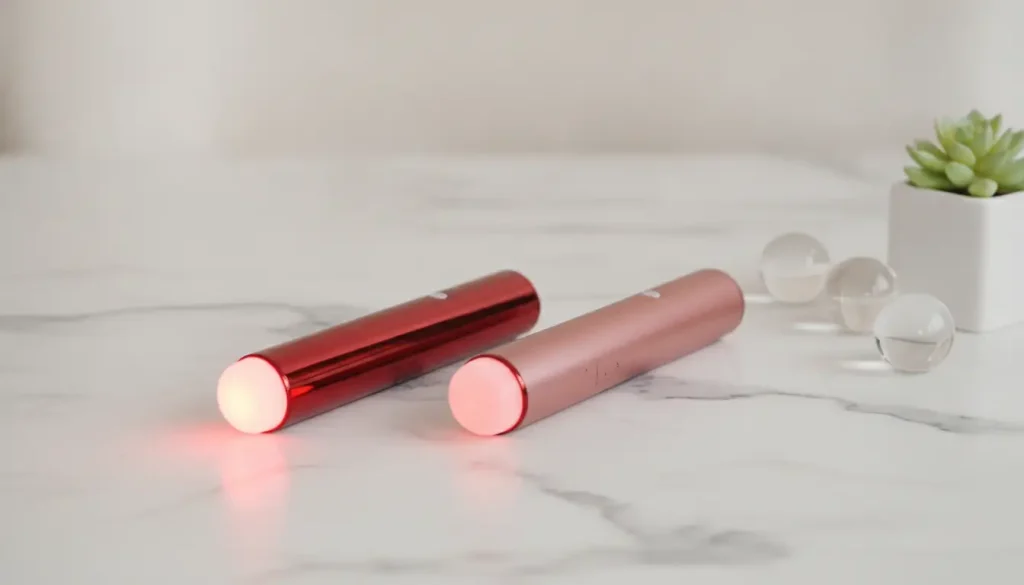
A device that still turns on and appears to function normally is not necessarily performing the way it did when new. Handheld wands, like any LED-based device, gradually lose output over time, and knowing the signs worth watching for helps you decide when replacement, rather than continued use, is the more sensible choice.
Why This Applies Regardless of Brand
These general degradation patterns apply across the handheld device category broadly, not to any single brand specifically, meaning this is a reasonable framework to keep in mind regardless of which particular wand you own or are considering purchasing.
Why This Is Harder to Notice Than Outright Failure
Unlike a battery that simply stops holding a charge, LED output decline is gradual and invisible in daily use, the device still lights up, still feels the same to use, while quietly delivering less light energy to the skin than it once did. This makes it genuinely easy to miss.
Why This Concern Applies Less to Very New Devices
If your wand is less than a year old and used within its rated frequency, meaningful output decline is unlikely to be the explanation for slower-than-expected results, since quality components generally hold up well within this early window. Other factors, consistency, positioning, skin type, are more likely explanations at this early stage.
Typical Lifespan for a Quality Wand
Well-built handheld devices are generally rated for many thousands of hours of use before significant output decline, which for a typical multi-weekly routine translates into several years of expected effective performance. Lower-quality components can decline meaningfully faster, sometimes well within the first year or two.
Signs Worth Paying Attention To
A noticeable plateau or regression in results after a long stretch of previously consistent, effective use, without any change in your actual routine, is one of the more reasonable signals worth considering. This is different from a normal short-term plateau, which is common even with a fully functioning red light therapy wand and does not necessarily indicate a hardware issue.
Physical Wear and Tear
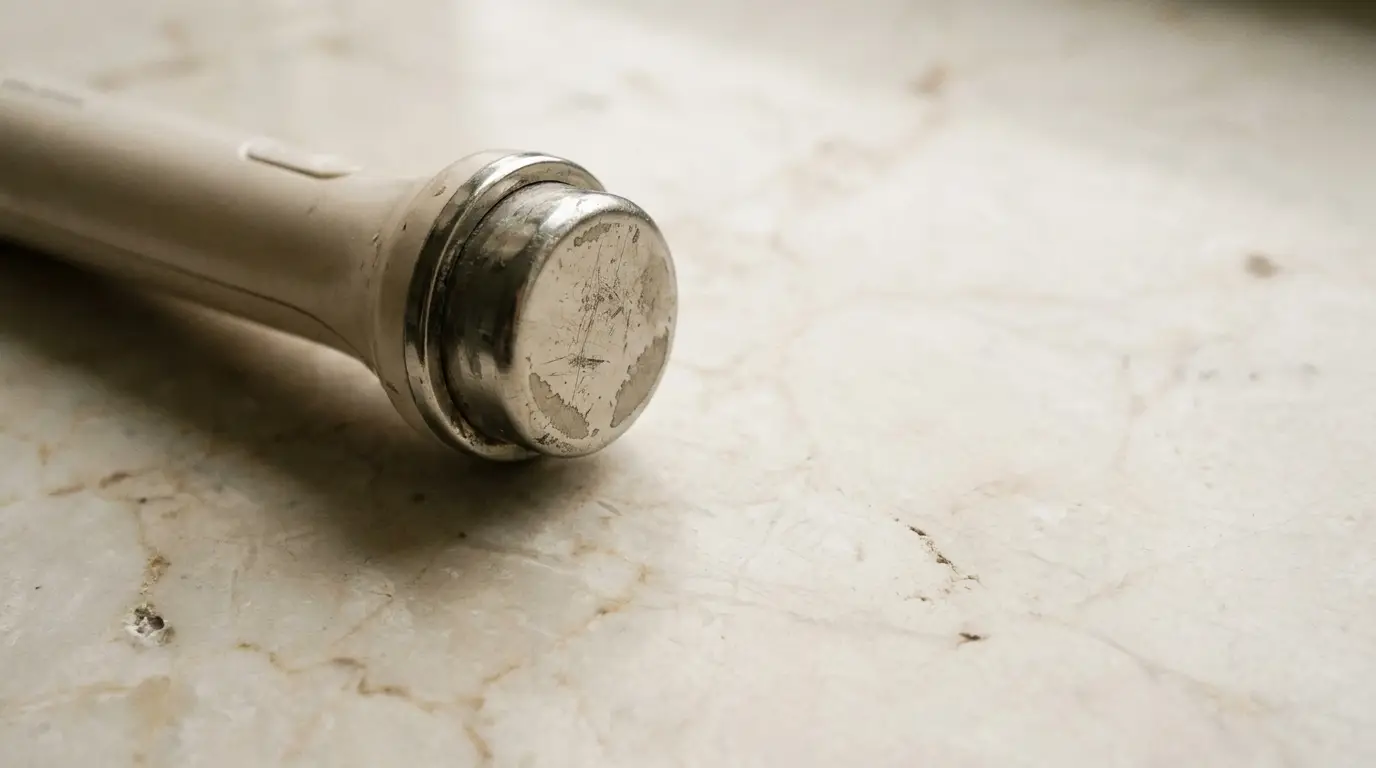
Beyond LED output, physical components, battery capacity, the treatment surface, buttons and controls, also wear down with regular use over years. A device that no longer holds a charge reliably or has a treatment surface showing visible wear is a more straightforward, easier to notice sign that replacement is approaching.
Why Build Quality Affects Timeline Significantly
According to engineering data on LED output decline in handheld devices, component quality and thermal management design meaningfully affect how quickly output declines over comparable usage hours, which is part of why two devices purchased around the same time, at different price and quality tiers, can have quite different effective lifespans.
Extending a Device’s Working Life
Avoiding excessive heat exposure, charging according to manufacturer guidance rather than letting the battery deplete fully and repeatedly, and storing the device properly between uses all contribute to a longer effective lifespan. Our guide to extending the life of handheld skincare devices covers specific care habits that meaningfully slow this kind of gradual decline.
When Warranty Coverage Matters
If a decline in performance occurs within the manufacturer’s warranty period, particularly for a device still relatively new, it is worth reaching out to the company directly, since premature degradation within a warranty window may be eligible for repair or replacement rather than requiring an out-of-pocket purchase.
Weighing Replacement Against Repair
For most consumer-grade handheld devices, professional repair is generally not a widely available or cost-effective option, meaning replacement, rather than repair, is typically the practical path once a device’s output has meaningfully declined beyond its useful working life.
Making the Most of a Replacement Purchase
If you do reach the point of replacing a wand, this is a reasonable moment to reassess whether your original device category and specifications still fit your current routine and priorities, rather than automatically repurchasing the identical model without reconsidering.
Keeping a Simple Purchase Record
Noting your purchase date and any early observations about the device’s performance when new gives you a useful reference point to compare against later, making it easier to notice a genuine decline several years down the line rather than relying purely on memory of how the device performed when it was new.
Deciding Between an Upgrade and a Like-for-Like Replacement
When the time does come to replace a wand, it is worth briefly checking whether newer models in the same category offer meaningfully improved specifications since your original purchase, technology in this space has continued to advance, and a replacement purchase is a natural opportunity to reassess rather than simply repurchasing the same model out of habit.
The Bottom Line
A red light therapy wand does not fail suddenly, it declines gradually in a way that is easy to overlook during normal use. Paying attention to results plateauing after a long stretch of previous effectiveness, alongside physical signs of wear, helps identify the point where replacement becomes the more sensible choice than continuing with a device performing well below its original capacity.