

Restaurants have always been judged by what guests can see, taste, and feel: the greeting at the door, the pace of service, the music in the room, the accuracy of the bill, and the small details that make a table feel cared for. Yet behind every smooth service is a quieter kind of performance. Orders move from server to kitchen, stock levels shift with every dish, managers read the floor in real time, and owners try to understand whether the night was profitable or simply busy.
- Great hospitality still depends on people.
- Better systems help those people perform without friction.
- The best technology stays mostly invisible to the guest.
That is why the conversation around restaurant POS systemshas changed. A point-of-sale platform is no longer just a cash register with a touchscreen. For many operators, it has become the operational spine of the business, connecting service, payments, menu decisions, reporting, labor awareness, and inventory discipline. The question is not whether a restaurant needs software. The better question is whether its software helps the team protect the rhythm of service.
For owners looking at the broader role of connected restaurant technology, hospitality POS system operationsshould be understood as more than transaction handling; they are the daily coordination of orders, tables, staff decisions, menu availability, and back-office visibility, all integrated into a single practical workflow.
Why Restaurant Technology Now Feels Like Part of the Atmosphere
A decade ago, many owners viewed software as something that sat in the office. Today, it sits in the middle of service. A delayed order, a missing modifier, a payment issue, or an inaccurate stock count can quickly become visible to guests. The system may be technical, but the consequences are emotional: frustration, waiting, confusion, or loss of trust.
- Guests notice delays before they notice software.
- Staff notice software when it slows them down.
- Owners notice software when margins become unclear.
The strongest operators now treat POS decisions the way they treat menu design or hiring. They ask whether the system fits the concept. A high-volume counter-service brand needs speed and simplicity. A full-service restaurant needs table awareness, ordering logic, and flexible payment handling. A multi-location group needs consistency, permissions, analytics, and controls. A small independent restaurant may need fewer features but greater clarity.
This is where business maturity matters. Buying the most feature-heavy system is not the same as buying the right one. Good restaurant software should reduce noise, not add another layer of management complexity. When a server can send an order cleanly, when a bartender sees modifiers clearly, when a manager can spot a sales trend before the end of the week, technology is doing its job.
The New Value of Operational Visibility
Restaurant owners are often surrounded by data but short on usable insight. Sales reports, voids, labor costs, menu performance, inventory variance, and guest behavior all matter. But if the data arrives too late or is too hard to interpret, it becomes administrative clutter.
Modern operators need visibility that answers practical questions:
- Which items sell well but produce weak margins?
- Which shifts are busy but understaffed?
- Which ingredients disappear faster than expected?
- Which promotions bring guests back rather than simply discounting revenue?
A well-structured restaurant inventory management systemcan make a major difference here. Inventory is not only about counting bottles, produce, proteins, or dry goods. It is about understanding the relationship between menu engineering, purchasing discipline, waste reduction, and cash flow. In an industry where margins can be thin, small improvements in stock control often have an outsized effect.
Where POS and Inventory Must Work Together
The real advantage appears when POS and inventory are not treated as separate worlds. If sales data lives in one place and stock control in another, managers spend too much time reconciling information manually. That is where errors creep in. A busy weekend might look successful in revenue terms while quietly creating waste, over-ordering, or missed prep needs.
- POS data shows what guests bought.
- Inventory data shows what the business consumed.
- Together, they show whether the menu is working.
This is especially important for restaurants that frequently adjust menus, run specials, or respond to seasonal pricing. A chef may know what is popular. A manager may know what is profitable. A connected system can help both see the same truth faster.
The Human Side of Better Systems
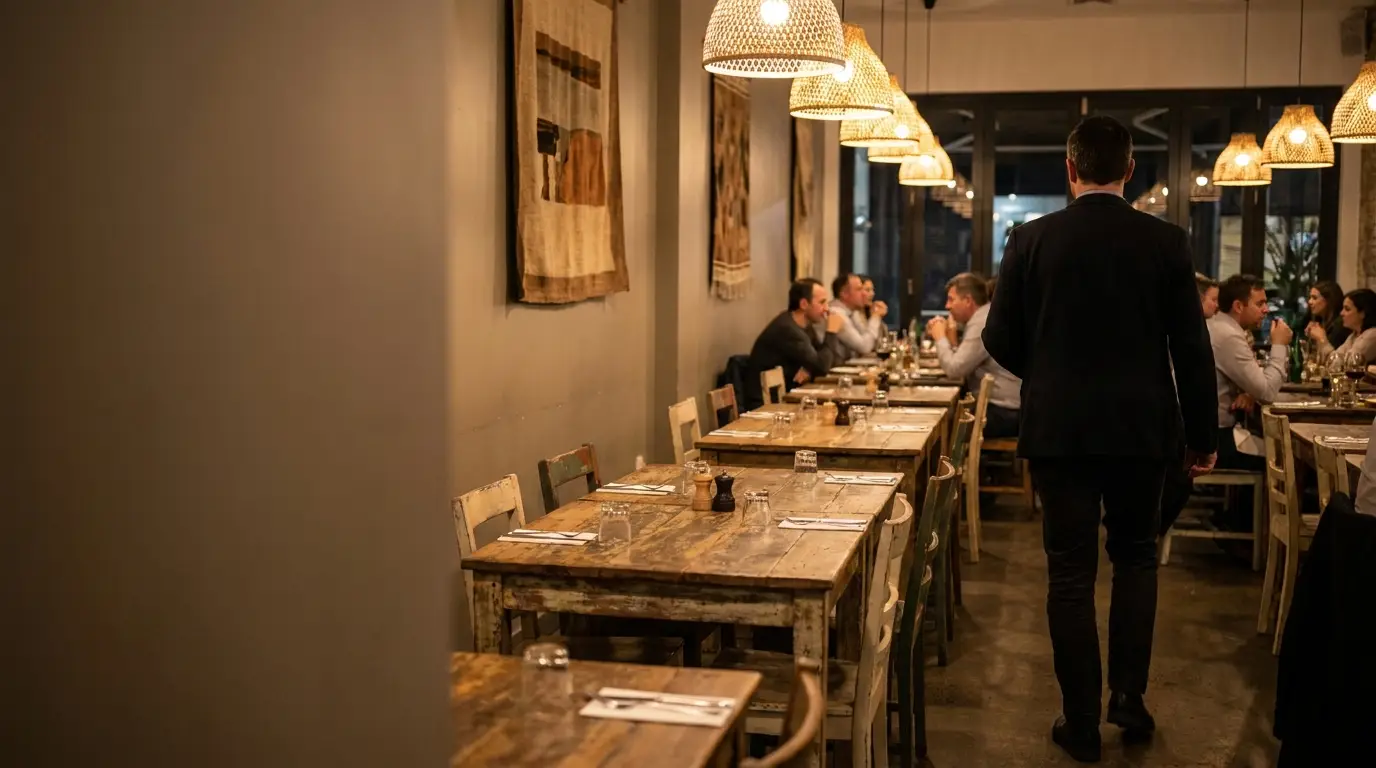
The hospitality industry does not need colder, more robotic restaurants. It needs systems that give staff more room to be human. When software removes repetitive friction, teams can focus on timing, tone, recovery, and guest connection.
Consider the difference between a server who has to re-enter a complex order twice and one who can confidently send it once. Consider a manager who spends the dinner rush solving preventable ticket errors versus one who can walk the floor, support staff, and read guest energy. These moments matter because service quality is built on attention.
- Fewer manual errors mean fewer awkward guest conversations.
- Faster workflows mean calmer staff.
- Cleaner reporting means better decisions after service.
Technology should not replace hospitality instincts. It should sharpen them. The best restaurant software gives operators enough structure to make informed decisions without flattening the personality of the venue.
Why Table Awareness Is Becoming a Strategic Advantage
In full-service environments, table management is more than seating guests. It affects pacing, kitchen flow, server workload, revenue per available seat, and the overall mood of the dining room. A restaurant can lose momentum when tables are turned too slowly, seating is uneven, or operations are managed without visibility.
A tool or workflow associated with TableViewthinking can be valuable, as it encourages operators to view the dining room as a living system rather than a static floor plan. The point is not just knowing which table is occupied. The point is knowing where attention is needed next.
- Which tables are waiting to be ordered?
- Which checks may soon close?
- Which server section is overloaded?
- Which guests have been waiting longer than expected?
When managers can read the room through both experience and accurate system cues, service becomes more proactive. That is particularly relevant for restaurants trying to balance hospitality with profitability. A warm welcome matters, but so does intelligent pacing.
What Restaurant Owners Should Prioritize Before Choosing Software
Before investing in new tools, owners should map their operational pain points honestly. The most common mistake is buying software based on features rather than problems. A system that impresses during a demo may still fail if it does not match the restaurant’s daily pressures.
Important questions include:
- Where do mistakes happen most often?
- Which reports does management actually use?
- How much training can the team realistically absorb?
- Does the software support today’s concept and tomorrow’s growth?
- Can the system improve service without distracting from it?
For B2B restaurant software clients, the lesson is equally clear. Operators do not simply want dashboards, integrations, or automation. They want confidence. They want fewer surprises, better control, smoother onboarding, and tools that respect the urgency of restaurant work.
The Future Is Not More Software – It Is a Better Fit
The restaurant industry has seen waves of digital tools: ordering platforms, kiosks, loyalty apps, kitchen displays, scheduling software, accounting integrations, and analytics dashboards. Some are useful. Some are distracting. The future will not belong to restaurants that collect the most tools. It will belong to those who build the most coherent operating environment.
That means choosing restaurant POS systemsthat fit the service model, support reliable restaurant inventory management, and give managers a clear view of the floor through practical features such as TableView. The goal is not to make restaurants feel like software companies. The goal is to let restaurants run with fewer blind spots.
A strong POS strategy should help owners protect three things: guest experience, team performance, and financial discipline. When those three are aligned, technology becomes less of a cost center and more of a management instrument.
Final Thought: The Best Systems Let Hospitality Lead
For restaurant owners, the smartest technology decision is rarely the flashiest one. It is the one that makes the business easier to understand, manage, and scale without losing its soul.
A restaurant’s atmosphere may be built with lighting, music, food, and personality, but its consistency often depends on what happens behind the scenes. When systems support the natural rhythm of hospitality, guests do not think about the software at all. They simply feel that the restaurant works.