Pop culture in 2026 has no single centre, yet it is hardly shrinking. IFPI reported that global recorded-music revenue reached $31.7 billion in 2025, up 6.4% for an eleventh consecutive year. Luminate measured 2.8 trillion global on-demand audio streams in the first half of 2026, a 9.8% annual increase.
The numbers describe abundance, but the stronger story is behavioural. A song may break in a short clip, gain meaning in a fan edit, sell a physical edition and reach its peak onstage. Films, sport and games follow the same route: audiences clip them, argue over them and keep them circulating.
The Hit Arrives in More Than One Format
Release day is now a chain of formats rather than a single premiere. A track can appear as full audio, a vertical-video excerpt, a live performance, a dance prompt and a behind-the-scenes conversation. Each version asks for a different amount of attention and gives the audience a different role.
This fragmentation does not automatically make culture shallow. A short clip can provide discovery while a long interview or concert film supplies context. The problem begins when every work is engineered around a fifteen-second extract and leaves little worth hearing, watching or discussing after the hook.
Nostalgia Has Become a Release Strategy
Catalogues no longer sit quietly behind current hits. Luminate reported that US CD sales rose 16% to 16.3 million units in the first half of 2026; even after removing K-pop, sales still increased 6.7%. Physical media now functions as a collectible, a design object and proof of fandom in an era where access is rented by the month.
Live Events Carry the Scarcity Premium
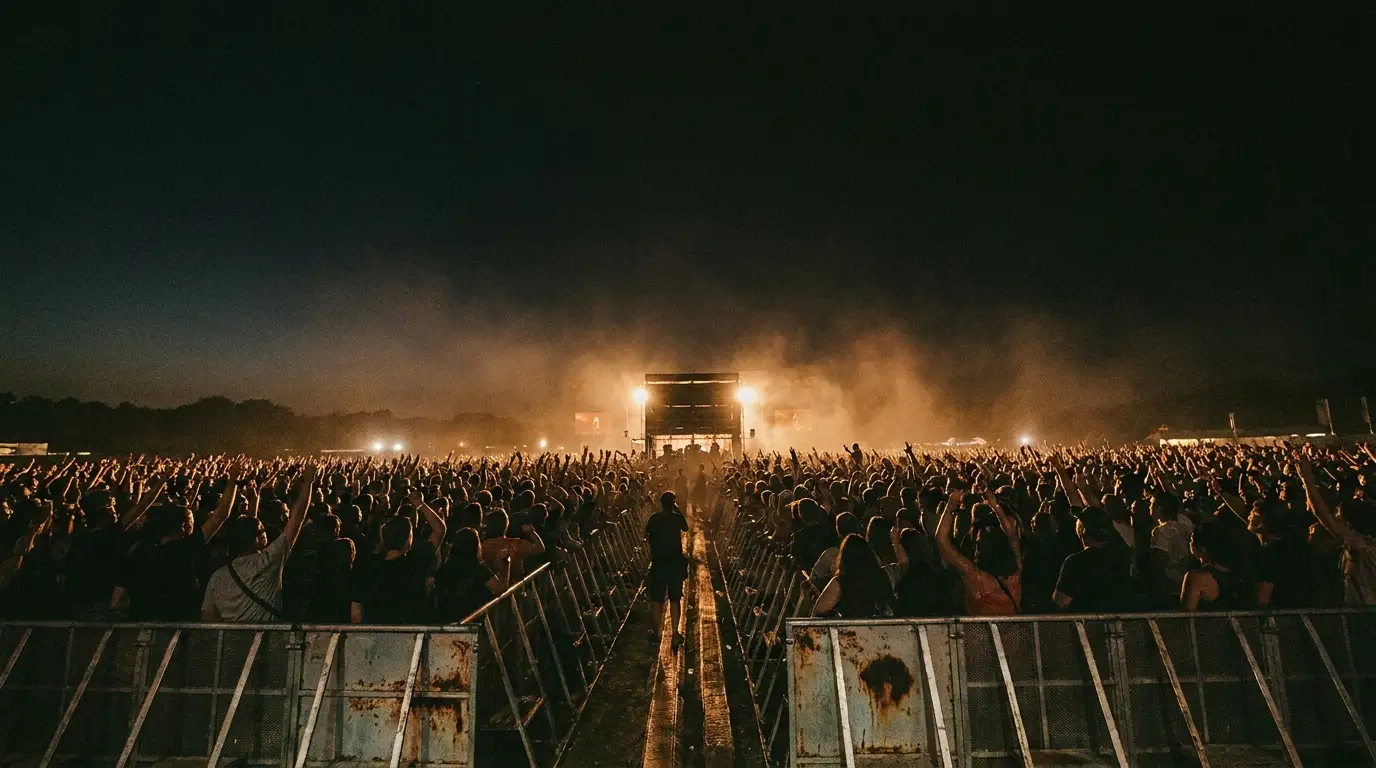
The internet makes media abundant; a ticketed event stays finite. Live Nation said it connected more than 805 million fans across its concerts and ticketing platforms in 55 countries during 2025 and brought roughly 55,000 events to life. Those figures come from one large company, but they show how strongly culture still depends on being somewhere at a particular time.
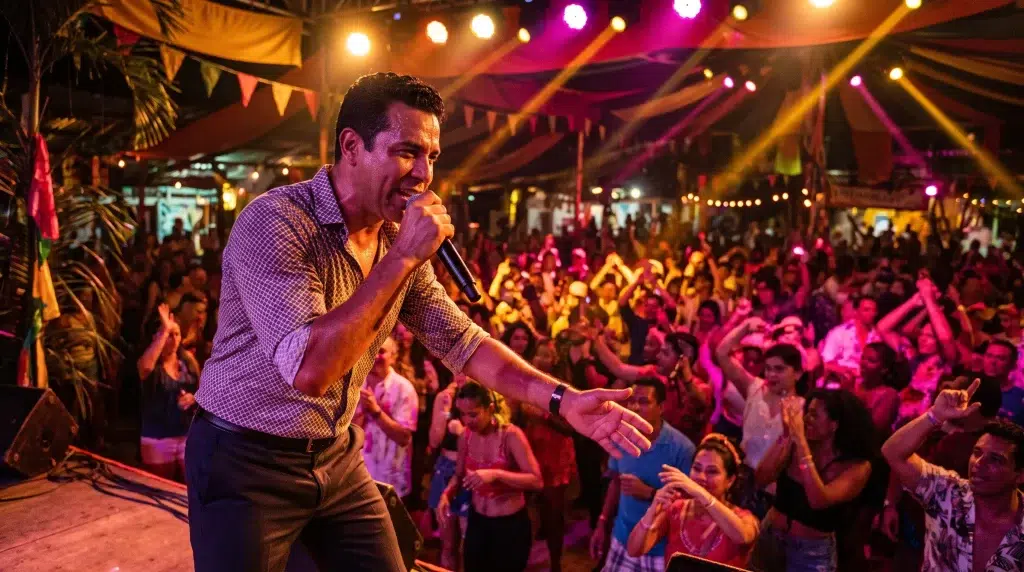
Live experience also creates material for the next digital cycle. Set-list changes, crowd chants, costumes and surprise guests become clips within minutes. The stage is no longer the end of a campaign; it is a production site for thousands of audience-made versions.
Games and Sport Turn Watching Into Participation
Casino play illustrates the shift from passive viewing to rule-based participation. RTP is calculated across many rounds, so it cannot promise a result for the next session. A reader assessing casino games online for real money should separate presentation from mechanics by checking stake range, volatility, paytable and published RTP. Bonus features can alter hit frequency and prize distribution without removing that uncertainty. The useful interface keeps the wager, balance and completed-round history visible while spectacle fills the screen.
Live tables add performers and shared timing to digital play. Table limits and betting windows define who can join and how quickly decisions must be made. Someone entering live casino Philippines tables can watch a dealer conduct the round, but the camera does not remove the house edge in roulette, baccarat or blackjack. Side bets deserve separate scrutiny because their margin can differ from the main wager. The format works when procedure stays transparent and the player sets a clear session budget.
Basketball fandom makes participation statistical. Pre-match prices reflect available information, while live markets update with the game state and may suspend during decisive possessions. Checking PBA betting markets pushes viewers to notice pace, rotations, foul counts and late-game free throws rather than treating the score as the whole story. A bettor should confirm the accepted price because the line can change between selection and placement. One fixed bankroll unit keeps a prediction from expanding merely because a rivalry feels culturally bigger.
The Audience Builds the Afterlife
Events now continue for months in commentary. YouTube reported more than 3 billion views and 250,000 uploads connected to the Oscars in the twelve months before its 2026 preview, spreading attention across film analysis, fashion criticism, interviews and reactions. The ceremony supplied the raw event; creators supplied multiple entry points.
That pattern changes who shapes reputation. Critics and institutions still matter, but an archive of explainers, remixes and scene studies can keep one performance visible long after the broadcast. The audience is not merely measuring popularity. It is deciding which details deserve a second life.
The 2026 Filter Is Participation, Not Mere Reach
Raw audience size can hide weak attachment. A more useful cultural test asks whether people return, create something around the work, buy a durable object, attend in person or carry the conversation into another format. Those actions cost more time than a passive impression and therefore signal deeper interest.
Creators should design for movement without reducing the work to fragments. Give a song a strong visual identity, make live information easy to find and preserve enough context for people arriving weeks later. The clip wins discovery; the deeper layer earns the replay.