Pin-loaded gym machines have become a cornerstone of both home gym setups and commercial fitness facilities across the UK, and retailers like Factory Weights have made it easier than ever for buyers to access professional-grade pin-loaded equipment that delivers consistent, safe resistance training without the complexity that comes with free weight alternatives.
What Is a Pin-Loaded Gym Machine?
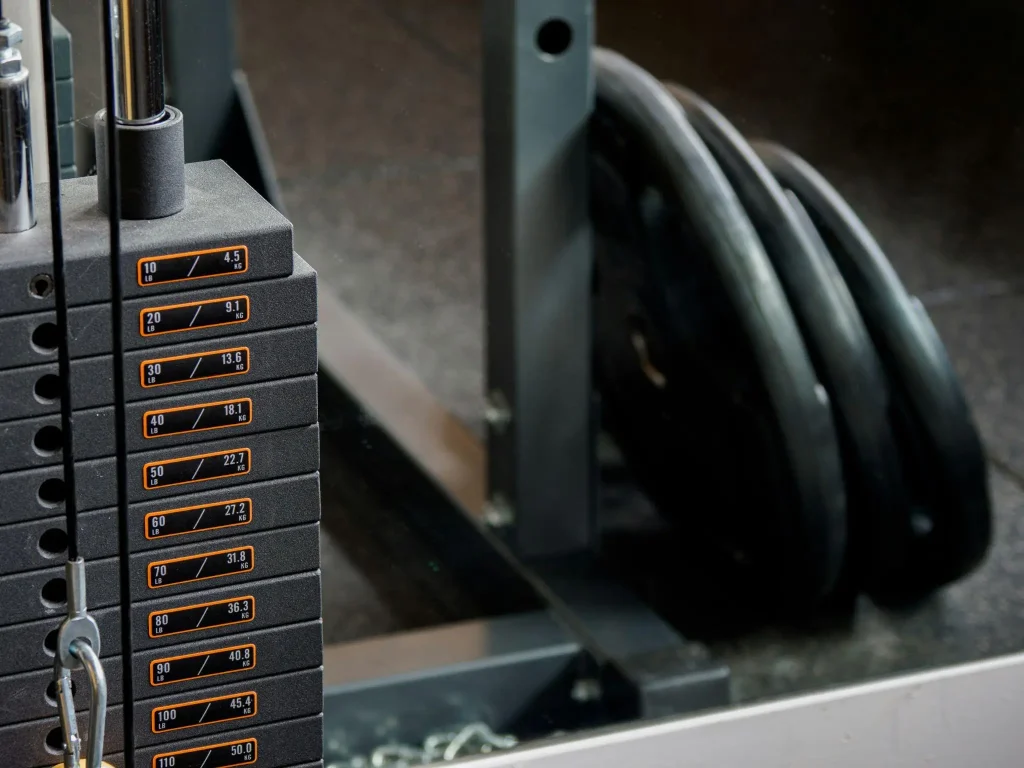
A pin-loaded gym machine is a piece of resistance training equipment that uses a weight stack as its source of resistance, with the user selecting the desired load by inserting a pin into the appropriate slot on the stack. The pin connects the selected plates to the lifting mechanism, and when the user performs the exercise, the selected weight is lifted via a cable-and-pulley system. The weight stack is typically housed within a protective shroud that keeps it safe and contained, and the resistance can be changed quickly and easily between sets simply by moving the pin to a different position. This simplicity of adjustment is one of the defining characteristics that makes pin-loaded machines so practical in both personal and multi-user gym environments.
The Key Benefits of Training on Pin-Loaded Machines
Pin-loaded machines offer several practical advantages over free weights and plate-loaded alternatives, making them particularly well-suited to certain training contexts. Because the weight stack is guided along a fixed path by the machine frame, the movement pattern is controlled and consistent, which reduces the skill requirement for each exercise and makes it easier for beginners to train safely with meaningful resistance from the first session. The fixed movement path also reduces the involvement of stabilising muscles, which allows the primary muscles being targeted to be loaded more directly and with less risk of the kind of form breakdown that can lead to injury under heavy free weight loads. For rehabilitation purposes or for targeting specific muscle groups with high precision, this guided resistance is a significant advantage.
Pin-Loaded Machines for Home Gym Installations
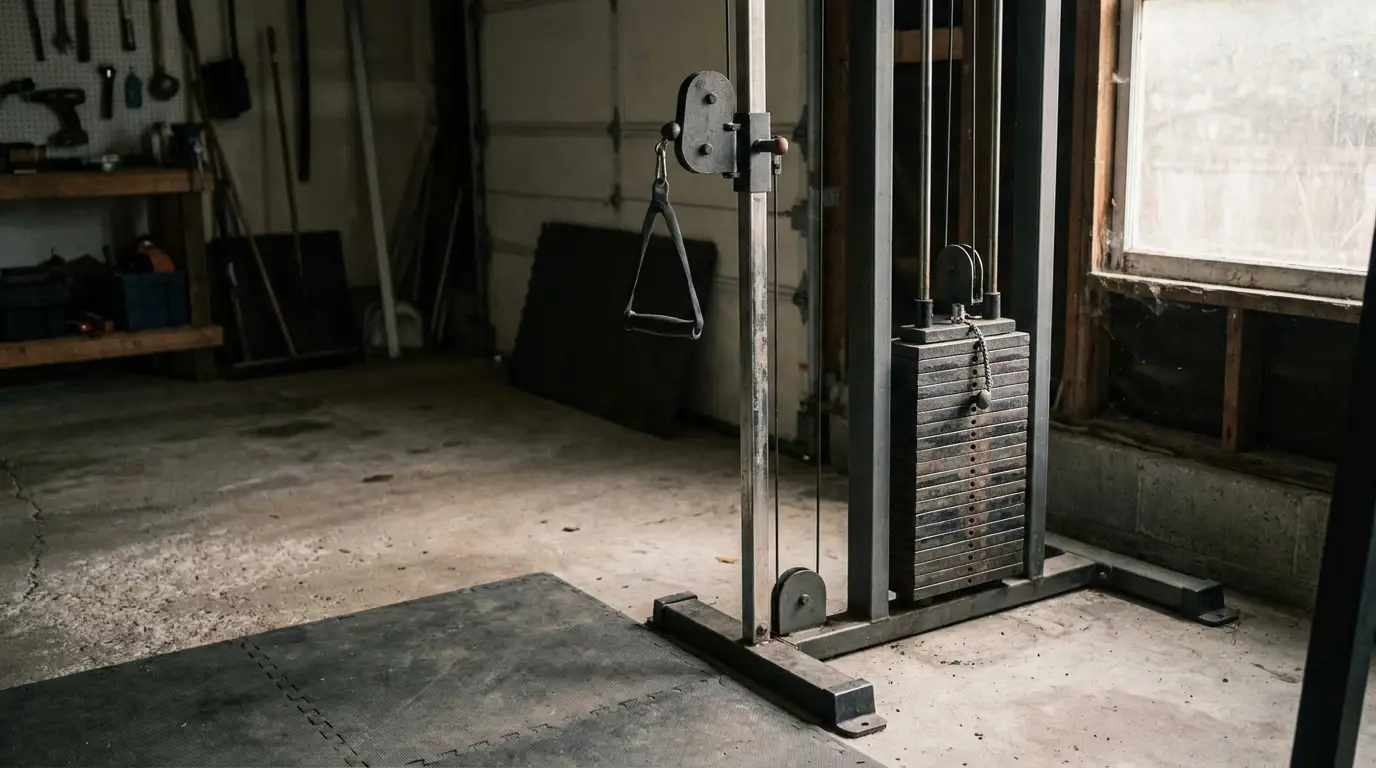
The growth in home gym investment across the UK in recent years has driven strong demand for pin-loaded machines compact enough to fit in a dedicated garage, basement, or spare room setup while still delivering the performance and durability of commercial-grade equipment. Modern pin-loaded machines are available in a wide range of configurations from single-station units targeting a specific movement to multi-station functional trainers that allow a broad range of exercises within a single footprint. When specifying pin-loaded equipment for a home gym, it is worth considering the ceiling height required for overhead cable exercises, the floor space needed for the machine itself plus the working area around it, and the floor’s weight capacity if multiple heavy machines are being installed in the same space.
Pin-Loaded vs Plate-Loaded: How to Decide Which Is Right for You
The choice between pin-loaded and plate-loaded gym machines depends on the specific goals, budget, and practical requirements of the individual or facility. Pin-loaded machines are generally faster to adjust between sets, which makes them preferable in circuit training environments or when multiple users with different strength levels share equipment. Plate-loaded machines typically allow for heavier maximum loads and a more direct feel to the resistance, which appeals to experienced lifters who want to push close to or beyond the limits of a standard weight stack. Many well-equipped gyms include both types, using pin-loaded machines for most isolation and accessory work and plate-loaded machines for compound movement patterns where maximum loading is the priority.
Essential Pin-Loaded Machines for a Well-Rounded Strength Programme
A comprehensive pin-loaded machine setup should ideally cover the major movement patterns of pushing, pulling, knee flexion, hip extension, and core training. A lat pulldown and seated cable row cover the horizontal and vertical pulling patterns and are among the most widely used machines in any gym. A cable chest press or pec deck covers horizontal pushing. A leg press or leg extension and leg curl combination targets the major lower-body muscle groups. A cable bicep curl and triceps pushdown station rounds out the upper arm work. A functional trainer with dual adjustable pulleys is arguably the most versatile single machine in this category, as it can replicate most of the above movements and many more using attachments, making it an efficient investment for space-conscious home gym installations.
What to Look for When Buying Pin-Loaded Gym Equipment
When evaluating pin-loaded machines for purchase, the quality of the weight stack and the smoothness of the cable-and-pulley system are the most important functional characteristics to assess. A well-built weight stack should move without juddering or catching throughout the full range of motion, and the cables should feel consistent under load, without any slack or roughness indicating wear or poor-quality components. The frame construction should be robust and welded rather than bolted at key stress points, and the upholstery on seats and pads should be thick enough to provide genuine cushioning over extended use. Weight stack increments are also worth checking, as finer increments allow for more gradual progression, which is particularly important for smaller muscle groups and for individuals in the earlier stages of a training programme.