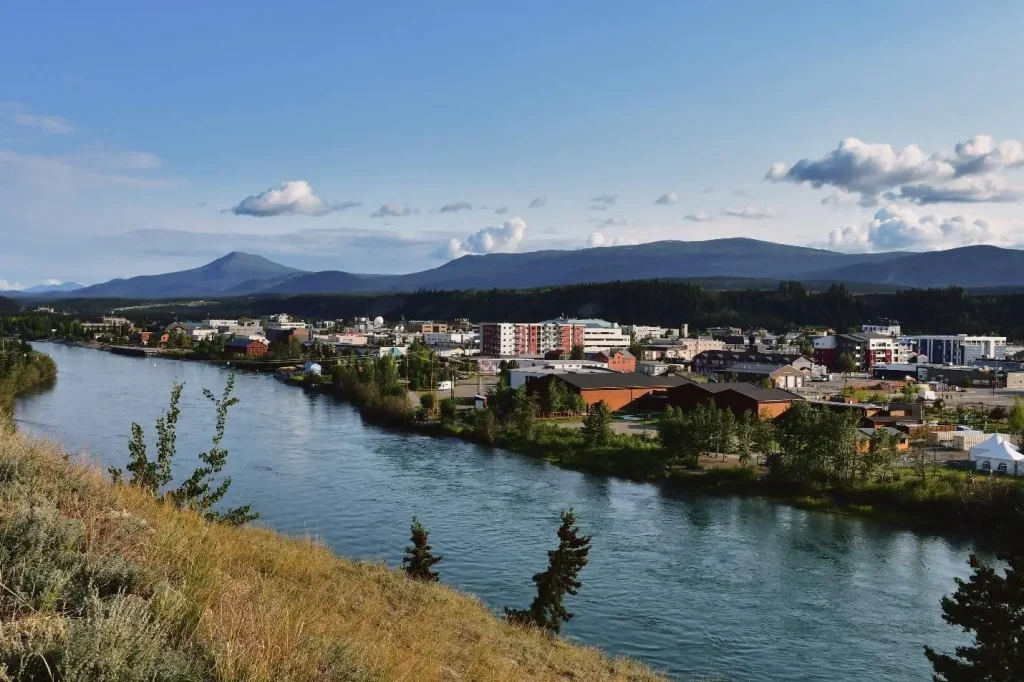


From late December through mid-April, Panama shifts into a different rhythm. Rain stops falling on a near-daily schedule, humidity drops, and the country’s Pacific-facing beaches, mountain towns, and canal-side forests all become noticeably easier to move through.
This stretch is known locally as verano, or summer, even though it has nothing to do with temperature swings and everything to do with rainfall patterns. Understanding how it works, and why it shapes so much of daily life and travel planning, makes a real difference if you’re deciding when to visit.
What Actually Happens During Panama’s Dry Season
Panama sits close enough to the equator that temperatures stay fairly constant year-round, usually between 75 and 90 degrees Fahrenheit. What changes dramatically is precipitation.
During the wet season, afternoon downpours are a near-daily occurrence, sometimes dumping several inches of rain in under an hour. The dry season interrupts that pattern almost entirely, especially in Panama City, the Azuero Peninsula, and the Pacific coast.
Trade winds strengthen during these months, pushing moisture away from much of the country and creating longer stretches of clear skies. It’s not unusual to go three or four weeks without meaningful rainfall in the capital. That said, the Caribbean side, including Bocas del Toro, doesn’t follow the same script and can see rain at almost any time of year.
Why the Timing Affects Nearly Everything
Panama’s dry season isn’t just a weather footnote. It affects road conditions, agriculture, wildlife behavior, and even the water levels in the Panama Canal itself.
Lower rainfall means rivers and reservoirs that feed the canal, particularly Gatun Lake, can drop significantly, which has periodically forced authorities to limit the number or size of ships passing through.
Farmers in the interior provinces plan planting and harvesting cycles around these months, since the reliable dryness allows crops like rice and sugarcane to be processed without weather delays.
Ranchers in the Azuero region also depend on this window for cattle grazing, since the grasslands there dry out but the roads remain passable, unlike during wet season when parts of the region turn to mud.
How It Changes Travel Conditions
For visitors, the dry season is when unpaved roads in rural areas become reliably drivable. Many routes into places like the Darién or remote parts of Chiriquí Province turn hazardous or impassable during heavy rains, so timing a trip for January through April removes a lot of guesswork. Hiking trails in cloud forest regions like Boquete also firm up, making multi-hour treks to spots like Volcán Barú far more manageable.
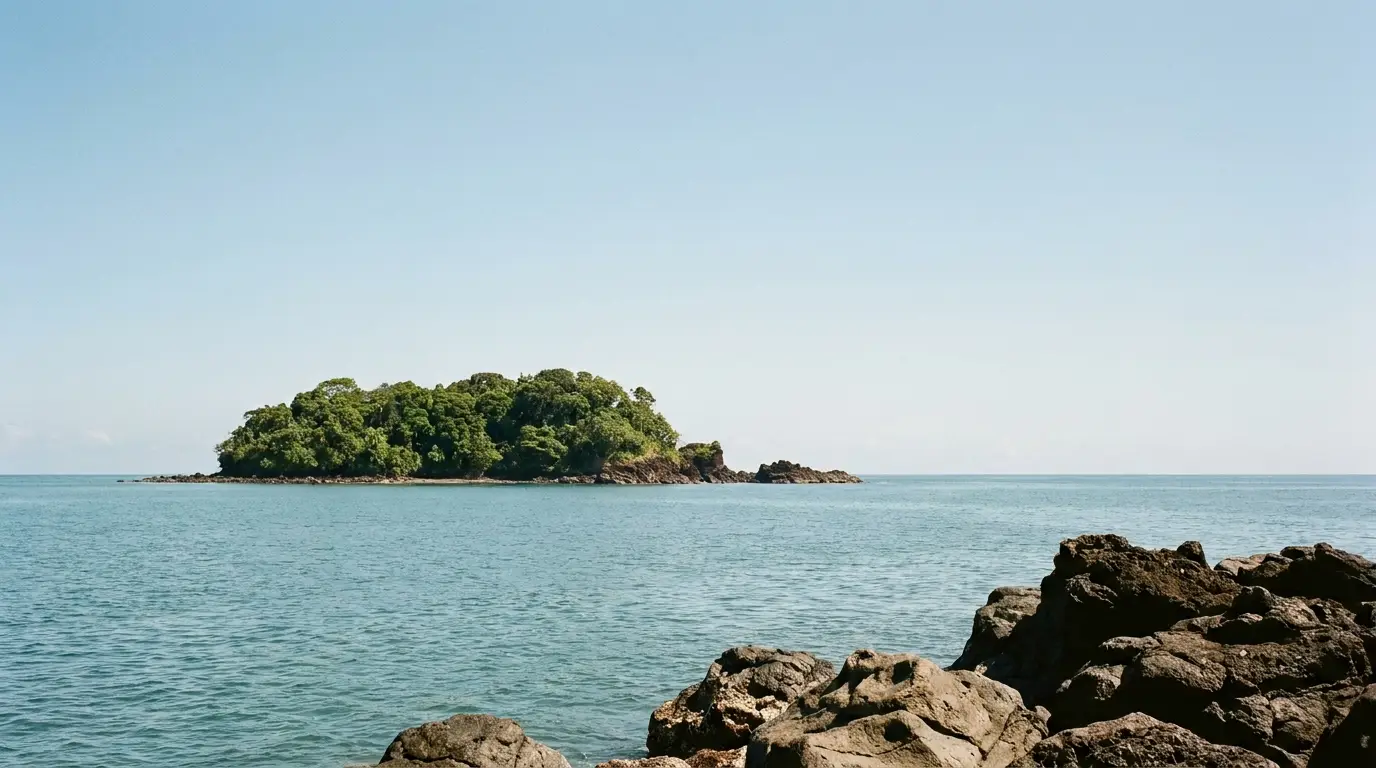
Boat travel improves too. Ocean conditions along the Pacific coast tend to be calmer, which matters for anyone island-hopping through the Pearl Islands or heading out to Coiba National Park for diving. Visibility underwater often improves as well, since less runoff means clearer water near river mouths and coastal reefs.
This is also the period when higher-end travel operators run at full capacity, since demand for Panama luxury tours peaks alongside the predictable weather, giving visitors a reliable window to combine rainforest excursions, boutique hotel stays, and coastal activities without worrying about washed-out itineraries.
Operators build multi-day packages around this reliability, often combining a few nights in Panama City with time in Boquete or the Pearl Islands.
What the Dry Season Means for Wildlife Viewing
Animals respond to the seasonal shift as much as people do. Migratory birds, including several species of raptors, pass through Panama in enormous numbers during these months, making it one of the best raptor migration corridors in the Western Hemisphere. Panama City’s Ancon Hill and the Canal Zone become known gathering points for birders during peak migration in late February and March.
Water sources also shrink during the dry months, which concentrates wildlife around the rivers and ponds that remain. In places like Soberanía National Park, this often means better odds of spotting sloths, capuchin monkeys, and toucans near the water’s edge, since animals have fewer scattered options for drinking and foraging.
Planning Around the Season Instead of Against It
None of this means the wet season should be avoided entirely. Rain usually falls in short, intense bursts rather than all-day downpours, and mornings are often clear even during the wettest months. But if the plan involves remote hiking, small-boat travel, or multi-region itineraries that depend on road access, the dry season removes a lot of the logistical risk.
Booking accommodations early matters more during these months too, since January through April overlaps with both dry conditions and the North American winter, drawing more visitors to popular areas like Boquete and Bocas del Toro. Rates tend to run higher, and availability at smaller boutique lodges can disappear months in advance.
The real value of understanding Panama’s dry season isn’t just picking a sunny week. It’s recognizing how one climate pattern quietly shapes transportation, agriculture, wildlife movement, and the entire tourism calendar, so travel plans align with how the country actually functions rather than fighting against it.