

In luxury travel, the most memorable experiences are rarely built around comfort alone. They are built around rhythm, atmosphere, anticipation, and the feeling that every detail has been arranged without removing the sense of discovery. Raja Ampat, with its remote islands, coral reefs, quiet anchorages, and extraordinary marine life, offers one of Indonesia’s clearest examples of this new kind of travel value.
For Gigwise.com readers, there is an interesting parallel between a great live performance and a well-run liveaboard journey. The guest sees the beauty, timing, mood, and emotional highlights. Behind that, however, is careful staging: crew coordination, route planning, dive briefings, food preparation, safety checks, housekeeping, and guest care all working together in real time.
For travelers comparing remote marine journeys, diving itineraries, and onboard comfort, a liveaboard Raja Ampat experience shows how Indonesia’s island hospitality can make a multi-day voyage more immersive than a standard resort stay.
Why Raja Ampat Is Different From a Typical Luxury Escape
Raja Ampat does not behave like a conventional holiday destination. Its value is not found in crowded beach clubs, predictable schedules, or polished urban convenience. Its appeal comes from distance, silence, biodiversity, and the rare feeling of moving through a seascape that still feels larger than the traveler.
A Raja Ampat liveaboard gives guests access to places that are difficult to experience from land. Instead of returning to the same hotel room each evening, the accommodation moves with the journey. The view changes, the dive sites change, and the daily rhythm is shaped by sea conditions, light, tides, and guest readiness.
This makes the liveaboard model especially powerful for travelers who want:
- Remote reef access
- Fewer daily transfers
- A stronger connection to the sea
- More time near diving and snorkeling sites
- Smaller-group hospitality
- A slower, more focused travel rhythm
In Raja Ampat, luxury is less about showing off and more about removing friction from a complicated journey.
The Floating Hospitality Model
A liveaboard is sometimes described as a boat, but from an operator’s point of view, that description is too simple. A quality liveaboard is a moving hotel, restaurant, dive center, transportation system, safety operation, and guest relations team in one compact environment.
Every Department Is Close to the Guest
On land, hotel departments can hide behind distance. On a vessel, the guest feels the whole operation. If the dive schedule is rushed, the meal service feels slow, the cabin is uncomfortable, or communication is unclear, the experience changes quickly.
This is why liveaboard management requires discipline. The captain, cruise director, dive guides, engineers, kitchen team, housekeeping crew, and deck staff all influence guest satisfaction. There is no isolated back office. Every role is part of the performance.
A strong operation depends on:
- Clear daily briefings
- Calm safety procedures
- Well-maintained equipment
- Thoughtful cabin preparation
- Flexible meal timing
- Smooth tender transfers
- Respectful guest communication
- Accurate route planning
The best crews make this complexity feel effortless.
Diving Is Central, But Not the Whole Story
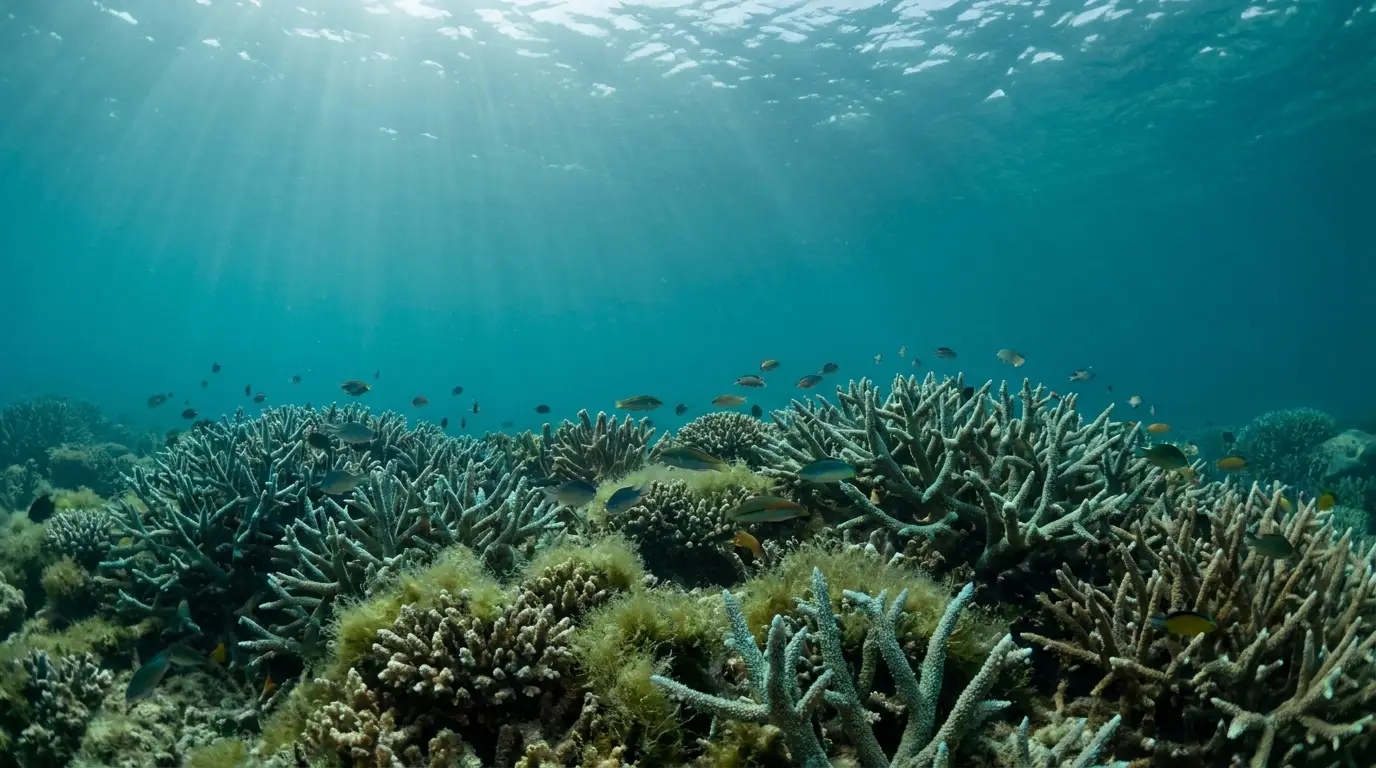
Raja Ampat is world-famous for diving, and for good reason. Its reefs, fish life, manta encounters, coral gardens, and underwater landscapes make it one of the most valued marine destinations in Indonesia. For certified divers, a liveaboard offers the advantage of staying close to remote sites and reducing the wasted time of long daily transfers.
Yet a great liveaboard journey is not only about logging dives. Guests remember the full day: waking before sunrise, drinking coffee on deck, listening to the dive briefing, entering clear water, returning to a warm towel, sharing stories at lunch, resting between islands, and watching the evening settle over the sea.
This is where hospitality becomes just as important as marine access.
The Best Journeys Balance Energy and Rest
A common mistake in adventure travel is to overload the schedule. Guests may want to see everything, but too much intensity can reduce enjoyment. Skilled liveaboard teams understand pacing. They know when to offer another dive, when to suggest snorkeling, and when to leave space for rest.
This is especially relevant for mixed groups. Not every guest on board wants the same level of activity. Some are serious divers. Some are photographers. Some are partners or family members who prefer snorkeling, kayaking, or simply enjoying the deck between island stops.
Snorkeling Has Become Part of the Luxury Conversation
Raja Ampat is not only for experienced divers. A Raja Ampat snorkeling liveaboard can appeal to travelers who want access to reefs and marine life without committing to full dive schedules. This matters because luxury adventure travel is increasingly inclusive. Guests want options that let couples, families, and groups with varying skill levels share the same journey.
Snorkeling can be a premium experience when managed properly. It should not feel like a secondary activity offered only when diving is not possible. In Raja Ampat, shallow reefs, calm lagoons, and marine-rich areas can make snorkeling deeply memorable.
Good snorkeling-focused hospitality includes:
- Safe site selection
- Clear water-entry guidance
- Comfortable tender support
- Reef etiquette briefings
- Flexible timing for less confident swimmers
- Calm, respectful guiding
- Space for photography and observation
When done well, snorkeling adds depth to the liveaboard product rather than diluting it.
What Luxury Really Means at Sea
The phrase “Raja Ampat liveaboard luxury” should not be understood solely in terms of interiors, cabin size, or dining style. Those things matter, but they are not enough. At sea, luxury is also the absence of anxiety.
Guests feel a sense of luxury when they know the crew is competent. They feel it when the schedule is clear but not rigid. They feel it when the food suits active days, when their equipment is handled carefully, when the guide remembers their comfort level, and when the boat feels calm, even when conditions change.
Quiet Confidence Beats Excess
In remote destinations, exaggerated luxury can feel out of place. Raja Ampat rewards a more thoughtful approach: refined comfort, warm service, respect for the environment, and practical elegance. The vessel should support the destination, not compete with it.
This kind of luxury is subtle:
- A cabin that is quiet and well-ventilated
- A dive deck that works smoothly
- Meals that feel fresh and well-timed
- Staff who notice without hovering
- Briefings that are clear but not intimidating
- Shared spaces that invite conversation
- Enough privacy for guests to feel restored
The most memorable liveaboard experiences are rarely loud. They are precise, calm, and deeply connected to place.
Sustainability Is Part of the Guest Promise
Raja Ampat’s long-term value depends on the health of its reefs and communities. For that reason, sustainability cannot be treated as decoration. It is part of responsible hospitality.
Liveaboard operators must think carefully about waste management, anchoring practices, reef behavior, interactions with marine life, local employment, and guest education. Travelers increasingly notice these details. They want to enjoy rare places without feeling that their presence is damaging them.
Responsible operations create trust. They also protect the business future of the destination.
The Business Lesson for High-End Hospitality
Raja Ampat liveaboards offer a useful lesson for the wider hospitality industry: the strongest guest experiences are not always built in fixed buildings. Sometimes, they are built through movement, coordination, and emotional pacing.
A liveaboard must manage the same principles as a luxury hotel, but with greater exposure. There is less space, fewer backup options, and a more direct relationship between nature and service. This makes operational clarity essential.
For hospitality leaders, the lesson is clear:
- Design the full journey, not only the product.
- Treat logistics as part of the guest experience.
- Train teams for emotional intelligence, not only tasks.
- Build flexibility into every itinerary.
- Protect the environment that creates value.
- Use the service to support discovery, not control it.
The Future of Raja Ampat Liveaboard Travel
As luxury travel continues to move toward meaningful, remote, and nature-led experiences, Raja Ampat will remain one of Indonesia’s most compelling destinations. But the future will belong to operators who understand that beauty alone is not enough.
Guests need safety, clarity, comfort, sensitivity, and a sense that the journey has been shaped with care. A liveaboard that delivers these qualities becomes more than accommodation. It becomes the stage on which one of Indonesia’s most powerful marine experiences unfolds.
In Raja Ampat, the ocean is the venue, the vessel is the backstage, and the guest experience is the performance. When everything works together, the result is not just a trip. It is a journey guests remember long after they return to land.