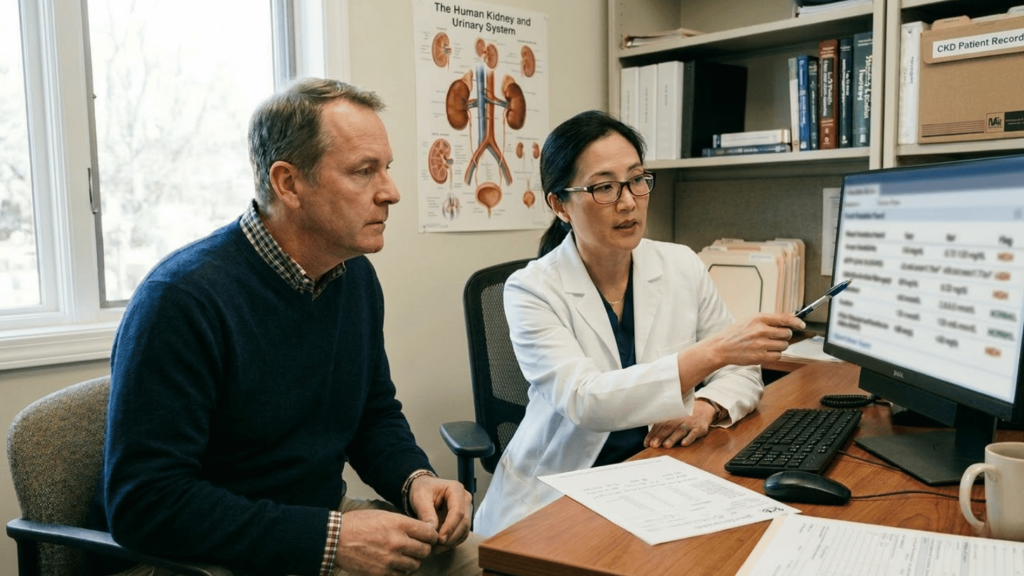


A racing heart before a big presentation. A flight of stairs that suddenly feels harder than it used to.
For most people, these moments pass without a second thought. But when they repeat, or come with chest tightness or breathlessness, they raise a question worth answering.
A nuclear stress test is one of the tools doctors use to answer it. It shows how well blood reaches the heart muscle when the body is pushed to work harder than usual.
This blog covers what a nuclear stress test is, when doctors recommend one, and what to expect if it’s suggested.
What is a Nuclear Stress Test?A nuclear stress test is a diagnostic procedure that evaluates heart function using a small dose of radioactive tracer and a specialized camera. The term “stress” refers to how hard the heart is made to work during the test, not to emotional stress. That distinction matters, since the test measures a physical response, not a psychological one. Doctors capture one set of images while the heart is at rest, then another after it has been pushed harder, either through exercise or medication. Comparing the two shows exactly where and how blood flow changes under exertion. |
Why Do Doctors Recommend a Nuclear Stress Test?
The test gives doctors a clearer picture of circulation when symptoms, medical history, or earlier results raise concern. That information can shape decisions in several situations.
Common reasons include:
- Checking coronary artery disease: The test can help identify areas where circulation weakens, often a sign of narrowing in the heart’s arteries.
- Investigating chest discomfort: It can help determine whether chest pain traces back to a circulation issue.
- Evaluating shortness of breath: Doctors may use it to check whether breathing difficulties are linked to heart function during stress.
- Assessing previous heart damage: The test can show areas affected after a heart attack.
- Checking treatment results: It can help evaluate how well treatments such as stents or bypass surgery have worked.
What are the Types of Nuclear Stress Tests?
A nuclear stress test can be performed in two main ways depending on a person’s ability to exercise. Both methods use the same imaging approach, but the way stress is created differs.
| Type | How It Works | Who May Need It |
|---|---|---|
| Exercise Nuclear Stress Test | The patient walks on a treadmill or uses exercise equipment while heart activity is monitored | People who can safely perform physical activity |
| Chemical Stress Test | Medication creates changes in blood flow similar to exercise without physical activity | People unable to exercise due to mobility issues, joint problems, or certain health conditions |
How Does a Nuclear Stress Test Work?
A nuclear stress test unfolds in three stages, each building toward a final comparison.
The procedure may take several hours because the tracer needs time to move through the bloodstream before imaging.
Resting Phase
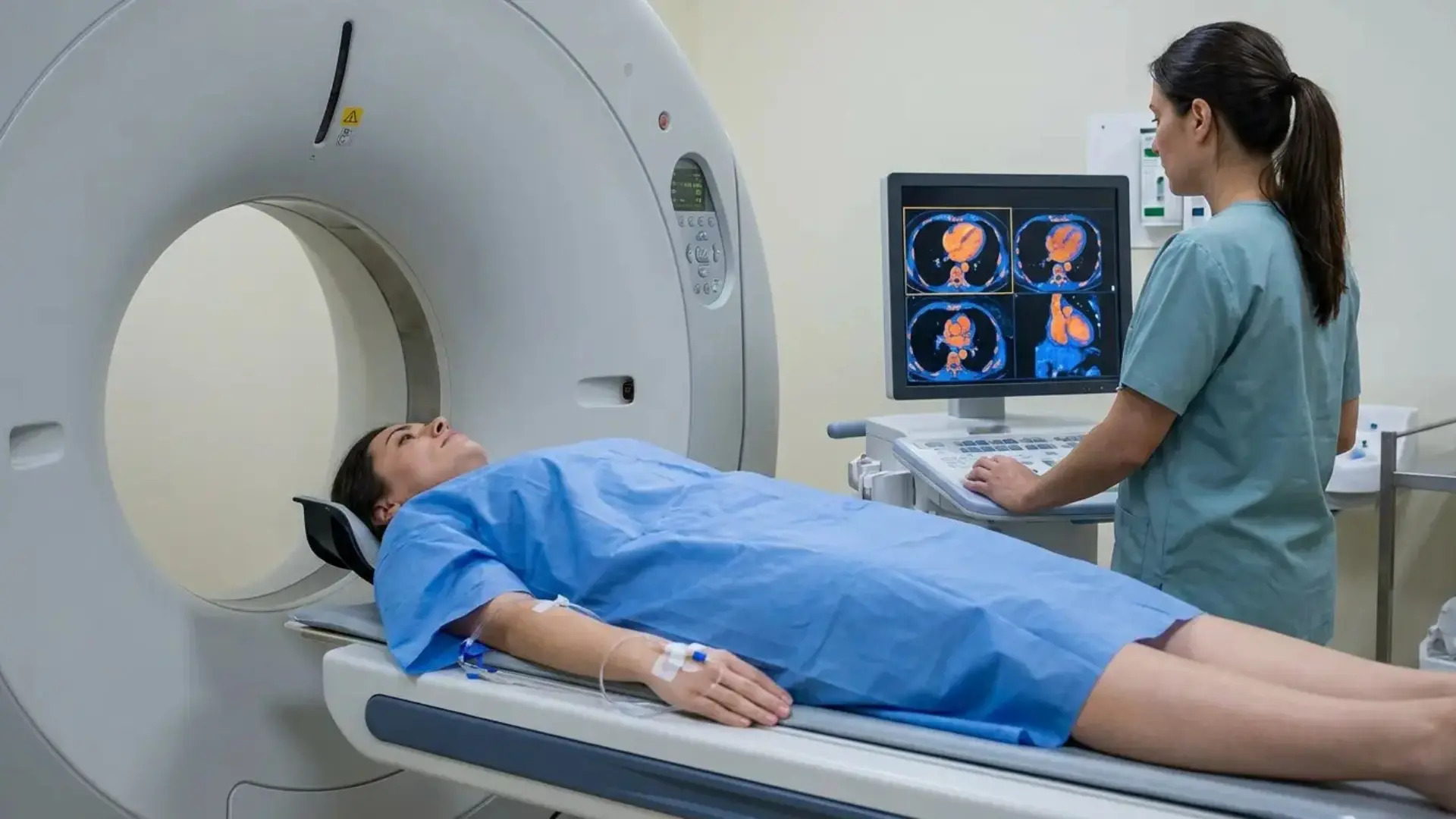
A healthcare provider injects a small dose of radioactive tracer through an IV while the patient stays relaxed. The tracer travels through the bloodstream and settles into heart tissue.
A camera then captures images of blood flow at rest, creating the baseline the rest of the test will build on. The patient stays still during the scan to keep the images clear.
Stress Phase
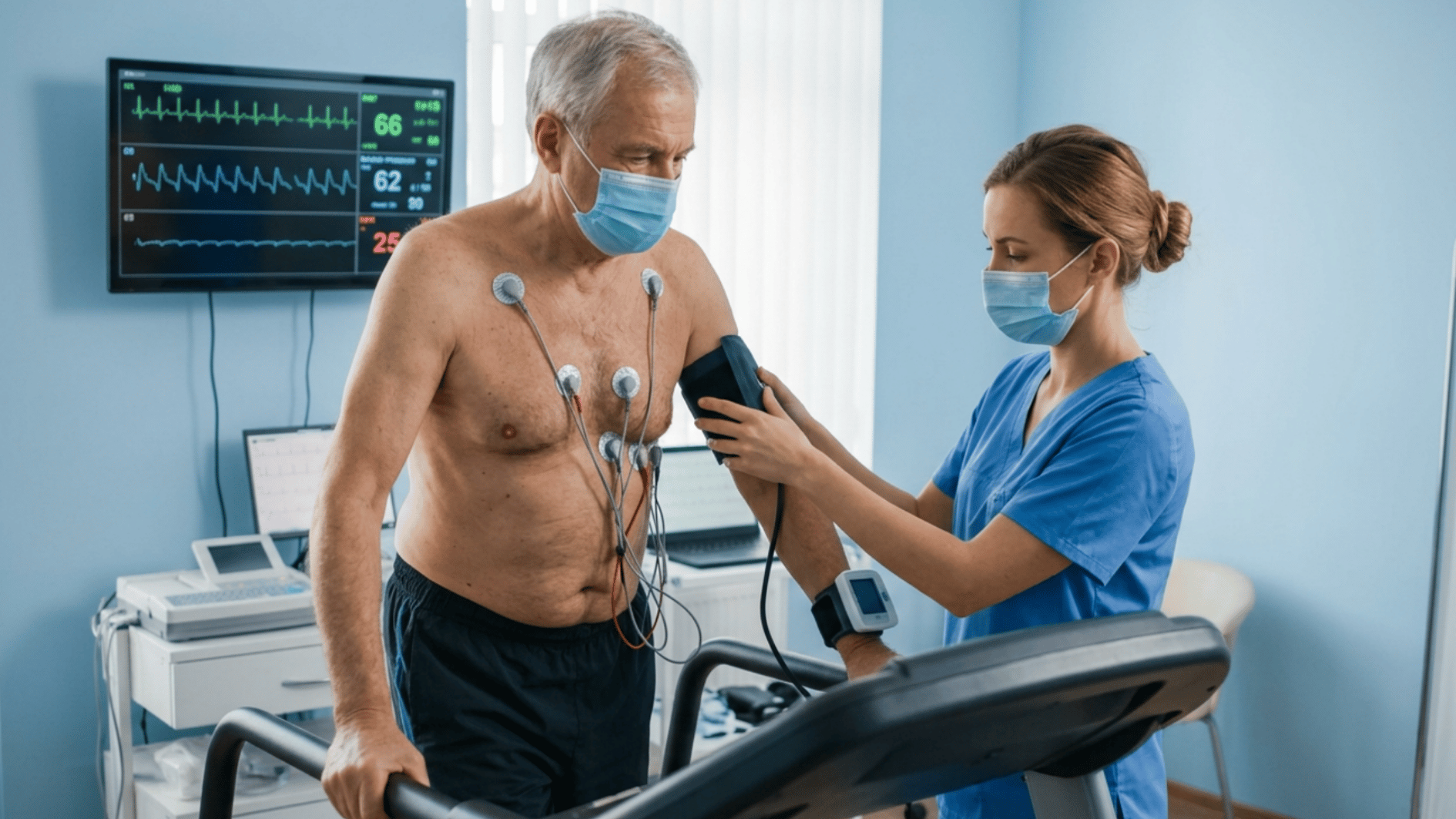
This phase shows how the heart performs when its demand for blood and oxygen rises. Patients who can exercise walk on a treadmill while their heart rate, blood pressure, and rhythm are monitored.
Those who can’t exercise safely receive medication instead, which raises blood flow in a similar way. A second tracer dose is given once the heart reaches peak workload.
Imaging Phase
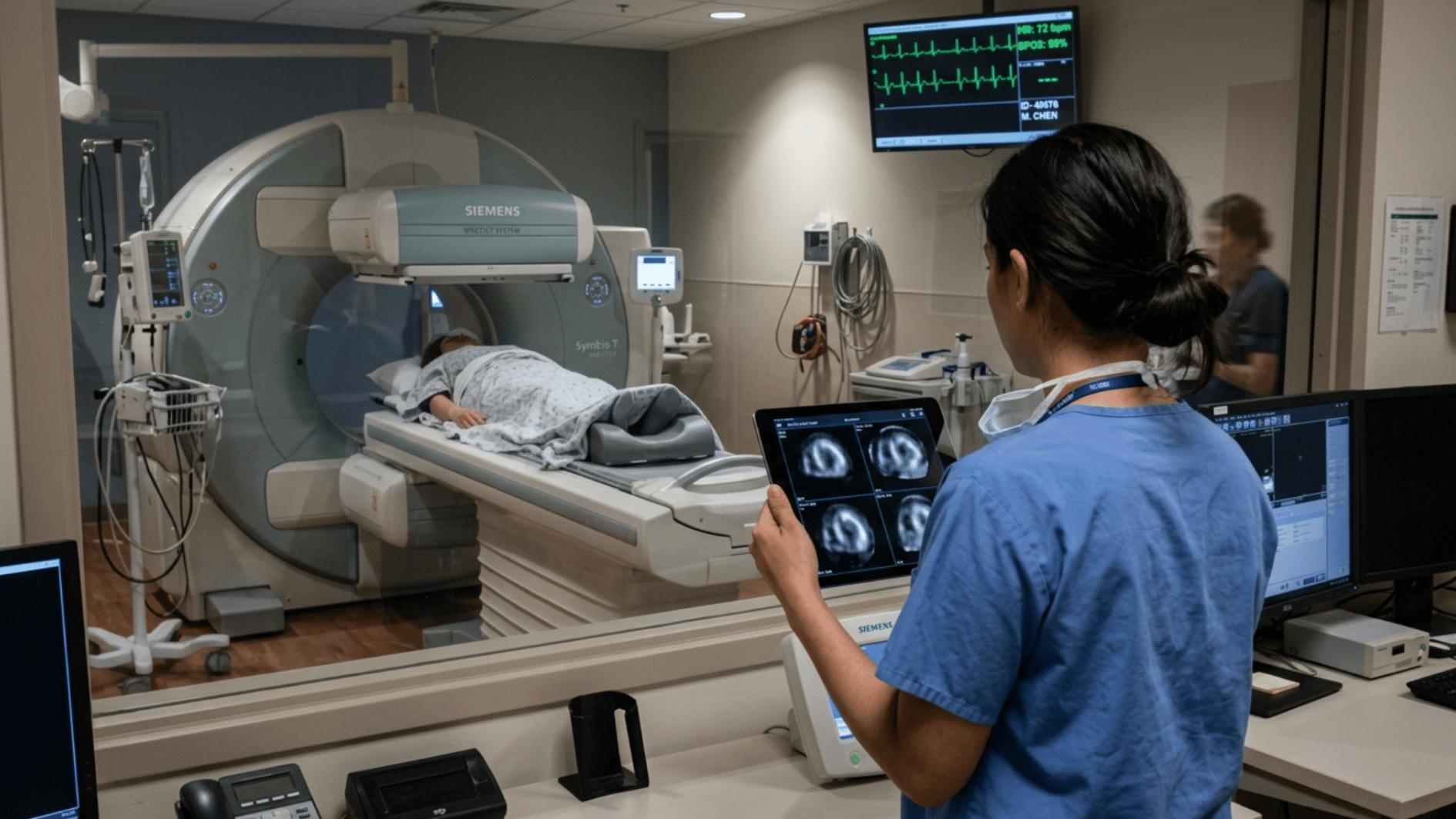
The Imaging phase captures blood flow at peak exertion, using the same camera. The patient lies still while the tracer is detected, and the process is painless.
Doctors place this scan beside the resting image to compare them. An area where flow weakens under stress but not at rest may need further evaluation and treatment.
Nuclear Stress Test: Before, During, and After
Preparation helps improve image accuracy and reduces possible discomfort during the procedure. Instructions can vary depending on the healthcare facility, medications, and type of stress test being performed.
1 or 2 Days Before

A few days before the test, patients should confirm instructions with their healthcare provider. Some medications, especially those affecting heart rate or caffeine sensitivity, may need special guidance.
Preparation may include:
- Asking whether regular medicines should be taken or temporarily stopped.
- Avoid caffeine if instructed, as it can interfere with certain chemical stress tests.
- Following food and drink restrictions provided by the medical team.
- Informing the provider about pregnancy, breastfeeding, or health conditions.
On the Day of The Test
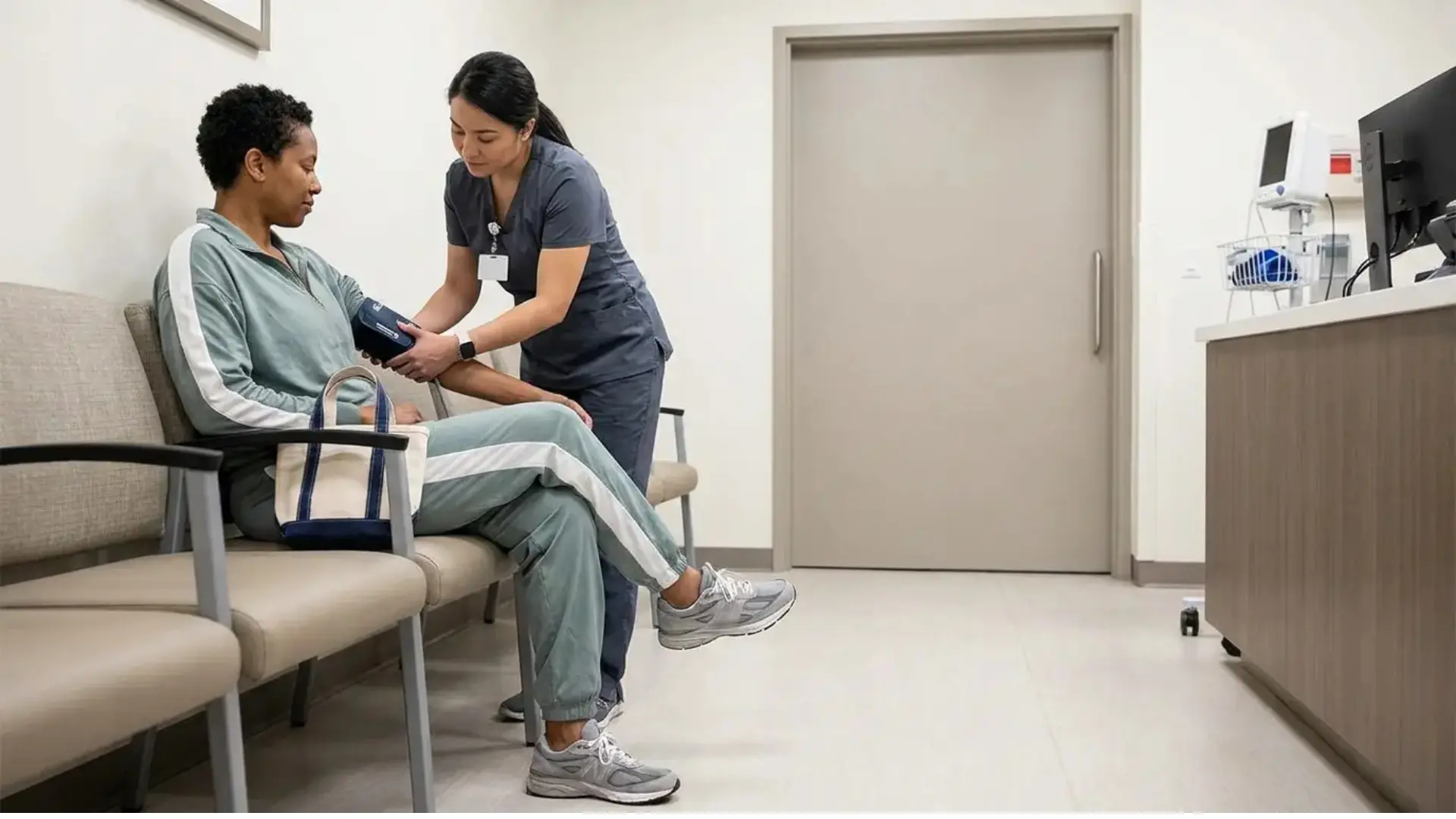
The test day usually involves monitoring, preparation, and multiple imaging steps. Wearing suitable clothing can make the process more comfortable.
Patients may need to:
- Wear loose clothing and comfortable walking shoes if exercise is planned.
- Avoid eating or drinking as directed by medical instructions.
- Bring a medication list and relevant health information.
- Arrive early for paperwork, preparation, and monitoring.
After the Test

Most people can return to regular activities after a nuclear stress test unless their healthcare provider gives different instructions.
After the procedure:
- Drink fluids if permitted to help remove the tracer from the body.
- Follow any medication instructions from the healthcare team.
- Ask when results will be available.
- Report unusual symptoms after leaving the facility.
Nuclear Stress Test Results: What Happens Next
After the nuclear stress test, a specialist reviews the scans to see how the heart performed under exertion. Interpretation takes time, so results aren’t always ready the same day.
A normal result generally means the heart handled exertion well, with no major gaps in circulation. An abnormal result flags a possible problem area, though it doesn’t confirm one on its own.
Doctors weigh the finding alongside symptoms, risk factors, and other test results before deciding what comes next. That could mean coronary imaging, a medication change, or adjustments to diet and activity.
What are the Risks of a Nuclear Stress Test?
A nuclear stress test is generally considered safe, but like any medical procedure, it has possible risks. Healthcare teams monitor patients throughout the test to quickly manage problems.
- Radiation Exposure: The test uses a small, carefully measured dose of a radioactive tracer for imaging.
- Medication Side Effects: Drugs used in a chemical stress test may cause flushing, dizziness, headache, or shortness of breath.
- Exercise-Related Risks: Physical stress can rarely trigger abnormal heart rhythms, chest pain, or other complications.
- Allergic Reactions: Some people may react to the tracer or the medications involved, though this is uncommon.
The Bottom Line
A nuclear stress test gives doctors a clear picture of how the heart handles rest and exertion, using a tracer and imaging to catch issues that simpler checks might miss.
Knowing what to expect at each stage, from preparation to results, can make the process feel far less intimidating. Healthcare teams monitor you closely throughout, so safety stays a priority at every step.
If your doctor recommends this test, understanding why it’s needed can help you walk in feeling prepared.
Share any concerns with your provider, and follow their instructions closely for the most reliable results.
Frequently Asked Questions
Can You Take Your Regular Medications Before the Test?
Some medications may need adjustment before a nuclear stress test, especially heart medicines. Always confirm with your healthcare provider before stopping or changing any medication.
Can You Drive Yourself Home After a Nuclear Stress Test?
Many people can drive after the test, but some may feel tired or experience medication effects. Ask your healthcare team if you should arrange transportation.
Why Might Someone Need Another Nuclear Stress Test?
A repeat test may be recommended if symptoms change, previous results need comparison, or doctors want to monitor changes in heart blood flow over time.