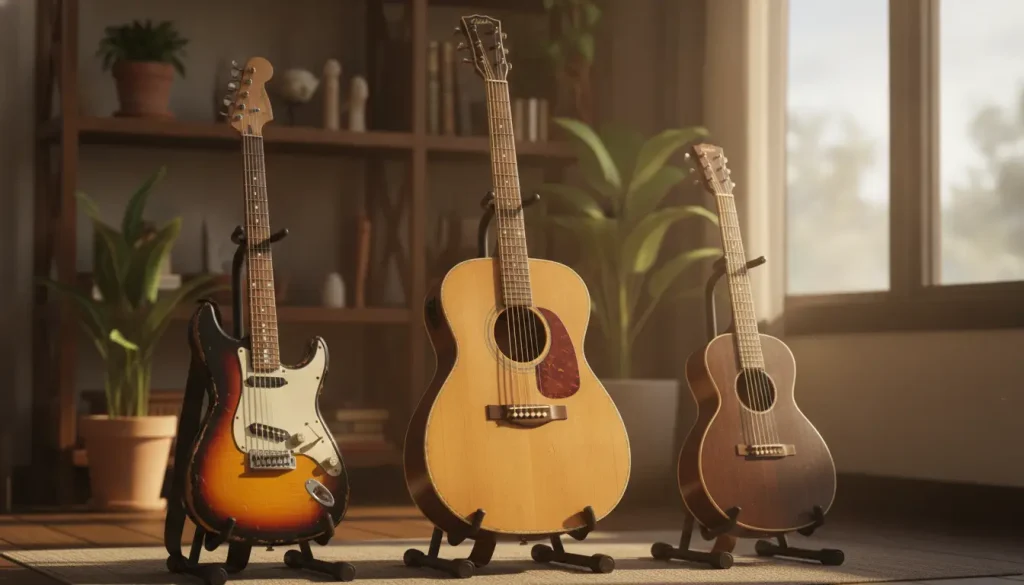
Learning guitar is exciting, but staying inspired over the years often depends on having the right instrument for the right moment. Many players begin with one dependable guitar and eventually realize that different styles, tunings, and playing situations benefit from different designs. Instead of replacing an older favorite every few years, experienced musicians often build a thoughtful collection that grows alongside their skills. A carefully chosen lineup can encourage creativity, improve practice sessions, and make every performance feel more enjoyable.
Start With Instruments That Serve Different Purposes
Every guitar has strengths that suit particular genres or techniques. A lightweight electric might become the go to choice for long rehearsals, while a dreadnought acoustic delivers the volume needed for bluegrass jams. A smaller parlor guitar can make songwriting sessions more comfortable, especially during long evenings at home.
Building a collection with purpose also prevents unnecessary purchases. Rather than buying several guitars that sound nearly identical, many players focus on filling gaps. One instrument might stay in standard tuning, another might be dedicated to slide guitar, while a third handles alternate tunings without constant string adjustments. Over time, each guitar earns a clear role instead of gathering dust in a closet.
Players also discover that certain neck shapes, body styles, and pickup configurations encourage different techniques. Rotating between instruments keeps practice fresh and often inspires musical ideas that would not surface on a single guitar.
Think Beyond Price Tags and Focus on Long-Term Value
It is easy to assume that the most expensive guitar is automatically the best purchase. In reality, long-term satisfaction usually depends on build quality, comfort, and reliability instead of prestige. A midrange instrument that feels natural in your hands will often see more playing time than a luxury model that never feels quite right.
This mindset also encourages regular maintenance. Fresh strings, seasonal setups, and proper humidity control help guitars perform at their best for years. Even affordable instruments respond well to consistent care, making them enjoyable companions instead of disposable purchases.
Many experienced players recommend taking time before every purchase. Visiting a guitar shop, comparing several models, and paying attention to comfort often leads to better decisions than chasing online hype. The goal is to build a collection that reflects your playing style instead of someone else’s preferences.
Choosing the Right Acoustic for Every Style
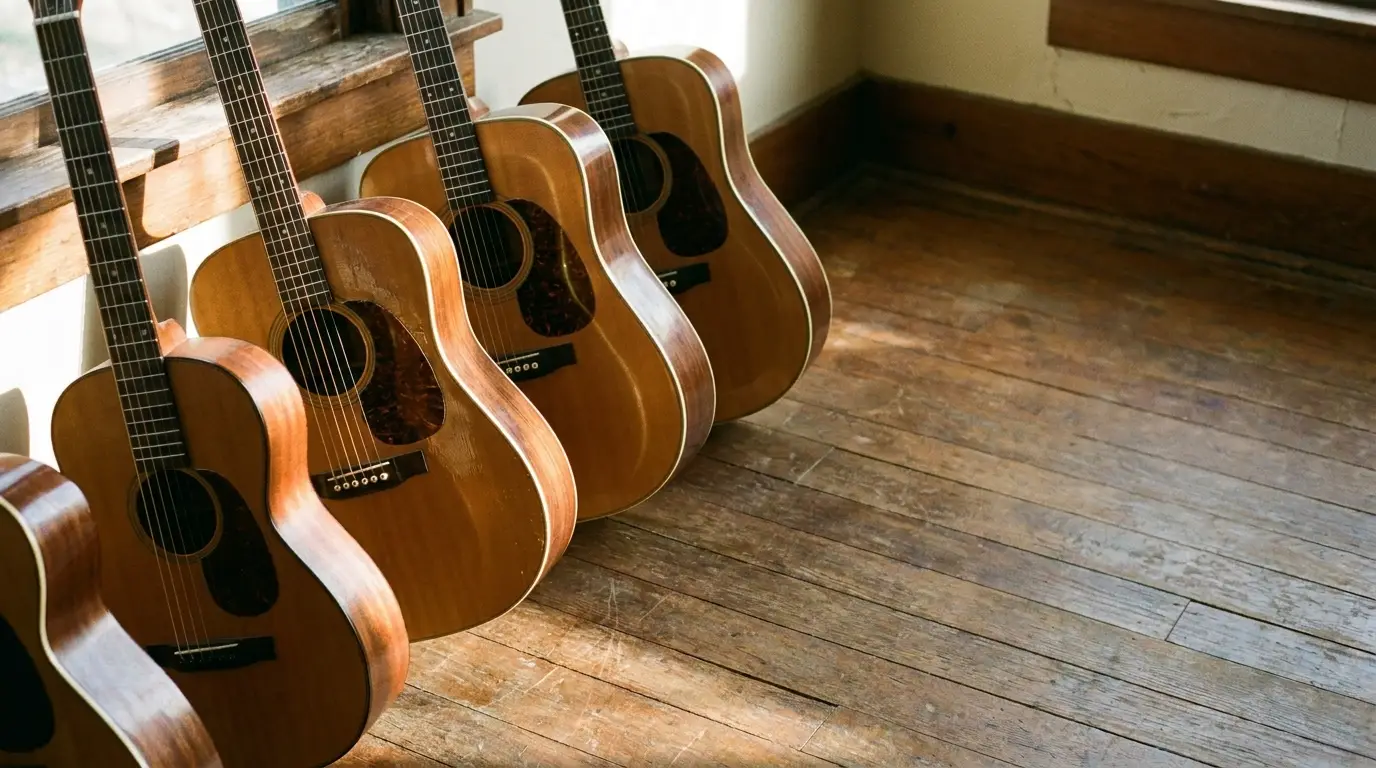
As collections grow, many musicians begin comparing the best acoustic guitars for different situations instead of searching for one instrument that does everything. Fingerstyle players may prefer smaller body designs with excellent note separation, while flatpickers often gravitate toward larger bodies that produce greater projection and headroom.
Tonewoods also shape the playing experience. Spruce tops deliver clarity and dynamic range, cedar offers warmth and quick response, and mahogany creates a focused sound that records beautifully. None of these options is universally better. They simply offer different personalities that suit different musical goals.
Neck profile, string spacing, and scale length deserve equal attention. Small differences can dramatically affect comfort during long practice sessions. Spending time with multiple instruments before making a decision often reveals details that specification sheets cannot capture.
The Stories Behind Legendary Guitar Makers
Collectors rarely focus only on sound. History, craftsmanship, and innovation often become part of the appeal. Looking at for example, iconic brands like Gibson helps explain why certain guitars remain desirable across generations. Their influence extends beyond famous recordings because many of their designs established standards that countless manufacturers still reference today.
At the same time, smaller builders continue producing remarkable instruments with exceptional craftsmanship. Boutique workshops frequently experiment with modern bracing patterns, alternative tonewoods, and custom appointments that appeal to players looking for something distinctive. Exploring both established manufacturers and independent builders gives musicians a broader understanding of what great guitar making can look like.
The most rewarding collections usually blend tradition with personal taste. Some players treasure vintage instruments, while others prefer contemporary models that offer improved stability and modern electronics. There is room for both approaches because the right guitar is ultimately the one that encourages you to play more often.
Build a Collection That Keeps You Inspired
A meaningful guitar collection is not measured by how many instruments fill a room. It is measured by how often those guitars invite you to pick one up and play. Choosing models with different voices, maintaining them properly, and resisting impulse purchases creates a lineup that continues to reward you year after year.
Whether you own two guitars or twenty, every addition should have a purpose. That approach turns collecting into part of the musical journey instead of a race to own the latest release. In the end, the best collection is the one that keeps your enthusiasm alive every time you reach for an instrument. In short, buy with intention, play often, and let your collection grow naturally.