

The international medical community recently gathered at the World Congress of Hair Restoration Surgery, where leading Australian clinicians presented research and developments in hair restoration. As hair loss affects millions of Australians, finding suitable solutions has become a priority for many patients. A premier Melbourne hair transplantclinic led discussions on advanced follicular unit extraction (FUE) techniques and graft handling.
These developments reflect the ongoing evolution of hair restoration, where surgical precision, aesthetic planning and personalised patient care play important roles. By combining hairline design with clinical assessment, specialists aim to develop treatment plans suited to individual needs. This article examines key developments in hair restoration and what they may mean for patients seeking treatment.
The Evolution of Follicular Unit Extraction (FUE)
Minimising Graft Damage
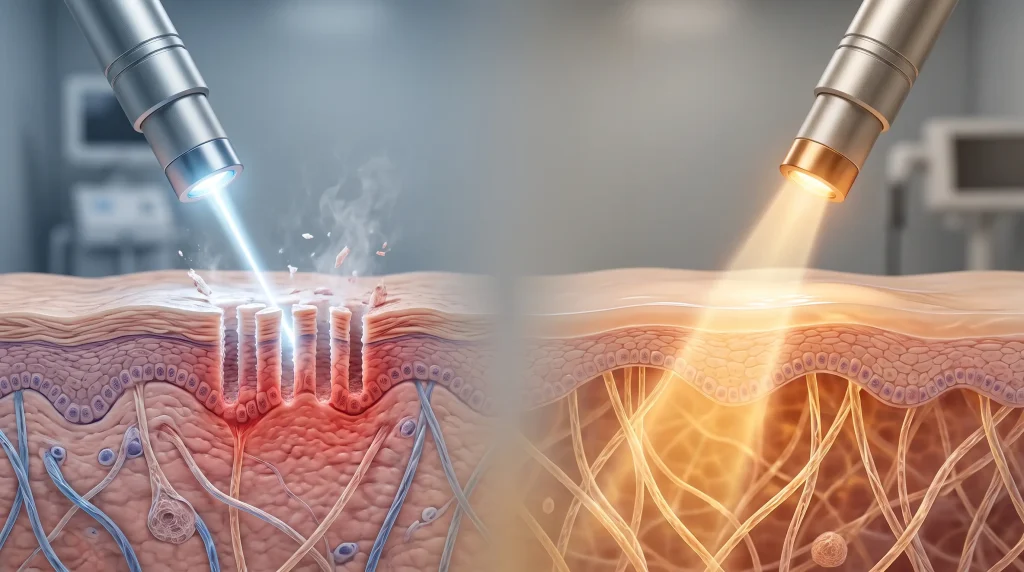
During the global summit, Australian delegates highlighted refinements in Follicular Unit Extraction (FUE). Historically, hair restoration involved harvesting strips of scalp, which left linear scars. The modern FUE approach extracts individual hair follicles using specialised micro-punches.
Melbourne hair transplant surgeons demonstrated new extraction tools designed to support consistent harvesting and reduce the risk of transection, which refers to accidental damage to a hair follicle during extraction.
Faster Recovery Times
These technological developments may support improved graft handling and recovery. However, graft survival rates and healing times vary depending on surgical technique, patient characteristics and aftercare.
Smaller punch diameters may contribute to reduced tissue disruption, although they do not guarantee a specific recovery period. Patients should follow their surgeon’s instructions regarding returning to exercise, work and other activities.
Personalising the Donor Area Assessment
Before planning extraction, surgeons assess donor hair density, scalp characteristics and the expected number of grafts required. Digital trichoscopy may assist with examining the scalp and identifying suitable donor areas.
Careful planning helps reduce the risk of excessive harvesting and supports an appropriate distribution of available grafts. A personalised approach is important when considering both current hair loss and potential future thinning.
Addressing Female Pattern Hair Loss
Understanding Diffuse Thinning
A major highlight of the summit was the dedicated symposium on female hair restoration. Historically viewed as a male-dominated procedure, a hair transplant for women requires an individualised clinical strategy.
Women may experience diffuse thinning across the top of the scalp rather than clearly defined bald spots. Identifying suitable donor hair can therefore be more challenging, particularly when existing hair is also affected by thinning.
Non-Shaven Techniques
Melbourne specialists shared developments in non-shaven FUE techniques, which may allow selected patients to retain more of their existing hairstyle during the procedure. Depending on the surgical plan, limited sections of hair may be trimmed to support harvesting.
The suitability of this approach depends on hair length, donor density, the number of grafts required and the surgeon’s technique. It does not eliminate the need for healing or guarantee that signs of surgery will be immediately unnoticeable.
Investigating Underlying Causes of Hair Loss
Female hair thinning may be associated with various factors, including androgenetic alopecia, hormonal changes and certain medical conditions. A thorough assessment can help identify whether additional investigations or non-surgical treatments are appropriate.
Depending on the patient’s symptoms and medical history, a specialist may recommend blood tests or referral to another healthcare professional. Managing an underlying condition may be important before considering surgical restoration.
The Art of Hairline Design and Density
Recreating Natural Angles
Achieving a natural-looking result requires more than technical skill; it also involves careful aesthetic planning. At the summit, Melbourne hair transplant experts presented clinical case studies focusing on facial proportions and hairline design.
A successful restoration should account for the patient’s current appearance and potential changes in hair loss over time. Hairline position, graft direction and facial structure are important considerations during treatment planning.
Tailored Density Distribution
Surgeons may place single-hair grafts near the front of the hairline to support a softer transition. Behind this area, grafts containing multiple hairs may be positioned to provide additional coverage and density.
The exact angle and distribution depend on the patient’s natural hair growth, facial features and surgical plan. Placing multi-hair grafts at the front of the hairline may create an unnatural appearance, so graft selection and placement require careful consideration.
Considering Facial Proportions and Future Hair Loss
Hairline design should be tailored to each patient’s facial structure, age and existing hair pattern. For example, a hair transplant for womenmay involve addressing a high forehead or diffuse frontal thinning, while male hair restoration may focus on recession around the temples or crown.
Surgeons should also consider potential future hair loss when planning graft placement. This helps support a treatment strategy that accounts for long-term changes rather than focusing only on the immediate result.
Post-Operative Care and Regenerative Medicine
Accelerated Healing Protocols
The summit also focused on post-operative care, highlighting its importance in the hair restoration process. Clinics may offer additional treatments intended to support healing or scalp health, although their suitability and effectiveness vary.
Platelet-Rich Plasma (PRP) therapy has been investigated as an adjunct to hair restoration. Patients should receive clear information about the available evidence, potential benefits and limitations before choosing additional treatments.
Platelet-Rich Plasma (PRP) Integration
During some hair restoration procedures, clinics may use specialised solutions to maintain graft condition before implantation. Post-operative PRP injections may also be offered as an additional treatment.
The evidence for PRP in supporting hair transplant recovery and growth remains variable. It should not be presented as a guaranteed method for improving graft survival or reducing recovery time.
Following a Structured Recovery Programme
A structured recovery programme includes appropriate scalp care, activity restrictions and follow-up appointments. Patients may receive instructions on washing their hair, protecting the recipient area and recognising potential complications.
Low-level laser therapy (LLLT) and other adjunctive treatments may be discussed where clinically appropriate. Their suitability depends on the patient’s circumstances and the evidence supporting their intended use.
Following professional aftercare instructions and attending scheduled reviews can help the clinical team monitor healing and address concerns during recovery.
Conclusion
The developments discussed at the global summit highlight the ongoing evolution of hair restoration techniques and clinical approaches. Advances in FUE, specialised procedures such as a hair transplant for women, and personalised aftercare provide patients with different options to consider.
Choosing an experienced Melbourne hair transplant specialist involves reviewing medical qualifications, treatment methods, potential risks and expected outcomes. A thorough consultation allows patients to understand whether a procedure is appropriate for their hair loss pattern and individual circumstances.
By combining clinical assessment with personalised treatment planning, patients can make informed decisions about hair restoration. Continued research and appropriate medical care remain important as techniques and treatment options develop.