

Kazakhstan is located right on the border of Central Asia, spanning between the Caspian Sea and the borders of China. Most people know about this country only from the news, but it boasts turquoise alpine lakes, canyon landscapes comparable to the South Western USA, and a capital city that was built from scratch virtually overnight from the steppe. The distances between the different parts of the country are long, and public transport is limited, therefore, Kazakhstan Tours itinerary will save you time. Here are 10 places that explain why the country draws more attention each year.
Almaty
The former capital of the Soviet era is Almaty and this city still retains the cultural heritage of the country. Behind the city are snowcapped peaks of the Trans Ili Alatau range, which means that visitors can be taken from the teahouse to the mountain trails through a fifteen-minute taxi drive. There is the wooden Orthodox church called the Zenkov Cathedral which was constructed without any nails and was not destroyed by the earthquake of 1911, unlike the brick buildings nearby. Nearby is the Green Bazaar that offers a range of dried fruits, horse meat, and spices.
Charyn Canyon
Located about 200 km east of Almaty, the Charyn Canyon stretches for about 150 km through the Charyn River. Locals refer to it as the small brother of the Grand Canyon; one gets to appreciate the analogy when the red rock towers of the Valley of Castles are within sight. The formation of the canyon took nearly 12 million years of erosion by both wind and water; the softer sandstone layers were worn off by erosion more quickly than the harder rocks, which is why the rock towers are still there today.
Kolsai Lakes
Kolsai Lakes is a natural park located about 300 kilometers away from Almaty, near the border with Kyrgyzstan. There are three lakes situated on different altitudes above the mountains: lower lake (1,818 m), middle lake (2,252 m), and higher lake (near 2,850 m). The majority of tourists prefer to visit only the first two lakes because the third lake can be reached by a full-day trek or a horse rental. The middle lake is highly appreciated for its clean water and pine trees growing nearby. To combine both this picturesque route and cultural attraction in the city, you may consider the Kazakhstan Tour Package.
Kaindy Lake
Kaindy Lake was created in 1911 as a result of the same earthquake, which caused a landslide of the limestone rocks and led to blocking the river canyon near Saty village near the Kolsai Lakes. The trunks of dead spruces are vertically standing in the water, and the branches of these trees are sticking out of it broken in lines along its entire length. Kaindy Lake is about 400 meters in length, and its height is near 2,000 meters. The last kilometers of the road are quite rough, and thus a four wheel drive car should be used.
Big Almaty Lake
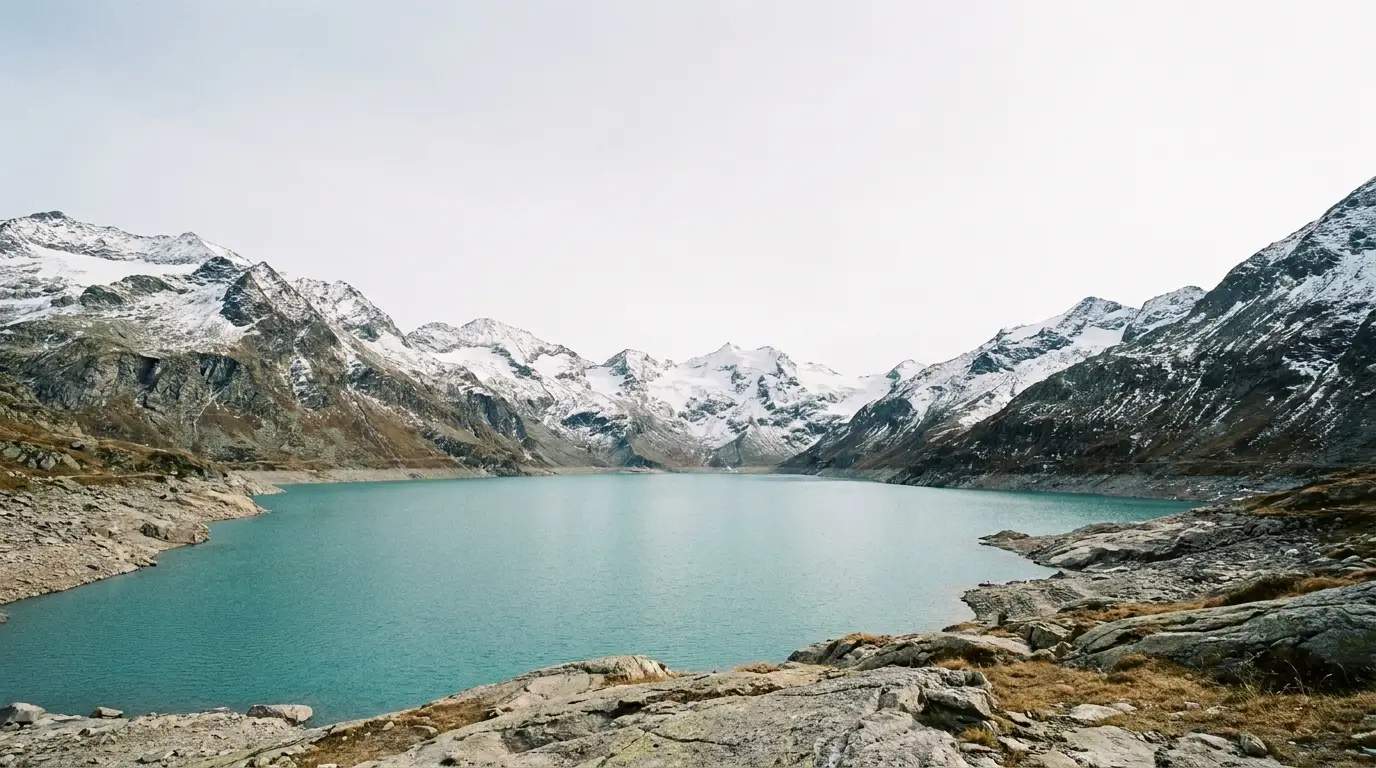
Big Almaty Lake is located about an hour’s drive south from the city, and it is situated in Ile Alatau National Park at an altitude of about 2,500 meters. This lake changes its color depending on the season, starting with the turquoise one during spring due to the glacial melting and ending with blue color during the end of summer because of the high level of minerals in the lake. There are snow-capped mountains surrounding the lake on three sides. Swimming in the lake is not possible since it is used for providing water for Almaty residents.
Astana
The capital Astana, which became such only in 1997 and is now also called Nur-Sultan for some time, is located way up north on the steppe. Its skyscrapers remind one of something futuristic, with all sorts of glass buildings, a giant tent-like shopping mall, and the Baiterek Tower, which is 97 meters high and should represent the mythological Tree of Life. Visitors put their hands into a golden imprint of the first president’s palmprint inside this building. Winter becomes pretty harsh there, down to minus 20°C, so the spring-autumn period would be more appropriate for a trip.
Turkestan
Turkestan is located 850 kilometers west of Almaty and 160 kilometers from Shymkent, which is an easier option for tourists who arrive at the southern part of the country. The Mausoleum of Khoja Ahmed Yasawi, commissioned by Timur in 1389 in memory of the twelfth century Sufi poet, is currently 38.7 meters high and boasts the biggest brick dome in Central Asia. Its construction was stopped after Timur’s death in 1405, and its unfinished portal still bears the marks of scaffolding holes. There is a 1399 bronze container with a capacity of 3,000 liters inside the mausoleum.
Altyn-Emel National Park
The Altyn-Emel National Park is a vast area of desert and steppe to the east of Almaty, famous for its Singing Dune, which is a sand dune of almost 150 meters height that sings when the movement of wind and footsteps shakes it. Also located here are the Aktau Hills, which are white and striped hills formed due to seabed deposits much before this desert was formed, along with some Przewalski’s horses and gazelles. Long distances make it more appropriate to visit the place in a day than in half a day.
Mangystau
The Mangystau Region, which lies at the extreme south western reaches of Kazakhstan along the edge of the Caspian Sea, is more like another world than even the other parts of Kazakhstan. Erosion by the forces of nature created the white chalky cliffs and rocky ridges of the Bozzhyra Tract, while the rocks found in the Torysh Valley were left behind as spherical rock formations created over many years of mineral accumulation. Under ground mosques dug into the stone, like that of Shakpak-Ata, provide a spiritual dimension to the landscape.
Baikonur Cosmodrome
Although Baikonur is leased to Russia, the launch site is actually situated within Kazakhstan and still serves as the launching pad for crewed flights to the International Space Station. Visitors will have access to the launch pads as well as a smaller memorial home dedicated to Gagarin and a museum dating back to 1955. Special permission must be obtained prior to any visit, usually in conjunction with a scheduled launch, since few experiences in space history compare to the launch of a rocket off the same pad as Gagarin.
Conclusion
In Kazakhstan, there is no reward in staying put, but only in traveling. For those who want to experience lakes and canyons in less time, then the choice should be close to Almaty. However, for those who have enough time and are willing to make more arrangements, Turkestan, Mangystau, and Baikonur will require more thought. It has been found that combining two or three regions gives the best experience of the diversity of this land.