A Store Should Make the Sport Easier to Navigate
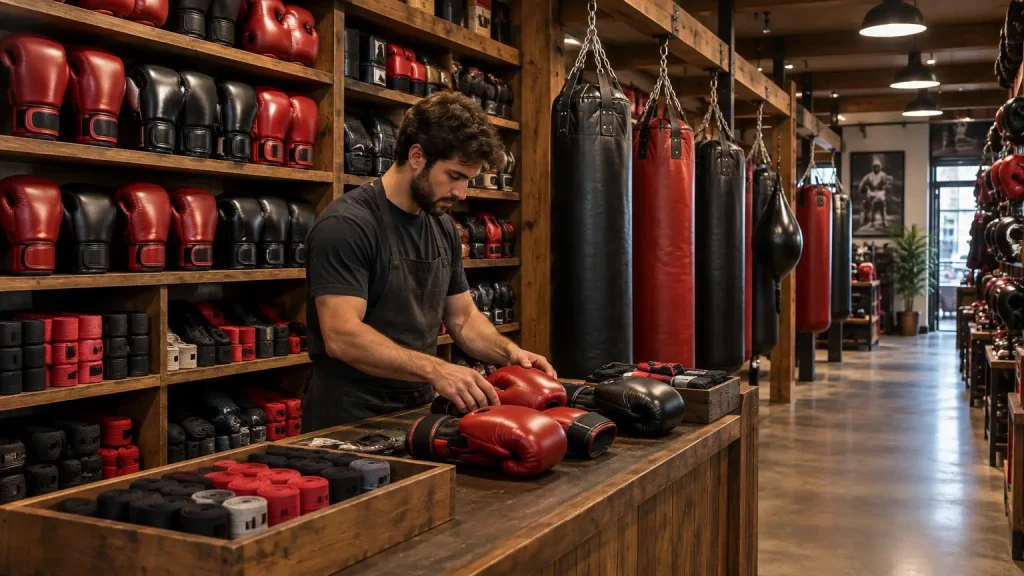
Walk into a boxing gym and the equipment tells a story. Someone is skipping rope near the mirrors, another boxer is wrapping their hands, and a coach is checking gloves before partner drills. Each activity calls for something slightly different. That is why a shopper browsing boxing equipment from FightGear or comparing other specialist retailers needs more than a wall of products and a few attractive discounts.
A complete boxing store helps customers understand what each item does, whether it suits their training, and when an upgrade makes sense. The selection should accommodate someone attending their first class as well as an experienced boxer preparing for demanding sessions. Getting that balance right starts with the gloves.
Gloves for Different Kinds of Work
Training gloves are often the first purchase, and possibly the most confusing. Bag work, general drills, controlled sparring, and competition can involve different glove requirements. Weight, padding, closure design, and hand compartment shape all affect how a pair feels and performs. An impressive logo cannot compensate for an uncomfortable fit.
A knowledgeable retailer should explain intended uses clearly rather than presenting every glove as suitable for everything. Reviews can help describe durability, but hands differ, and individual experience matters. A shopper should consider training frequency, coach recommendations, and whether exchanges are possible. Competition gloves deserve particular attention because event organizers may supply them or require specific approved models.
Small Essentials With Important Jobs
Hand wraps are easy to overlook when a new pair of gloves is waiting in the shopping cart. Yet wraps help support the hand and wrist when used correctly, and they can make gloves fit differently. Length, material, and fastening style deserve consideration. Beginners benefit from learning wrapping technique from a qualified coach rather than relying on guesswork.
Mouthguards, groin protectors, and other personal protective items also belong in a complete inventory. A mouthguard should fit securely and allow comfortable breathing. Protective equipment can reduce certain risks, although it never makes contact sports risk-free. Stores that provide useful fitting information help buyers avoid the frustrating combination of an expensive order and equipment they cannot comfortably use.
The Heavy Bag Is Not One Product
A heavy bag can turn a corner of a training space into an active workout area. But the differences among bags matter. Size, weight, filling, outer material, and hanging method influence how the bag moves and feels during practice. Some are designed for general punching drills, while others serve more specialized work.

A store with a thoughtful selection should also explain installation requirements. Hanging a bag requires suitable structural support and properly rated hardware; an ordinary ceiling hook is not enough. Freestanding options have their own space and stability considerations. For beginners, the right choice depends on room dimensions, noise, neighbors, and what the coach wants them to practice. Buying the largest bag available rarely solves those questions.
Sparring Equipment Requires Extra Care
Sparring adds another person to the equation, which makes equipment choices especially important. Coaches often specify glove type, protective gear, and contact limits for each session. Buyers should check those requirements before choosing a pair based on appearance or price. Poorly fitting equipment can interfere with movement and create unnecessary distractions.
Headgear may reduce some superficial injuries, but it has not been shown to prevent concussion. No protective item replaces supervision, controlled intensity, and good technique. A reliable store describes the limits of gear as carefully as its benefits. That kind of straightforward advice builds more confidence than a claim that any product guarantees safety.
Competition Has Its Own Checklist
Preparing for a bout introduces rules that ordinary gym training may never require. Different organizations and event categories can have specific requirements for gloves, uniforms, protective equipment, colors, and approval markings. Some organizers provide gloves at the venue. A competitor who purchases first and checks regulations later might end up owning a beautiful pair that cannot be used.
A specialist retailer can make these distinctions easier to understand through accurate specifications and responsive customer service. Still, the final authority is the current event rulebook and its organizers. Checking with the coach before ordering allows enough time for fitting, delivery, and possible exchanges. This is one shopping trip where an early start is genuinely useful.
Footwear and Conditioning Tools Complete the Picture
Boxing shoes deserve attention because movement matters as much as punching. Fit, sole grip, ankle coverage, and the gym surface all affect the decision. Shoes should allow controlled pivots and comfortable movement without sliding excessively. What works for one athlete may feel restrictive to another, so a clear size guide and return policy matter.
A complete retailer may also carry skipping ropes, timers, resistance equipment, and other conditioning accessories. These products can support training, but they should serve a specific purpose. A basic rope and a dependable pair of shoes may be more useful to a beginner than an elaborate collection of gadgets. The best equipment bag is rarely the fullest one.
Brand Reputation Is a Starting Point
Established boxing brands can offer more consistent product information, recognizable model ranges, and access to replacement guidance. But a familiar name should prompt closer examination, not automatic trust. Materials, stitching, closures, intended use, and warranty terms still matter. Counterfeit products and misleading listings make authenticity another practical concern.
Look for clear manufacturer details, plausible pricing, product-specific photographs, and transparent seller policies. Customer support should be able to explain differences between models rather than repeat marketing slogans. When several price levels are available, a good store helps the shopper identify the features worth paying for. Sometimes that means recommending a modest training glove instead of a premium model.
The Best Purchase Supports the Next Session
A complete boxing store earns loyalty by making decisions simpler before checkout and helping customers afterward. Accurate product descriptions, realistic delivery information, secure payment, and understandable returns all contribute to the experience. Helpful advice about cleaning gloves, storing equipment, and checking for wear extends the value of each purchase.
Boxing progress comes from coaching, repetition, patience, and effort. Suitable equipment gives that work a dependable foundation. Whether someone trains twice a week or prepares for competition, the aim is the same: choose items that fit, meet the requirements, withstand intended use, and let the athlete focus on the next round.