K-pop did not become a global force overnight. Each era brought a new sound, new fan culture, and new groups that changed how the industry moved.
From first-gen pioneers to 2nd-gen legends, and then the global boom of 3rd- and 4th-gen idols, every phase left its own mark.
The debate around K-pop generations keeps fans talking because timelines, trends, and group impact often overlap.
Keep reading for a clear understanding of each era, what made it stand out, and why fans still care.
What are K-pop Generations?
K-pop generations are time periods used to group idols and acts by debut era, industry trends, and cultural impact.
Each generation has its own sound, styling, promotion style, and fan culture. First-generation built the idol group system.
Second-gen helped K-pop grow across Asia. Third gen pushed it into the global spotlight. Fourth gen brought stronger digital fandoms, short-form content, and performance-heavy concepts.
Fifth gen is still taking shape, with new groups debuting into a worldwide market from day one. The dates can overlap, so some groups are debated. Still, these eras make it easier to compare how K-pop has grown.
The Evolution of K-pop Across Five Eras
K-pop has changed greatly across five distinct eras, with each generation introducing new sounds, styles, and global influences. These shifts show how the industry grew from a local music scene into a worldwide cultural force.
1st Gen K-pop
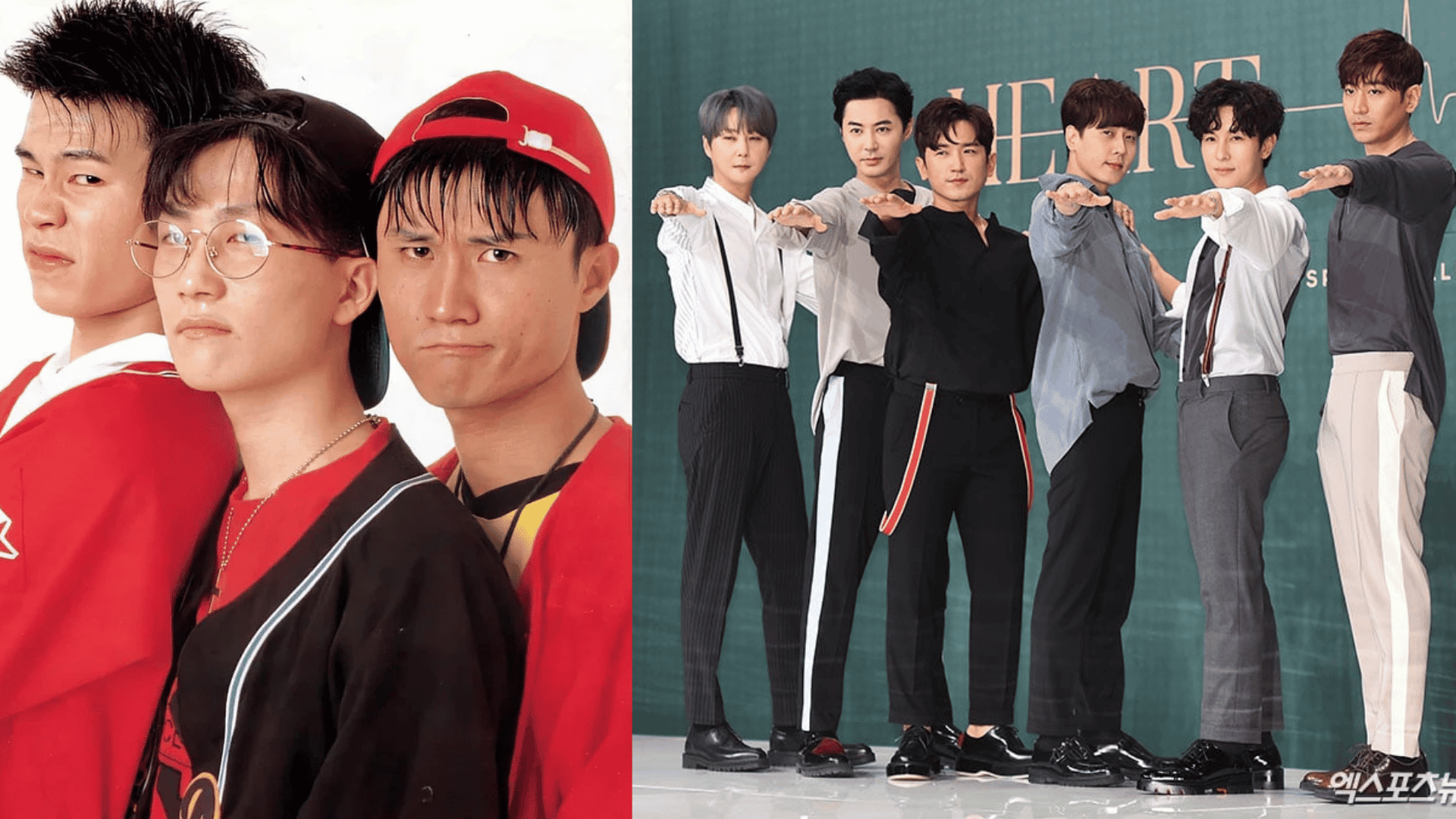
First-gen K-pop is usually defined as spanning from the early 1990s to the early 2000s.
It began with Seo Taiji and Boys in 1992 and grew through idol groups like H.O.T., S.E.S., and Fin. K.L, Shinhwa, and g.o.d.
Its defining traits included dance-pop songs, teen-focused concepts, fan clubs, TV promotions, and agency-trained performers. This era built the base for modern K-pop branding and fandom.
2nd Gen K-pop
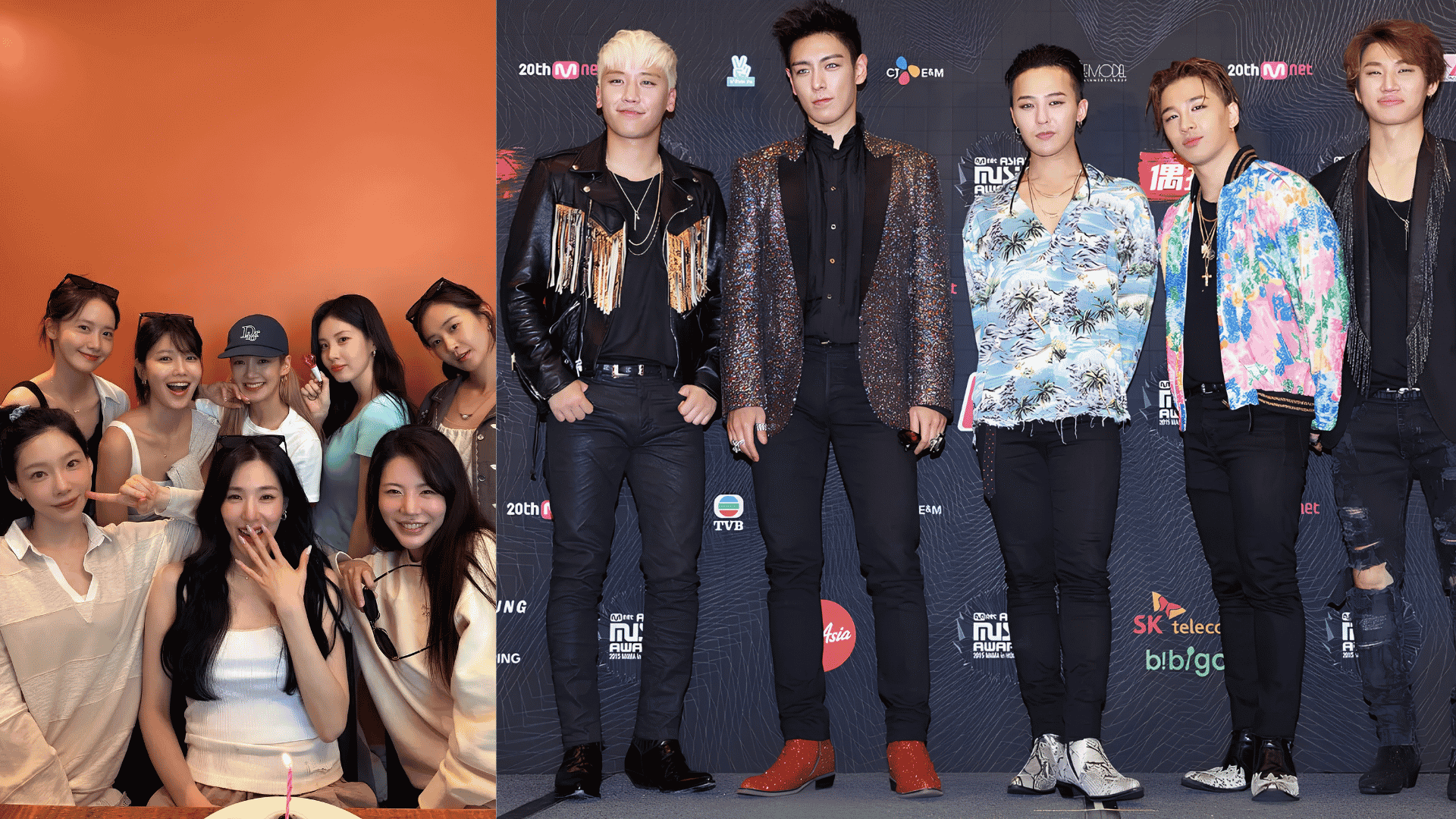
Second-gen K-pop is commonly dated from the early 2000s to around 2012. This era propelled Korean idol music across Asia through groups such as BIGBANG, Girls’ Generation, 2NE1, SHINee, Super Junior, Wonder Girls, and KARA.
Its defining traits included strong hooks, polished music videos, bold fashion, fan chants, variety show fame, and overseas promotions. Many 2nd-gen K-pop groups still shape today’s idol culture.
3rd Gen K-pop
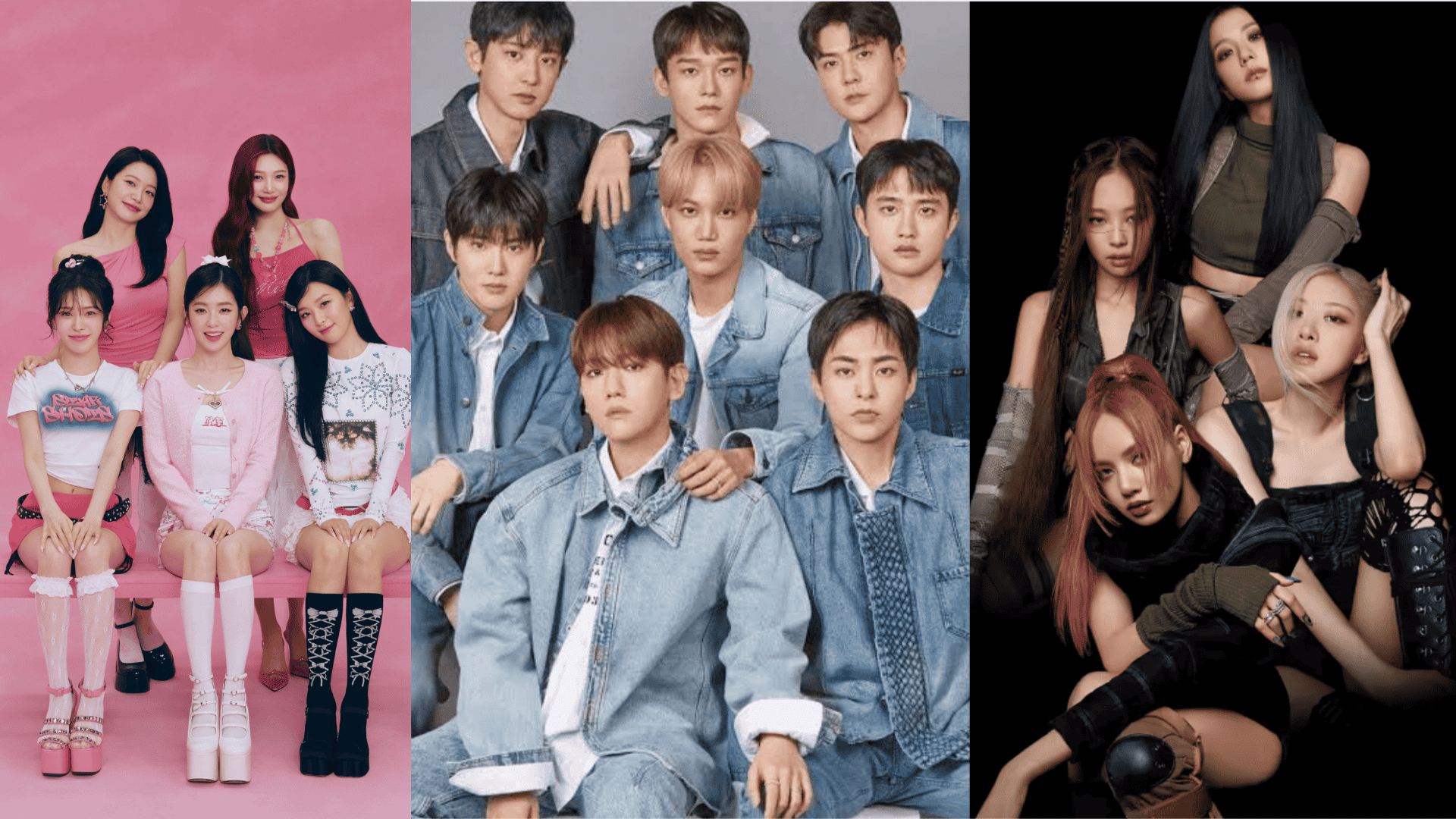
Third-gen K-pop is often defined as spanning from around 2012 to 2018. This era helped K-pop become a global movement through BTS, BLACKPINK, EXO, TWICE, Red Velvet, SEVENTEEN, and GOT7.
Its defining traits included social media growth, organized fandoms, YouTube records, international tours, genre-mixing songs, and stronger album sales.
Streaming, fan voting, global charts, and online support became major signs of idol success.
4th Gen K-pop
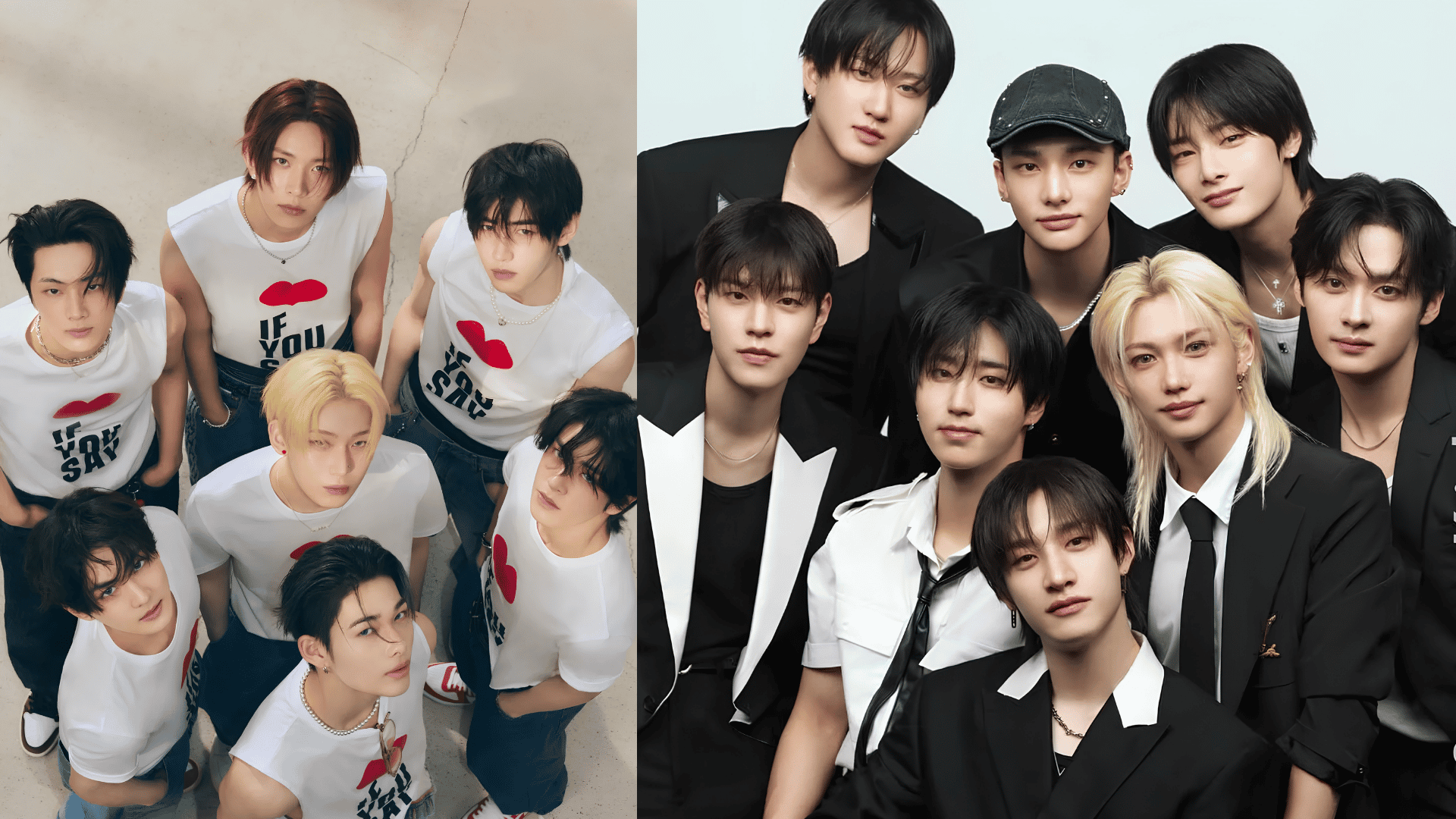
Fourth-gen K-pop is usually dated from around 2018 to 2022. It grew in a faster digital world, led by groups like Stray Kids, TXT, ATEEZ, ITZY, aespa, IVE, NewJeans, LE SSERAFIM, and ENHYPEN.
Its defining traits included sharp choreography, performance videos, short-form trends, high-concept visuals, lore-based branding, and strong fan engagement from its debut. Performance and online reach shaped this era.
5th Gen K-pop
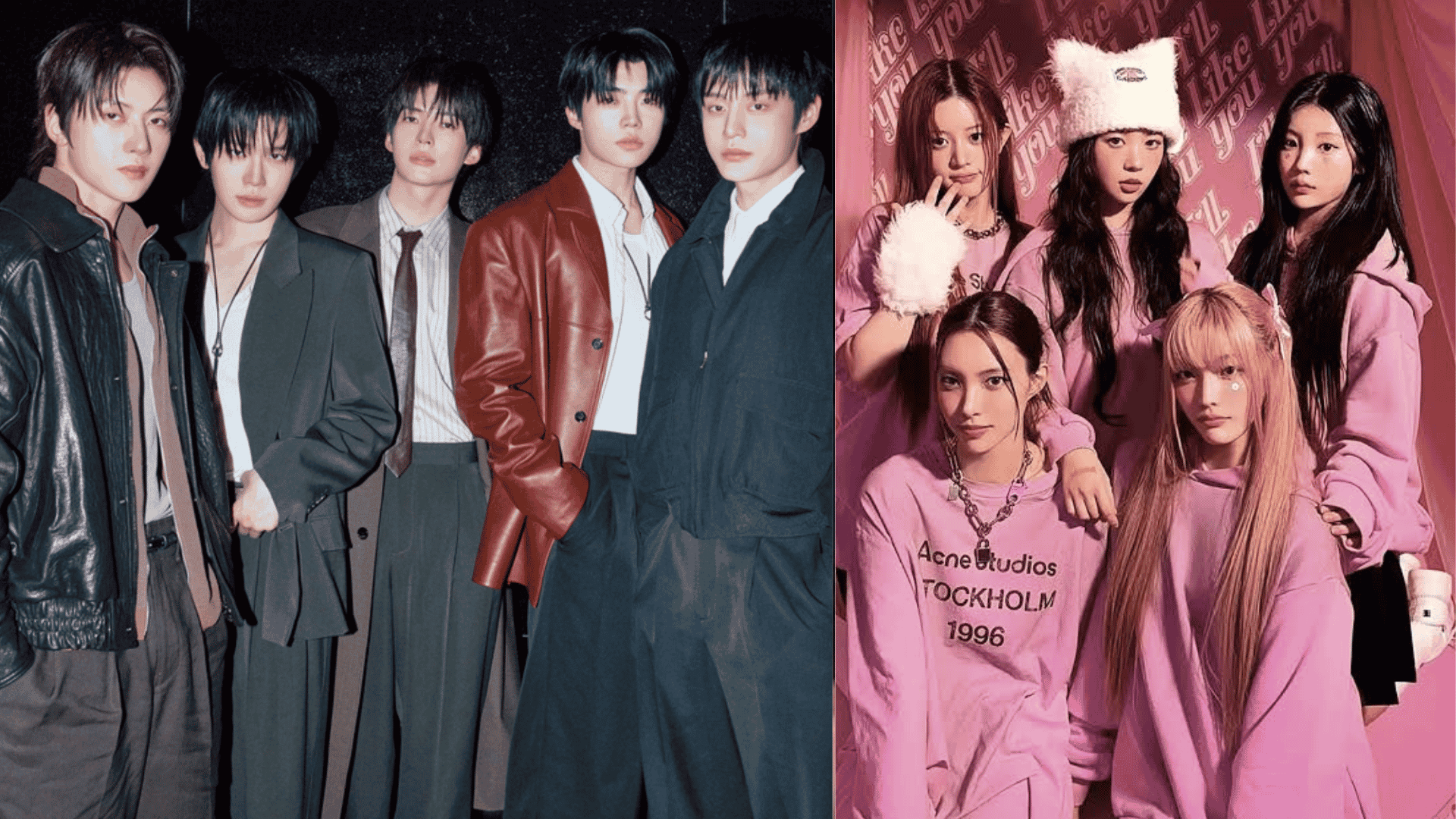
Fifth-gen K-pop is often seen as starting around 2023, though the era is still being defined.
Groups like ZEROBASEONE, RIIZE, BOYNEXTDOOR, BABYMONSTER, ILLIT, TWS, and KISS OF LIFE show its early direction.
Its defining traits include global marketing, polished visuals, short-form-ready songs, multilingual content, and fast fandom growth. Since this era is young, its long-term sound and impact are still forming.
How Each K-pop Generation Stands Apart
Beyond timelines and group names, each era differs in how idols were built, promoted, and remembered. These points add a fresh layer without repeating the earlier traits.
| Generation | Key Difference |
|---|---|
| 1st Gen | Created the first idol formula and showed that group-based Korean pop could build loyal youth fandoms. |
| 2nd Gen | Turned idols into wider entertainers through music shows, variety appearances, acting, endorsements, and stronger public personas. |
| 3rd Gen | Made fan power more organized, with global streaming, voting, translation pages, and social media projects shaping success. |
| 4th Gen | Built hype earlier through teasers, dance content, concept photos, and online platforms before groups even fully settled in. |
| 5th Gen | Launches new acts with instant global targeting, short-form appeal, polished branding, and fast online reaction cycles. |
The Role of Generational Labels in K-Pop Fan Culture
Generational labels do more than organize timelines. They shape how fans connect with artists, build communities, and even define their own identity within the fandom.
- Nostalgia and Legacy Pride: Fans of older generations often take pride in their era’s contributions. Labels like “2nd gen stan” convey loyalty and respect for the groups that laid the foundation.
- Fandom Identity and Belonging: Generational tags help fans find their community faster. Knowing which era someone stans often signals shared tastes, references, and even humor within online spaces.
- Generational Rivalries: Debates over which generation produced the best music or strongest performers are a staple of K-pop fan culture. These rivalries keep conversations alive across platforms.
- Keeping Older Groups Relevant: Generational labels remind newer fans that today’s trends started somewhere. Legacy acts stay in the conversation because fans actively defend their era’s influence.
- Industry Strategy and Marketing: Agencies study generational patterns before debuting new groups. Labels help companies position acts by identifying gaps in sound, concept, or audience appeal.
- Gateway to Deeper Fandom: Many fans start with one generation and explore others out of curiosity. Generational labels help uncover K-pop’s full history and evolution.
Conclusion
K-pop generations are more than simple timeline labels. They show how idol music, fandom culture, fashion, promotion, and global reach have changed over time.
From early pioneers to digital-first rookies, each era has influenced the groups that followed, adding something new to the industry.
That is why debates about generation years and defining artists continue among fans. Use this breakdown to revisit your favorite songs, compare eras, and decide which one shaped your taste the most.
Share your favorite K-pop generation and defining group in the comments below.
Frequently Asked Questions
Is 5th Gen K-Pop Officially Confirmed?
Not fully. It is widely used now, but the era is still being defined.
Which Generation Had the Longest-Lasting Groups?
Several 1st- and 2nd-gen groups still reunite, perform, or release music.
Do All Fans Agree on K-Pop Generations?
No. Some fans debate start years, group placement, and transition periods.