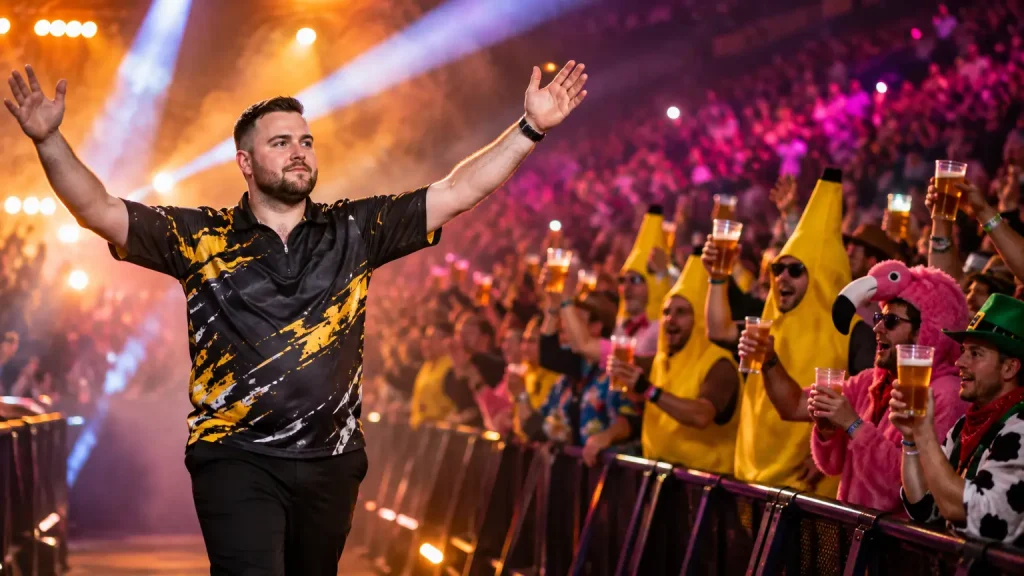


Professional wrestling has always occupied an unusual cultural space. It borrows the intensity of combat sports, the structure of live theatre, and the emotional pull of long-form storytelling. Fans do not simply follow outcomes – they follow personalities, rivalries, reputations, and moments that gradually build over time.
That loyalty tends to run deeper than casual entertainment trends, which may explain why wrestling communities remain remarkably active even as digital culture changes around them.
In recent years, that culture has started evolving online in different ways. Fans no longer rely entirely on televised broadcasts or post-event highlights to stay connected. Much of the conversation now unfolds across independent media platforms, insider coverage sites, podcasts, and community-driven outlets that offer a more immediate perspective on the sport.
That shift has helped platforms like RAF find a growing audience. Interest in fighter analysis and evolving Real American Freestyle rankings has also become part of the wider conversation among fans following the sport more closely online.
Real American Freestyle has gradually positioned itself as a destination for fans interested not only in events themselves, but in the wider world surrounding them – fighter stories, industry developments, emerging personalities, and the ongoing narratives that shape modern wrestling culture.
Rather than approaching coverage with an overly polished or corporate tone, RAF leans into a style that feels informed, current, and closely connected to the audience it serves.
Wrestling Audiences Want More Than Headlines
Part of the RAF’s appeal comes down to timing. Wrestling fans today consume content differently than they did even five or ten years ago. News cycles move faster, social media reacts instantly, and audiences expect continuous access to updates, analysis, and behind-the-scenes insight.
At the same time, many fans have become more selective about the platforms they trust. Generic reporting and recycled commentary tend to disappear quickly in crowded feeds. Audiences increasingly look for outlets that understand the culture surrounding wrestling rather than simply reporting match results after the fact.
RAF appears to recognise that distinction. Its coverage often focuses on the human side of the industry – the personalities involved, the momentum around key events, and the details that dedicated fans tend to notice first. That creates a reading experience that feels more conversational and grounded without losing professionalism.
Interestingly, the platform avoids the exaggerated tone that sometimes dominates sports entertainment coverage online. There is enthusiasm, certainly, though it rarely slips into overstatement. That balance gives the content a level of credibility that many newer media platforms struggle to establish.
A Platform Built Around Wrestling Culture
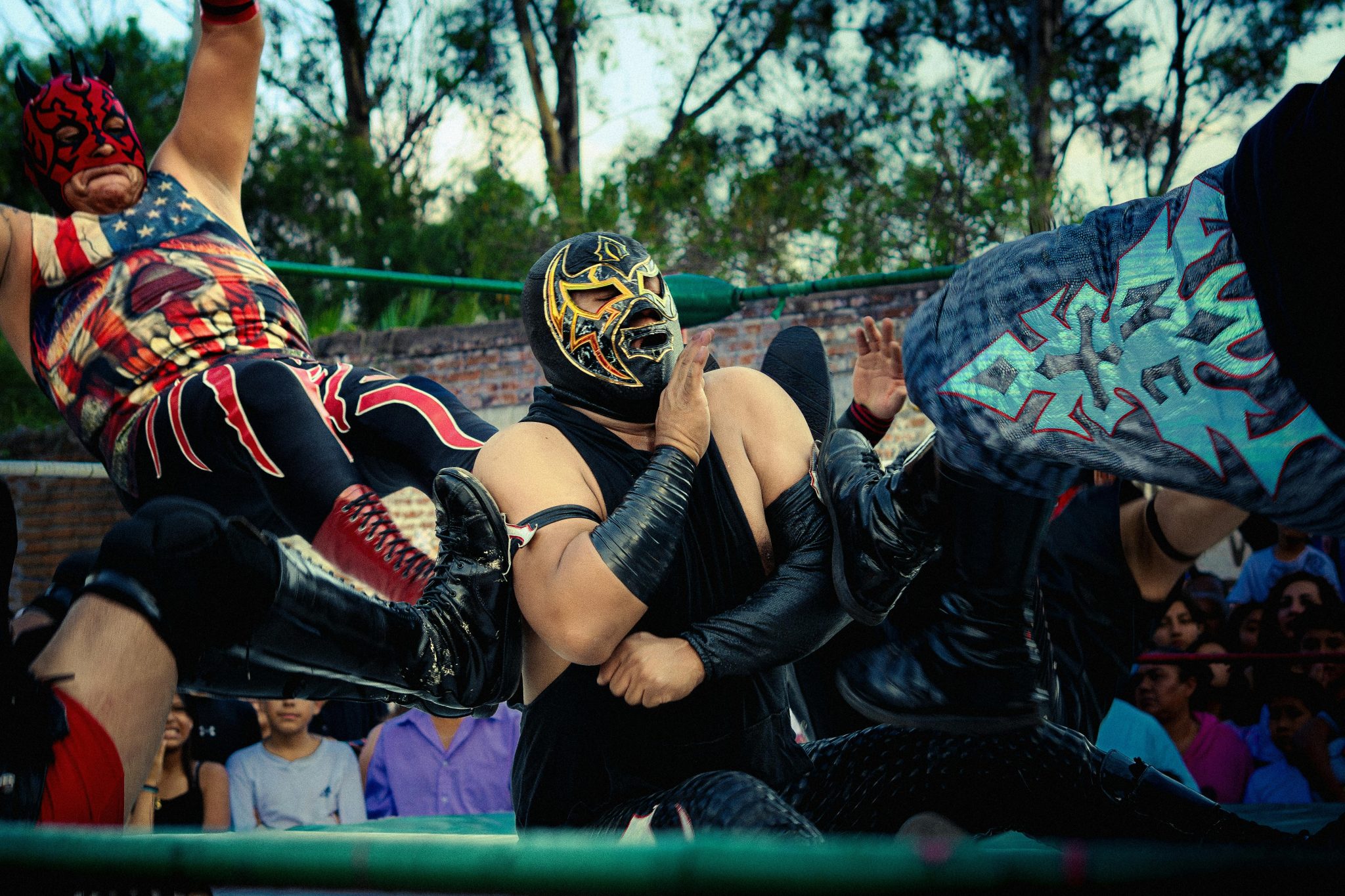
One reason Real American Freestyle continues attracting attention is that it treats wrestling as a culture rather than simply a schedule of events. That may sound like a small distinction, though it changes the tone of coverage considerably.
Fans invest in narratives over time. They follow career progression, rivalries, stylistic changes, locker-room dynamics, and the atmosphere surrounding major cards. RAF’s editorial approach reflects that broader understanding of fandom.
The platform gives space to fighter stories and insider developments while still keeping event coverage accessible to newer audiences entering the scene.
Readers following the latest developments through RAF Insider’s wrestling coverage are often looking for more than quick headlines. There is a clear interest in analysis, event reporting, and personality-driven storytelling that feels connected to the wrestling world itself rather than detached from it.
That matters because audiences have become increasingly sensitive to authenticity online. Overproduced content tends to lose impact quickly, particularly within communities built around loyalty and long-term engagement. Wrestling fans, perhaps more than most audiences, tend to recognise when coverage feels disconnected from the sport it is describing.
Growth that Feels Organic
RAF’s momentum also reflects a wider trend across independent sports media. Audiences are spending more time with niche platforms that provide specialised coverage rather than broad, surface-level reporting. Smaller communities often create stronger engagement because readers feel part of an ongoing conversation rather than passive observers scrolling through headlines.
In the RAF’s case, growth appears to be happening steadily rather than explosively. Oddly enough, that may be an advantage.
Tim Harford has often written about how systems built too heavily around optimisation can become fragile over time. Media platforms are not especially different.
Outlets chasing attention alone frequently struggle to maintain identity once trends shift. The more durable brands usually develop trust gradually, through consistency and a recognisable editorial voice.
RAF seems to be building along those lines. Its focus remains relatively clear: informed coverage, fighter-driven storytelling, insider updates, and a closer connection to the evolving culture around Real American Freestyle.
For wrestling fans looking beyond mainstream noise, that approach increasingly feels relevant. And in an online environment crowded with short-lived hype, relevance tends to last longer than volume.