Green beans were the first thing I ever grew without losing half of them to bugs or bad luck. I still remember picking that first handful off the vine and thinking, I can actually do this.
If you’re new to growing your own food, green beans are one of the easiest crops to start with. They don’t need fancy tools, raised beds, or years of practice. Just a bit of sun, decent soil, and some patience.
In this article, you will learn planting green beans step by step, from choosing the right spot and spacing your seeds to watering and feeding the soil. I’ll also share what I got wrong my first year, so you can skip those mistakes.
By the end, you’ll have a clear plan, no guesswork, no wasted seeds, just a full basket of beans this season.
How to Choose the Right Planting Location
The right spot makes growing green beans much easier. A few small checks before you plant can prevent problems down the road.
- Sunlight: Green beans need at least 6-8 hours of direct sunlight each day. Pick an open spot that isn’t shaded by trees, fences, or buildings.
- Soil Drainage: Beans don’t grow well in soggy soil. Choose ground where water drains fully after rain instead of sitting in puddles.
- Soil Quality: Loose, well-draining soil with a pH between 6.0 and 6.8 gives green beans the best start.
- Airflow: Open air around the plants reduces the risk of mold and fungal diseases. Avoid tight corners or spots boxed in by walls.
- Water Access: Plant near a hose or water source. Green beans need steady watering, especially once they start flowering.
- Crop History: Skip areas where beans or peas grew last season. This lowers the risk of soil-borne disease carrying over.
How to Plant Green Beans
Planting green beans takes just a few key steps to get right. From seed depth to spacing and support, these steps set your beans up for a strong harvest.
1. Choose Between Direct Sowing And Transplanting
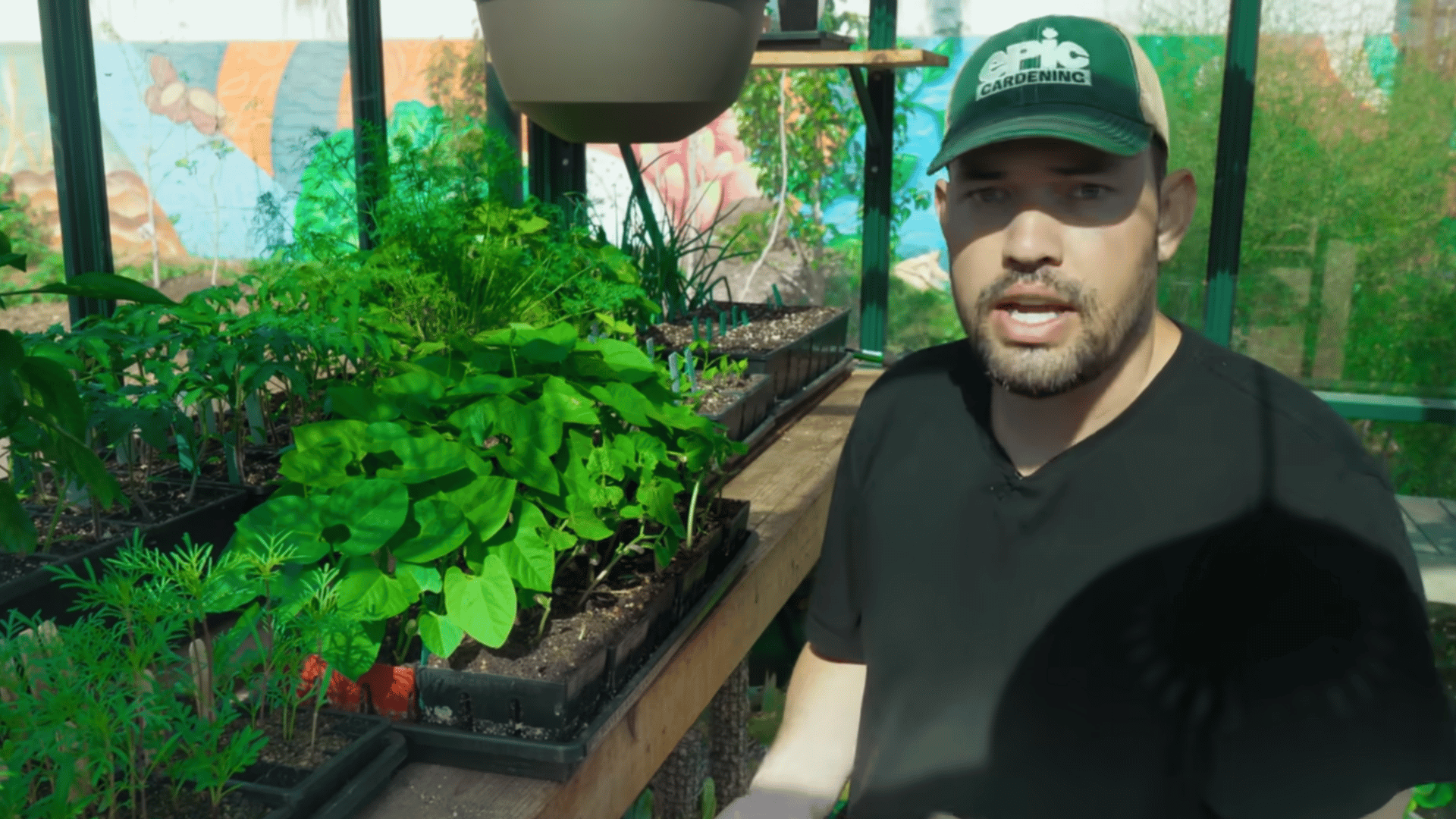
Most gardeners get the best results by direct sowing green beans, which means planting seeds right in the spot where they will grow.
Beans have large seeds and strong roots, so they usually handle being moved after sprouting better than being moved before sprouting. Transplanting works too, especially in cooler areas, if you start seeds indoors or in a greenhouse a few weeks before the last frost.
I started a tray indoors once just to see the sprouts come up faster. For most home gardens, though, direct sowing is easier since you skip moving young seedlings outside later.
2. Pick A Sunny Spot With Good Soil
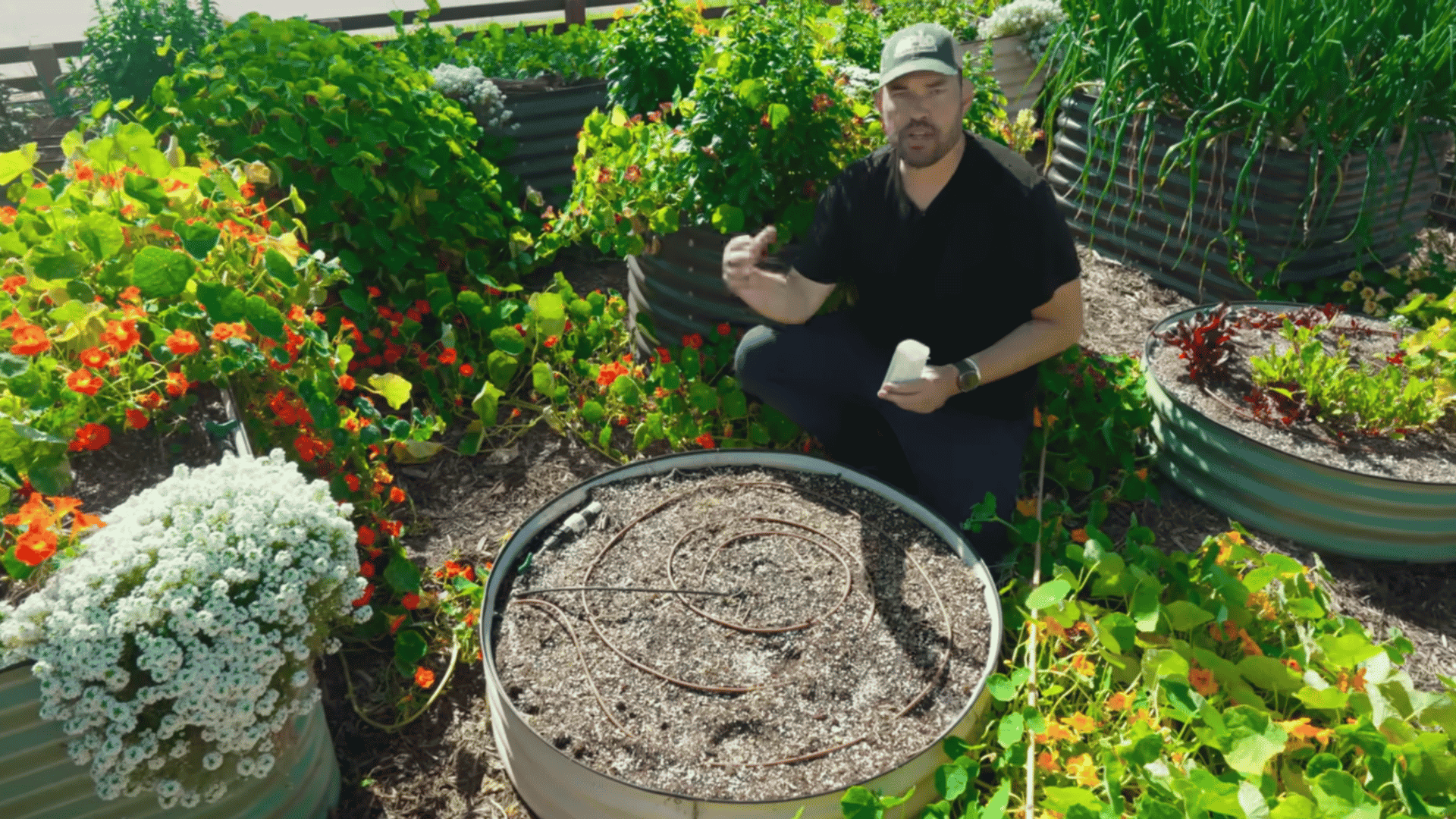
Green beans need six to eight hours of direct sunlight each day to grow strong and produce a full harvest. Choose a spot with well-drained soil, since beans dislike sitting in soggy ground for too long.
Raised beds work great because they warm up fast and drain well after rain. Beans do not need heavy fertilizer either, since their roots pull nitrogen from the air with help from soil bacteria.
A light sprinkle of organic pellet fertilizer is enough. Skip high-nitrogen feeds, since they can stop your plants from setting pods.
3. Plant Seeds At The Right Depth
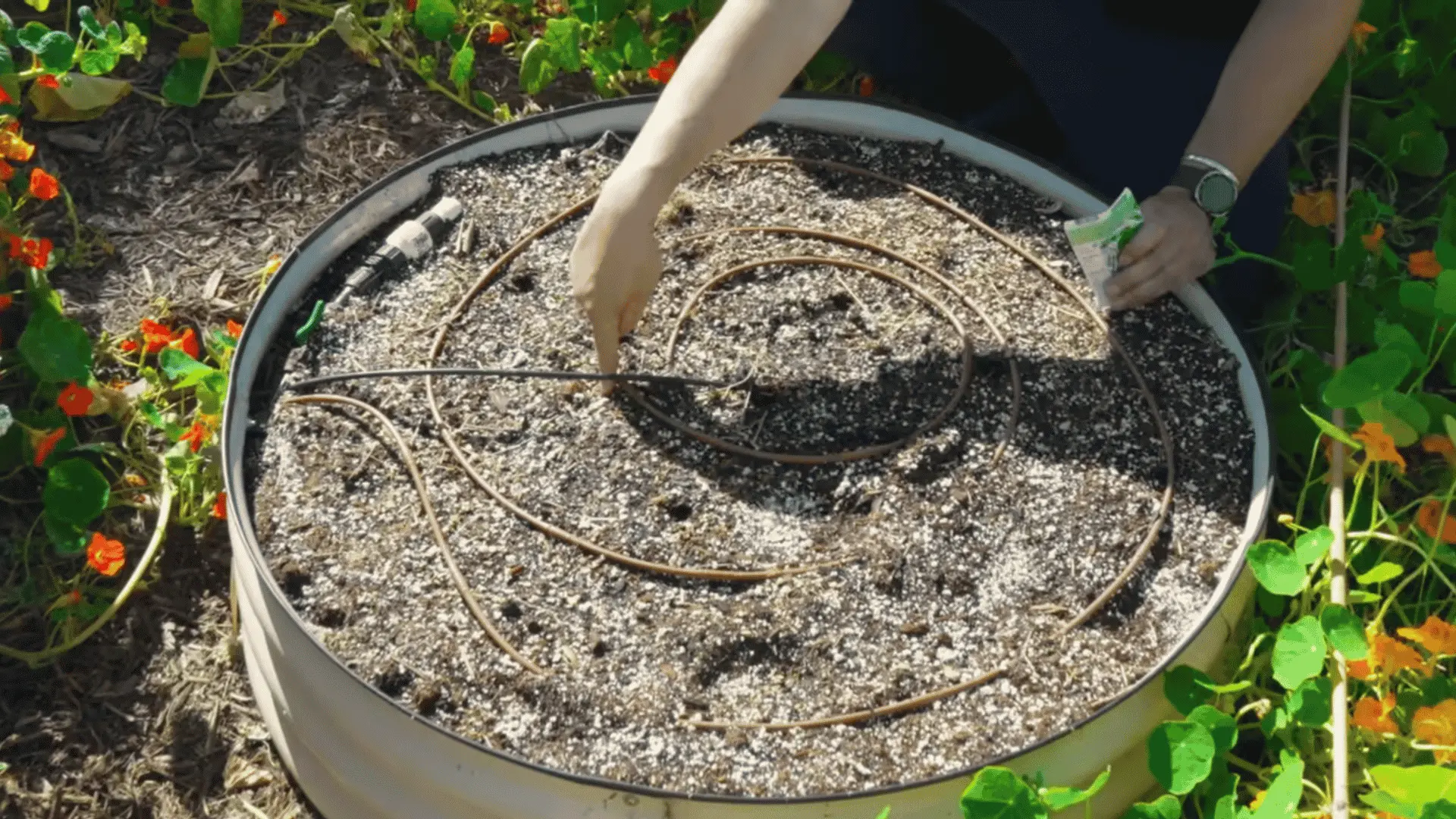
A simple rule for planting bean seeds is to bury them about twice as deep as the seed itself. Most bean seeds go in about three-quarters to one inch deep.
Cover the seed with soil, then water it well so the soil settles around it. Wait until soil temperature reaches at least 60 degrees Fahrenheit before planting, since cold soil keeps seeds from sprouting.
4. Space Beans For A Bigger Harvest
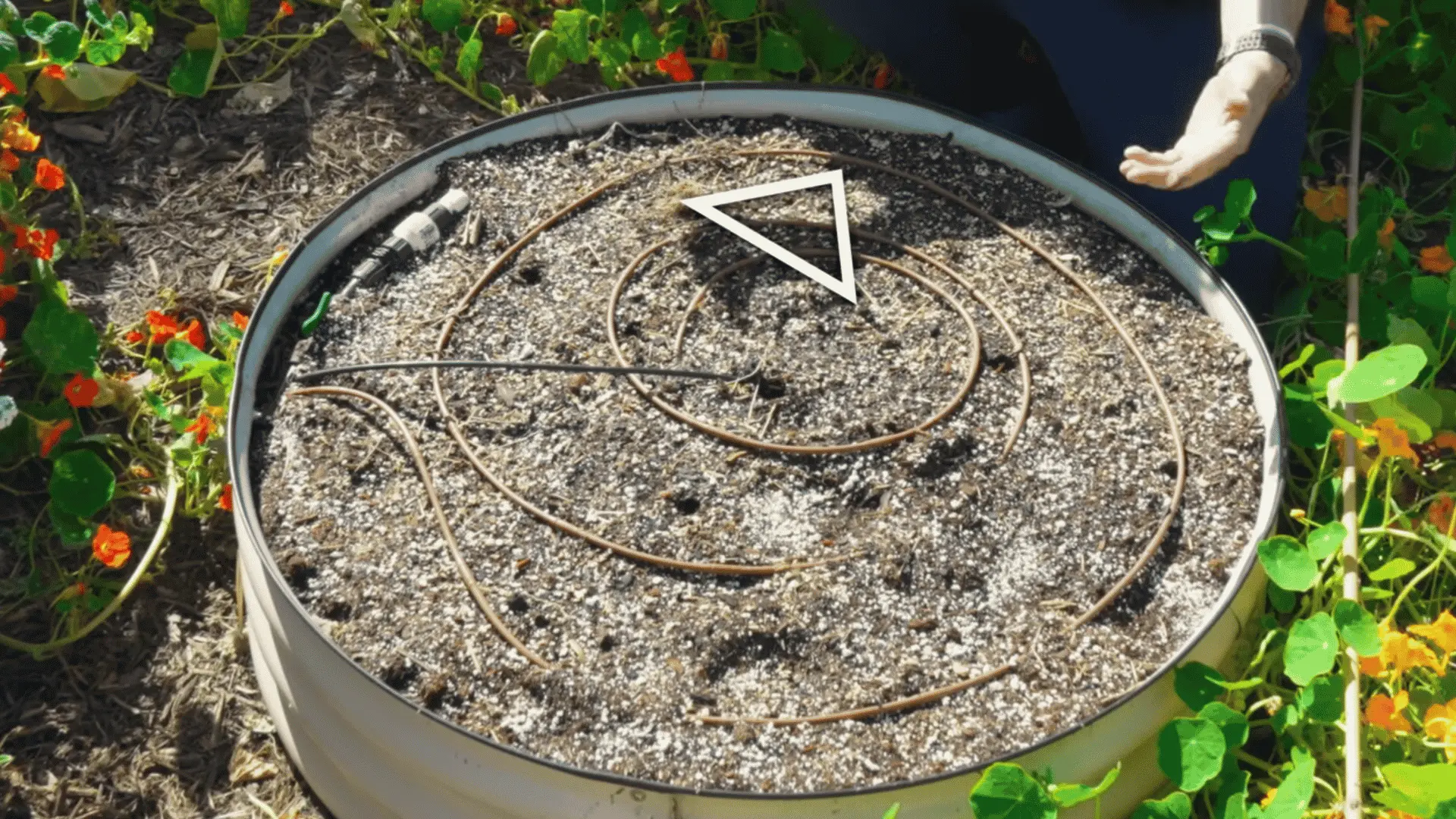
Spacing your bean seeds about six inches apart gives each plant enough room to grow while still packing in a solid harvest. Instead of lining seeds up in straight rows, try offsetting each row so the plants form small triangles.
This layout lets you fit more beans into the same bed without crowding the roots. Rows work fine too, especially in narrow beds, but the triangular pattern uses space more efficiently.
Either way, give your soil consistent moisture right after planting so the seeds can sprout evenly across the bed.
5. Add Support For Pole Bean Varieties
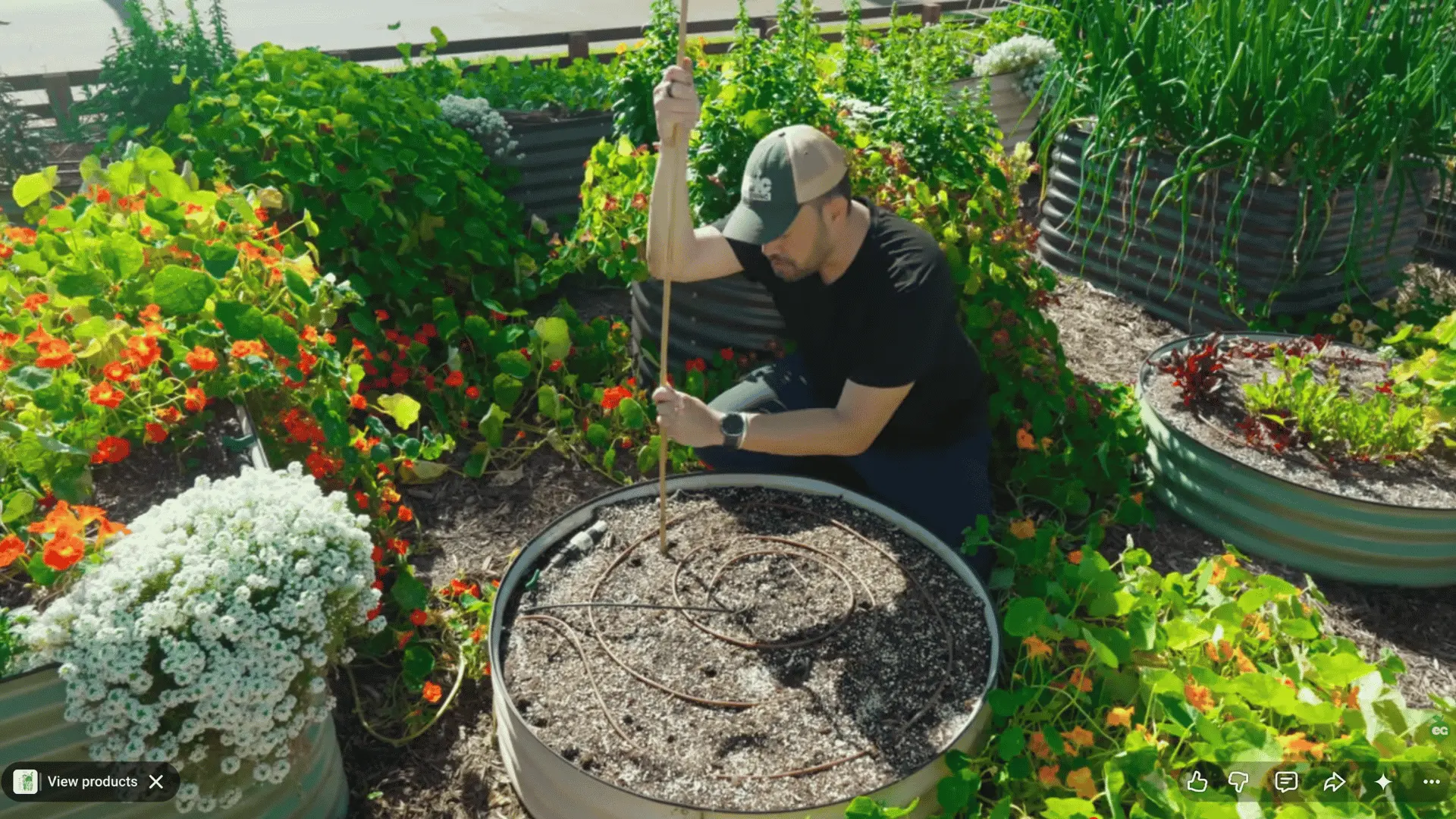
Bush beans grow low and need no support, but pole beans climb six to eight feet tall and require something to grow on.
Place a bamboo pole, trellis, or stake right next to the seed at planting time, since pole beans grow by twining their stems around a structure as they climb.
Without support, pole bean vines flop over and produce a much smaller harvest. Bush beans work better for small spaces or containers, while pole beans give you a longer harvest window if you give them room to climb.
6. Water Consistently After Planting
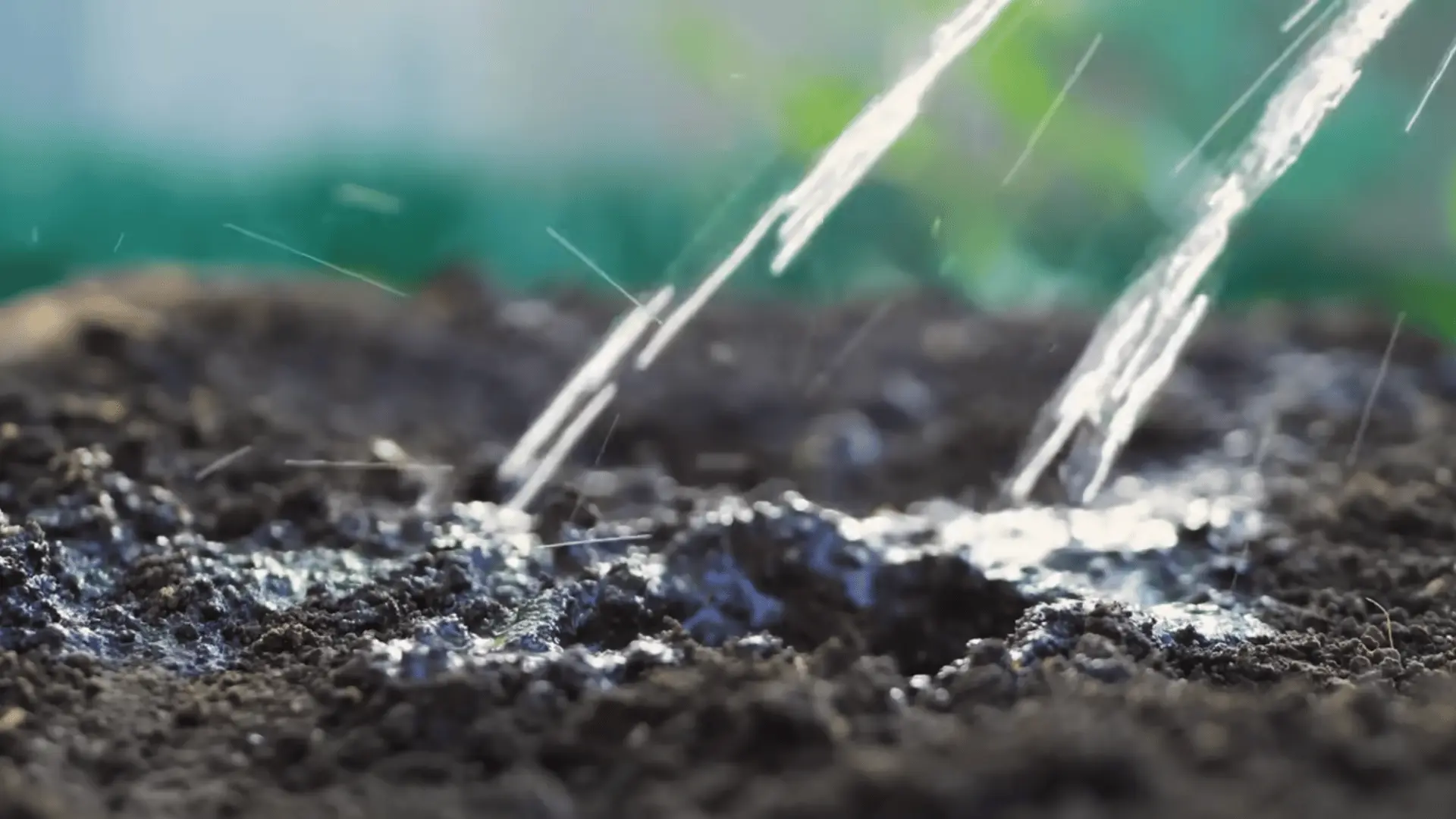
Newly planted bean seeds need steady moisture to sprout and grow strong roots, so check the soil often during the first few weeks.
Only water when the top inch of soil feels dry, since overwatering can turn leaves yellow and invite root problems. Drip irrigation or a soaker hose works well for maintaining even moisture without soaking the leaves.
I noticed transplanted seedlings often turn a little yellow for a couple of weeks before they settle in, which is normal and not a sign of a bigger problem.
Watch this video by Epic Gardening for more information
Best Green Beans to Plant for Beginners
Some green bean varieties are easier to grow than others, especially if this is your first season. These options are forgiving, reliable, and simple to care for.
- Provider: This bush variety grows fast and handles cooler soil better than most. It’s a solid pick if you’re planting early in the season.
- Contender: Known for its short growing time, Contender often produces beans in under 50 days. Great if you want quick results.
- Blue Lake 274: A classic bush type with steady yields and strong resistance to common diseases. It’s widely available and easy to find at most garden stores.
- Kentucky Wonder: If you’d rather grow pole beans, this variety climbs well and keeps producing for weeks once it starts.
- Royal Burgundy: These purple beans turn green when cooked, but their color makes them easy to spot on the vine, which helps beginners avoid overripe pods.
- Derby: A beginner-friendly bush bean with straight, tender pods and a long harvest window.
When is the Best Time to Plant Green Beans?
Green beans like warm soil, so timing matters more than most people think. Plant too early, and the seeds can rot before they even sprout.
The best time to plant green beans is after the last frost, once the soil has warmed to at least 60°F. In most regions, this falls somewhere between mid-spring and early summer.
If you’re not sure about your local frost date, a quick check with your regional extension office or a soil thermometer will give you a clear answer.
Bush beans grow fast, so you can plant a new batch every two to three weeks for a steady harvest through summer. Pole beans take a bit longer but keep producing once they get going.
Either way, waiting for the right soil temperature matters more than sticking to a calendar date.
How to Prepare Soil for Green Beans
Healthy soil sets the stage for strong green bean plants. A little prep work now saves you problems later in the season.
- Loosen the soil: Dig or till to a depth of 8 to 10 inches. Loose soil lets roots spread out and grow deep.
- Remove weeds and rocks: Clear the planting area completely. Weeds compete for water and nutrients, while rocks can block root growth.
- Add compost: Mix in a few inches of compost or aged manure. This improves soil structure and adds nutrients green beans need to grow well.
- Check soil pH: Aim for 6.0-6.8. A simple soil test kit will tell you where you stand.
- Improve drainage: If your soil holds water, mix in sand or organic matter. Green beans don’t tolerate wet, heavy soil.
- Avoid over-fertilizing: Too much nitrogen leads to leafy plants with fewer beans. Light feeding works better than heavy fertilizing.
- Warm the soil: If you’re planting early, cover the area with black plastic for a week or two to warm the soil before planting.
How to Water, Mulch, and Weed Green Beans
Green beans need consistent moisture, and a bit of mulching and weeding keeps the whole bed healthy. Here’s a quick breakdown of what to do and when.
| Task | What to Do | How Often | Why It Matters |
|---|---|---|---|
| Watering (seedling stage) | Give plants 1 inch of water per week | 2 to 3 times weekly | Keeps soil moist for germination without waterlogging seeds |
| Watering (growing stage) | Increase to 1 to 1.5 inches per week | Every few days, depending on the rain | Supports steady leaf and vine growth |
| Watering (flowering/pod stage) | Water deeply and consistently | 2 to 3 times weekly | Prevents flower drop and helps pods fill out fully |
| Watering method | Water at the base, not overhead | Each watering session | Reduces the risk of fungal disease on leaves |
| Mulching | Add 2 to 3 inches of straw, grass clippings, or shredded leaves | Once plants are established | Locks in moisture and keeps soil temperature steady |
| Mulch placement | Keep mulch a few inches away from stems | At the time of application | Prevents rot where mulch touches the plant |
| Weeding | Pull weeds by hand near the base | Weekly, or as needed | Protects roots from damage caused by deeper tools |
| Weeding timing | Weed early in the season before beans spread | First 3 to 4 weeks after planting | Beans outcompete weeds once established |
How to Support Climbing Green Bean Plants
Pole beans grow tall and need something sturdy to climb. The right support keeps vines upright and makes picking beans much easier.
- Trellis: A simple wooden or wire trellis gives vines a stable structure to climb. Set it up before planting so you don’t disturb the roots later.
- Bamboo poles: Push 3 or 4 poles into the soil and tie the tops together to form a tepee. This works well for small garden beds.
- String or twine: Run strings from a top bar down to the soil. Vines wrap around string easily and it’s cheap to set up.
- Cattle panel: A metal cattle panel bent into an arch or set upright makes a strong, long-lasting support. It holds up well in wind and heavy rain.
- Fencing: Wire or wood fencing along a garden edge gives beans plenty of room to climb while saving space elsewhere in the bed.
- Height: Aim for supports at least 6 feet tall. Pole beans keep growing all season and need the extra room.
Why Green Bean Seeds Fail to Sprout
Not every seed you plant will come up, and it’s rarely bad luck. Most sprouting problems come down to soil temperature, moisture, or how the seeds were planted.
Cold soil is one of the biggest reasons green bean seeds fail to sprout. Below 60°F, seeds can sit dormant or rot before they ever germinate. Planting too deep is another common issue.
Seeds buried more than an inch down often use up their energy before reaching the surface. Overwatering causes problems too, since soggy soil cuts off oxygen and leads to rot.
On the other end, soil that dries out completely can stop germination just as easily. Old or poor-quality seeds are also worth ruling out. If your seeds are more than a year or two old, germination rates drop.
A quick sprout test in a damp paper towel can tell you if your seeds are still viable before you plant a whole row.
Common Green Bean Planting Mistakes
| Mistake | What Happens | How to Fix It |
|---|---|---|
| Planting too early | Seeds rot in cold, wet soil before sprouting | Wait until the soil reaches at least 60°F |
| Planting too deep | Seeds struggle to push through and may not sprout | Plant seeds about 1 inch deep, no deeper |
| Overwatering | Roots rot, and plants turn yellow | Water only when the top inch of soil feels dry |
| Skipping soil prep | Poor drainage and low nutrients stunt growth | Loosen soil and mix in compost before planting |
| Using too much fertilizer | Plants grow leafy but produce fewer beans | Use light feeding and avoid high-nitrogen fertilizer |
| Ignoring plant spacing | Crowded plants compete for light, water, and air | Space bush beans 4 to 6 inches apart, pole beans 6 to 10 inches |
| No support for pole beans | Vines sprawl, tangle, and rot on wet soil | Set up a trellis or poles before planting |
| Skipping crop rotation | Disease builds up in the soil over time | Avoid planting beans in the same spot as last season |
| Harvesting too late | Pods turn tough and stringy | Pick beans while they’re young and tender |
| Overhead watering | Wet leaves increase the risk of fungal disease | Water at the base of the plant instead |
How to Keep Green Beans Producing Longer
A few simple habits can stretch your harvest by weeks. Green beans naturally slow down production if you skip these steps.
- Pick often: Harvest beans every 1 to 2 days once they start producing. Letting pods mature on the vine signals the plant to stop making new ones.
- Water consistently: Uneven watering stresses plants and reduces the number of new flowers. Keep soil evenly moist, especially during hot weather.
- Feed lightly: A light dose of balanced fertilizer mid-season gives plants the energy to keep flowering. Skip heavy nitrogen, which favors leaves over pods.
- Succession planting: For bush beans, plant a new round every 2 to 3 weeks. This keeps a steady supply coming instead of one big harvest that fades fast.
- Manage pests early: Aphids and bean beetles weaken plants over time. Check leaves regularly and treat problems before they spread.
- Mulch well: A steady layer of mulch keeps soil temperature even, which helps plants stay productive through summer heat.
Final thoughts
Growing green beans can feel simple once you see how quickly a few well-planted seeds turn into full vines or compact, productive bushes.
Your best results will come from warm soil, steady moisture, enough sunlight, and regular picking before the pods become tough. You do not need a perfect garden setup to begin successfully.
A sunny bed, raised planter, or roomy container can all support a healthy crop when the basics are right. Pay attention to how your plants respond, note which varieties perform well, and adjust your timing each season.
Those small observations often make the next harvest even better.
Have you grown bush beans, pole beans, or both? Share your experience, favorite variety, and any planting tips in the comments below.
Frequently Asked Questions
What Plants Grow Well Next to Green Beans?
Carrots, cucumbers, corn, radishes, and marigolds usually grow well beside green beans.
Can Green Beans be Grown in the Same Spot Every Year?
It is better to rotate them every two to three years to reduce soil-borne pests and diseases.
Why are My Green Bean Pods Curved or Misshapen?
Uneven watering, heat stress, poor pollination, or pest damage can cause curved or misshapen pods.