
Most of us think ‘healthcare’ means seeing a doctor when you feel sick, taking medication, and voila, you should be fine. But, is it true?
In reality, our bodies are complicated, and everything is interconnected.
Sometimes, when you feel sick, it may not be because you’ve caught a viral infection. It might be because you are stressed, or you’re not sleeping well, or perhaps it’s just that your stomach is a little upset. In these cases, when you see a doctor, what they do is focus on the obvious condition: ‘fever’, or ‘stomach ache’, and give you medication for that.
Enter: the gap in traditional health that holistic healthcare covers.
A holistic health and wellness team includes healthcare professionals from almost all disciplines, who coordinate in delivering treatment and care, and work towards fixing all those less obvious conditions, the ones that go unnoticed in a regular healthcare setup.
Building a perfect team of holistic health and wellness specialists comes down to finding the right mix of professionals who are willing to collaborate.
Here’s what a typical holistic wellness team looks like.
General Physician (GP)
This one’s obvious. No healthcare setup can function properly without a general physician who acts as the foundation of the team. In many cases, they are the first and main point of contact in a healthcare setup.

A good GP looks beyond the obvious symptoms. A GP who cares for a patient thinks about the bigger picture and uses the patient’s history, lifestyle, stress, and general prognosis as a guide to understand any underlying ailment. According to his findings, he then decides the nature and level of care required, and when to refer a patient to a specialist.
Nursing and Primary Care Support Specialists
If there’s one specialist patients connect with the most, it’s a nurse. Nurses are one of the most important parts of foundational healthcare teams since they provide care to patients on a daily basis and make sure that everything is progressing well. They act as an important link between the doctors and the patient.

Nurses are involved in patient monitoring, administering medications, and providing care, while also educating the patient about what is going on inside their body and how to act during the treatment process.
In the U.S, nurses who undertake online accelerated BSN programs can prove to be an invaluable asset to any health team, as they can offer generalized advice and be a first port of call before seeking out specialist advice.
Psychologists and Counsellors
A study by NIMH shows that every 1 in 5 U.S. adults is suffering from a mental illness. This means health systems cannot fully function without mental health care providers. Stress, anxiety, depression, and trauma are very common in the United States. Most people encounter at least one of them at some point in their lives. And yet, many people are unaware of how these mental issues also affect their physical health.

Psychologists support their patients by helping them cope with their thoughts, feelings, and emotions. They assist patients in adopting therapy approaches to help regain a sense of control over their lives and develop healthy habits.
Counsellors also help patients through emotional support. We all go through ups and downs in life: loss of someone we loved dearly, or a relationship, professional or other issues. Counsellors create a safe space for patients to talk about their issues without the fear of being judged.
Nutritionists and Dieticians
Food has always been one of the most important pillars of health.
Registered nutritionists are eligible to guide their patients on the role of nutrition in the management of their health. They help patients understand that diet plays a primary role in providing restoration and in the prevention of chronic conditions, especially in cases of diabetes, digestive disorders, inflammation, or low energy.

Dietitians are trained and equipped to prepare dietary plans to cater to all medical, therapeutic, and lifestyle needs of their patients. In a holistic team, dietitians act as fuel strategists while other professionals do their job.
Physical Therapists
The lack of movement is endemic in our generation. Around one-third of the American population suffers from digestive, musculoskeletal, and mental health issues because they have very little movement in their routines.
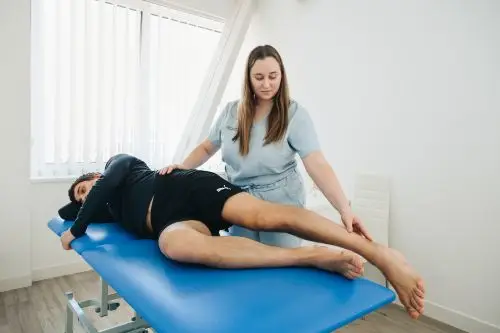
Physiotherapists and movement specialists educate their patients on the importance of movement. Movement is often said to be half the cure. This is especially true for people who are recovering from chronic pain, injuries, or surgeries.
Physiotherapists (or Physical Therapists) restore the body’s ability to move and function, relieve pain, and restore strength. They create rehabilitative pathways to recovery that are safe and effective. They also contribute to injury prevention by stimulating and correcting balance and strengthening weak postures. Within a holistic system, they ensure that physical restrictions do not hinder your full recovery.
Naturopaths and Holistic Practitioners
One of the best parts about holistic care is that it is not confined to conventional medicine alone. A naturopath heals the body naturally through lifestyle changes, herbal medicine, stress management, and preventive care.

Unlike conventional practices, naturopaths focus on long-term lifestyle changes and balances of hormones, sleep, and digestion, etc. Many healthcare professionals will affirm that serious conditions are better addressed by modern medicine. However, naturopathy can supplement the healing and recovery process. If there is a harmonious relationship between doctors, specialists, and naturopaths, overall wellness and prevention become more effective.
Massage Therapists and Chiropractors
Bodywork therapies are one of the best ways to provide immediate relief. This is why these specialists make a great addition to any holistic team. Massage therapy improves recovery by relieving tension, decreasing strain, and increasing circulation. Since some patients have to remain in bed for weeks or even months, massage therapy can be a great addition to medical therapy and can help make the patient feel more comfortable and relaxed.

Chiropractors work with the alignment of the spine and the musculoskeletal system in general. They use hundreds of techniques to improve nervous system function and posture.
When massage therapists or chiropractors become part of a care plan, they can help to reduce muscle stress and improve the overall function of the body.
Pharmacists
Pharmacists are always underrated in a healthcare team, yet they are irreplaceable to the safety of treatment and its success. All medications have their own side effects and safety conditions that must be taken into account before making a treatment plan.

Pharmacists ascertain that drugs are taken properly and are not leading to any dangerous interactions. They also help the patients understand the prescription and how to take the drugs. These specialists become even more important for patients who have more than one illness.
How then, to build the ideal holistic and wellness team? It means sourcing and bringing together a group of professionals who work collaboratively and in harmony to provide the best possible care to patients.