Paul Walker was one of Hollywood’s most liked actors. His death on November 30, 2013, shocked fans all over the world. It happened fast, and it came out of nowhere.
The crash raised many questions. People wanted to know what really happened that day. And the answers are all there, laid out clearly through months of investigation.
This post breaks down the full story behind the 2013 crash. It covers where Paul Walker was that day, what caused the accident, what the autopsy found, and how the Fast and Furious franchise handled his passing.
About Paul Walker
Born Paul William Walker IV on September 12, 1973, in Glendale, California. Raised in Sunland.
Started his career as a child actor in television commercials and some minor TV roles before landing his first major film role in the 1998 teen comedy Varsity Blues.
His career changed completely in 2001 when he was cast as Brian O’Conner in The Fast and the Furious. The film became one of the most successful franchises in the Hollywood history.
By 2013, he was filming Furious 7, the seventh installment, when he died.
Outside of acting, he was known for his passion for cars, ocean conservation, and charitable work. He founded Reach Out Worldwide in 2010, following the Haiti earthquake, a disaster relief organization that deployed volunteers to areas hit by natural disasters.
What Happened The Day He Died
Paul Walker died on November 30, 2013. He was 40 years old.
He was not driving. He was a passenger in a red 2005 Porsche Carrera GT being driven by his close friend and racing partner, Roger Rodas.
The car was on Hercules Street in Valencia, California, a quiet public road near an office park about 30 miles north of Hollywood.
Rodas was traveling at approximately 100 mph in a 45 mph zone. The car lost control coming out of a curve, hit a lamp post, and slammed into two concrete trees.
The vehicle caught fire within seconds of impact. Both Paul Walker and Roger Rodas died at the scene. Neither man survived. There were no drugs and no alcohol involved.
The Los Angeles County Sheriff’s Department and California Highway Patrol investigated the crash for almost four months and confirmed it was a tragic accident caused entirely by unsafe speed.
What Caused the Crash

Four months after the crash, the Los Angeles County Sheriff’s Department had its answer on March 25, 2014. Stating the COD (Cause of Death) was Unsafe speed. That was it.
The Porsche was traveling between 80 and 100 mph on a road posted at 45. The tires were nine years old and had never been swapped out since the car left the factory in 2005.
The 2005 Porsche Carrera GT has no electronic stability control. At high speeds, it lacks Automatic Emergency Braking (AEB) to help keep the driver safe from major accidents.
Both toxicology reports came back clean. No drugs. No alcohol. No mechanical failure. No other vehicles were involved.
Just those two men, riding a very fast car, and a road they weren’t meant to go that fast on.
What Paul Walker was Doing That Day
The morning of November 30, 2013, Paul Walker had been planning to spend the day with his family.
He was discussing plans to buy a Christmas tree with his mother, Cheryl, and his 15-year-old daughter, Meadow, when he remembered his charity was holding an event.
He drove to Always Evolving, a high-performance car shop he co-owned with Roger Rodas in Santa Clarita, California. The shop was hosting a toy drive for Reach Out Worldwide.
Walker spent the afternoon at the event. Everyone present described him as behaving at his best.
He left the event at around 3:30 pm. He and Rodas got into the Porsche Carrera GT for what was intended to be a short drive around the nearby office park. The crash happened a few hundred yards from the shop.
What the Autopsy Found

ImageSource: news.sky.com
The Los Angeles County Coroner released Paul Walker’s full autopsy report in April 2014.
The official cause of death was listed as the combined effects of traumatic and thermal injuries.
Investigators found scant soot in Walker’s trachea, which indicated his death came within seconds of impact, before the fire fully took hold.
Roger Rodas died on impact from multiple physical traumas. He did not survive long enough for the fire to be a factor.
Both men were found in what the coroner described as a pugilistic stance, a post-mortem position where limbs contract and flex in response to extreme heat. Neither man had drugs or alcohol in their system.
What Happened to Furious 7 After Paul Walker Died
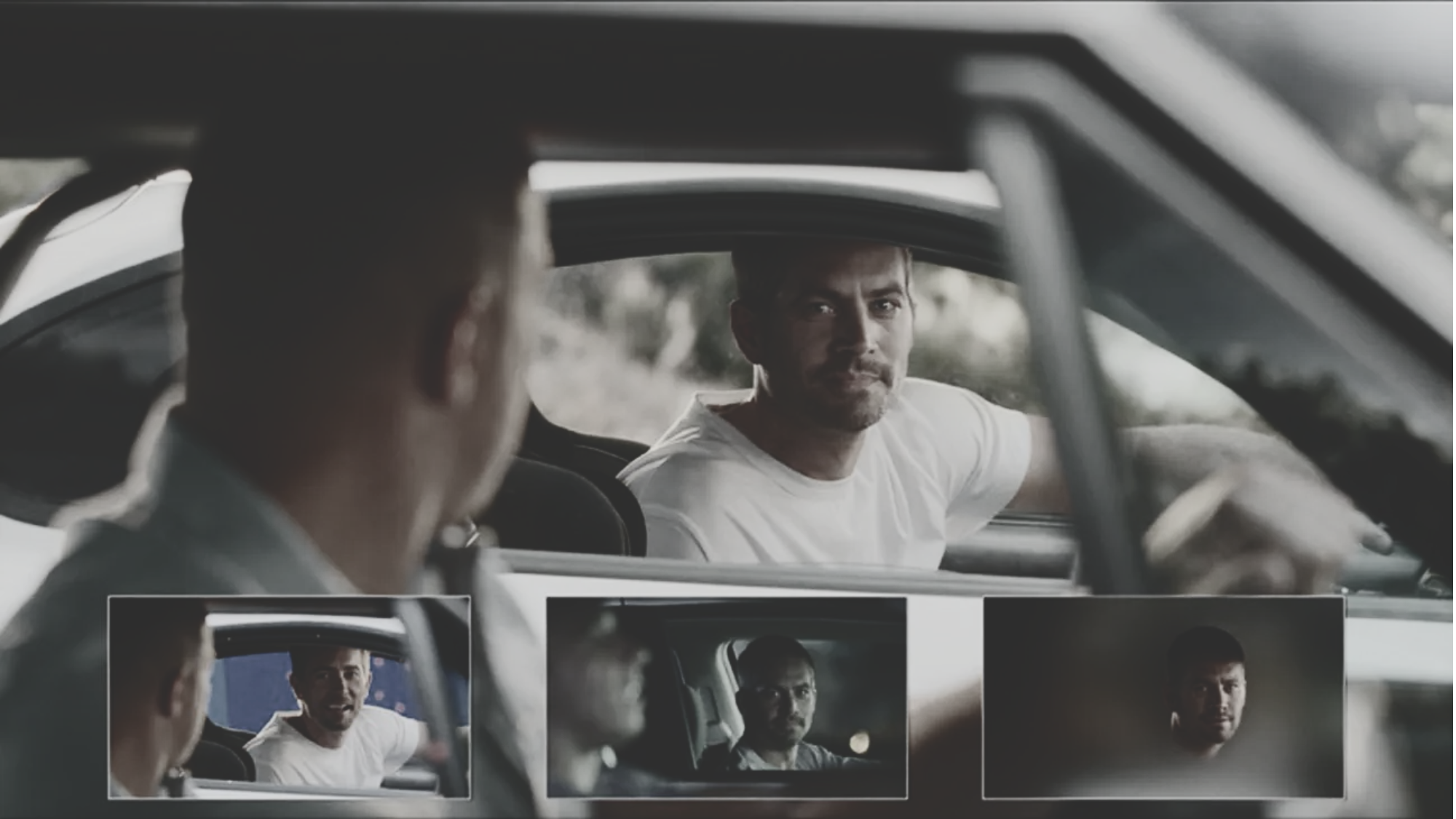
ImageSource: hollywoodreporter.com
Furious 7 shut down production the day Walker died in November 2013. Universal Pictures and its family spent weeks deciding how to move forward.
The decision was to finish it. Walker’s brothers Cody and Caleb became stand-ins for unfinished scenes. Visual effects put Paul Walker’s face on their performances, a process that took over a year.
The film opened back on April 3, 2015. $397 million in the first weekend globally, Universal’s biggest opening ever at that point. It ended with Brian O’Conner quietly driving off into the sunset.
Over $1.5 billion at the worldwide box office. The audience never forgot who they were watching it for.
Paul Walker’s Legacy
Paul Walker was 40. Meadow was 15. She later founded the Paul Walker Foundation to carry on the disaster relief work he built through Reach Out Worldwide after the 2010 Haiti earthquake.
The Fast and Furious franchise handled his exit carefully.
Brian O’Conner did not die on screen. He drove off into retirement, alive somewhere, just not in the story anymore. The franchise has cleared over $7 billion worldwide since his death.
Fans still mark November 30 every year. Twelve years later, it still trends. That kind of loyalty is not manufactured.
To Wrap It Up
Paul Walker’s death was the result of speed, worn tires, and a car that demanded complete control at all times. The investigation confirmed it. No foul play, no mechanical failure, just a tragic accident on a quiet road.
His daughter Meadow continues his charity work. Brian O’Conner never died on screen. And every November 30, fans still stop to mark the day.
That kind of lasting impact speaks for itself.
If this post answered what you were looking for, share it with someone who grew up watching him.
Frequently Asked Questions
Was Paul Walker Driving when He Died?
No. Paul Walker was not driving. He was the passenger. His friend and racing partner, Roger Rodas, was behind the wheel of the Porsche Carrera GT at the time of the crash.
What Movies Was Paul Walker Known For?
In addition to Fast & Furious, he appeared in films such as Varsity Blues, Joy Ride, Into the Blue, and Eight Below.
Did Paul Walker’s Family Receive Any Compensation After His Death?
Yes. Meadow Walker, his daughter, filed a wrongful death lawsuit against Porsche in 2015. The lawsuit alleged the Porsche Carrera GT had design defects, including the absence of a proper safety cage and electronic stability control.