


Industrial equipment is expensive, and most businesses want to get as many years as possible out of every machine they own. Whether it is forklifts, warehouse equipment, manufacturing systems, or heavy machinery, replacing equipment too early can put a lot of pressure on a company’s budget. The good news is that many equipment problems can be avoided with the right approach.
A lot of businesses focus only on fixing machines when something breaks. While repairs are important, long-term equipment life depends more on daily habits, regular maintenance, and smart operating practices. Small steps taken consistently can reduce downtime, improve safety, and help equipment perform better for years.
Here’s what businesses should know about extending the life of industrial equipment and keeping operations running efficiently for the long term.
Replace Worn Parts Before They Cause Bigger Problems
Many businesses try to delay repairs to save money, but postponing small fixes often creates larger and more expensive problems later. A damaged filter, worn brake component, or failing hose can affect other parts of the machine if it is ignored for too long.
Replacing worn parts early helps businesses avoid unnecessary downtime and protects the overall system. Forklifts, for example, depend on properly functioning brakes, wheels, filters, and electrical components to operate safely and efficiently. Intella Parts offers an extensive inventory of aftermarket forklift and material handling components, making it easier for businesses to find the right parts without delay. You can visit intellaparts.com to explore their range of forklift parts for various makes and models.
Regular inspections make it easier to identify parts that are reaching the end of their lifespan. Instead of waiting for complete failure, businesses can schedule replacements during planned maintenance periods. This approach keeps operations moving and reduces emergency repair situations.
Train Employees to Use Equipment Properly
Even the best equipment can wear out quickly if employees are not using it correctly. Poor operating habits place unnecessary stress on machines and increase the risk of damage. That is why employee training plays an important role in equipment longevity.
Workers should understand how to operate equipment safely and follow the manufacturer’s recommendations. Simple mistakes like overloading machines, sudden stopping, or improper handling can shorten the lifespan of important components.
Training programs also help employees recognize warning signs early. If operators notice unusual noises, vibrations, leaks, or performance changes, they can report the issue before it becomes more serious. Early reporting often prevents larger repairs and reduces safety risks.
Businesses that invest in their people and processes tend to see fewer accidents, lower repair costs, and more reliable overall performance.
Keep Equipment Clean and Stored Correctly
Clean equipment usually lasts longer. Dirt, dust, moisture, and debris can slowly damage industrial machinery over time. If buildup is ignored, it can affect moving parts, block airflow, and increase wear on important components.
Cleaning routines do not have to be complicated. Simple daily or weekly cleaning can help businesses protect their investment. Machines should be checked regularly for grease buildup, dirt accumulation, and moisture exposure.
Storage conditions also matter. Equipment that sits outside in harsh weather may experience rust, corrosion, and electrical problems faster than machines stored indoors. Whenever possible, businesses should keep equipment in clean, dry, and protected environments.
Proper storage is especially important for seasonal equipment or machines that are not used every day. Covering equipment and protecting it from moisture can prevent unnecessary damage.
Clean equipment also creates a safer and more organized work environment, which benefits both employees and operations.
Build a Preventive Maintenance Routine
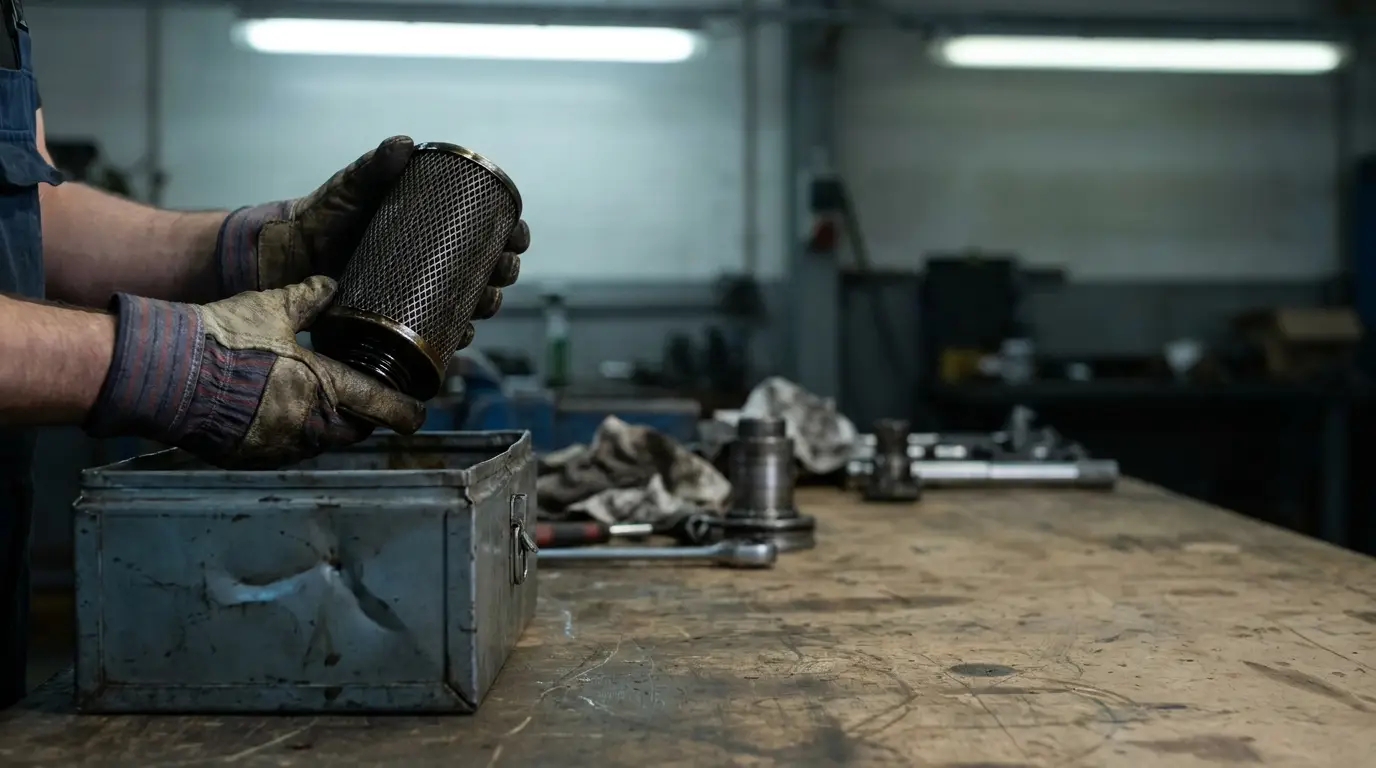
One of the most effective ways to extend the life of industrial equipment is by committing to a preventive maintenance routine. Waiting until a machine fails completely often results in costly repairs, unplanned downtime, and lost productivity. Routine inspections allow businesses to catch small issues before they escalate into serious mechanical failures.
Preventive maintenance covers essential tasks such as checking fluid levels, replacing worn filters, lubricating moving parts, and inspecting electrical systems. Businesses that stay consistent with these schedules typically experience fewer breakdowns and lower repair costs.
Keeping thorough maintenance records completes a strong preventive strategy. Service logs help track recurring issues, monitor repair history, and support smarter decisions about equipment upkeep over time.
Monitor Equipment Performance Regularly
Industrial equipment usually gives warning signs before major failures happen. Businesses that monitor performance regularly can often identify issues early and prevent larger problems.
Operators and maintenance teams should pay attention to unusual sounds, vibrations, slower performance, overheating, or leaks. These signs may indicate that certain parts need attention before the problem becomes serious.
Many companies now use maintenance software and monitoring systems to track equipment performance. These tools can help businesses schedule inspections, monitor operating hours, and manage repair records more efficiently.
Avoid Overloading Equipment
Industrial equipment is designed to handle specific workloads. Pushing machines beyond their limits increases stress on engines, brakes, hydraulic systems, and other important components.
Overloading forklifts, for example, can damage tires, strain lifting systems, and increase safety risks. Consistently operating equipment at maximum capacity often leads to faster wear and shorter equipment lifespan.
Businesses should follow manufacturer guidelines for weight limits, operating hours, and usage conditions. Employees should also understand the risks associated with improper use.
Allowing equipment to operate within recommended limits helps reduce repair costs and improves long-term reliability. Responsible equipment use also helps create safer working conditions for employees.
Machines that are not constantly overworked usually perform more efficiently and remain dependable for longer periods.
Create a Long-Term Equipment Management Plan
Businesses that take a long-term approach to equipment management are often better prepared for maintenance and replacement decisions. Instead of reacting to breakdowns, they plan ahead for repairs, upgrades, and future equipment needs.
A good equipment management plan includes maintenance schedules, inspection routines, repair budgets, and replacement timelines. Planning ahead helps businesses avoid unexpected expenses and operational disruptions.
Regular evaluations also help companies determine whether repairing older equipment still makes financial sense. In some cases, replacing outdated machinery may be more cost-effective than continuing expensive repairs.
Industrial equipment plays a major role in daily business operations, so protecting that investment should always be a priority. Companies that focus on preventive maintenance, employee training, proper storage, and quality replacement parts often experience fewer breakdowns and better overall performance. Instead of waiting for costly failures, businesses that stay proactive can keep their equipment running efficiently for many years while reducing downtime and controlling operating costs.