Weak hot water pressure can turn a day into a frustrating one.
The shower feels slow. The kitchen sink takes too long to fill. The laundry tap is weaker than it used to be. But the cold water still runs fine.
That is the part that confuses many homeowners. If the cold water pressure is strong, why is the hot water pressure low?
Hot water pressure problems can have many causes. Some are simple. Others may point to an issue with the hot water system, valves, pipes, or fittings.
When Only the Hot Water Is Weak
One of the clearest signs is when the cold water works well, but the hot water does not.
This often means the issue is on the hot water side of the home. It may not be a problem with the full plumbing system.
The pressure may be weak in one shower, one bathroom, the kitchen sink, the laundry, or every hot tap in the home.
If the issue is only at one tap, the cause may be close to that tap. It could be a blocked filter, worn tap part, or shower head issue.
If every hot tap is weak, the problem may be closer to the hot water unit, a valve, or the main hot water pipe.
Common Causes of Low Hot Water Pressure
Hot water pressure can drop suddenly. It can also get worse slowly over time.
Common causes include:
- A valve that is not fully open
- A blocked tap filter or shower head
- Sediment inside the hot water system
- Old or narrow pipes
- A pressure limiting valve problem
- A leak near the hot water unit
- A hot water system that is wearing out
Sometimes the system is still heating water, but the water cannot move through the home properly.
Low hot water pressure does not always mean the system has failed. But the cause should be checked if the problem keeps happening.
Why Central Coast Homes Can Notice These Problems
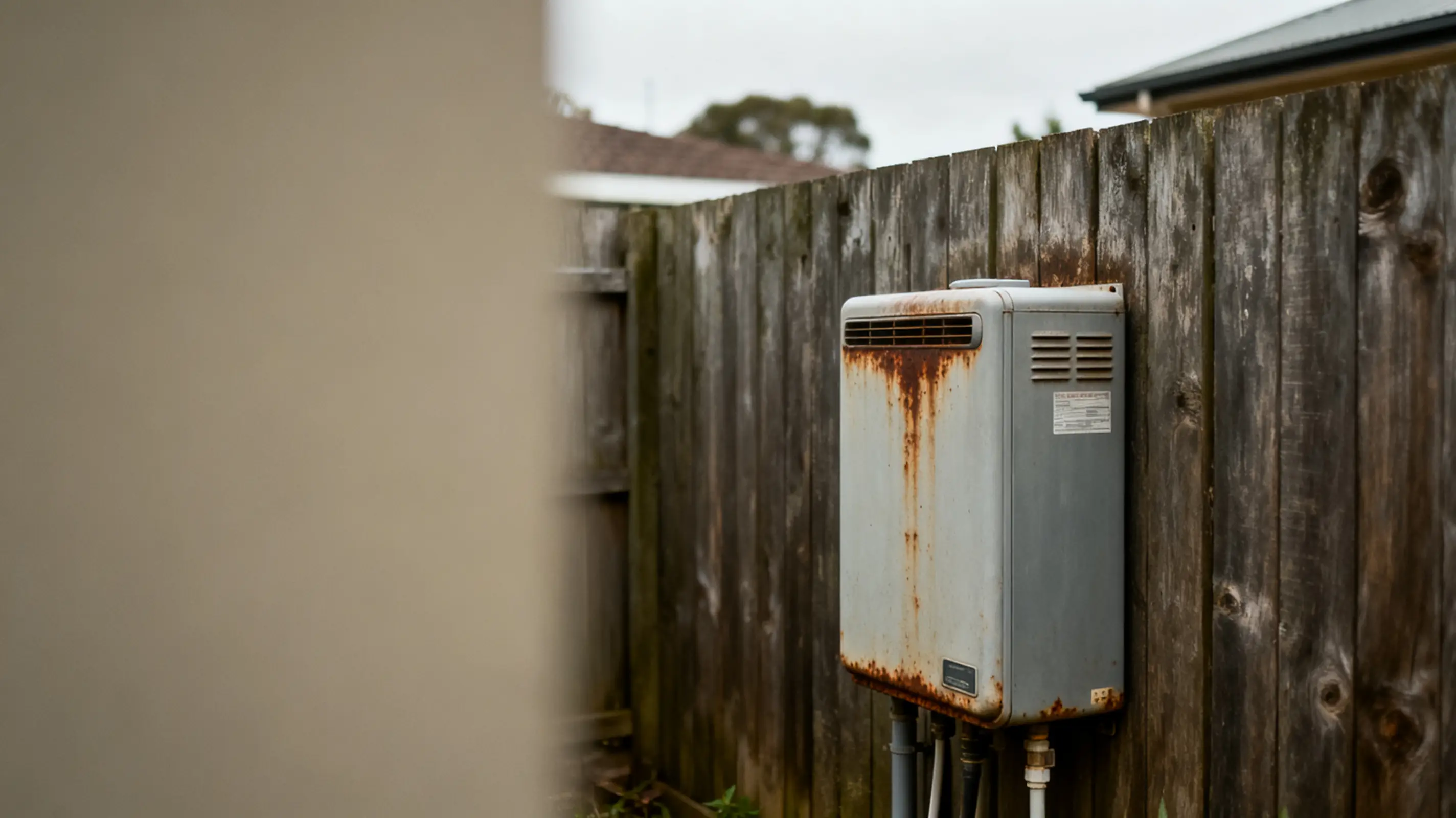
Hot water pressure problems can happen in any home. But some Central Coast homes may notice them more because of age, weather, and past renovations.
Many homes have had changes over time. A bathroom may have been updated. A kitchen may have been moved. A laundry may have been added. This can leave a home with a mix of old and new plumbing.
Older pipes can become narrow inside. Valves can wear out. Outdoor hot water units can also face years of rain, sun, moisture, and coastal air.
This does not mean every pressure issue is serious. But changes in pressure should not be ignored.
Signs the Problem May Need Attention
Weak hot water pressure is not always urgent. But some signs are worth taking seriously.
Look out for:
- Weak pressure at every hot tap
- A shower that keeps losing pressure
- Hot water taking longer to reach the tap
- Rusty, brown, or cloudy water
- Water leaking near the hot water unit
- New banging, hissing, or rumbling sounds
- Hot water that changes temperature often
- A problem that keeps getting worse
One sign may have a simple cause. But several signs together may point to a larger issue.
Hot water systems can involve pressure, heat, gas, and electricity. For safety, repairs should be handled by a qualified person.
Simple Checks You Can Do First
Before calling for help, there are a few safe checks you can do.
Ask yourself:
- Is it only one tap?
- Is it every hot tap?
- Is the cold water pressure normal?
- Did it start suddenly?
- Has it been getting worse over time?
- Is there water around the hot water unit?
You can also look around the hot water system. Check for leaks, rust marks, or water pooling nearby.
Do not remove covers. Do not open the unit. Do not try to fix gas, electrical, or pressure parts yourself.
Why Guessing Can Lead to the Wrong Fix
Many homeowners try to guess the cause of weak hot water pressure.
They may think it is only the shower head. Sometimes it is. But other times, the issue may be a valve, pipe, fitting, or hot water unit.
A homeowner may also think the whole system needs replacing, when the real problem is a smaller part.
Guessing can cost more than it needs to. It can also delay the right repair.
The best thing to do is notice the pattern. Is it one tap or the whole home? Is it getting worse?
When It Is Time to Get Help
It may be time to get help if weak hot water pressure affects more than one tap, keeps coming back, or continues to get worse.
It is also worth getting advice if the hot water system is older, leaking, noisy, or giving water that looks dirty.
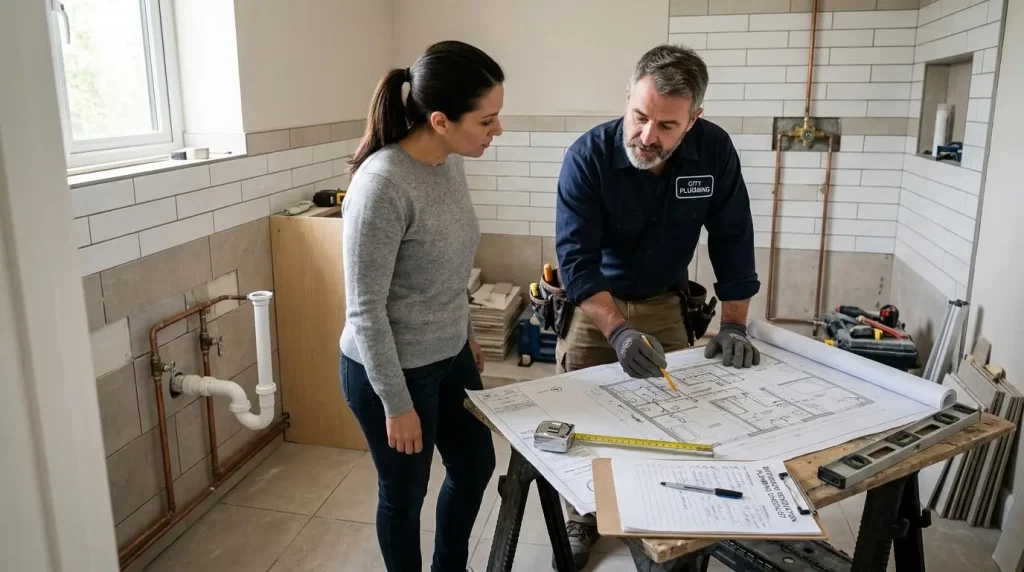
A technician can check the system, valves, fittings, and pressure points. They can help work out whether the issue is a small repair or a sign of a bigger problem.
If the pressure problem is affecting your whole home, it may be time to speak with a local team that works with hot water systems Central Coast homeowners rely on.
Getting help early can save stress.
Do Not Ignore a Change in Pressure
Weak hot water pressure is easy to put off.
You may get used to the slower shower. You may wait longer for the sink to fill. You may hope the problem fixes itself.
But hot water issues often get worse over time.
A pressure problem can point to blocked fittings, worn valves, old pipes, leaks, or a hot water system that needs attention.
If the problem keeps happening, it is better to get it checked. That way, you can deal with the real cause and keep your hot water working when your home needs it most.