
Have you ever noticed how your pet seems happiest when mealtime feels calm, familiar, and just right?
Feeding time is one of those everyday parts of pet care that can shape so much more than a full belly. It can support comfort, routine, energy, and that settled feeling pets show when life at home feels smooth.
The nice part is that helpful feeding habits are usually simple. They do not need to feel complicated or hard to keep up with.
A few steady choices each day can help dogs and cats feel more content around food and more relaxed in their home routine.
Build a Routine Your Pet Can Count On
Pets usually love knowing what comes next. A steady feeding routine helps them feel secure, and that can make the whole day feel more settled. When meals happen familiarly, pets often respond with calmer, happier energy.
This does not mean you need a strict schedule down to the minute. It just helps to keep things fairly steady and easy to recognize.
Feed at About the Same Time Each Day
One of the simplest habits is serving meals around the same time every day. Pets quickly learn the pattern, and that sense of rhythm can make feeding time feel reassuring.
A simple routine might look like this:
- Morning meal after waking up
- Evening meal around the same time each night
- Small snack at a regular point in the day if needed
This kind of routine helps pets settle into the day with confidence. It also makes it easier for you to notice what they enjoy most and how their appetite fits their daily rhythm.
Keep the Feeding Spot Familiar
The place where your pet eats matters too. A quiet, comfortable corner can help meals feel peaceful and easy.
Try keeping these things consistent:
- Put bowls in the same area each day
- Keep the space clean and uncluttered
- Let your pet eat without too much commotion nearby
- Keep fresh water close to the food area
These little details help create a feeding setup that feels safe and welcoming.
Choose Food That Fits Daily Life
Food choice has a big role in how feeding time feels. The right meal is not just about filling the bowl. It is about matching your pet’s age, size, activity, and eating style in a way that feels natural for everyday life.
When the food fits the pet well, mealtime often becomes easier and more enjoyable for both of you.
Match Food to Your Dog’s Routine
Dogs can have very different eating habits based on their age and daily activity. A lively young dog may have different needs from one who prefers a slower, quieter day.
That is why many owners spend time comparing the best dog food for their dog’s life stage, appetite, and routine. In real life, that often comes down to simple questions like:
- How active is my dog each day?
- Do they enjoy crunchy food, softer food, or a mix?
- Does the portion match their normal routine?
- Do they seem satisfied after meals?
Paying attention to these small things can make food choices feel much more straightforward.
Notice What Your Cat Enjoys
Cats can be very clear about what they like. Sometimes it is about texture. Sometimes it is about portion size or how the meal is served.
Many cat owners looking at the best cat food Canada options focus on daily comfort just as much as ingredients. They often think about:
- Texture their cat prefers
- Meal size that suits their pace
- Feeding times that fit the home routine
- How interested the cat seems at mealtime
When you notice these little patterns, it gets easier to build a feeding routine that feels right for your cat.
Make Meals Calm and Enjoyable
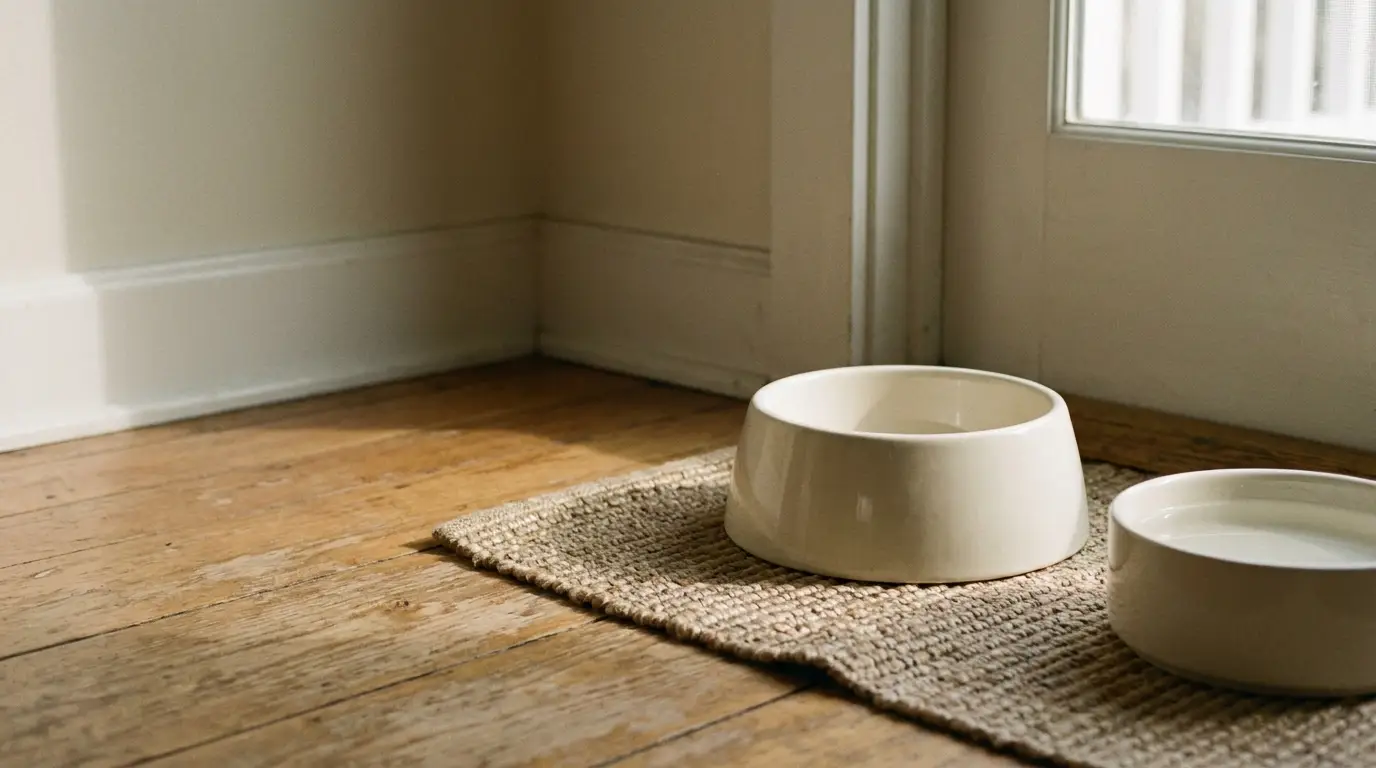
Feeding habits do more than support nutrition. They also shape the emotional feel of mealtime. A calm setup can make pets more relaxed, and that relaxed feeling can carry into the rest of the day.
The goal is not to turn mealtime into a big event. It is just about making it feel smooth and pleasant.
Slow Down the Moment a Little
Pets often respond well when feeding time feels unrushed. Even a few extra seconds of calm attention can make the routine feel more personal and comforting.
A simple approach can be:
- Call your pet in a calm voice
- Place the bowl down gently
- Let them settle before eating
- Keep your own energy relaxed
These small habits can make a surprisingly big difference in the mood around meals.
Add Gentle Variety Without Losing Routine
Pets often enjoy a little variety, as long as the overall routine still feels familiar. You do not need to change everything to keep mealtime interesting.
Easy ways to add variety:
- Rotate textures from time to time
- Split one meal into two smaller servings
- Use a puzzle feeder now and then
- Save part of a meal for a short training session
This adds a bit of fun while keeping feeding time grounded in a familiar pattern. Keeping familiar routines can be helpful outside the home as well. Whether heading out for a day trip or a longer journey, packing familiar feeding essentials alongside your dog’s travel collar can make it easier to maintain a comfortable mealtime routine while you are away.
Keep the Basics Strong Every Day
The habits that help pets thrive are usually the ones that are easy to repeat. Clean bowls, steady portions, fresh water, and a peaceful spot all work together to support a happy routine.
These basics may seem small, but pets notice them every day.
Use a Simple Feeding Checklist
A quick daily check can help you stay on track without overthinking things.
|
Habit |
Why It Helps |
|
Clean bowl |
Makes meals feel fresh |
|
Fresh water nearby |
Supports a complete routine |
|
Regular portions |
Keeps feeding steadily |
|
Calm feeding area |
Helps pets relax |
|
Familiar mealtime pattern |
Builds comfort and trust |
Focus on Consistency Over Perfection
You do not need a fancy system to support your pet well. Most of the time, the most helpful feeding habits are the ones you can keep doing day after day.
A simple focus on these basics goes a long way:
- Keep mealtimes familiar
- Watch what your pet enjoys
- Adjust small things as needed
- Make feeding feel calm and comfortable
Conclusion
Feeding time habits that help pets thrive naturally are usually built from simple, caring routines. A steady schedule, a peaceful feeding space, and food that fits your pet’s daily life can all help meals feel more satisfying and comforting.
Over time, those small everyday habits can shape a happier routine at home. And when mealtime feels calm, familiar, and enjoyable, pets often show it in the nicest ways through their energy, comfort, and quiet contentment.